
Legend has it that while hunting in the Sahaya mountains, Sala heard the cries of a saint shouting “Poy Sala”—meaning “Strike, Sala”—as a tiger approached during his religious rites at the temple of Goddess Vasantika in Angadi (now known as Sosevuru). Responding to the call, Sala killed the tiger, an act that was memorialized and later evolved into the name “Poysala,” which eventually became “Hoysala.” This event inspired the creation of the Hoysala emblem. Sala is recognized as the first historical figure or progenitor of the Hoysala family. For over three centuries, the Hoysalas, of Yadava descent, ruled a significant portion of southern Karnataka.
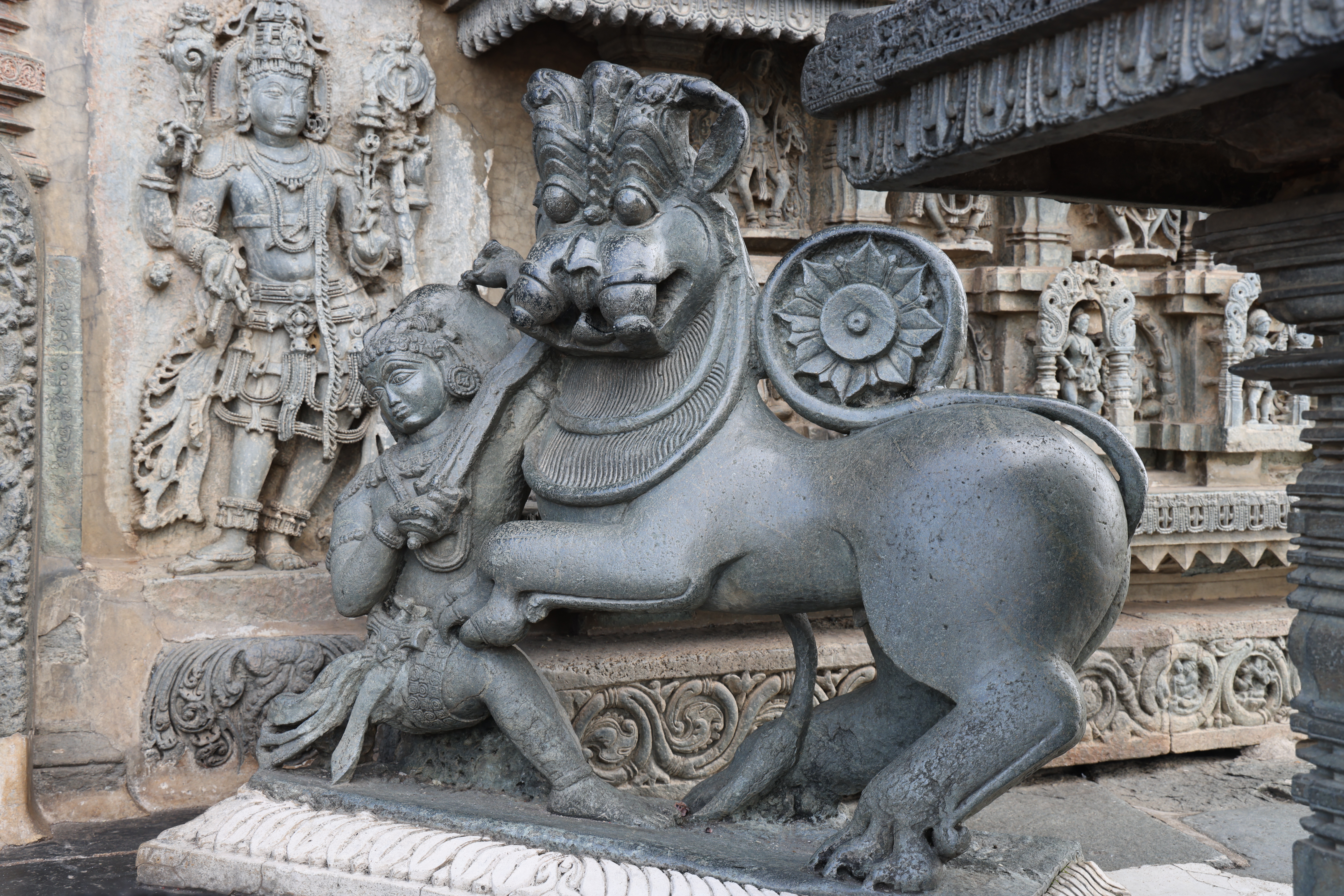
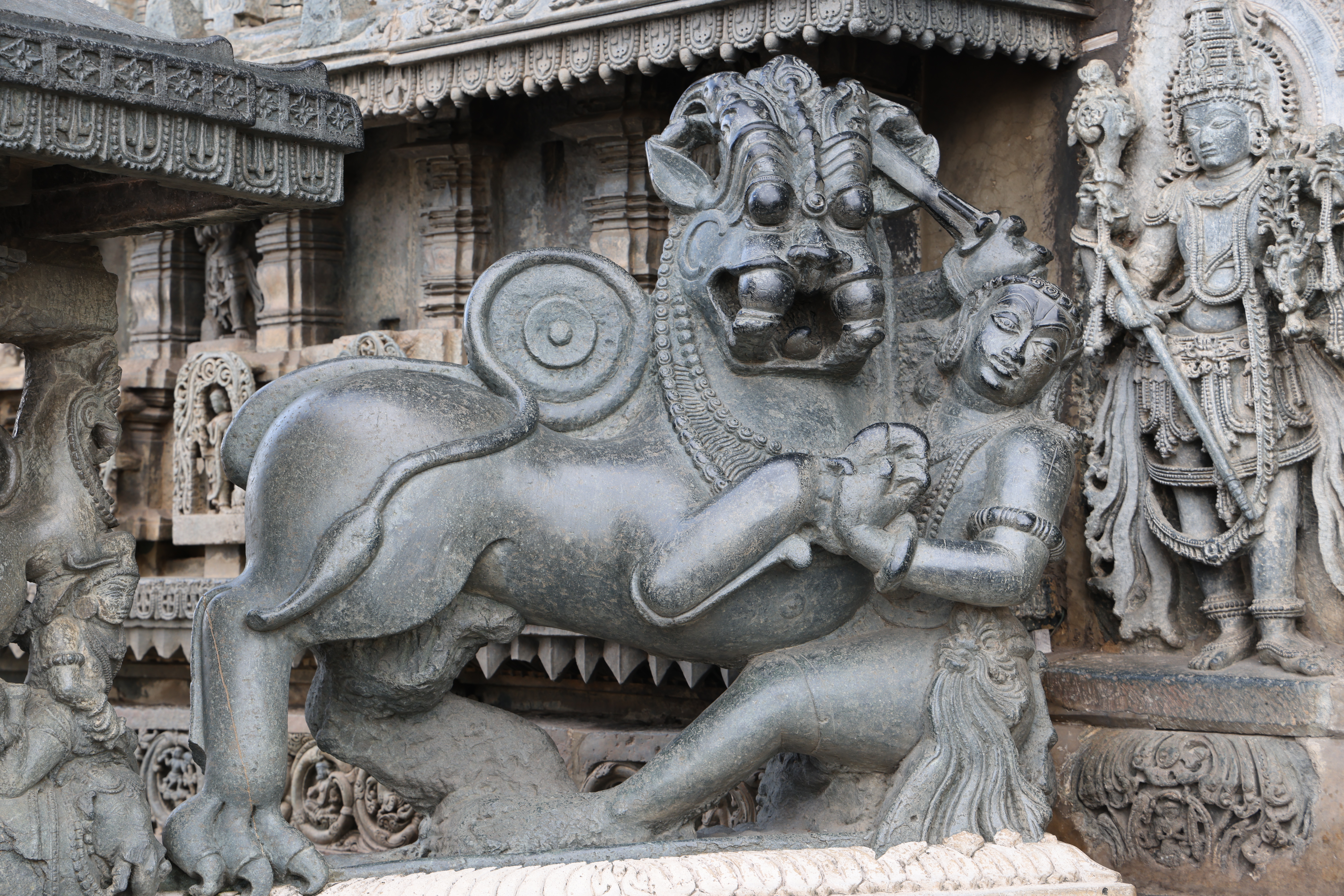
Architectural Charcateristics:
The Nolamba (late 8th–11th century) and Western Ganga (350 CE–1000 CE) dynasties, predecessors of the Hoysalas in Southern Karnataka, constructed Hindu and Jain temples inspired by Tamil heritage. In contrast, the Hoysala rulers were influenced by Western Chalukyan architecture, employing their craftsmen as well. Hoysala temples are richly adorned with figure sculptures, facilitated by the use of soapstone, which allows fine detailing, clarity, and durability. The Hoysala style blends southern Dravida and northern Nagara elements, known as the Vesara style. Further details on architectural characteristics of Hoysala temples can be checked out here. This post is the fourth part of the series dedicated to this unique symphony of human ingenuity. The rest of series comrades can be found here.
Just because we spoke about grandeur, doesn’t mean the lesser shrines at Belur temple complex are not worthy of a mention. Here is a list of all the shrines:
Kappe Chennigaraya Temple, Belur
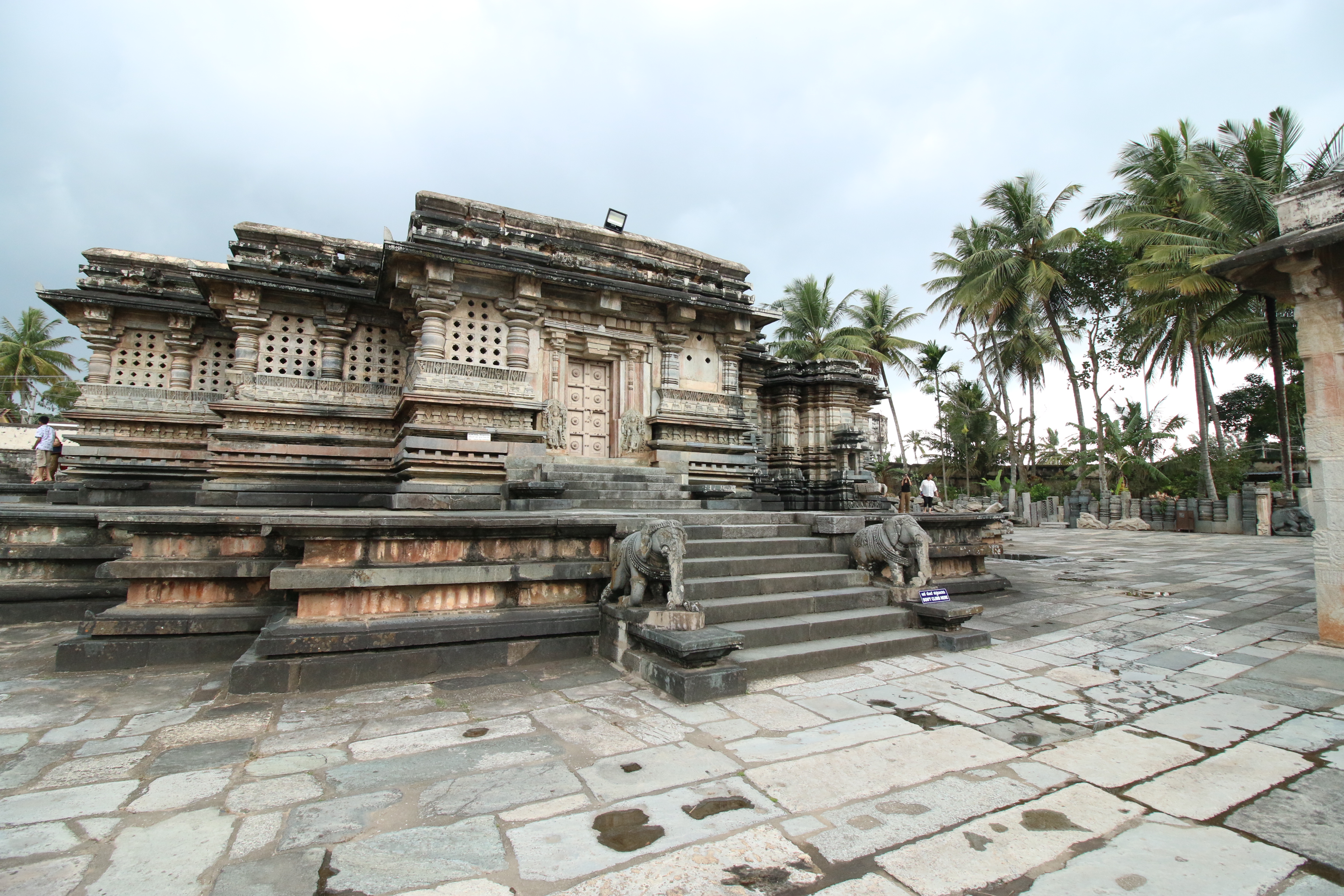
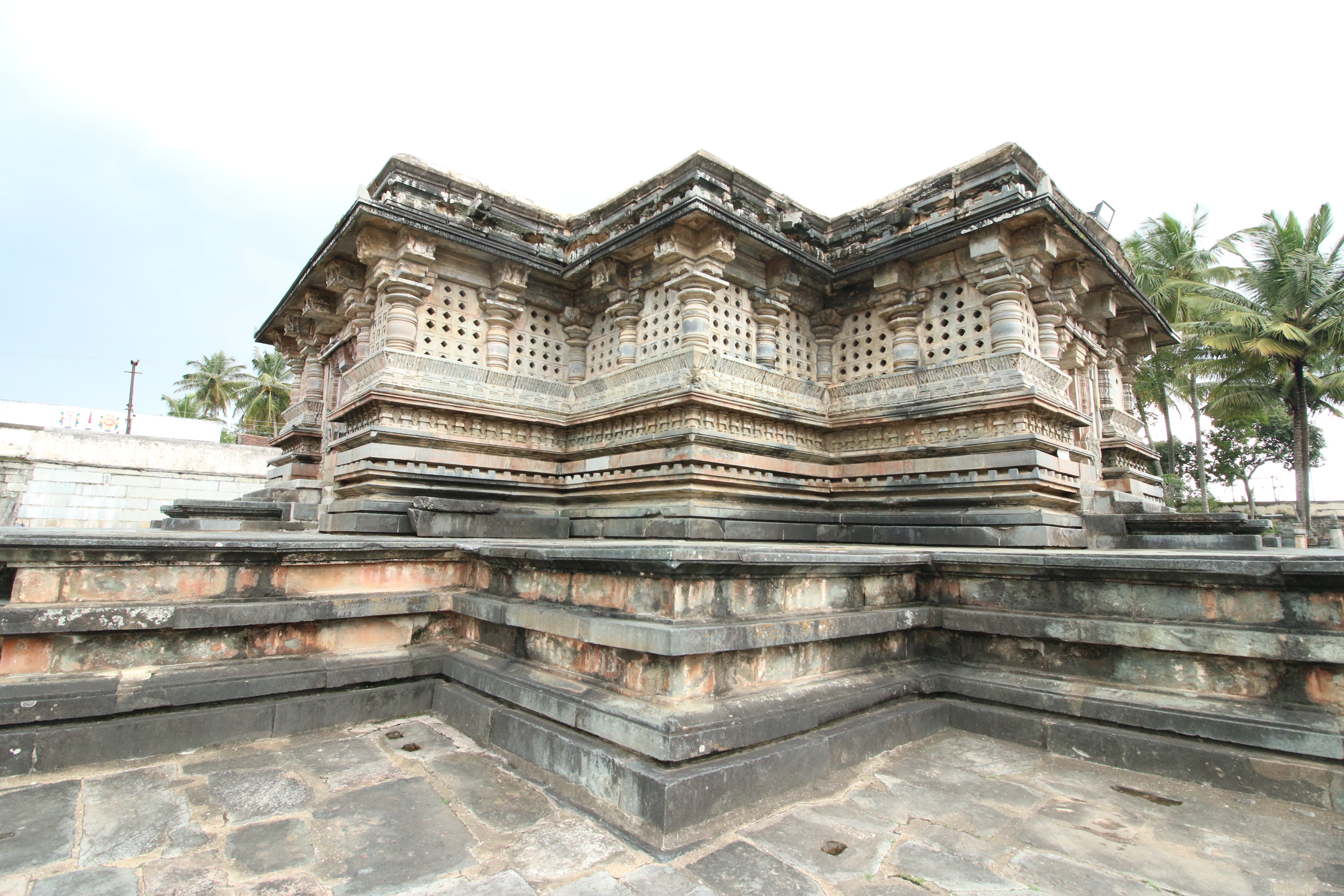
Kappe Chennigaraya is a smaller temple nestled in the southern section of the Chennakeshava Temple complex. It was commissioned by the queen of Vishnuvardhana simultaneously with the main Chennakeshava temple. The temple’s name has an intriguing legend associated with it, stemming from the Kannada word “Kappe,” meaning frog. This legend involves Jakanachari, the renowned architect and sculptor of the Hoysala era, who originated from Kridapura (later renamed Kaidala in his honor), a village in present-day Tumkur district, Karnataka. Due to marital discord, Jakanachari abandoned his wife Manjari and relocated to the capital of the Hoysala Empire.
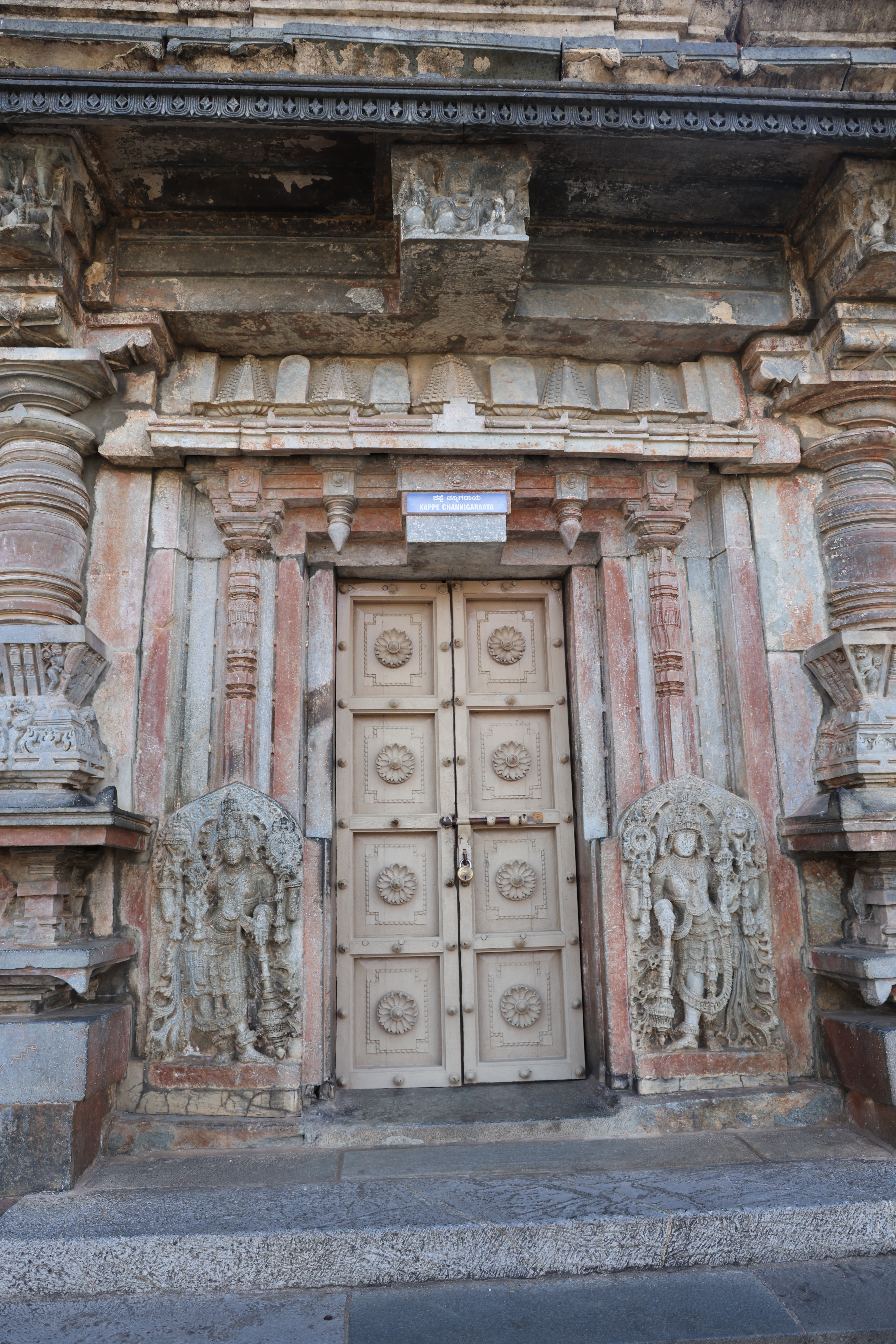
Unbeknownst to Jakanachari, his son Dakanachari, also a skilled sculptor, arrived in Belur in search of his father and inevitably joined his workshop. During the installation of the Chennigaraya image, Dakanachari remarked that it did not conform to the standards of worship according to shilpashastra. This irritated Jakanachari, who applied sandalwood paste over the image and let it dry. Upon inspection, they discovered a cavity containing a frog (known as “Kappe” in Kannada) and some water, with only the navel region remaining untouched by the paste. Thus, the presiding deity came to be known as Kappe-Chennigaraya.

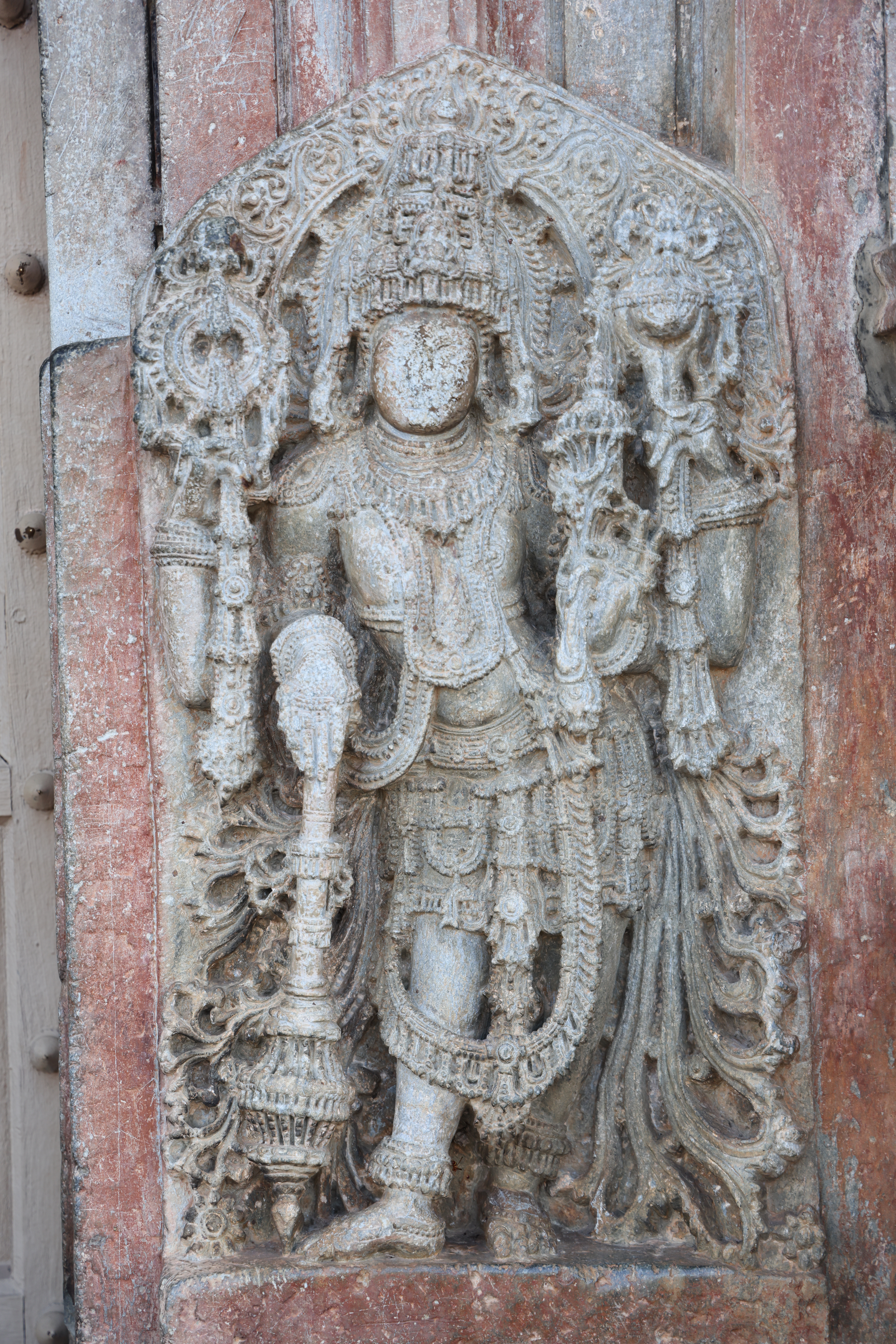
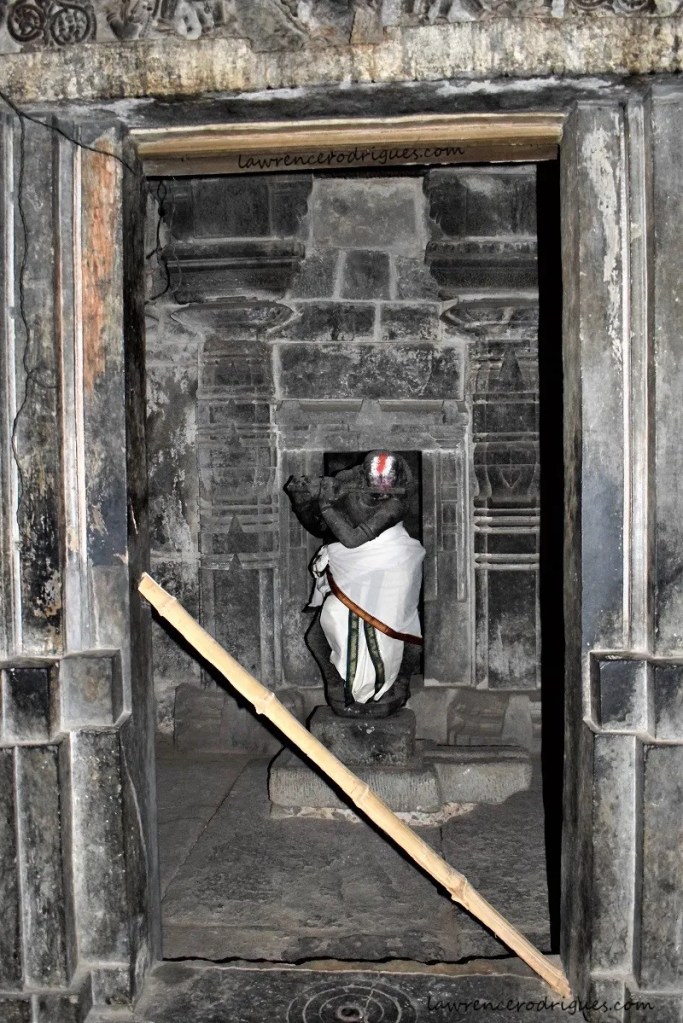

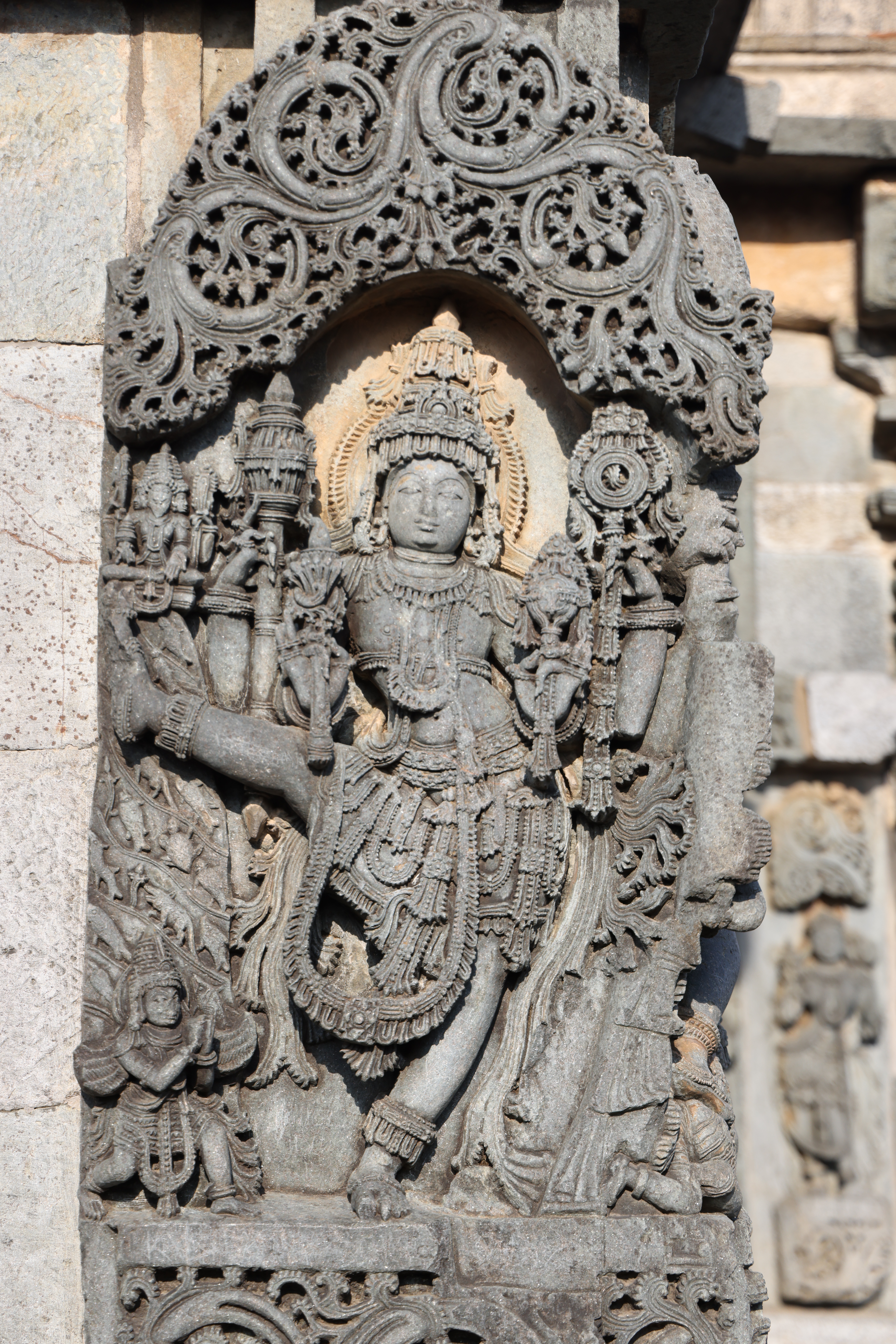
The Kappe Chennigaraya Temple, comparatively smaller and less ornate than the main temple, comprises two garbhagrihas (sanctums). In the west garbhagriha stands a life-size statue of Chennakeshava, while in the south stands a life-size statue of Venugopala, representing different forms of Vishnu. The Venugopala statue depicted in the image below portrays Krishna in a tribhanga pose, playing the flute. Unfortunately, during my visit, the temple was not accessible to the public.
Soumyanayaki and Andal Shrines, Belur
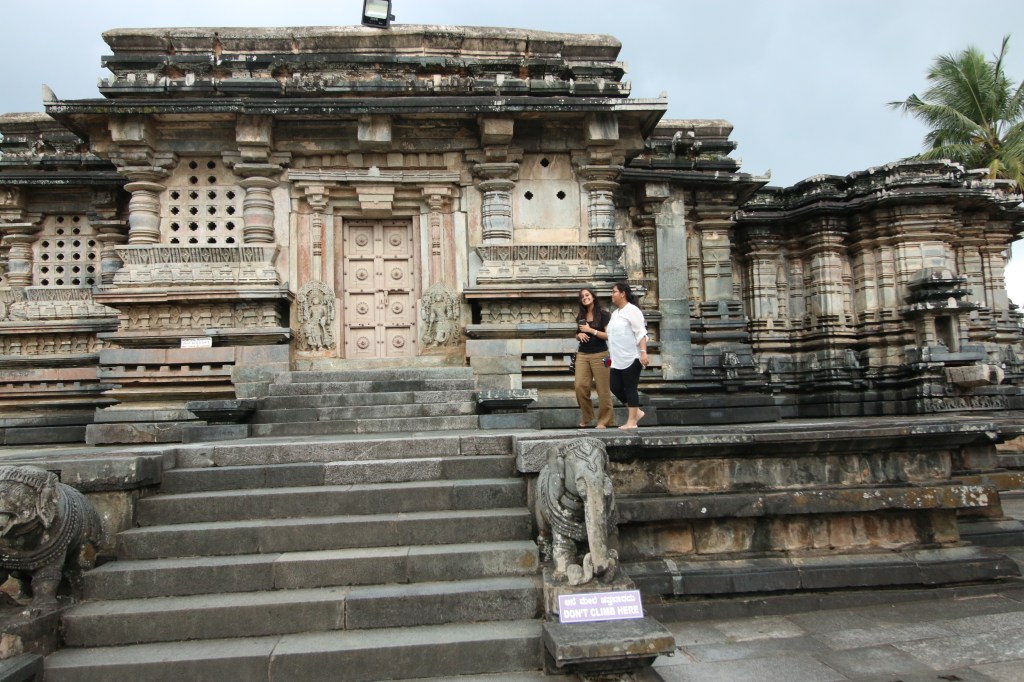
The Soumyanayaki temple, situated southeast of the main temple complex, was constructed during the Vijayanagara period using materials salvaged from ruined Hoysala temples. Dedicated to Goddess Soumyanayaki or Sridevi, the temple’s shrine is crowned by a tower over the garbhagriha. Its damaged shikhara was restored in 1387 CE by a minister under Vijayanagara King Harihara II. Additionally, the temple features a pillared porch, believed to be a later addition by a member of the Dalavayi family of Kalale.
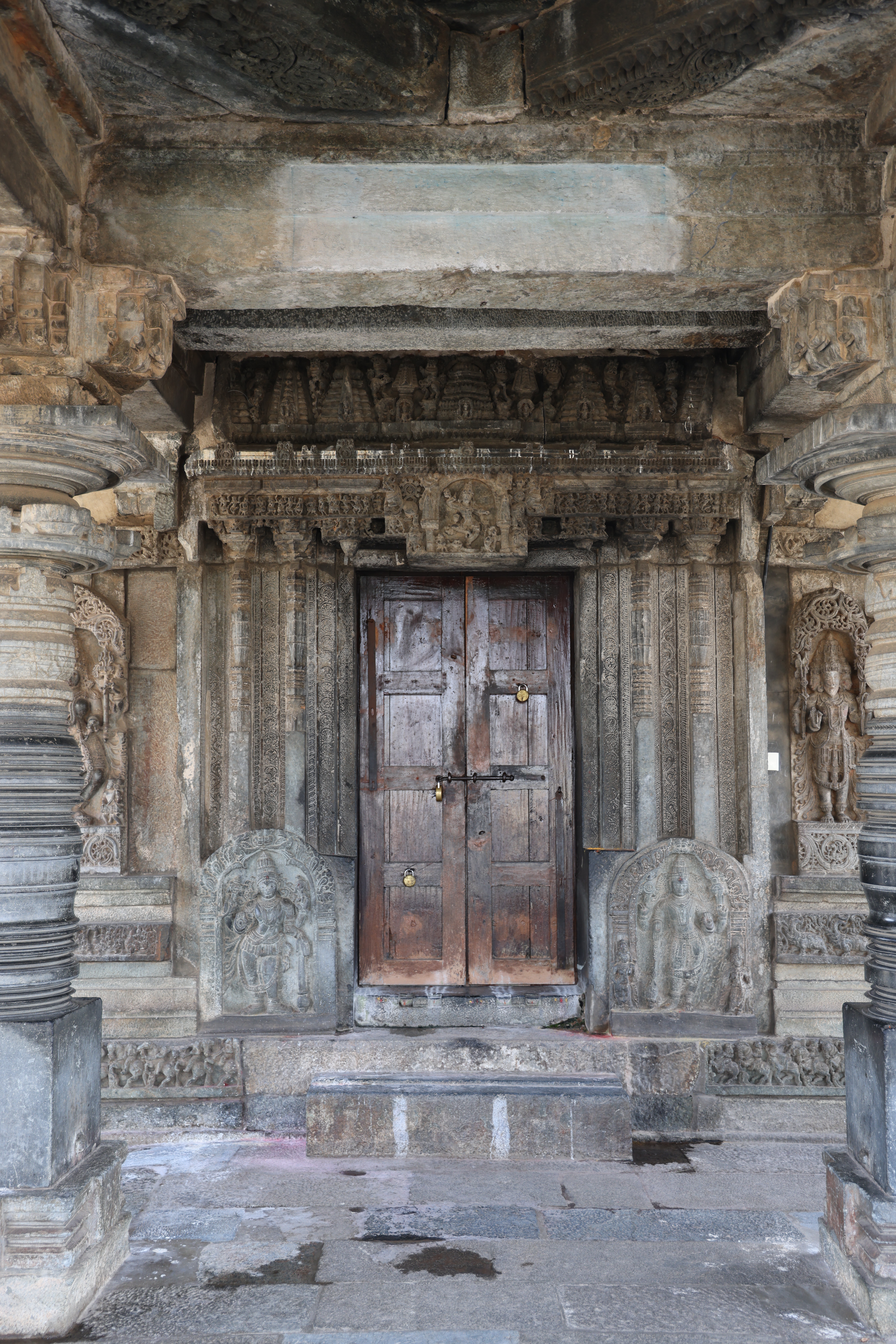
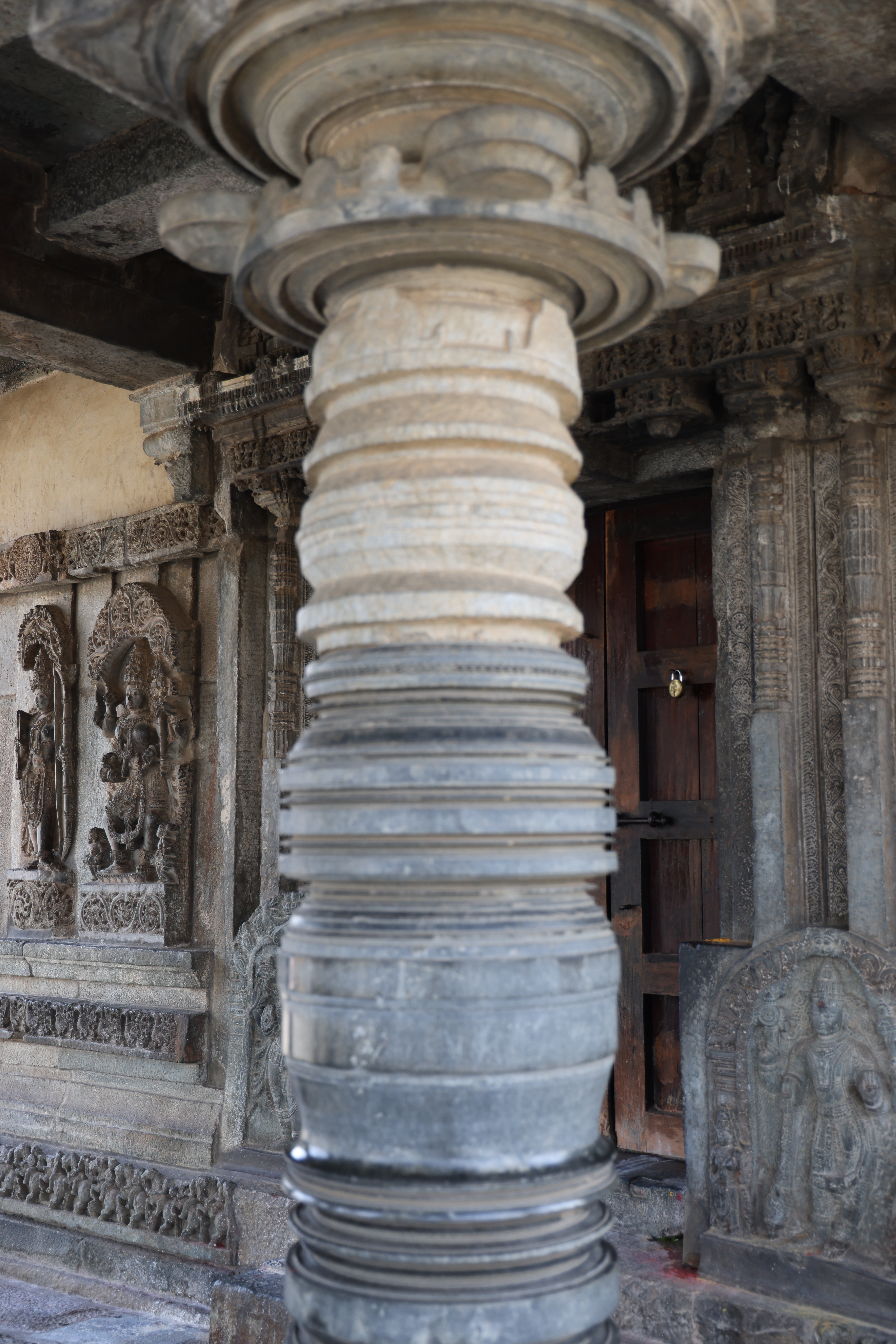
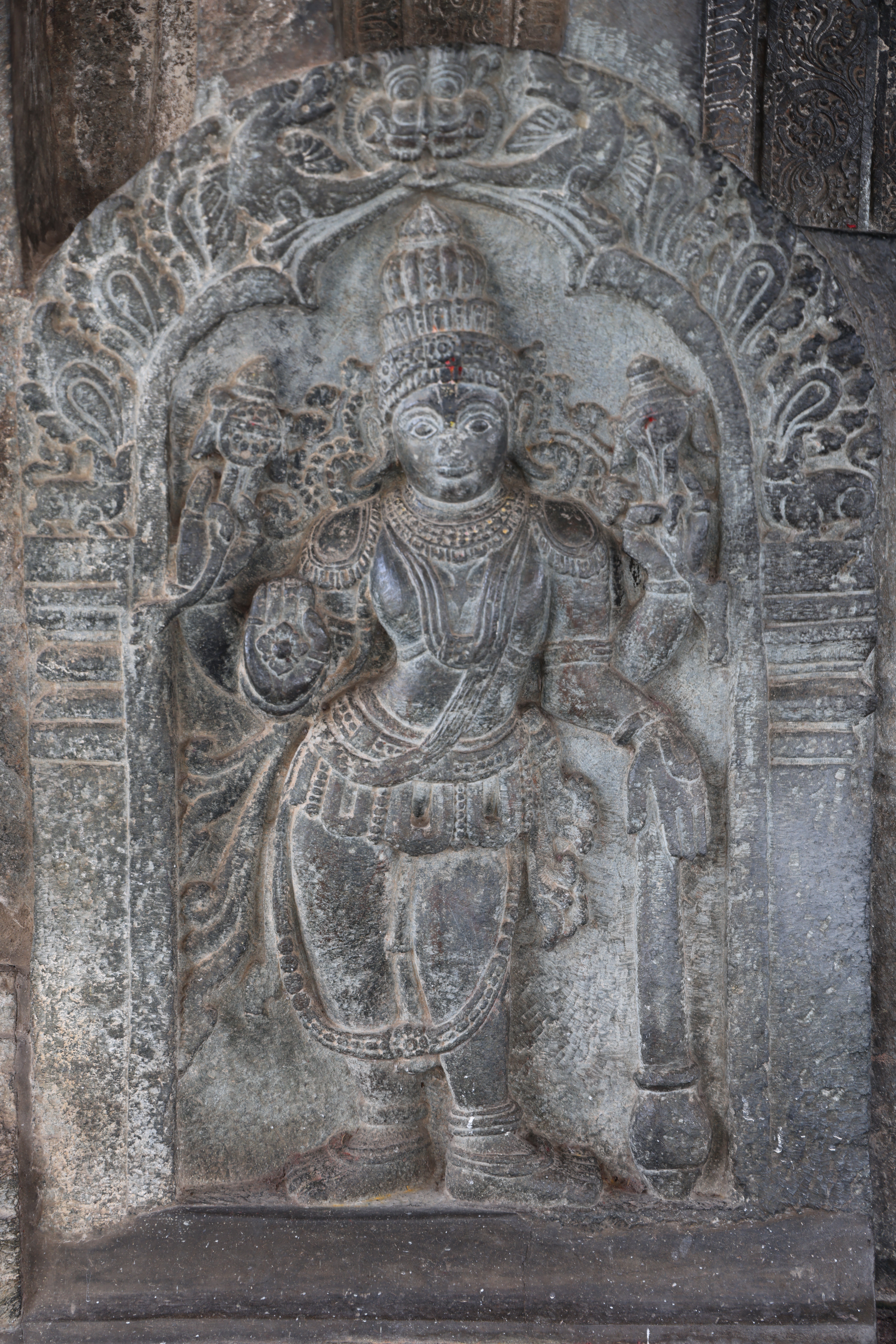
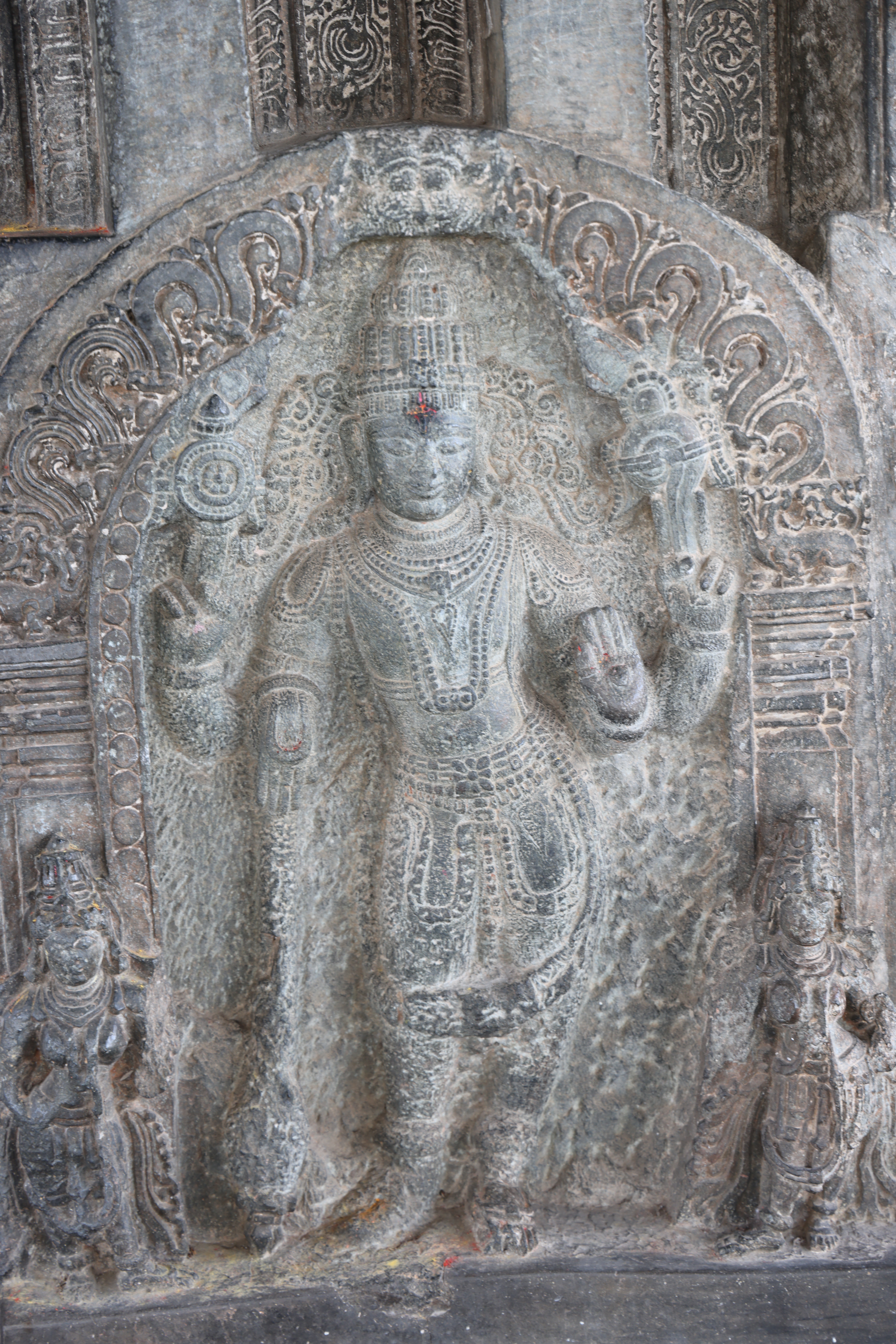
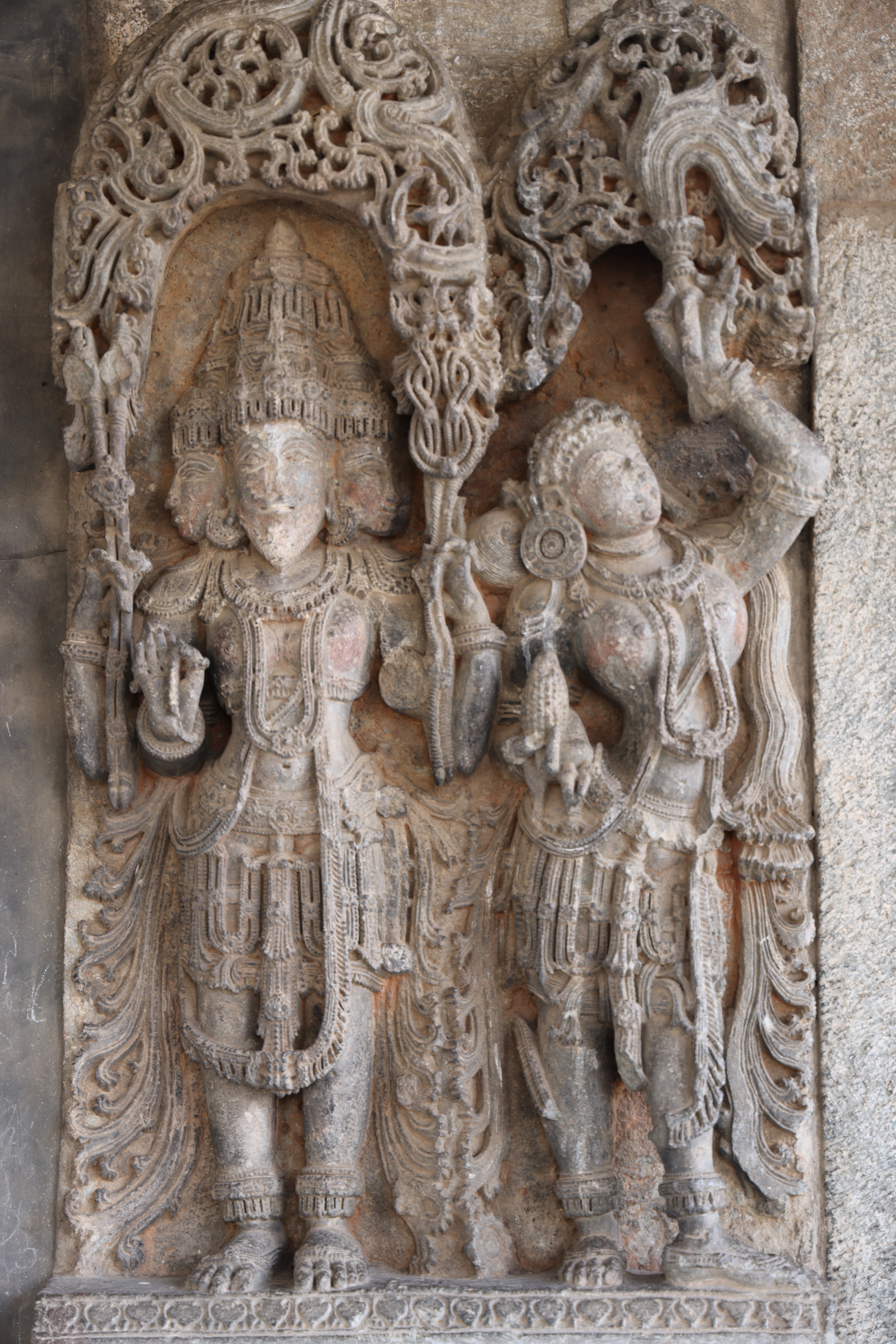
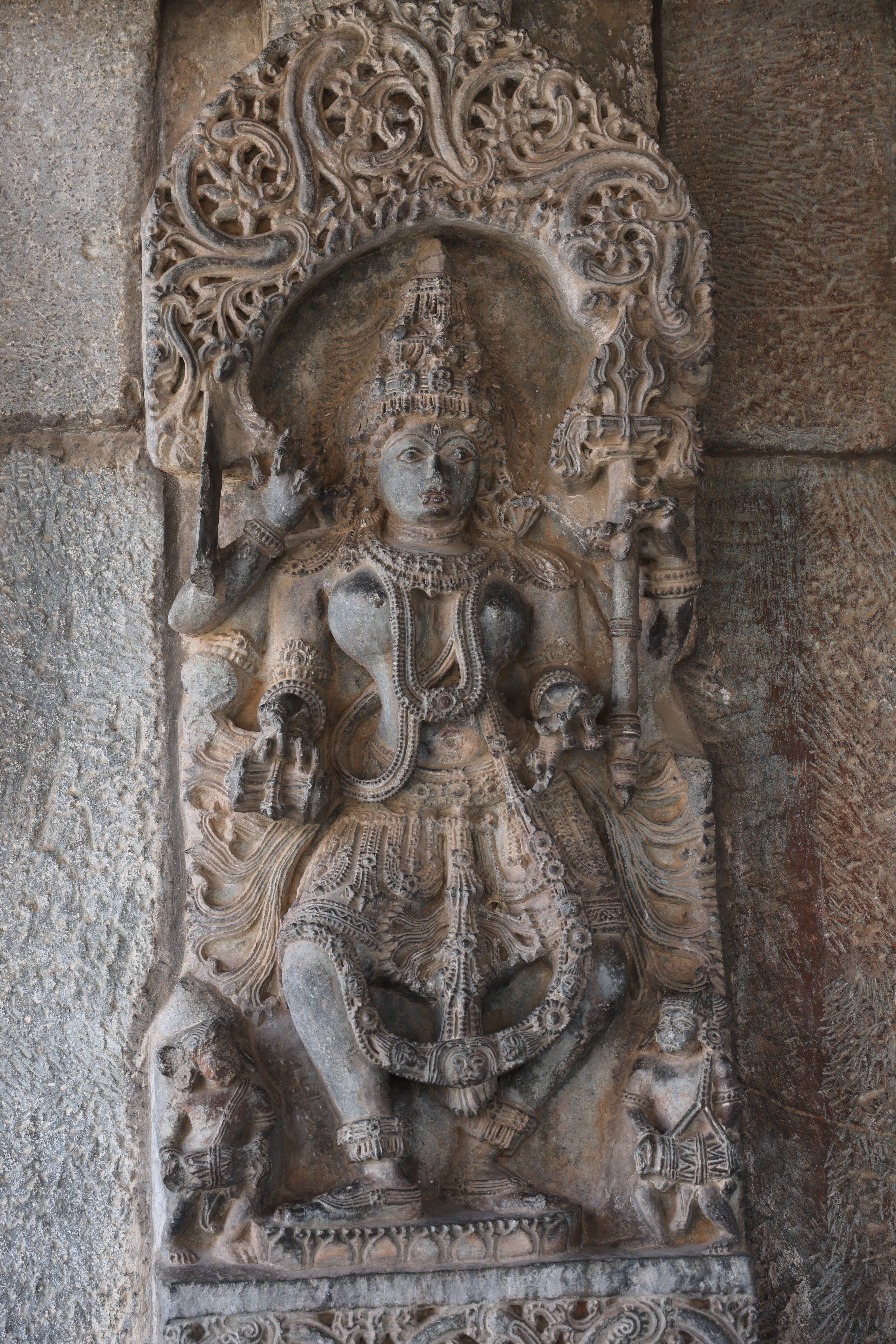
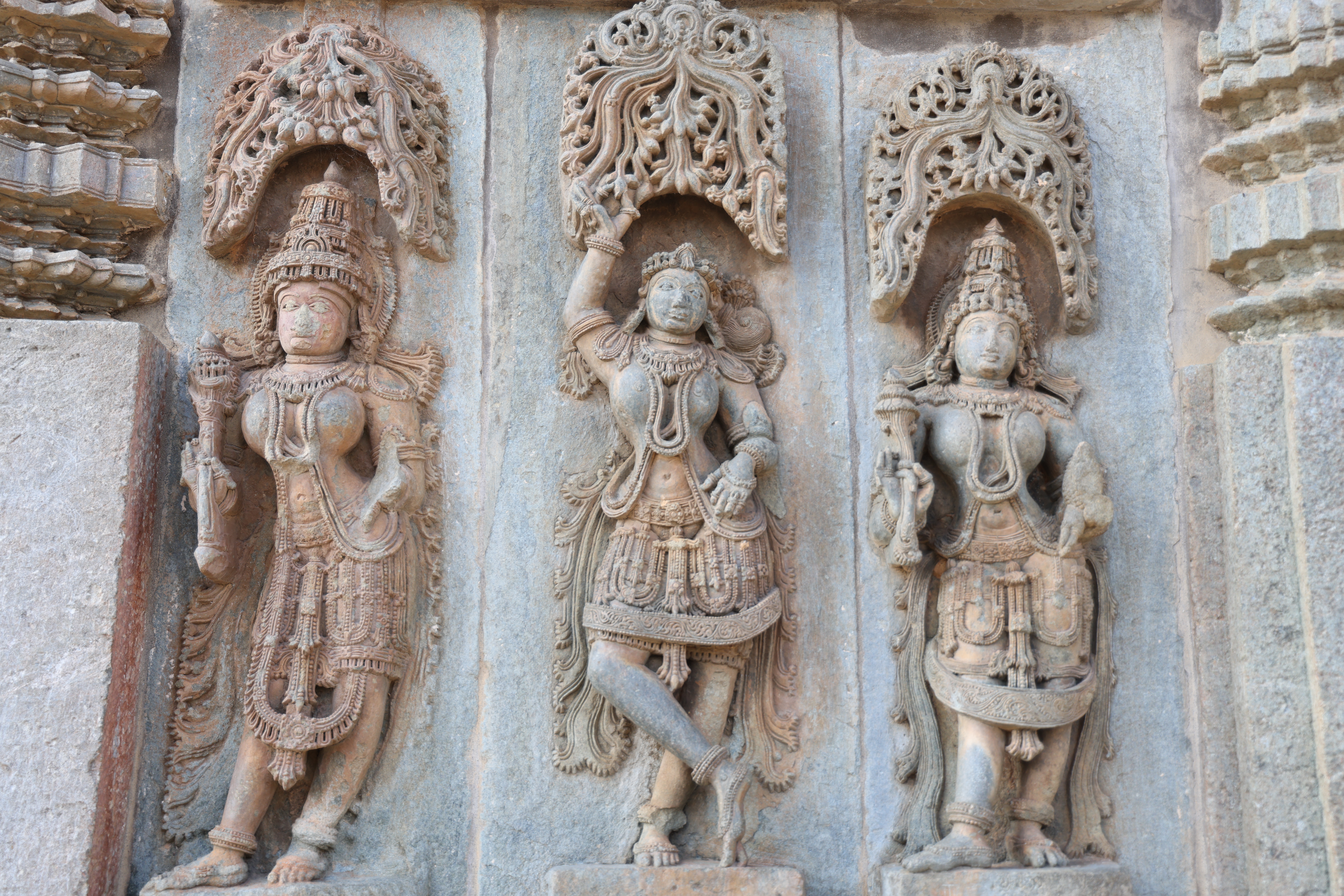
The Andal temple, alternatively known as the Ranganayaki temple locally, is devoted to Goddess Andal. Like the Soumyanayaki temple, its construction materials were sourced from dilapidated Hoysala temples. Adorning the shrine’s walls are numerous sculptures of gods and goddesses, skillfully framed by intricately crafted canopies. The temple’s base features friezes depicting elephants, scrollwork, and scenes from Hindu mythology.


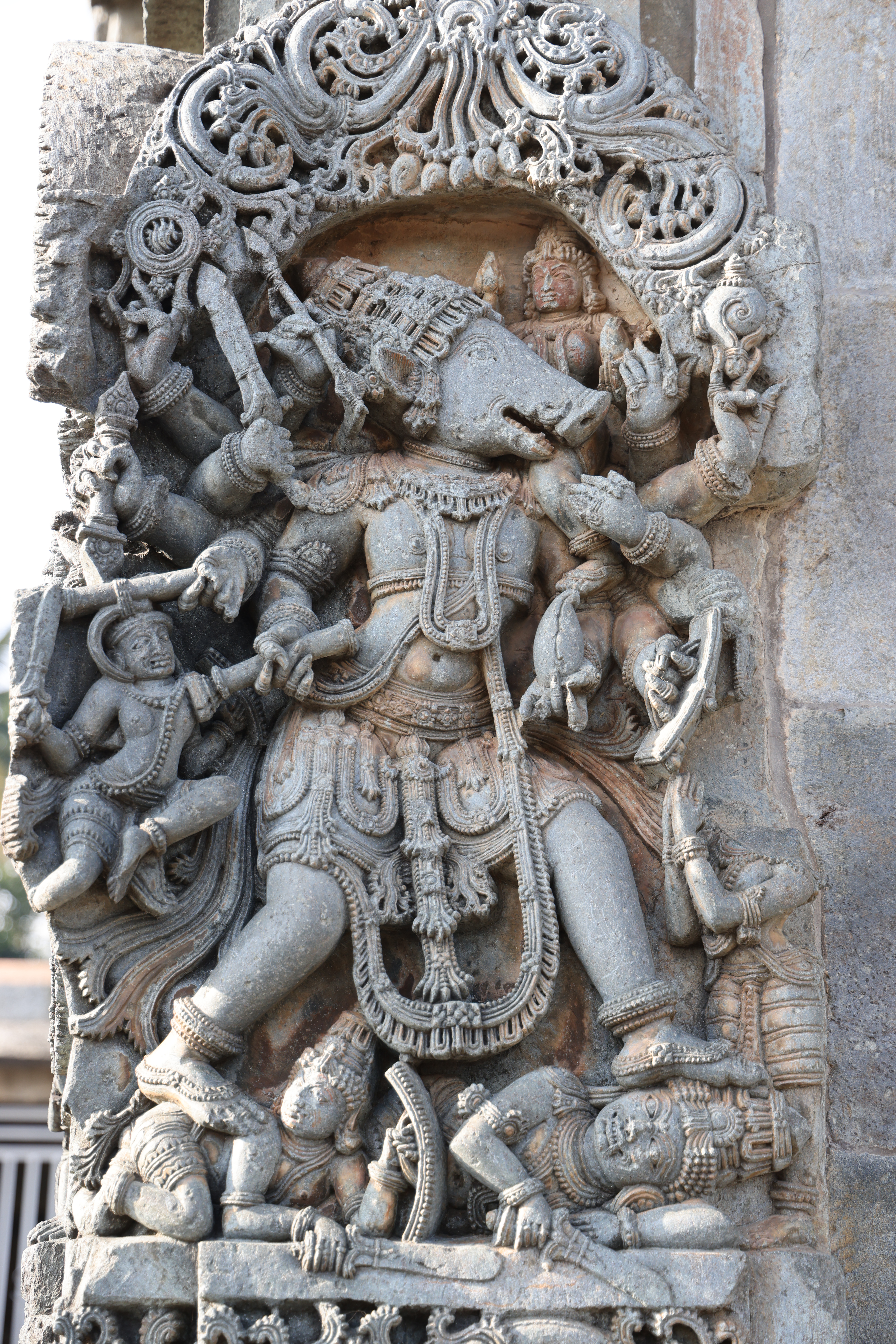
Viranarayana temple, Belur
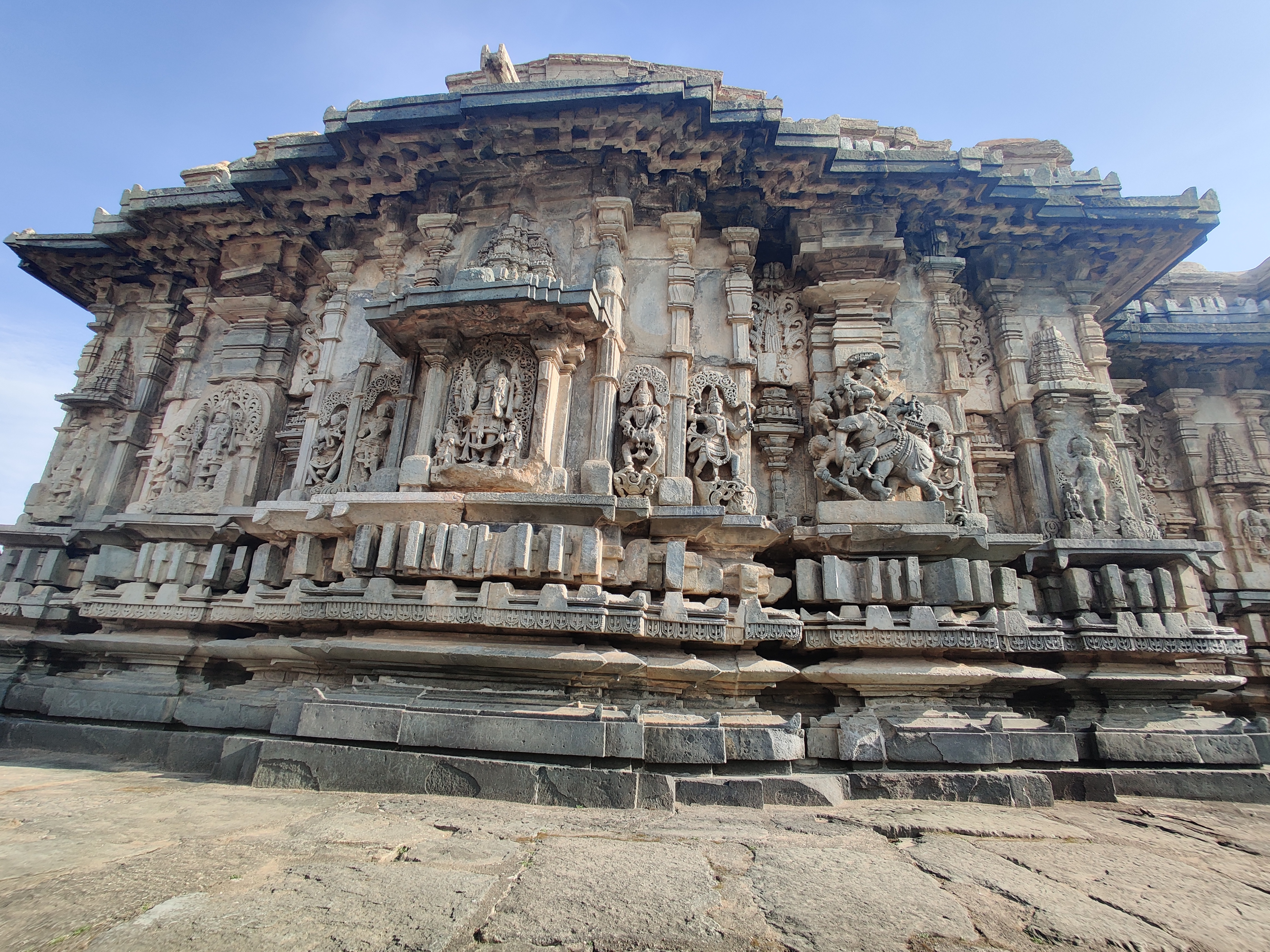
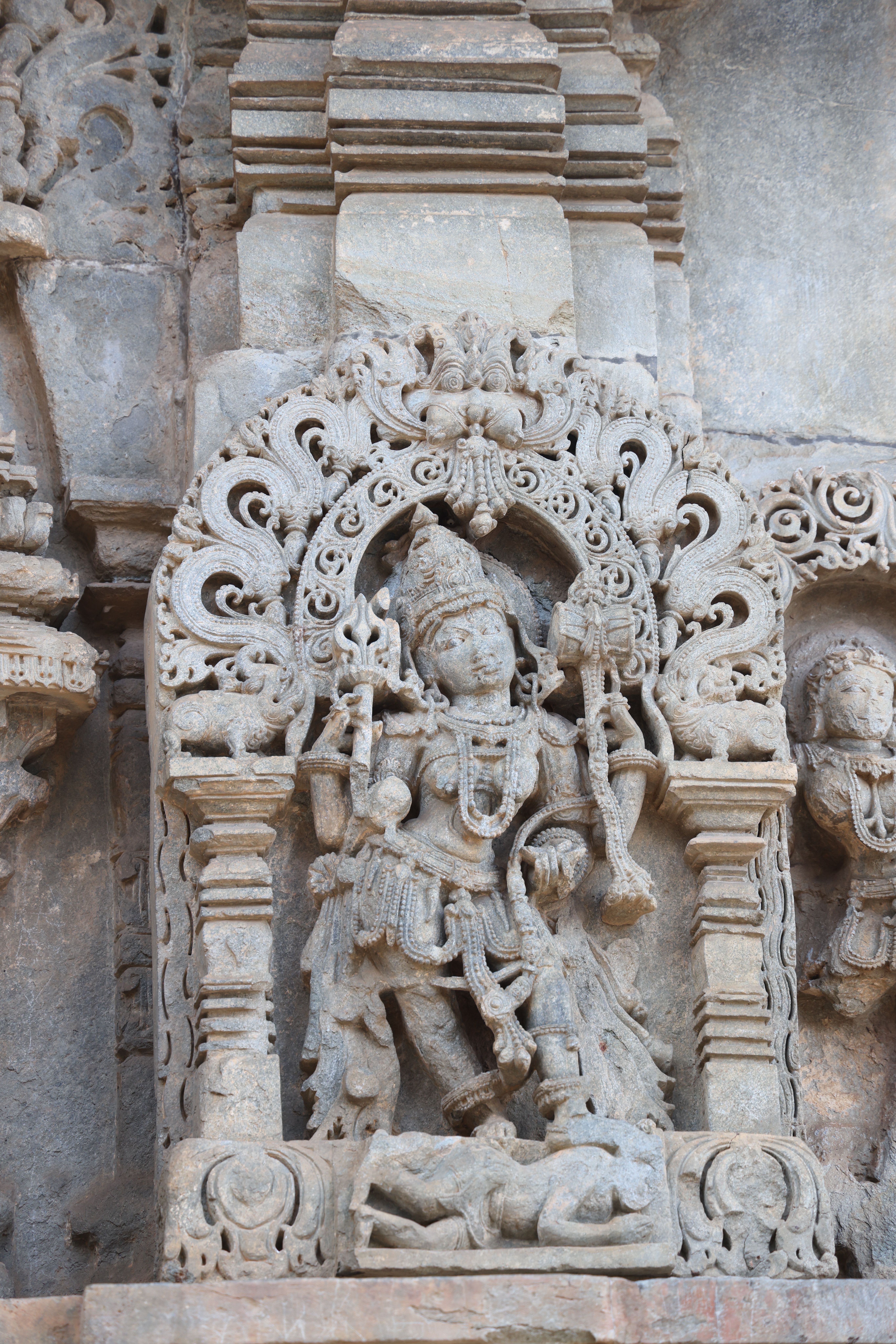


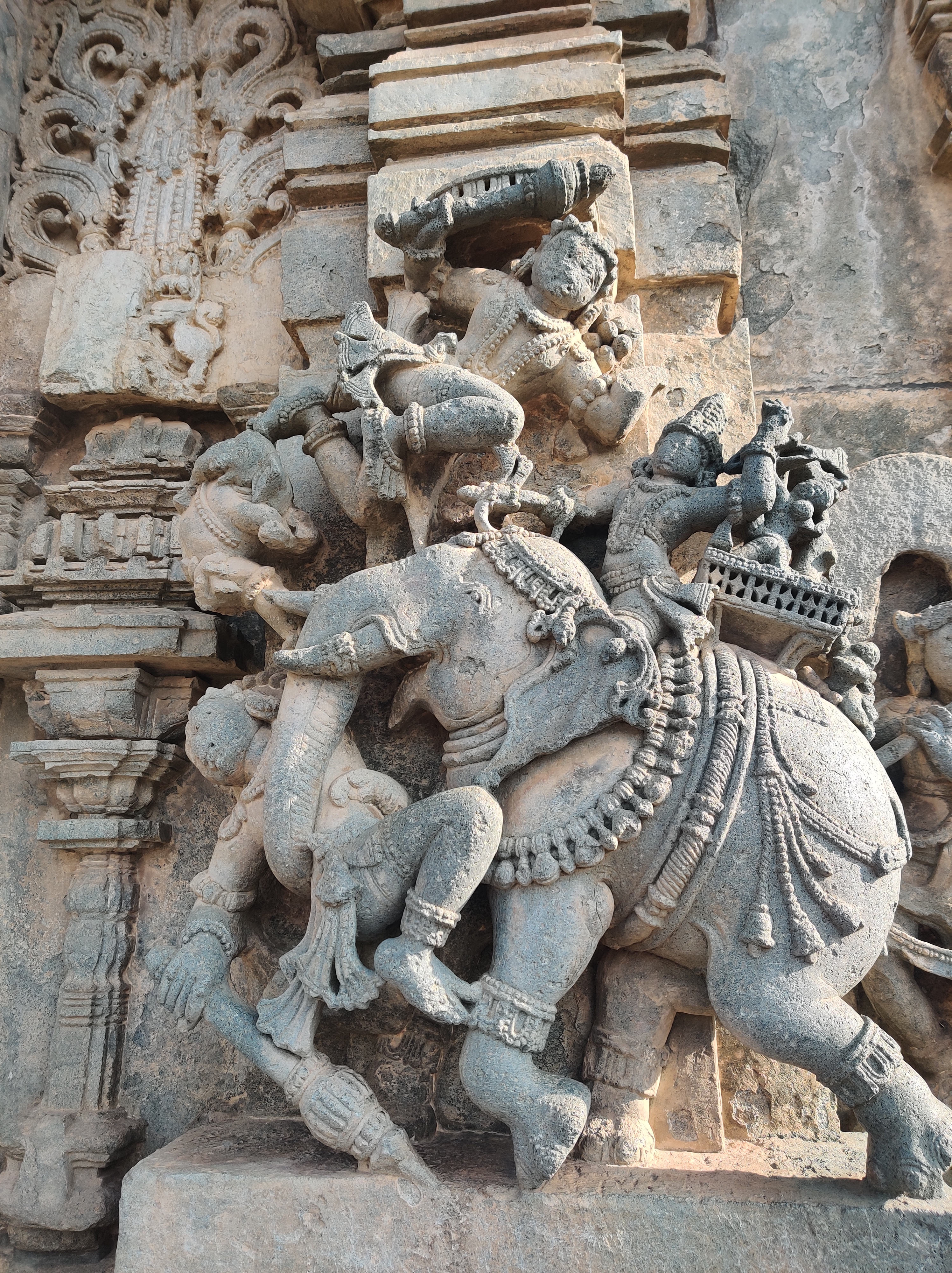
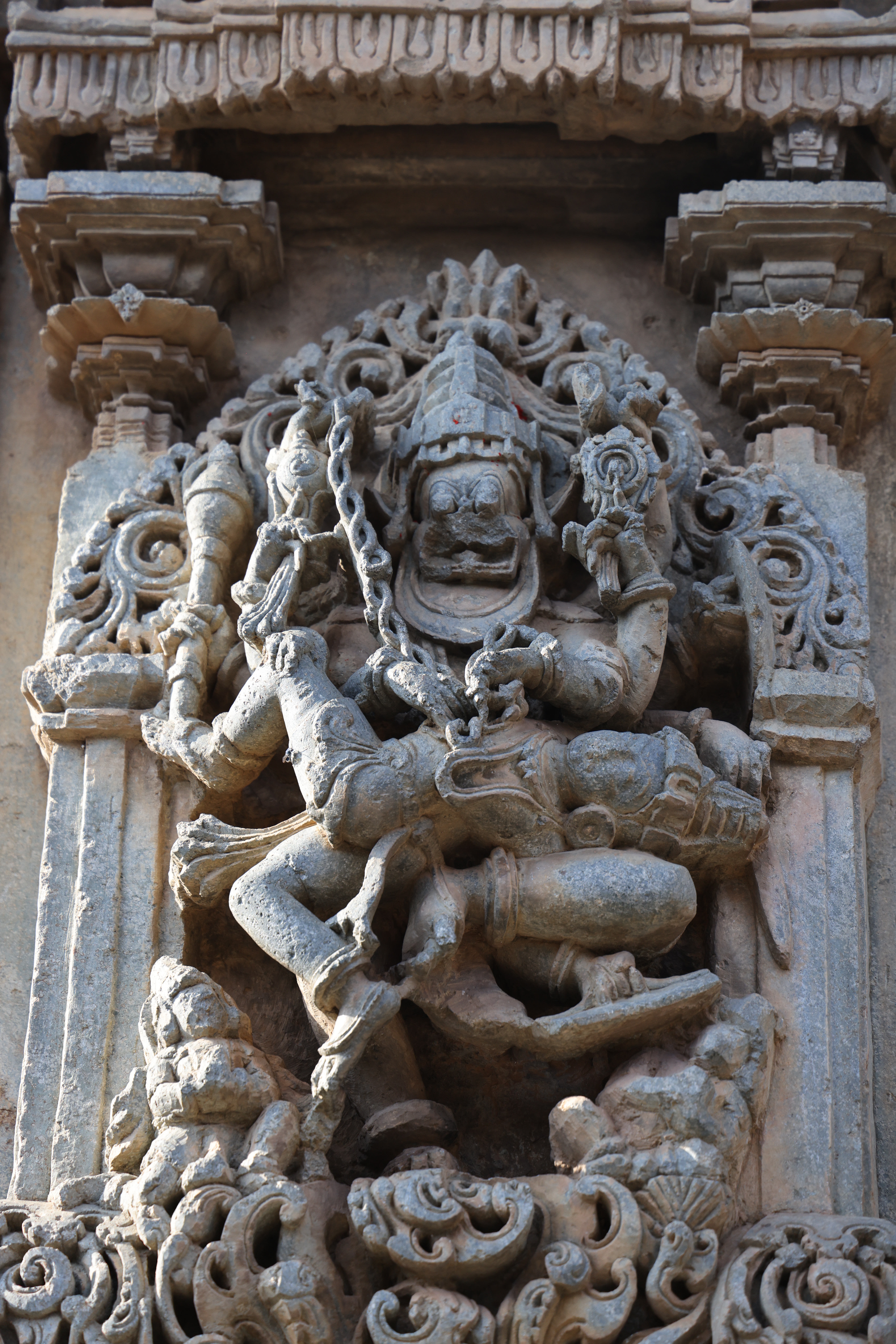
The single-celled or ekakuta temple shrine, dedicated to Vishnu, was erected on a raised platform in the 12th century CE. It follows the Vaishnava tradition and is believed to have been built later in the 12th century CE. Constructed in a basic layout of a garbha griha, an antarala opening up to the mandapa, all situated on a jagati, this temple exhibits a relatively austere design compared to the Chennakesava temple, lacking the narrative friezes. However, sculptures representing various gods and goddesses such as Vishnu, Shiva, Brahma, Parvati, and Bhairava adorn its walls. According to inscriptions found at the temple, grants were made to three deities—Vijayanarayana, Chennakesava, and Lakshmi Narayana—in 1117 AD. Consequently, the presiding deity in this shrine was initially referred to as Lakshmi Narayana but is now known as Vira Narayana.
Deepastamba, Belur
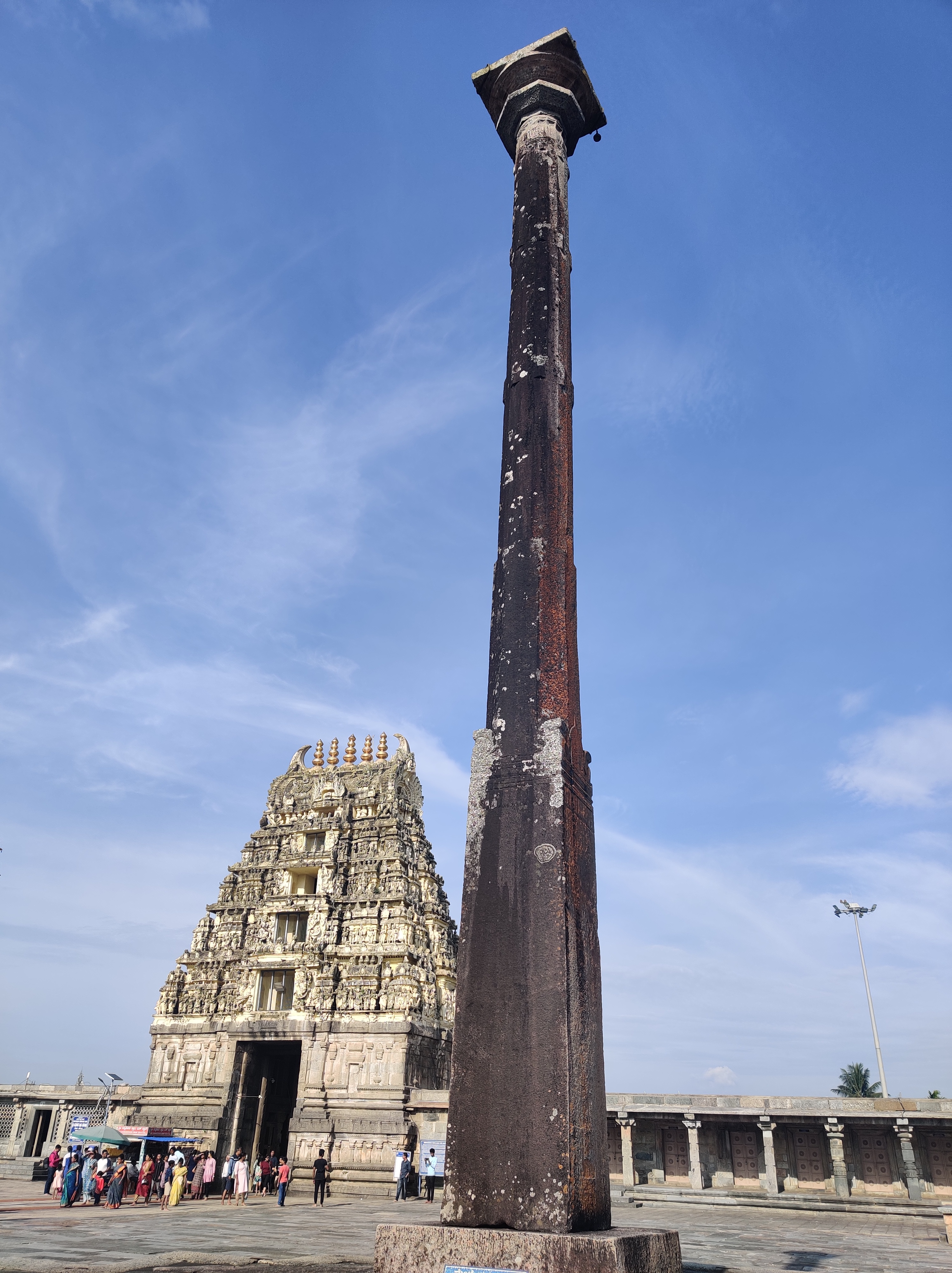
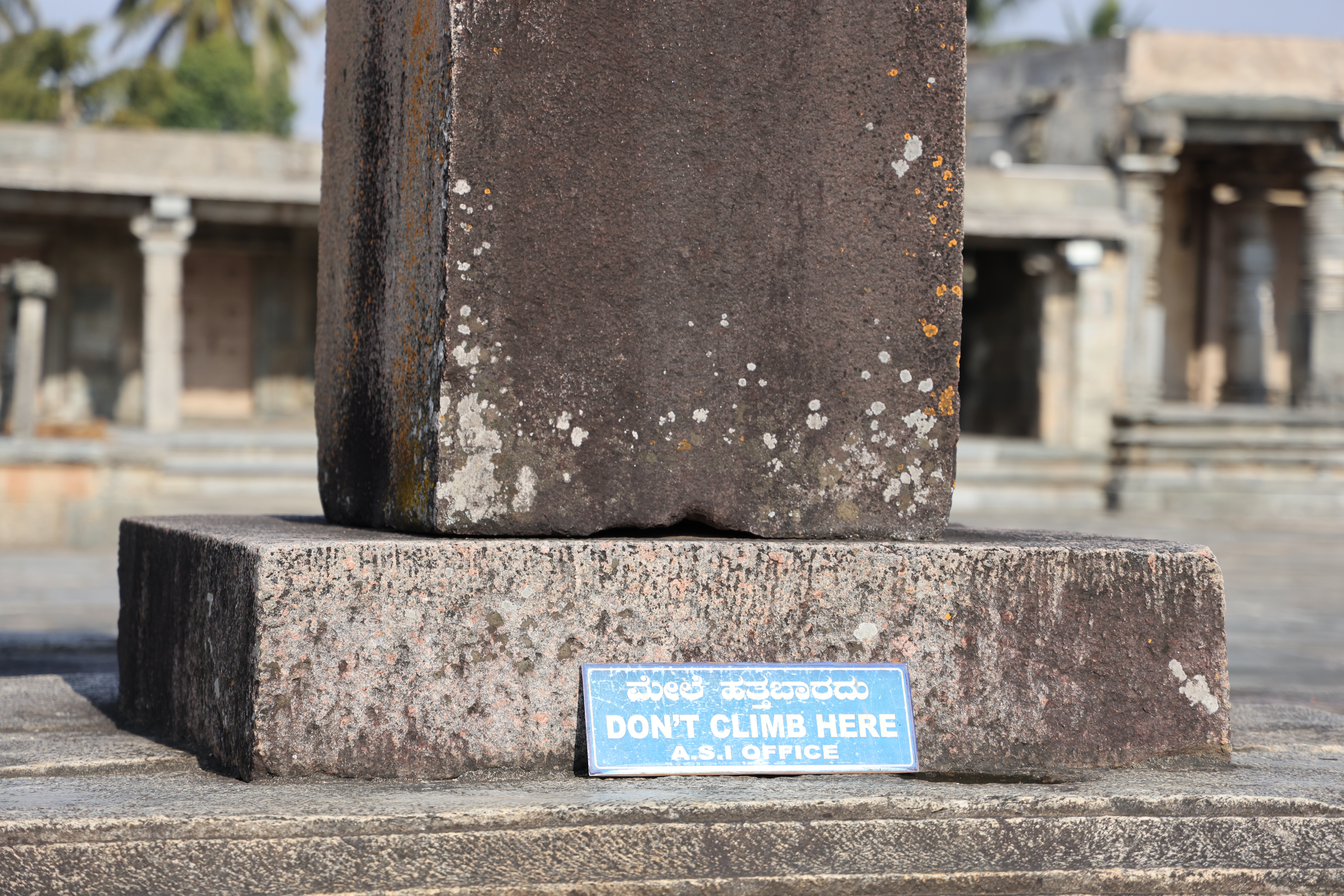
Located southeast of the Keshava shrine stands a remarkable 42-feet pillar, carved from a single stone and positioned on a raised platform. What sets this pillar apart is its intriguing feature: despite standing solely on its own weight without any external support, the base of the pillar toward the north is slightly raised, creating a gap between the platform and the pillar. This peculiar design has earned it the nickname “anti-gravity pillar,” as a piece of paper can effortlessly pass through the gap. However, due to past incidents involving enthusiastic tourists, stepping onto the platform or attempting to climb it is strictly prohibited.
Pro Tip:
Belur is approximately 3.5 hours (150 km) away from Mysore, while Halebeedu is 143 km from Mysore. The distance between the two towns is around 17 km, which takes about 30 minutes to travel. During my five-day stay in Mysore for the Dussehra celebrations, I chose to combine Belur and Halebeedu into a day trip and rented a car.
Except for the inner sanctum or shrine, there are no restrictions on photography. Ensure you have a flash (for DSLRs) or night mode settings (for your phone) when capturing the temple interiors. It’s incredibly exquisite but equally crowded. If using a wide lens, make sure it’s not overly conspicuous. For instance, my dad’s Canon wide lens has a distinct white body, which caught the attention of temple security personnel.
The Hoysala series:
- Poetry of Stones – Hoysala temple I: Somnathapur
- Poetry of Stones – Hoysala temple II: Belur
- Poetry of Stones – Hoysala temple III: Halebidu
- Poetry of Stones – Hoysala temple IV: Smaller shrines of Belur
References:
Along with the oral narration from the guide at the temple, the specific stuctural references has been taken from the following books. If anyone is interested in using the images, request you to hit me up and attribute.
- Architectural Wonder: The Chennakesava temple at Belur, and
- The Glory of Hoysala Queens: Belur Chennakesava temple by Rekha Rao
Related (and not-so related) Posts:
 The Lost Coordinates
[…] Poetry of Stones – Hoysala temple IV: Smaller shrines of Belur […]
LikeLike
[…] Poetry of Stones – Hoysala temple IV: Smaller shrines of Belur […]
LikeLike