
When the caves around the sculpted city of Petra were inhabited more than four millennia before Christ, how could one imagine the significance of a city whose roots were first laid three thousand years before Christ? As part of the Holy Land, Jordan has been home to one of the world’s oldest Christian communities, dating back to the crucifixion of Jesus Christ in the early 1st century. Interestingly, some historians have remarked that it is quite possible that the Magi purchased their frankincense and myrrh in Petra on their way to Bethlehem. Petra was renowned in the frankincense and myrrh trade and these valuable gifts are found in the Arabian gulf, not Persia, where the Magi traveled from. It comes as no surprise that, with such profound connections, majority have always been Orthodox followers of the Jerusalem Orthodox Patriarchate and the Holy Land, the Church of St. James, founded during Jesus’ lifetime.
Christian Jordanians have not only defended Jordan, they have also contributed to its construction, playing a leading role in politics, education, health, commerce, tourism, agriculture, science, culture, and many other areas. Despite making up only about 3% of the population, Christians in the Hashemite Kingdom of Jordan are powerful influencers. Not only do they hold significant positions in government and diplomacy, but they also enjoy a high level of freedom and integration in society. With at least 7% of seats in the Jordanian parliament allocated to Christians, their representation surpasses their population percentage. From Deputy Prime Minister Rajai Muasher Dababneh to President Reverend Harveth Nimat and Vice President Reverend David Riani, Jordanian Christians are making history and shaping the future of their country. Dina Kawar, a Jordanian Christian, even became the first Arab woman to lead the UN Security Council through a Jordanian seat as the current Jordanian ambassador to the United States.
In 2017, an advertising campaign was launched by the Jordanian government with the slogan, “For God’s sake, visit.” So we did! Here’s the Part II of the Jordan series, exploring several of the biblical sites in 2022. Just as an added disclaimer, these biblical sites are not listed as per their biblical occurence, but rather in the order of what makes sense in my chaotic mind.
MADABA – the mosaic city
Madaba is an old Bronze Age settlement that was ruled by the Moabites, the Nabateans, the Romans, the Byzantines, the Rashidun, and the Umayyads. Strangely, Madaba’s significance is not sealed by its lengthy history; rather, it is sealed by what history nearly forgot: after a catastrophic earthquake in the eighth century, the city of Madaba vanished and was lost for more than a millennium.

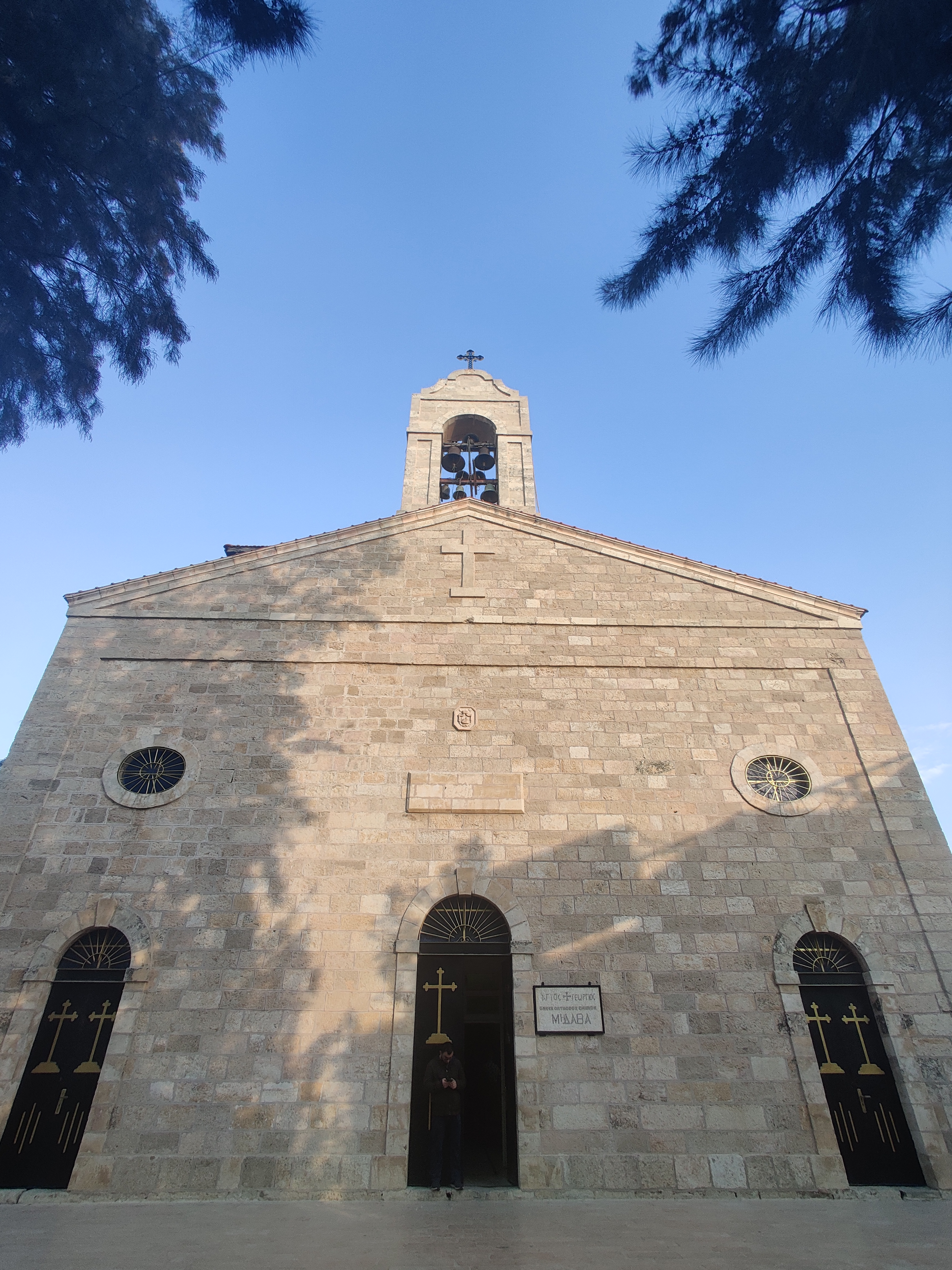
In the 19th century, amidst violence in Karak, around two thousand Christians sought refuge and a fresh start in ancient Madaba, where their ancestors had lived. Initially dwelling in caves, they soon began building over the old city. While laying foundations, they unearthed churches, homes, roads, and remarkable mosaics, remnants of the vibrant Byzantine town known in the Old Testament as Medeba. This area, dubbed ‘the City of Mosaics,’ still boasts some of the finest early Christian art in its vicinity.
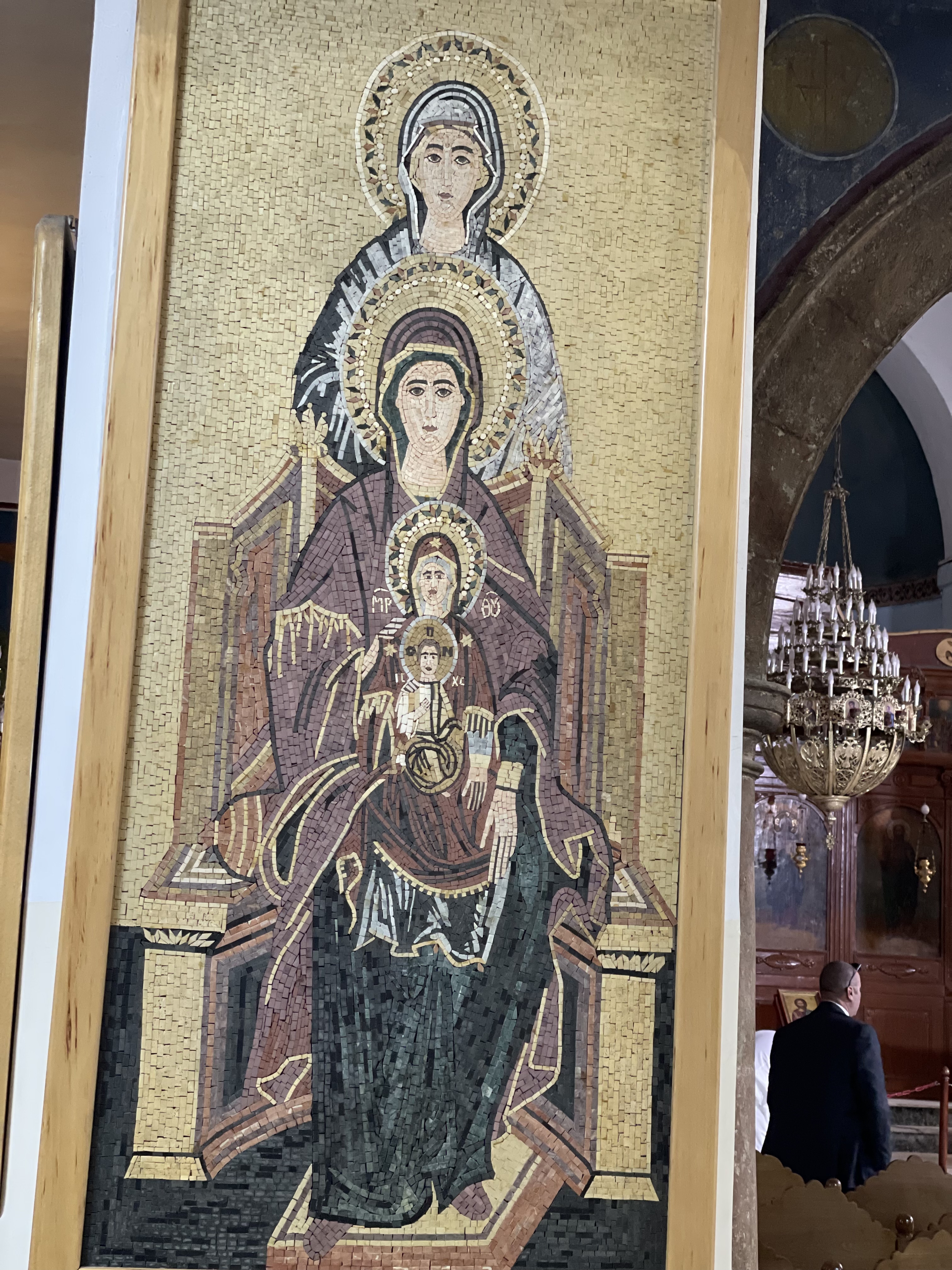
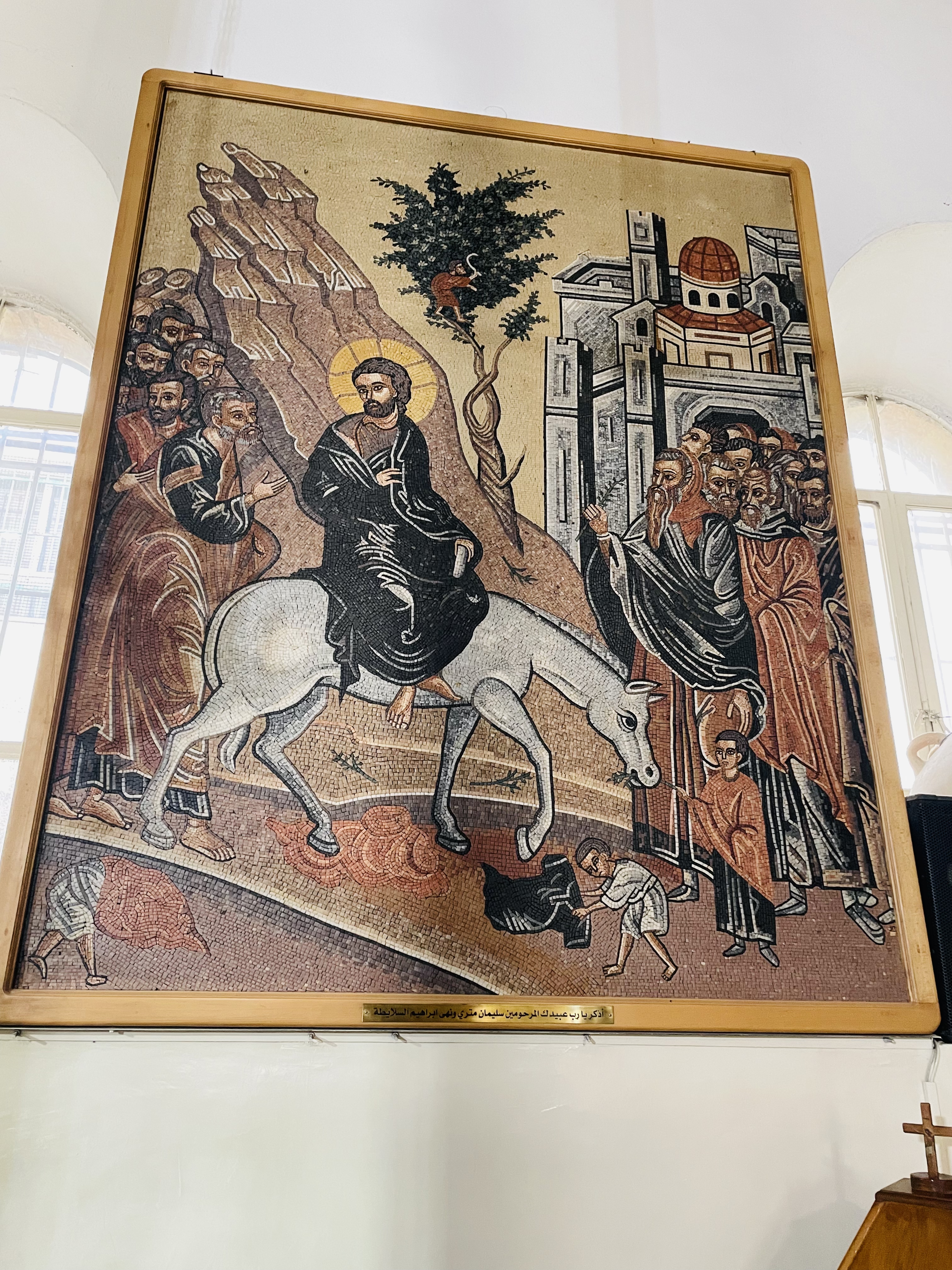
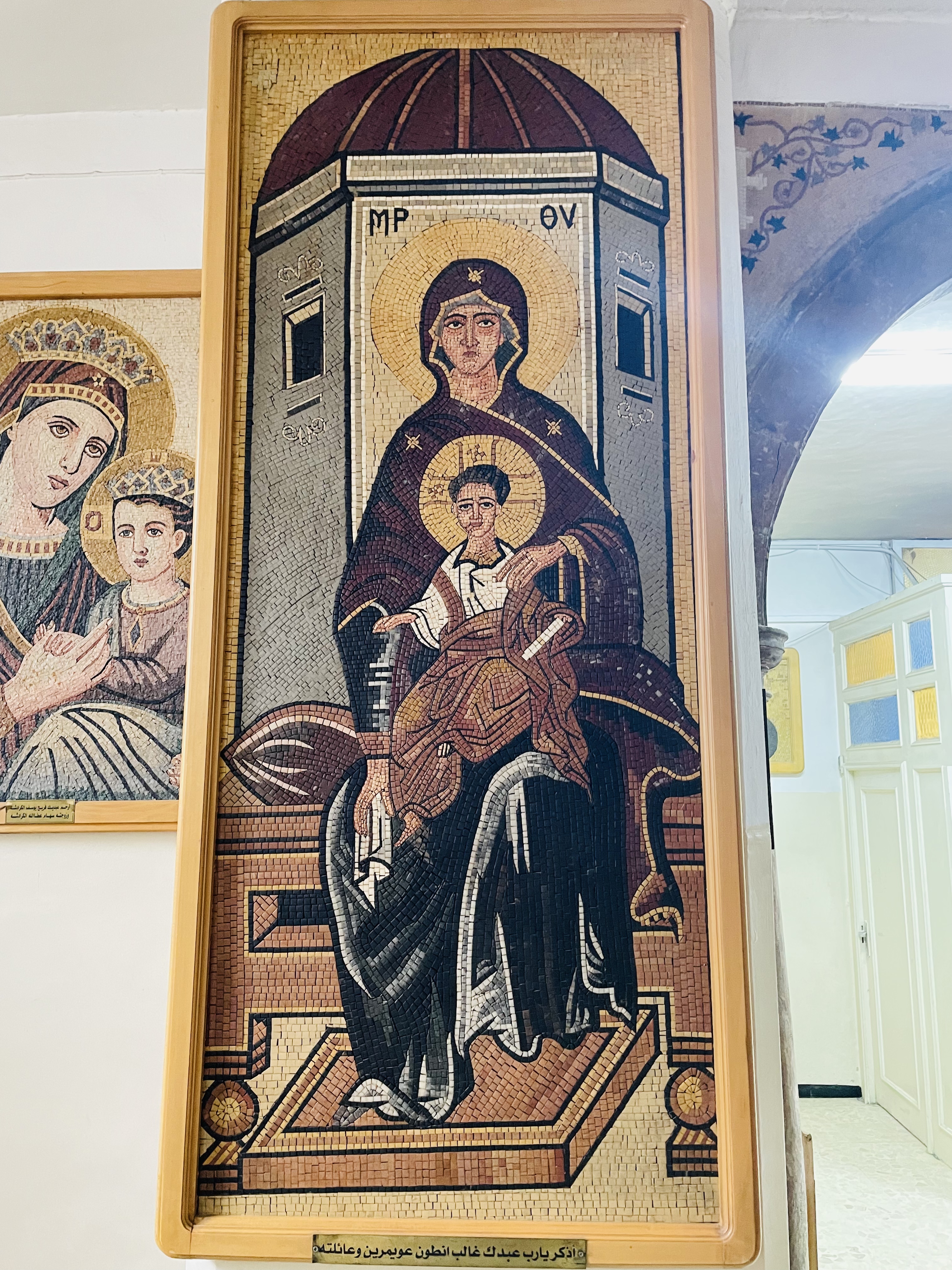
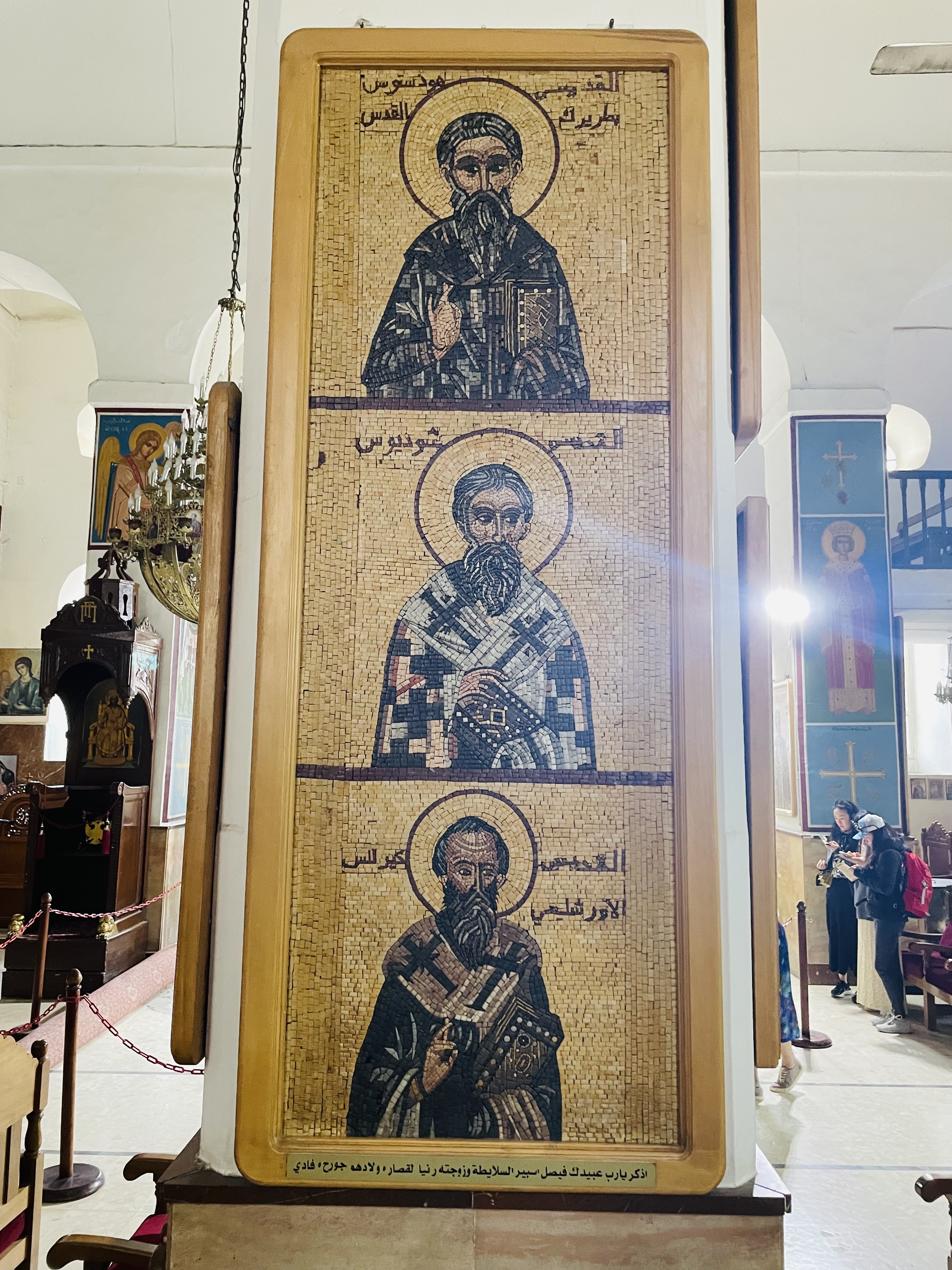
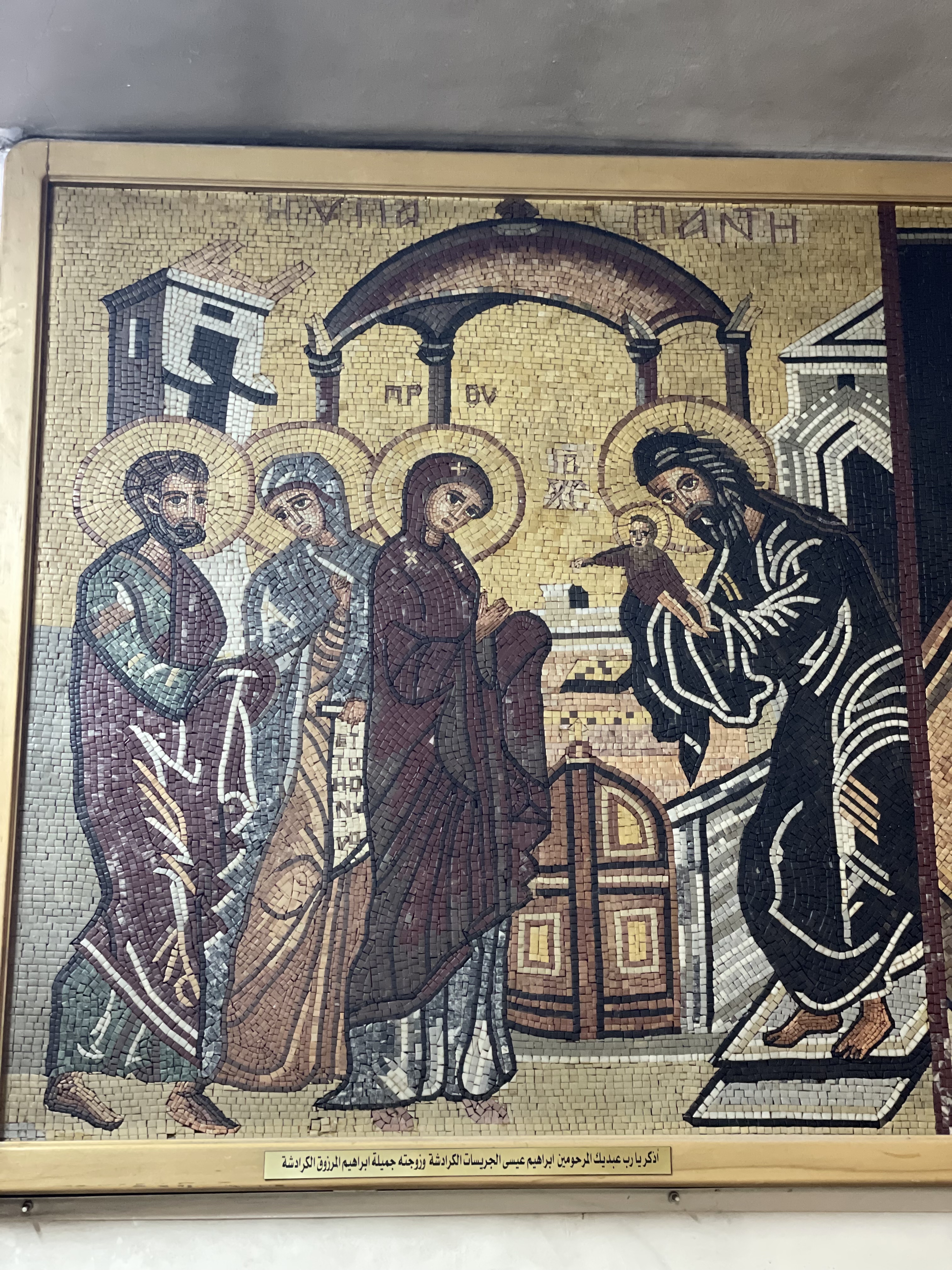
One of the incredible discovery that was made in 1884 was the discovery of the oldest Holy Land map in the world. The now-famous Madaba Map, however, is not found on a piece of paper but rather is part of an intricately designed mosaic floor, now part of the Church of St. George. It is considered as the earliest religious map of the Holy Land in any form to survive from antiquity. The mosaic panel enclosing the Map was originally around 15.6 X 6m, 94 sq.m., only about a quarter of which is preserved. The preserved portions of the map depict much of the biblical world with a great deal of accuracy. With the Jordan River and the Dead Sea in the center of the floor, the Holy Land map stretches from the area of modern Lebanon in the north to Egypt’s Nile Delta in the south, with the Mediterranean Sea as its western border and the Jordan desert as its eastern border.
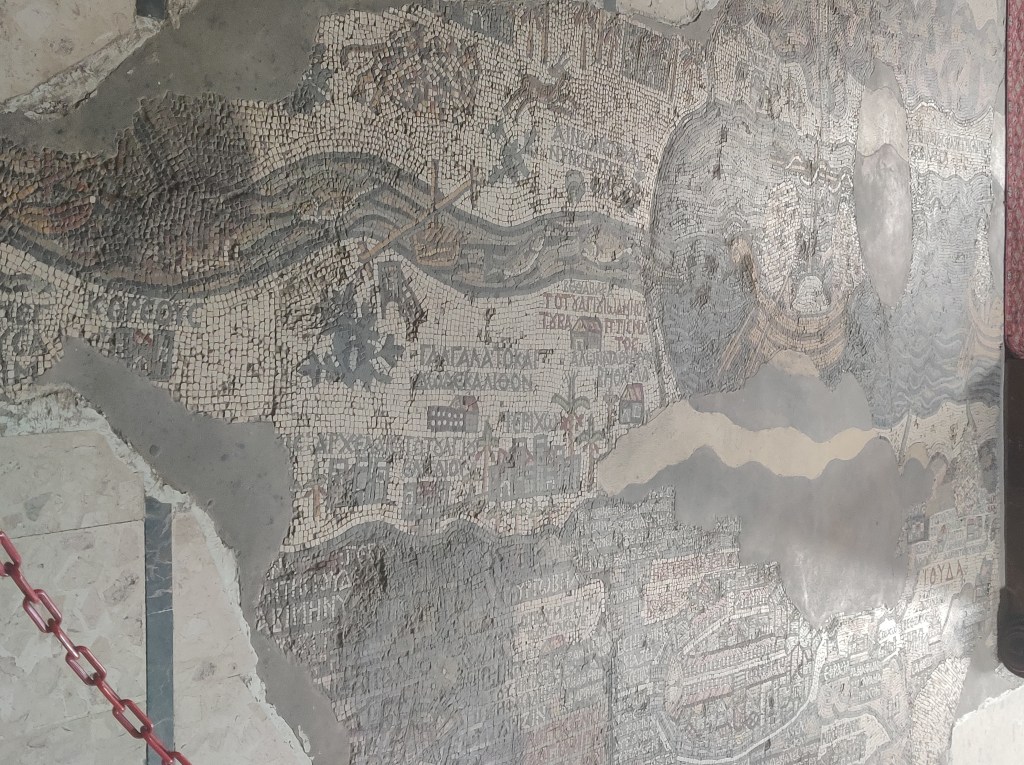
Using at least eight different colors, the Madaba Map portrays the cities, landscapes, flora, and fauna of the region. The map further includes more than 150 Greek inscriptions with place names, Bible verses, and quotations from other ancient works. Of special note is the map’s portrayal of the Byzantine city of Jerusalem, which appears larger on the map than any other city
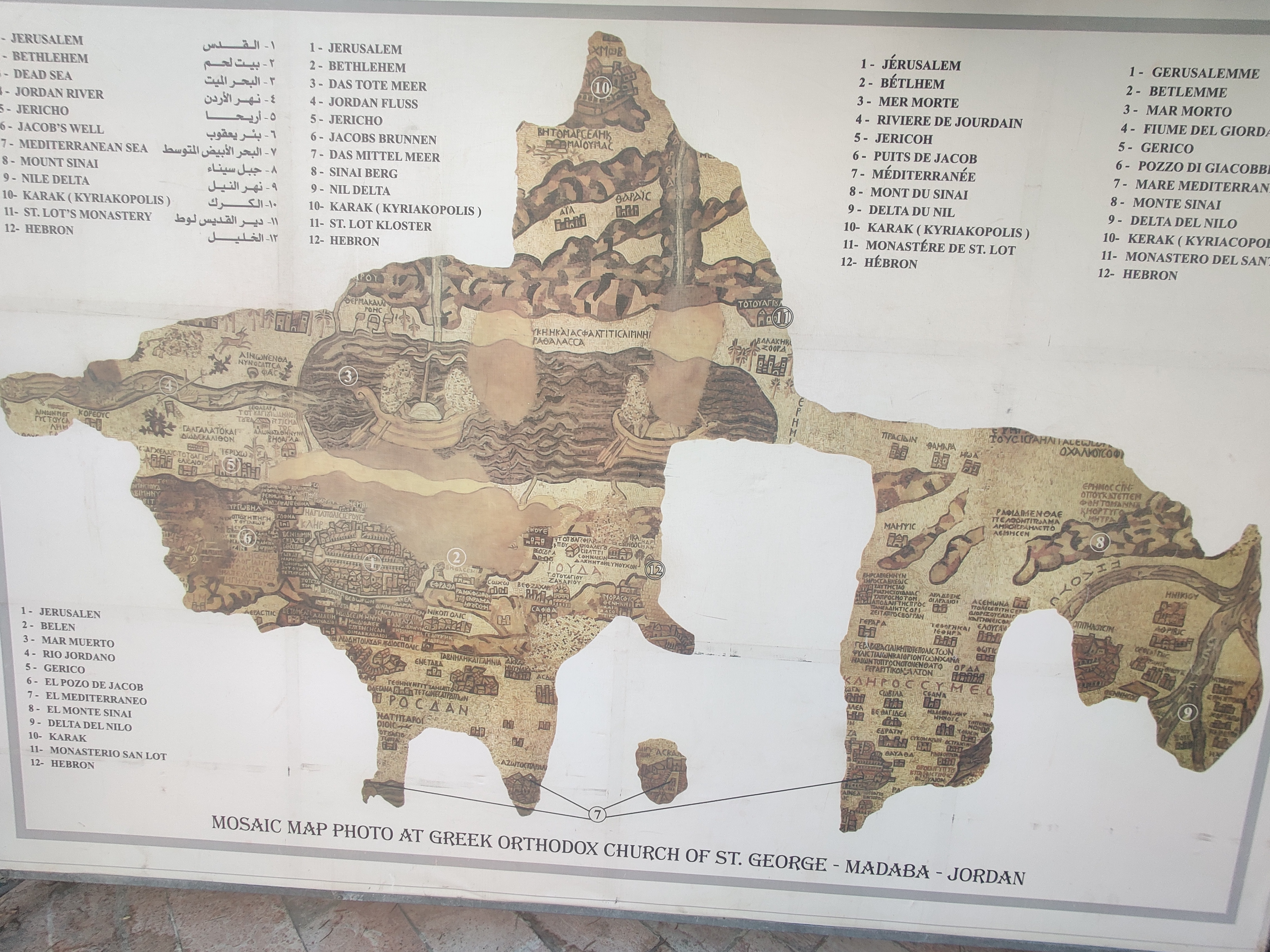
Some believe that the purpose of the map was to showcase the the salvation of God by placing Jerusalem at the center of the world, and the Church of the Holy Sepulchre at the center of Jerusalem. Other’s believe that this map was created to guide the pilgrims traveling through the Holy Land. Irrespective of the theories and conspiracies, Madaba proved to be an important step towards the next Biblical site.
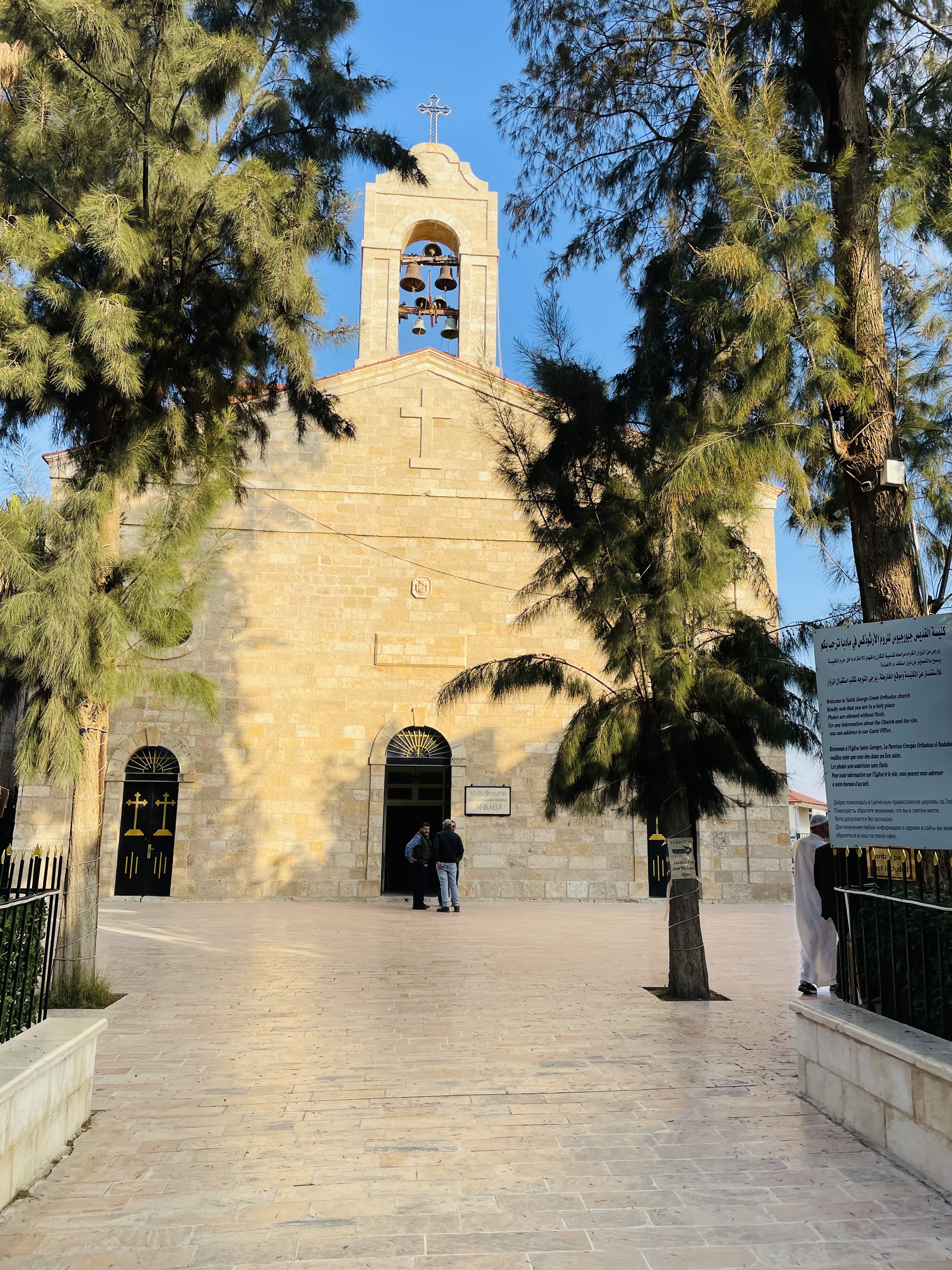
For other tourist attractions in Madaba, you can refer to this excellent guide here based on which I formed my itinerary.
bethany beyond jordan
Refuge, redemption and rebirth – all constant biblical themes are intricately connected to this sacred settlement. It’s easy to picture prophets and religious recluses leading devout lives along the banks of the river thousands of years before tourists from contemporary civilization began to swarm the area which is hundreds of meters below sea level and the surrounding landscapes are dry, barren, and ancient.
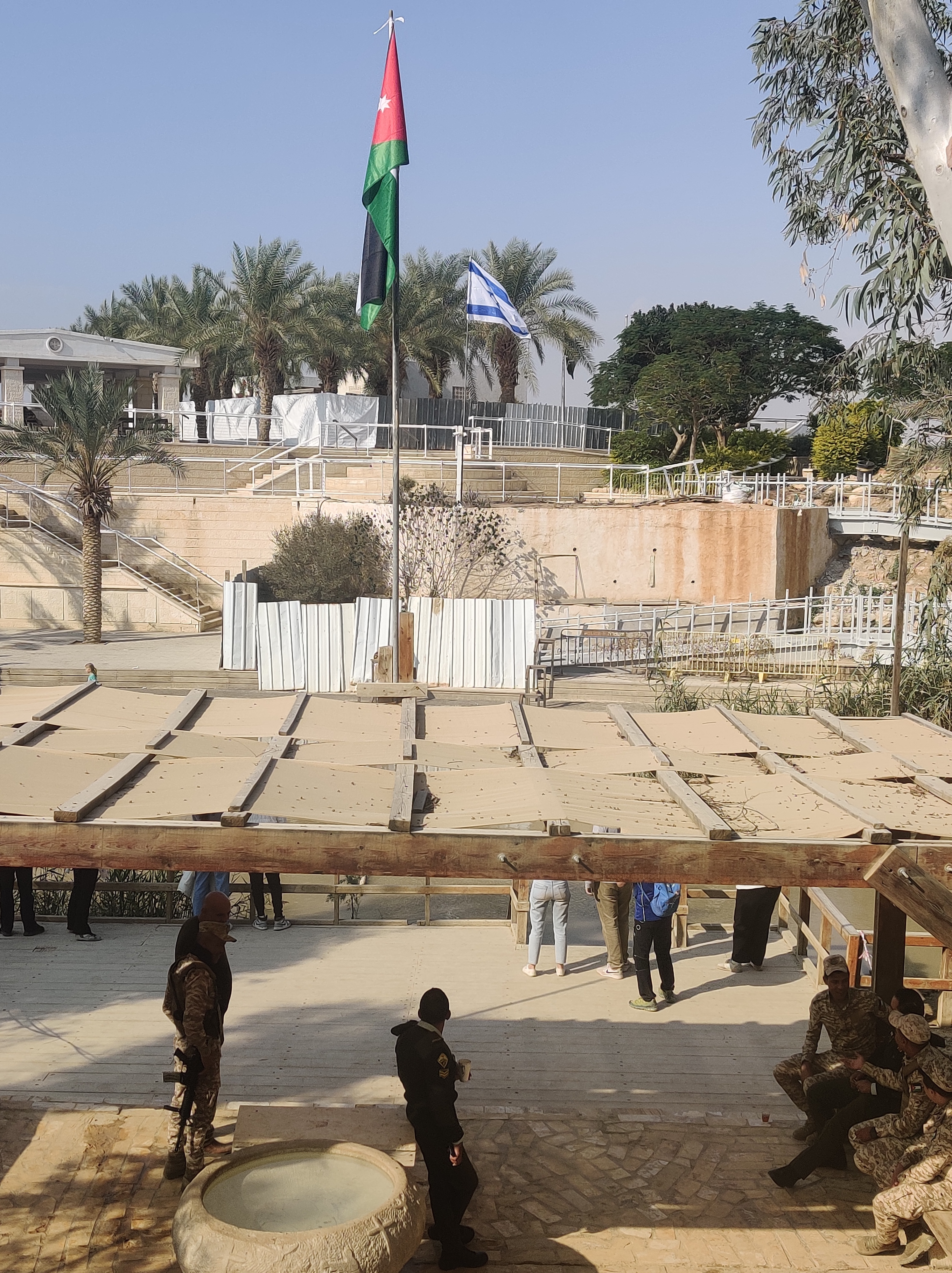
Jordan River basin is constantly referred to as the most securitized water region in the world, shared by Israel, Lebanon, Syria, Jordan, and the Palestinian Authority. Aside from being the most water-scarce region in the world, in the Middle East region, the Jordan River serves as a boundary as well as a starting point in national stories, symbolizing change as people face their adversaries. The international border can be viewed after reaching the Greek orthodox church.
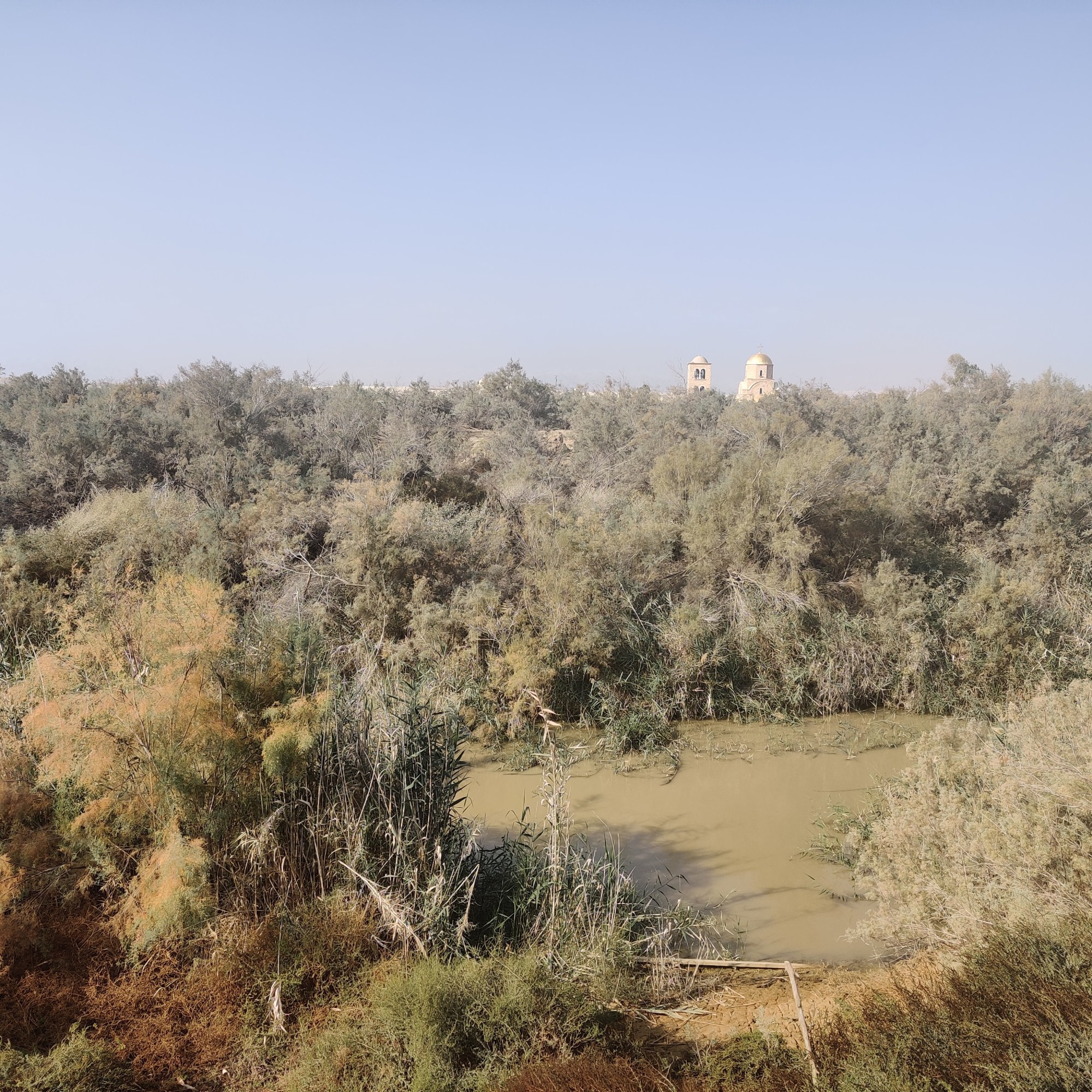
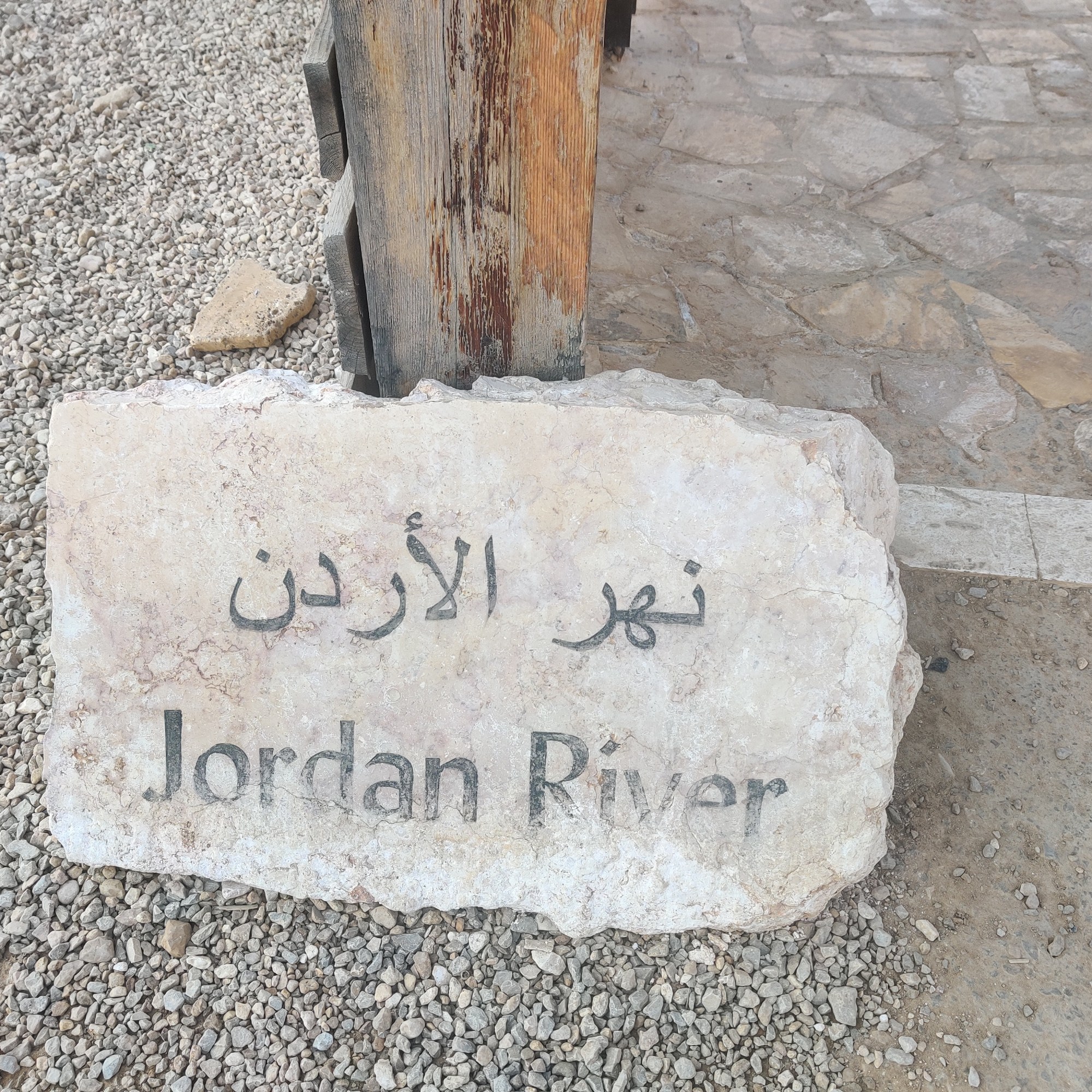
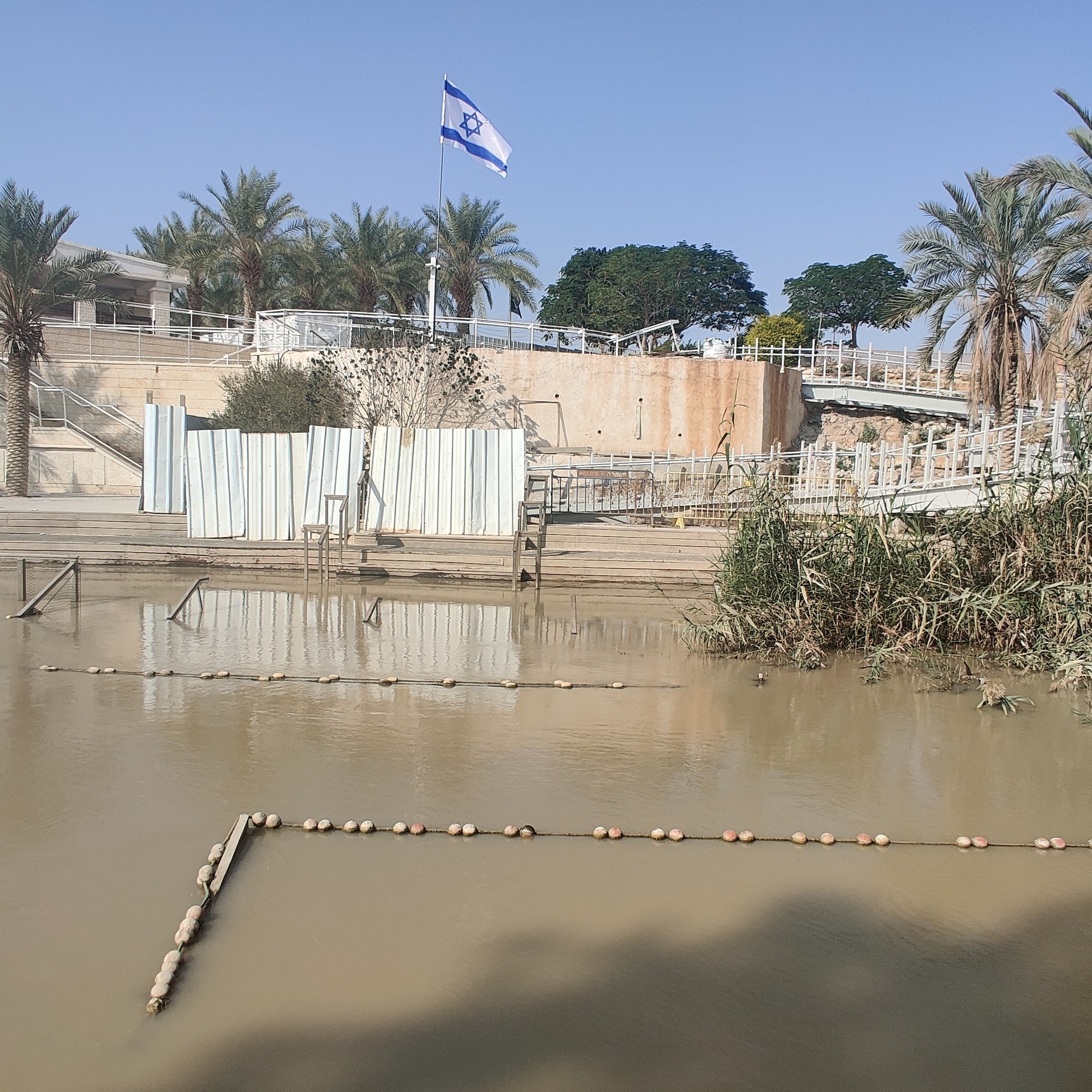
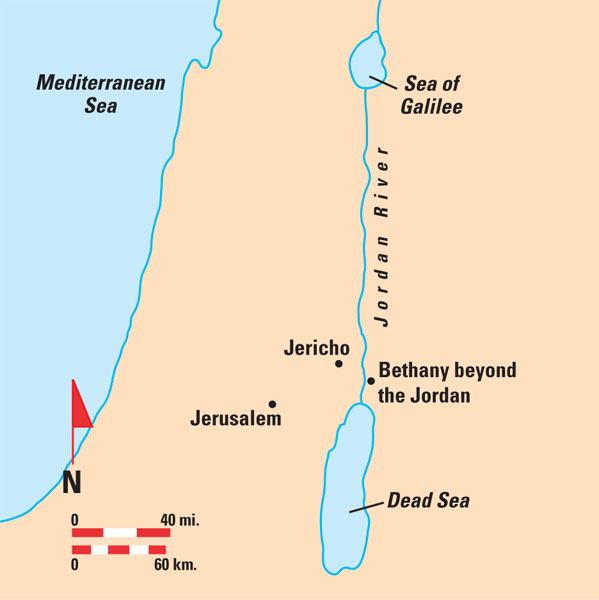
The Jordan River flows less than 10% of its historical average today, as shown by the deep, dry wrinkles in the sand that accentuate the dry conditions along the parched river’s edge. Because large quantities of water are taken from the sources of the Jordan by the countries of Israel and Jordan, the river today is a small, winding, dirty stream that makes its way to the Dead Sea. The river winds so much on its journey from the Sea of Galilee to the Dead Sea that the entire course runs about 130 miles (210 km) instead of the 60 miles (96 km) it would take if it ran straight.
Once home to thousands of landmines, the region has yielded a wealth of archeological findings. Numerous excavations conducted since Jordan and Israel signed a peace treaty in 1994 have uncovered the remains of churches, baptismal pools, water channels, and caverns, highlighting the region’s historical significance as a 4th-century CE pilgrimage center. The two separate places that make up the baptismal site are the region of the Saint John the Baptist churches along the river and Tell Al-Kharrar, often referred to as Jabal Mar-Elias, or Elijah’s Hill. Tell al-Kharrar is believed to be the very spot where Elijah ascended to heaven in a whirlwind on a chariot of fire and Elisha received the Prophecy (2 Kings, Chapter 2), and where John lived and started his ministry coming in the spirit and strength of Elijah (Luke 1:17).
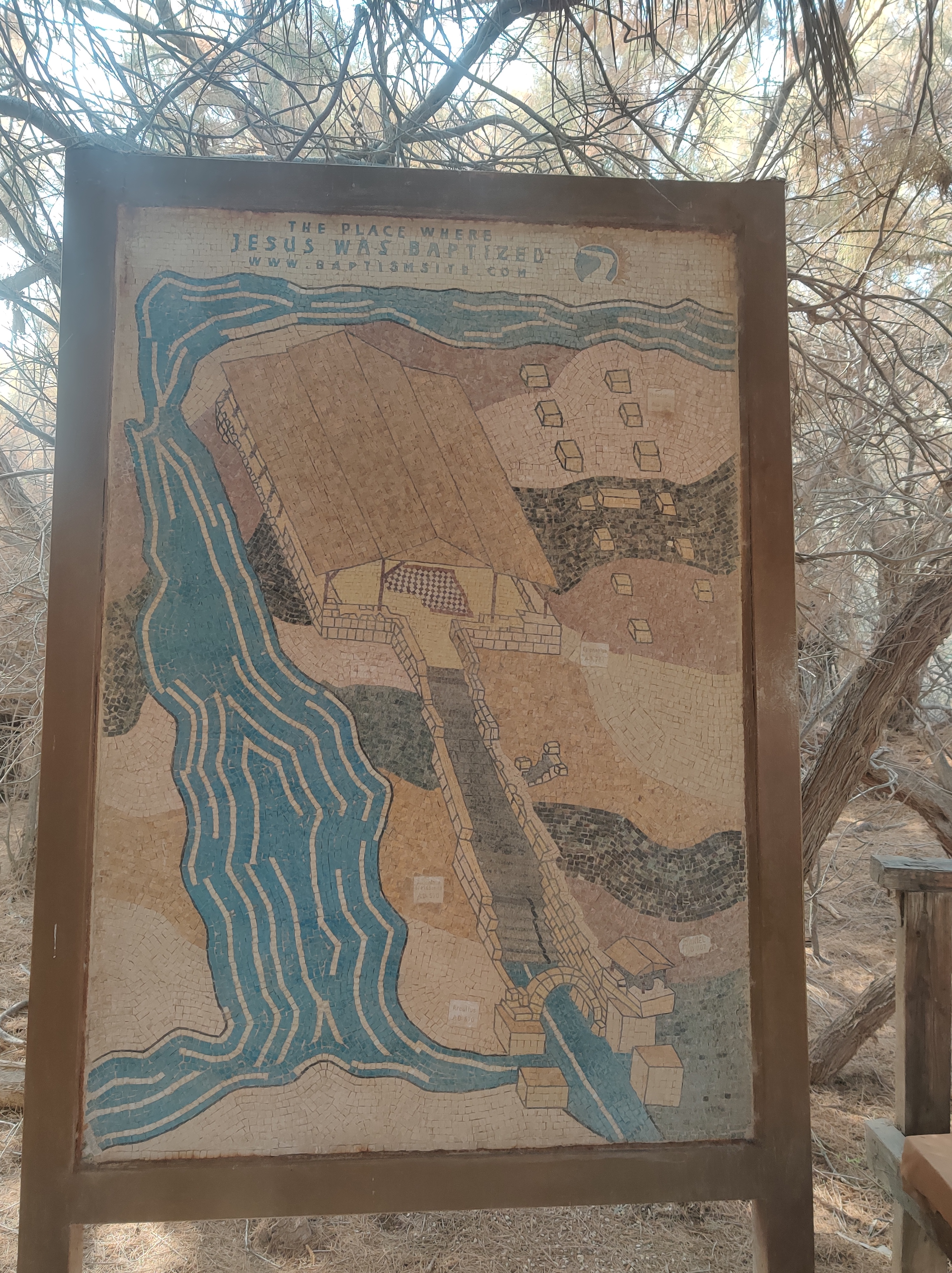
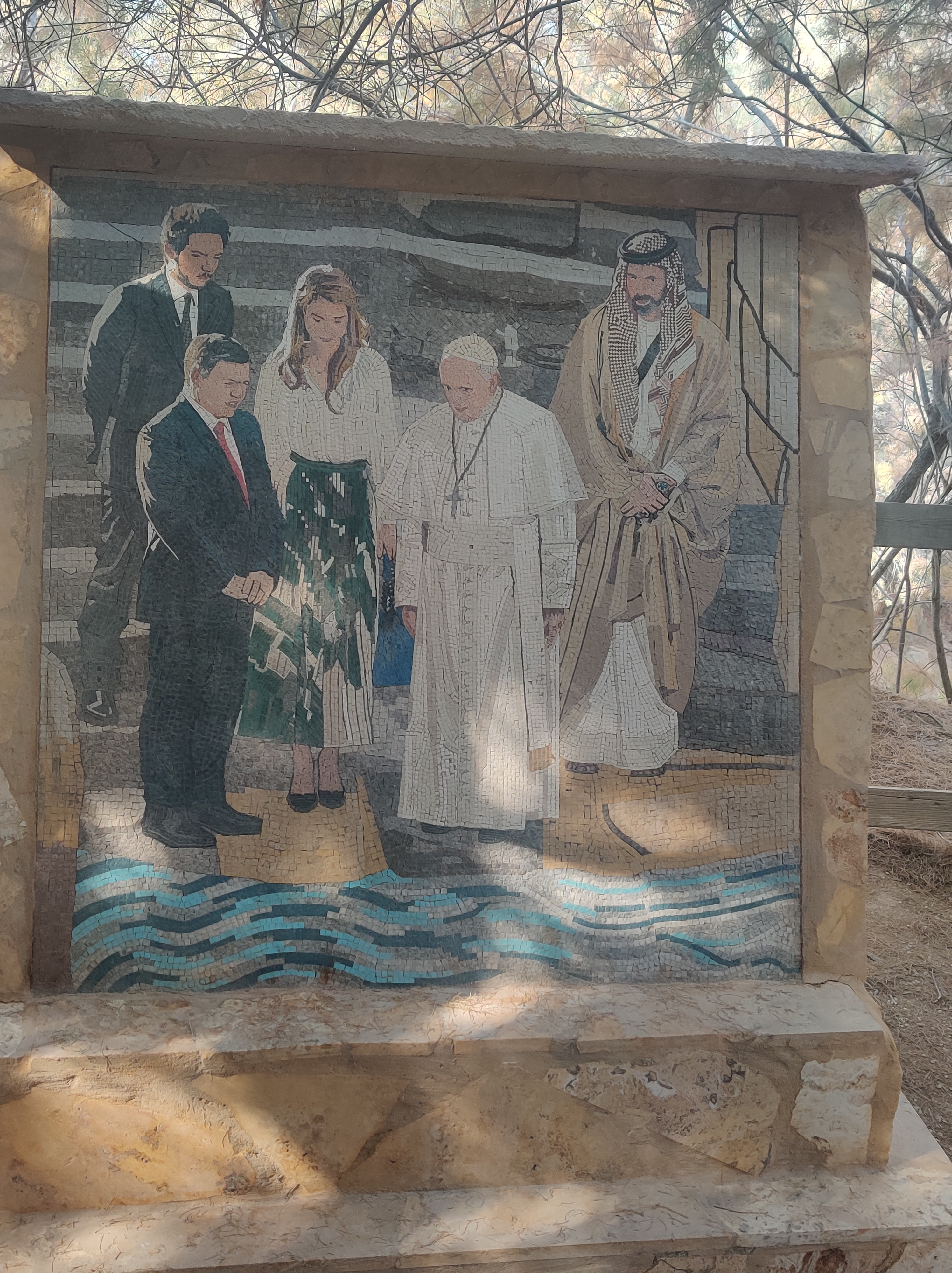
Similar to pilgrims’ and historian accounts that often adds colors to narrative, the location of John the Baptist’s settlement at Bethany beyond the Jordan, opposite Jericho, has been known through many names. From the time of Jesus until the 6th Century AD, the area and its settlements were known as Bethabara / Bethany beyond the Jordan (John. 1:28 & John. 10:40). Today, the area’s Arabic name is al-Maghtas – the Place of Baptism. So what happened in this place of Baptism? It’s the place where Jesus was baptized by John and later ministered with His disciples (John. 10:40-42).
“Then Jesus went back across the Jordan to the place where John had been baptizing in the early days. Here he stayed and many people came to him. They said, ‘Though John never performed a miraculous sign, all that John said about this man was true.’ And in that place many believed in Jesus.”
John 10:40-42
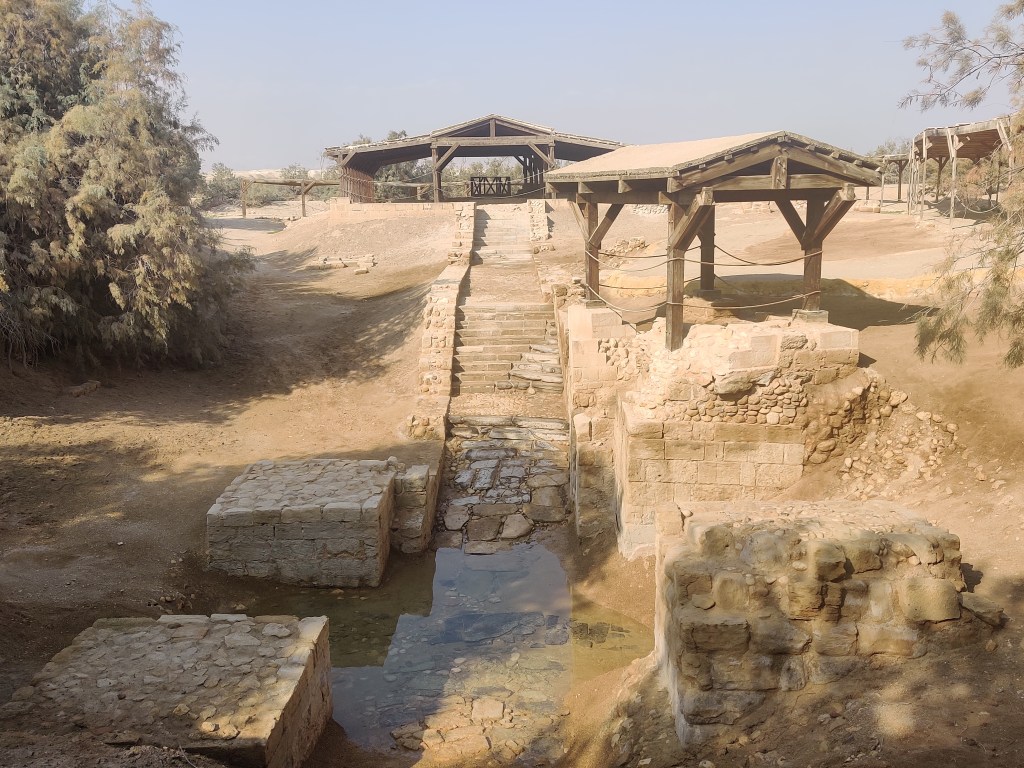
Physical relics that resonated with the historic baptism event include pools and a water collection system, along with churches, chapels, a monastery, hermit caves, and a pilgrim station that were constructed later.
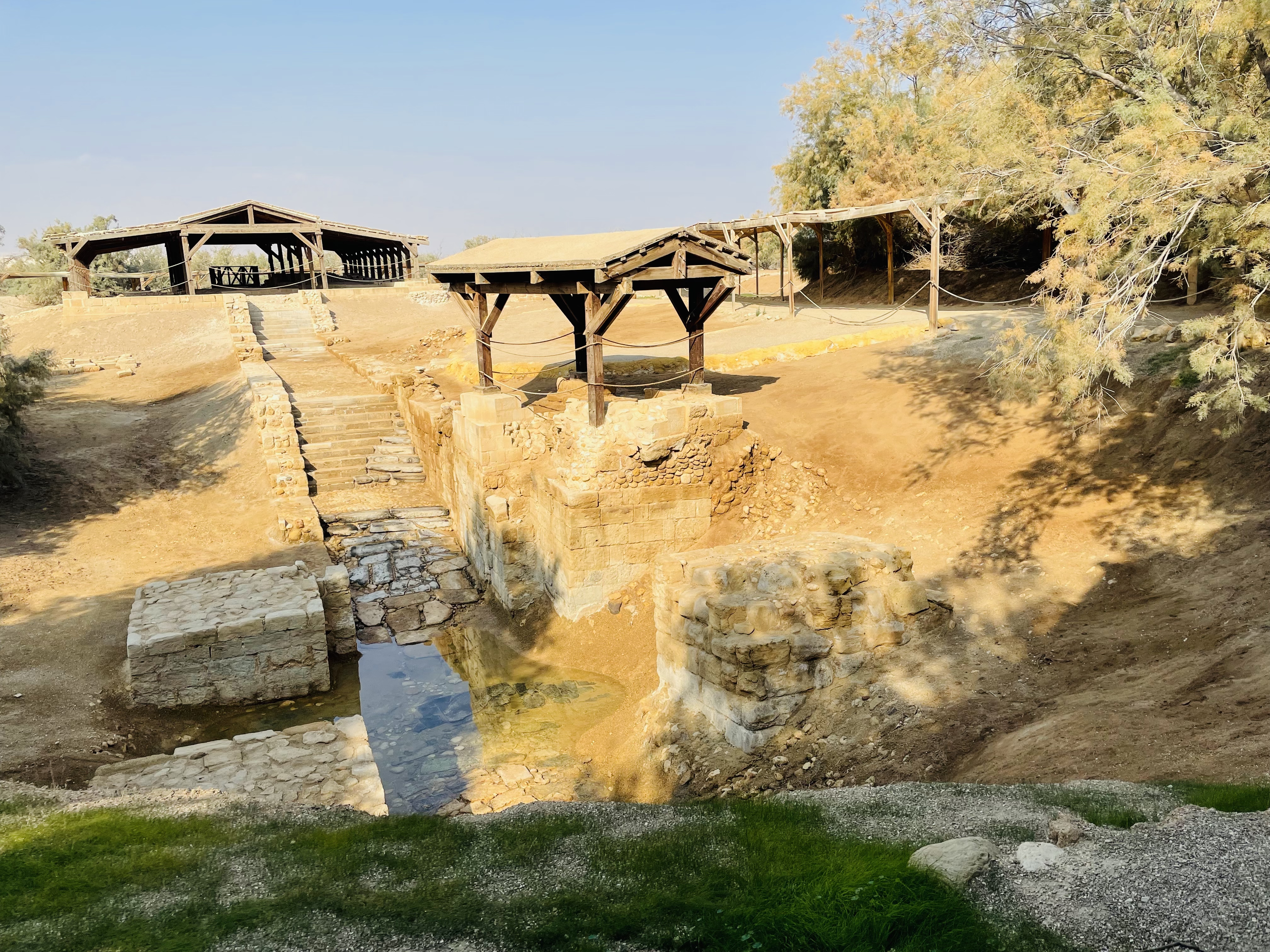
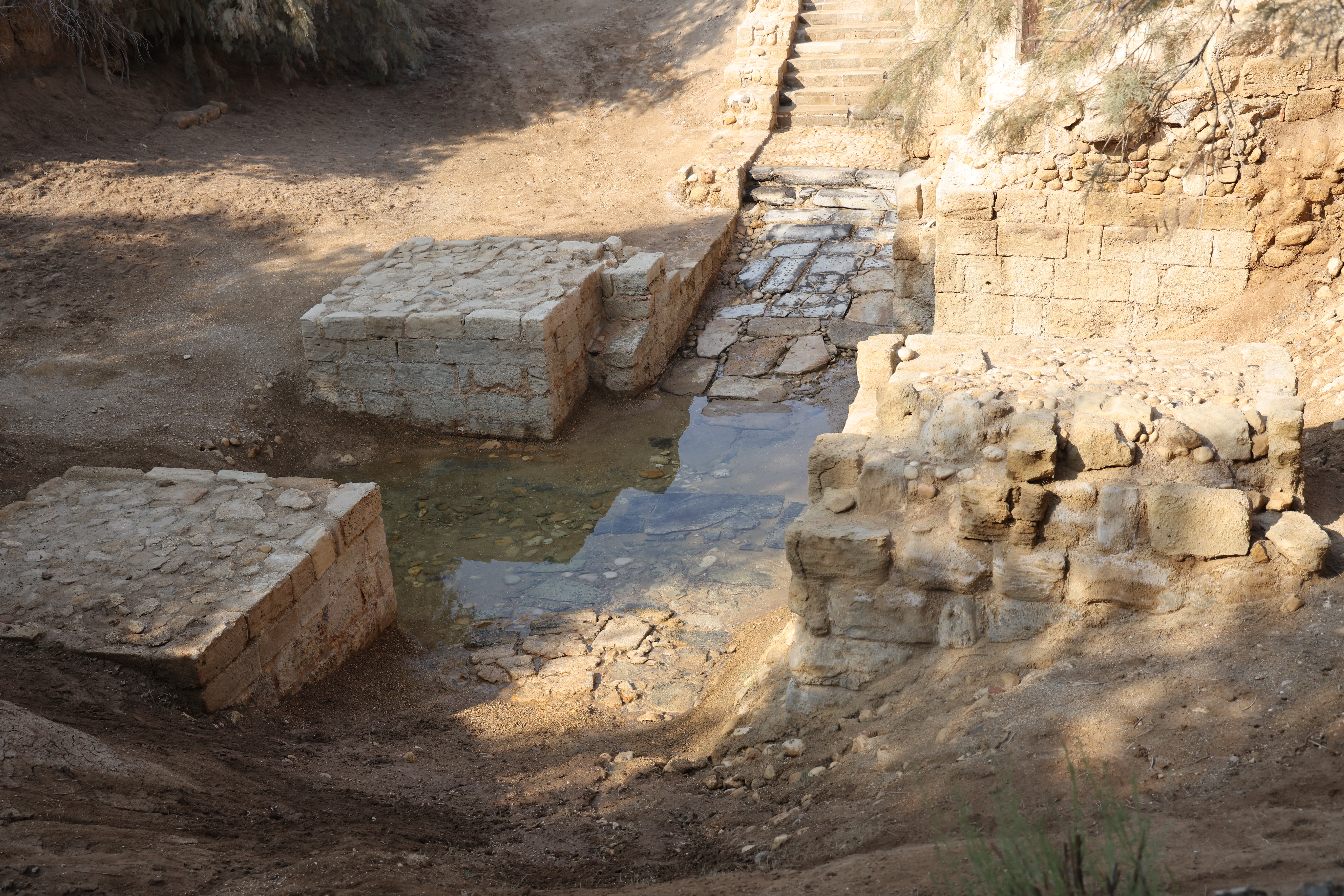

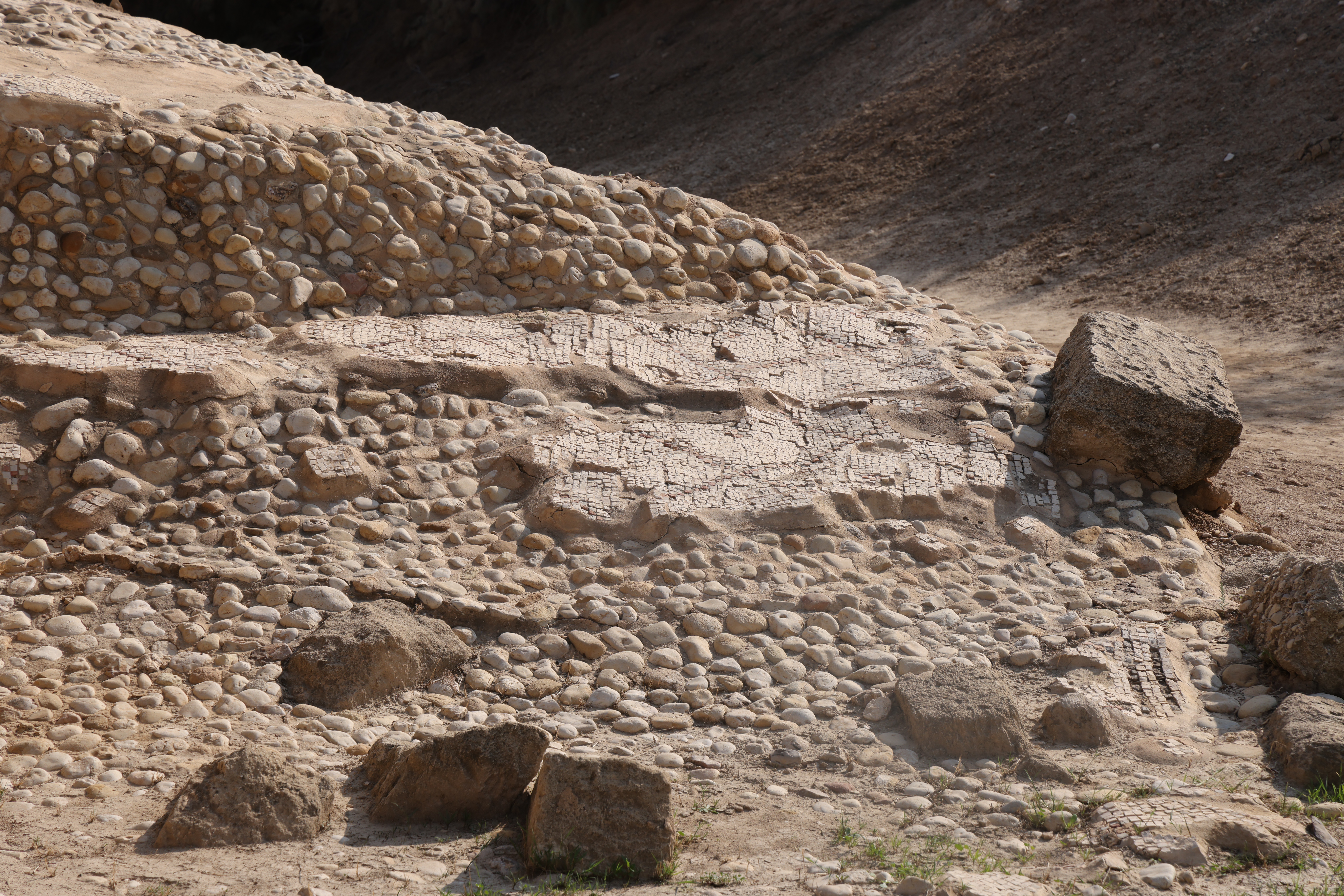
“And people from the whole Judean countryside and all the people of Jerusalem were going out to him, and were baptized by him in the river Jordan, confessing their sins”.
Mark 1:5; cf. Matt 3:5
My first encounter with John the Baptist was rather unexpected — through a painting I had seen in Lourve. Little did I know that this biblical account of a head on a platter would later become the inspiration for countless memes mocking the men of today. During a recent visit to Munich Residenz, I had the chance to delved deeper into the account of Saint John. It turns out that Duke Wilhelm V, with the Pope’s blessing, began collecting human relics as early as 1557. Among the most famous of these relics is a lavishly adorned skull believed to be that of John the Baptist. Interestingly, this isn’t the only supposed relic of the Christian prophet; three other heads are said to exist in Amiens Cathedral (France), San Silvestro Church (Rome), and the Umayyad Mosque (Syria).
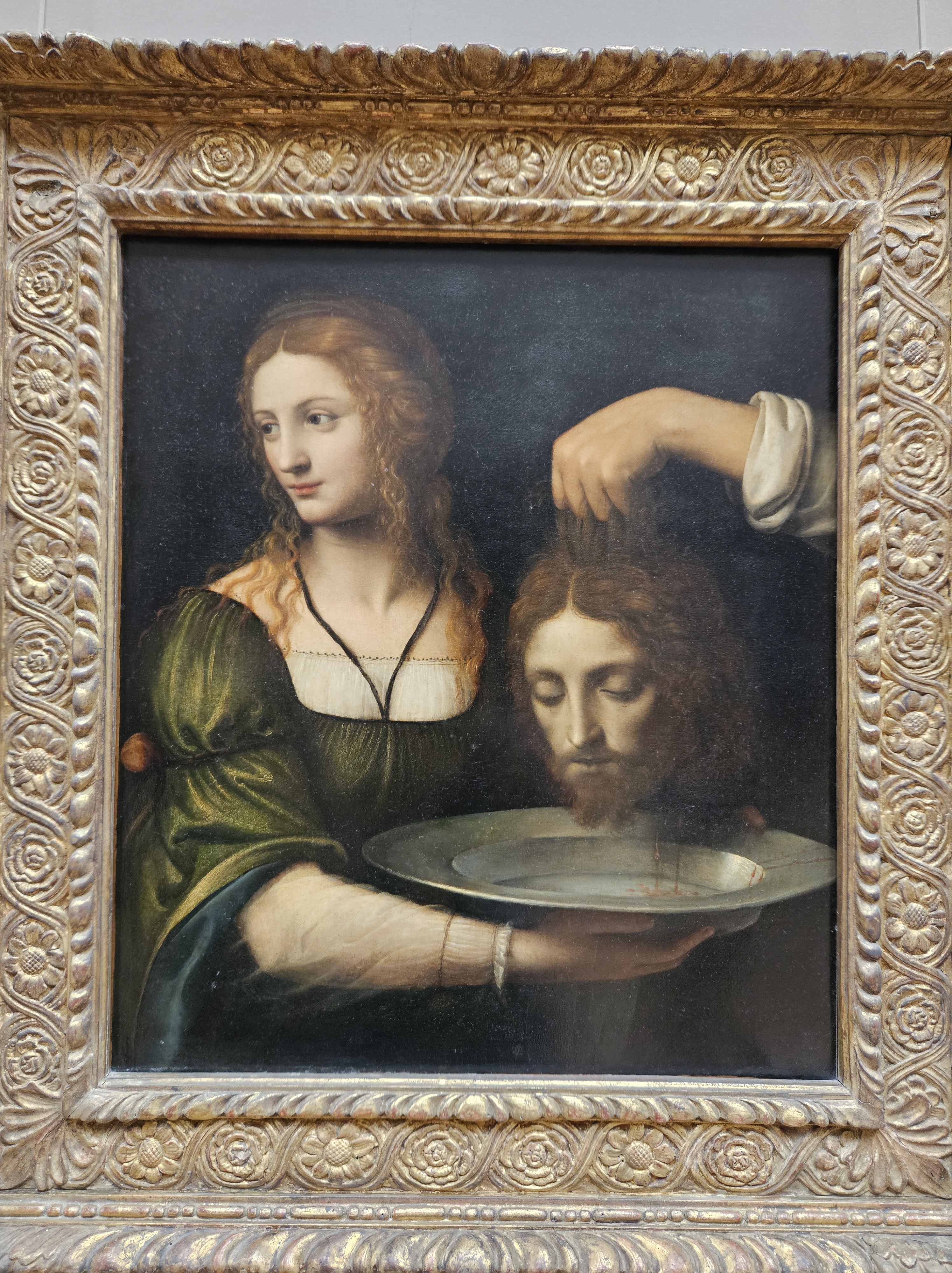
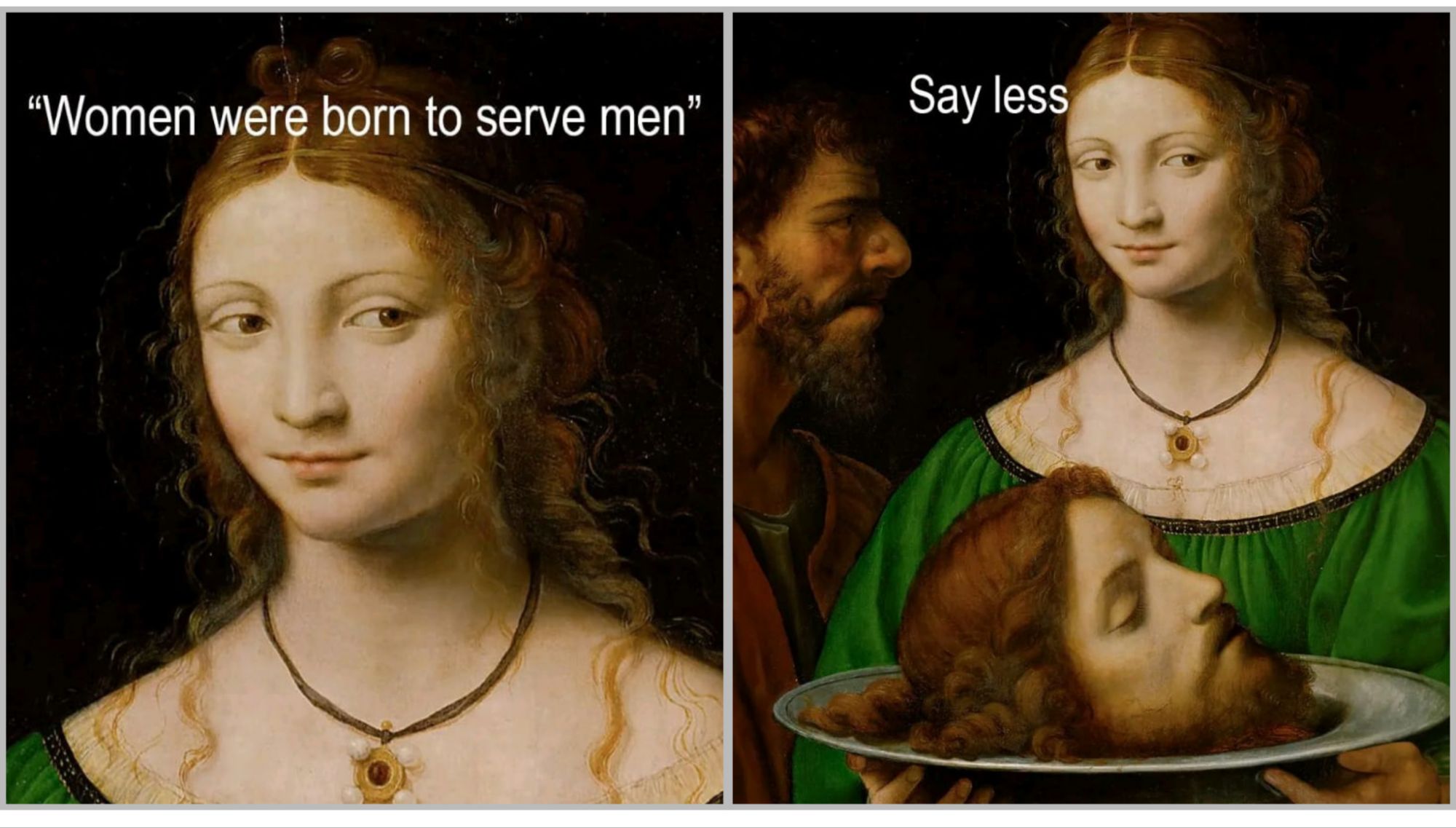
However, it wasn’t until I embarked on a pilgrimage through Jordan that the true significance of this biblical moment truly dawned on me. I realized that while research can be enlightening, its scope is limited without a deep understanding of the biblical texts and their variations across the gospels.
Jesus Himself said these words of John, “Truly I tell you, among those born of women there has not risen anyone greater than John the Baptist; yet whoever is least in the kingdom of heaven is greater than he” (Matthew 11:11).
Apart from Jesus Christ, John the Baptist is probably the most theologically significant figure in the Gospels. And yet, despite the notoriety, one of the most influential men in all of history, lived in a desert, ate locusts and wild honey, wore clothes from camel’s hair with a leather belt, and lived for one purpose alone – to point others to Jesus Christ. Prophets of old, Isaiah and Malachi both spoke of his coming. For 400 years there had been silence, between the Old and New Testaments, and then John came to prepare the way of the Lord.
“And you my child, will be called a prophet of the Most High, for you will go on before the Lord to prepare the way for him, to give his people the knowledge of salvation through the forgiveness of their sins…” (Luke 1:76-77)
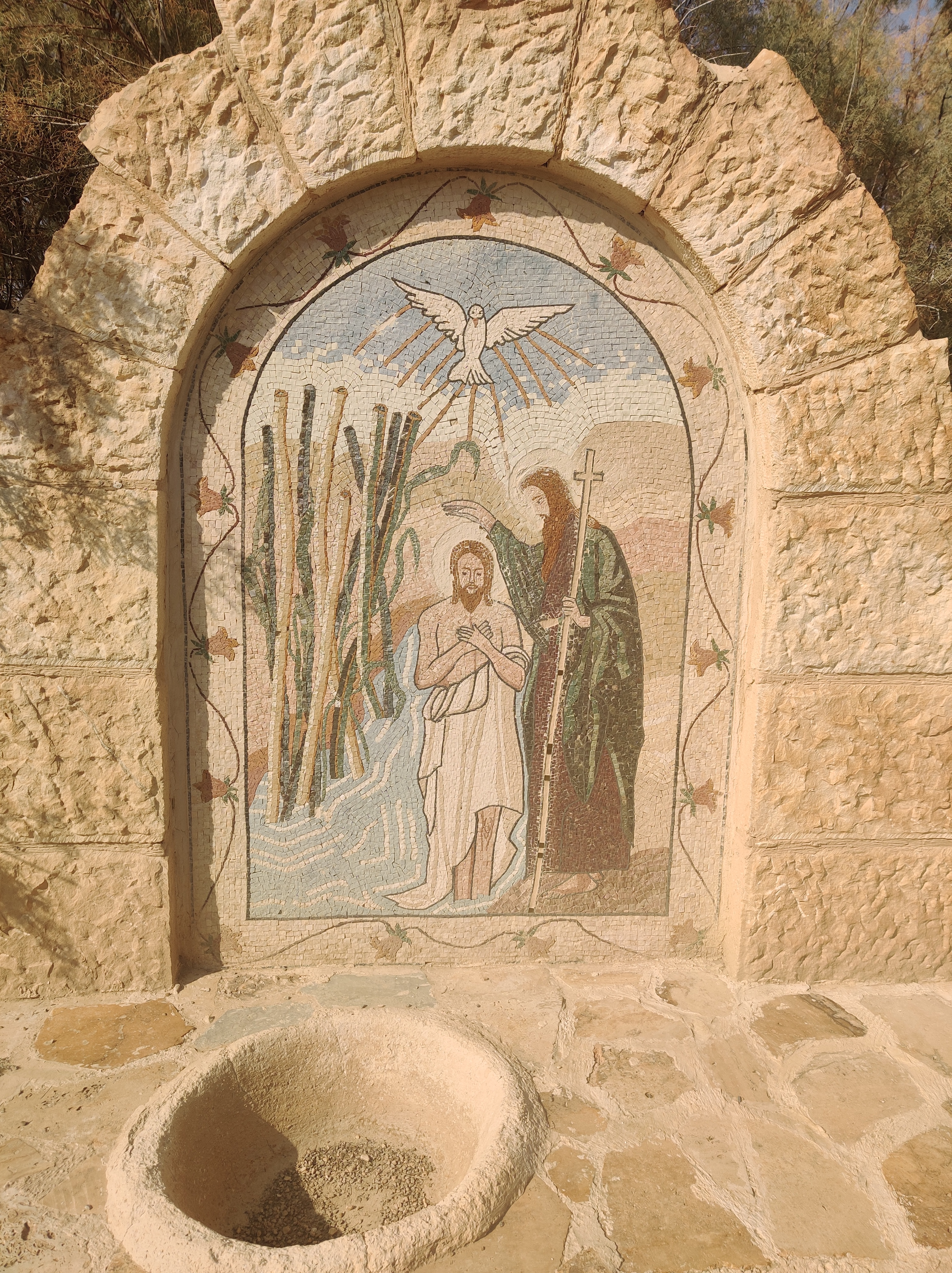
“I baptize with water,’ John replied, ‘but among you stands one you do not know. He is the one who comes after me, the thongs of whose sandals I am not worthy to untie.’ This all happened at Bethany on the other side of the Jordan, where John was baptizing.”
John 1:26-28
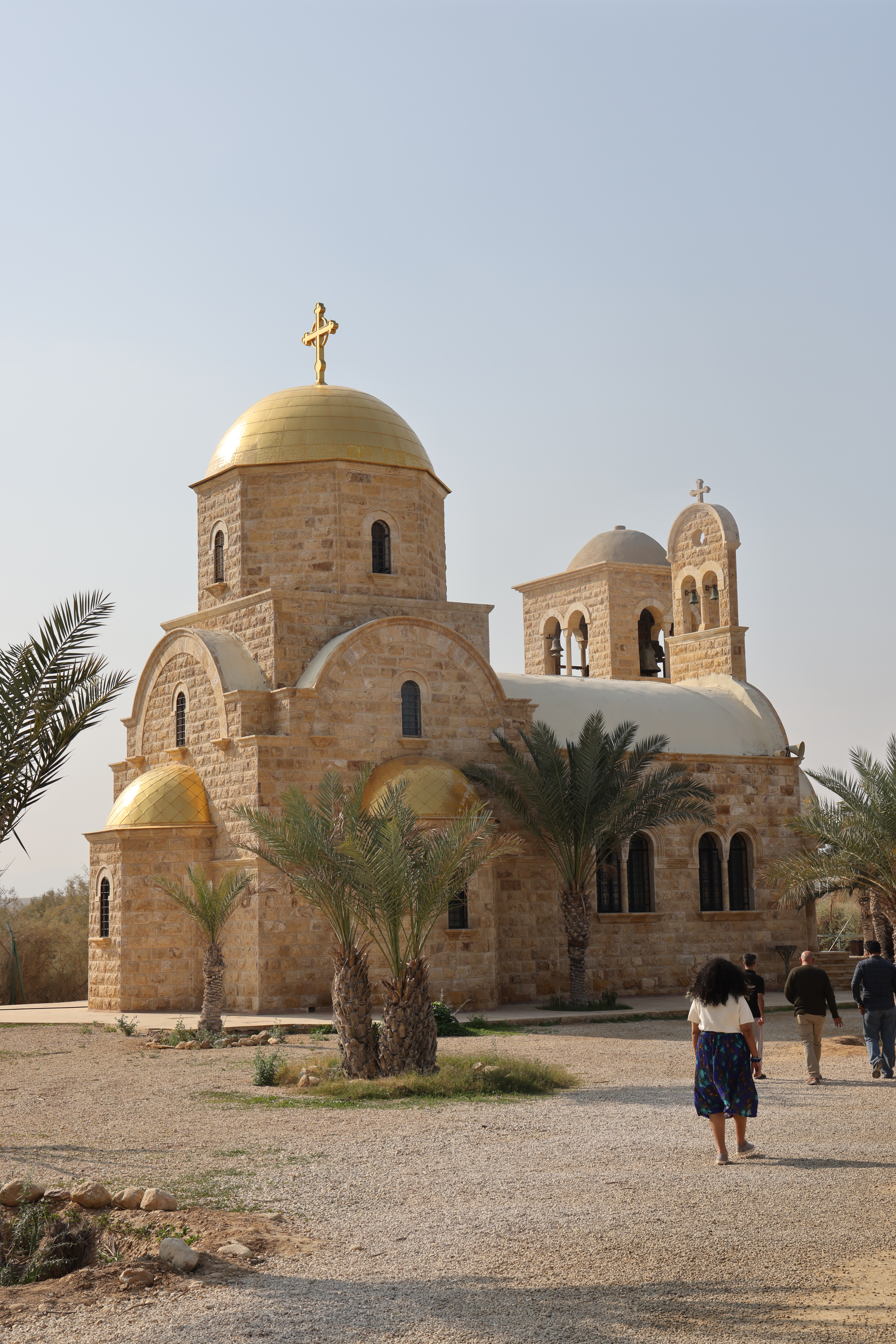
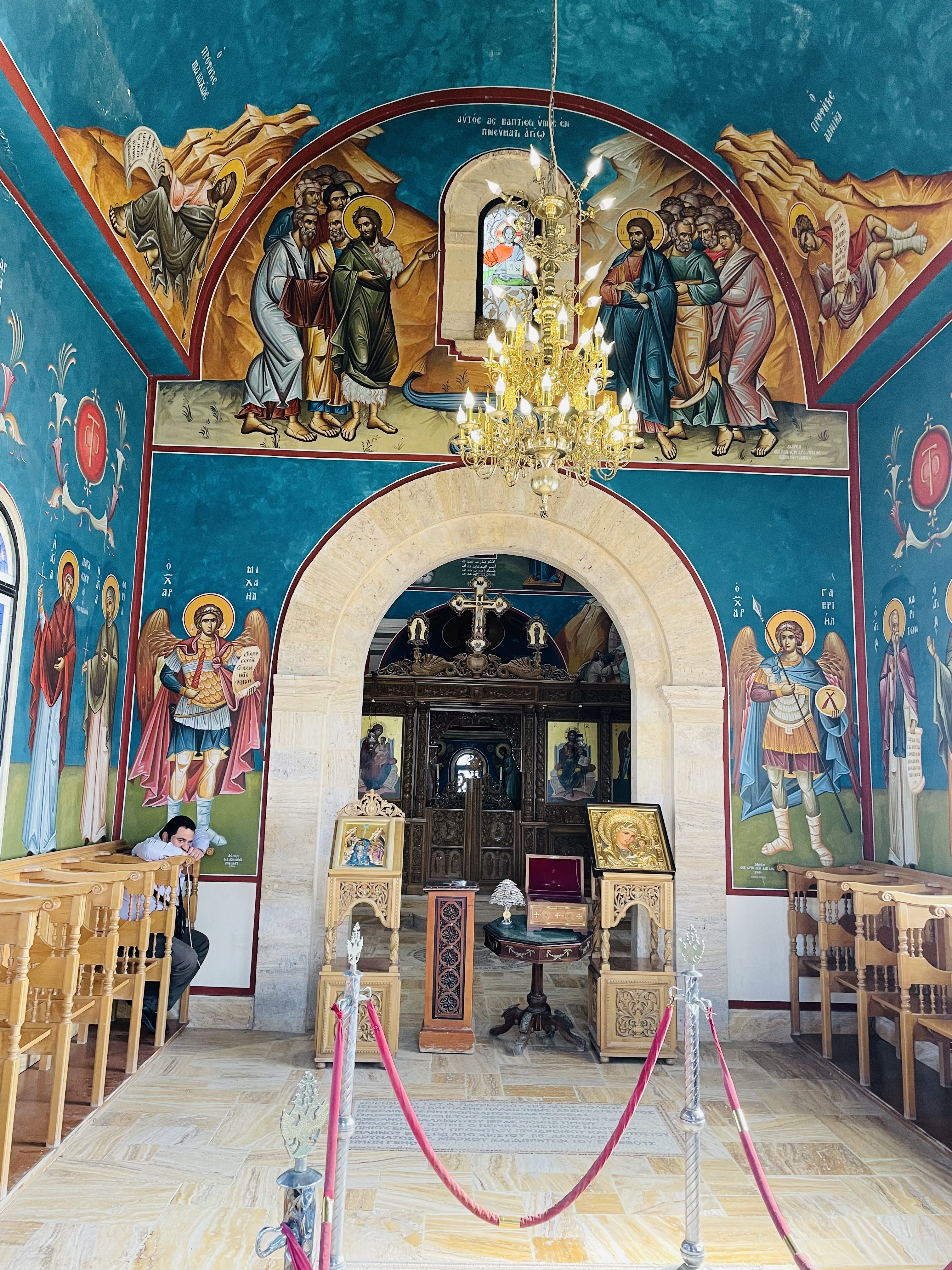
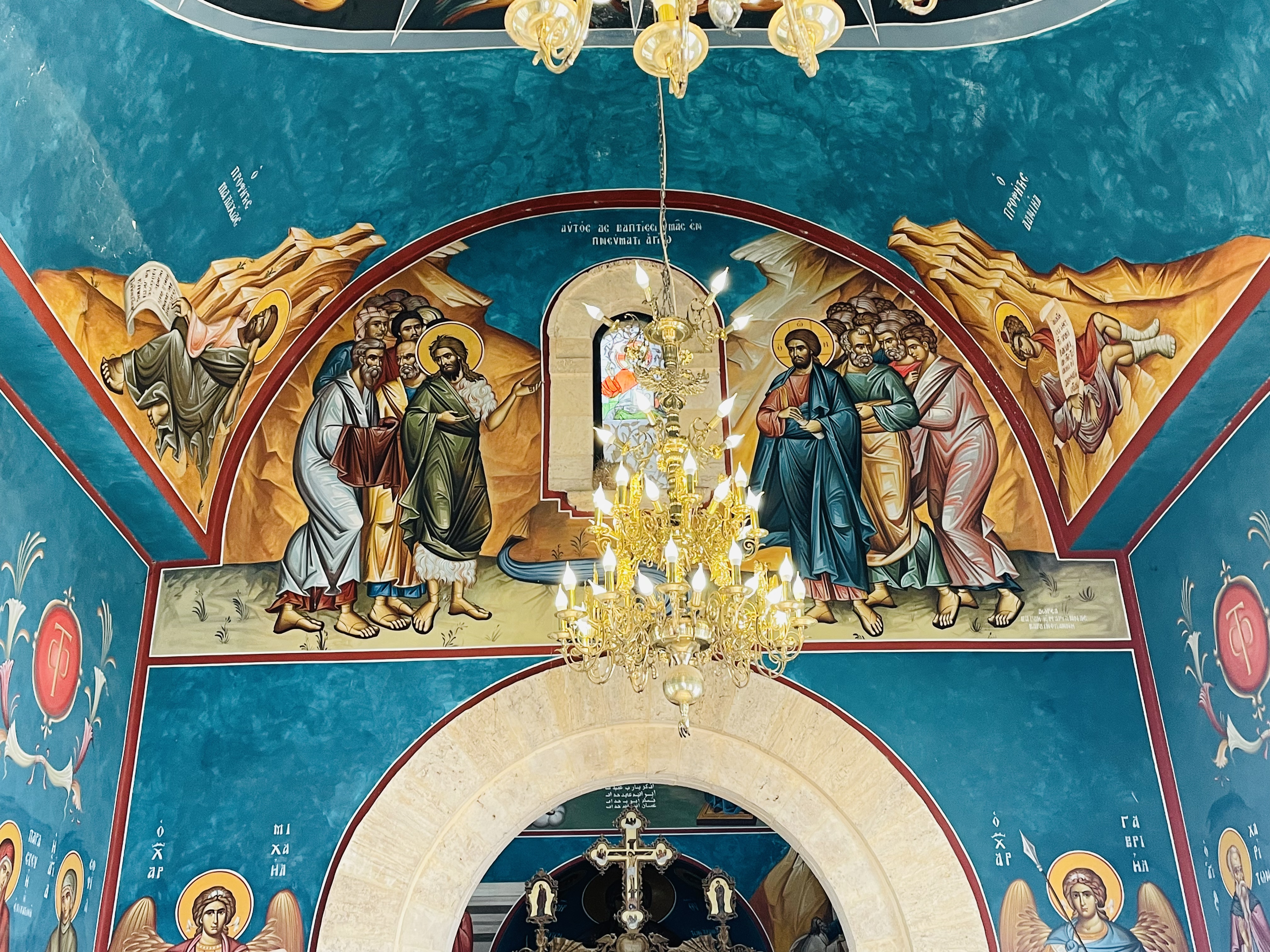
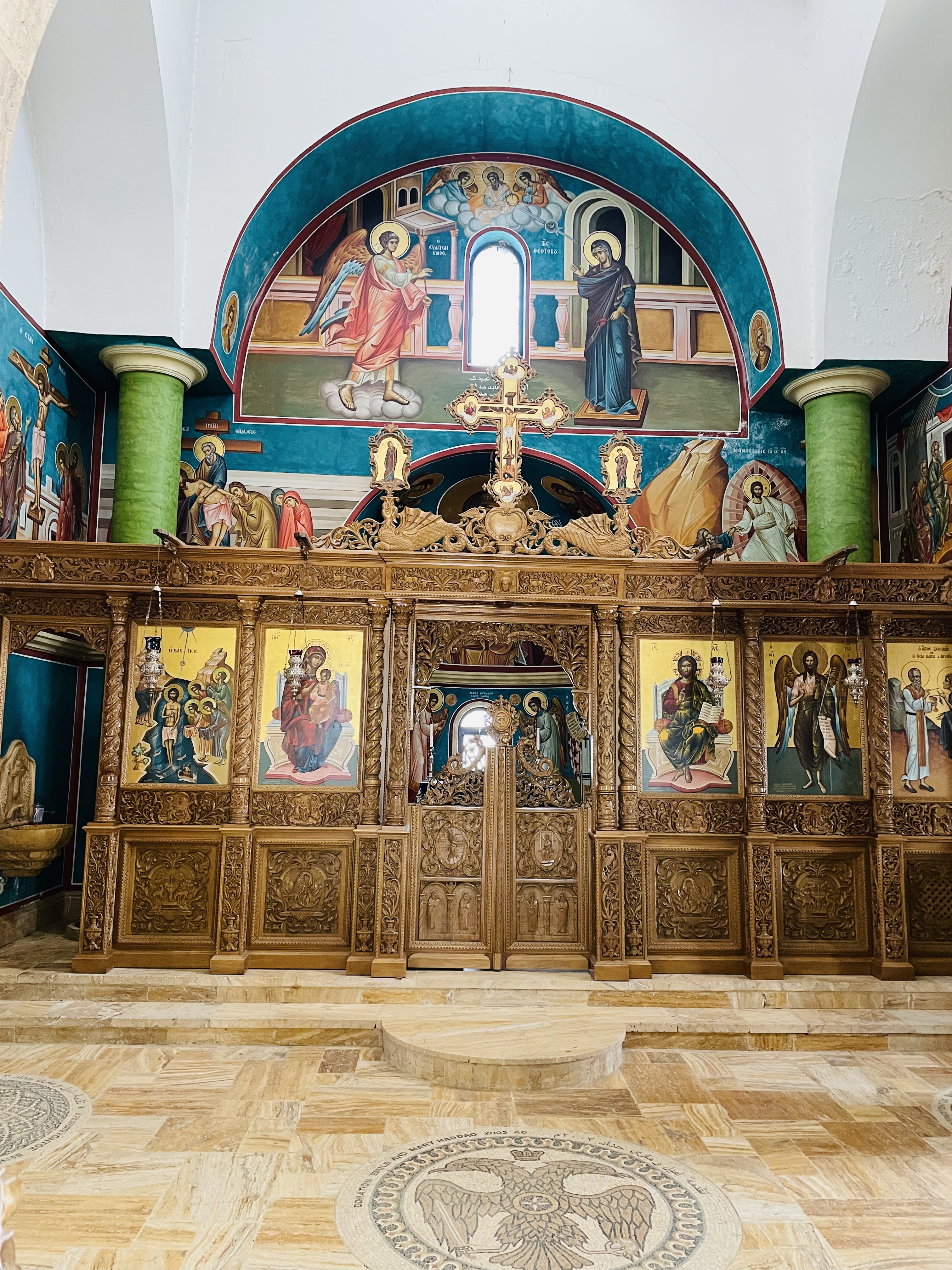
Located 10 minutes away from the baptismal site is the official St. John the Baptist Church with an interior that is captivating (that too in my favorite color background).


The Promised Land from Mount Nebo
After 40 years leading the headstrong Israelites in the desert, Moses stood on the windswept summit of Mount Nebo and viewed the Promised Land, encompassing present-day Israel, Palestine and Lebanon, plus parts of Jordan, Syria and Egypt. Moses died atop Mount Nebo shortly after, with his body buried in the valley of Moab and his grave never to be found.
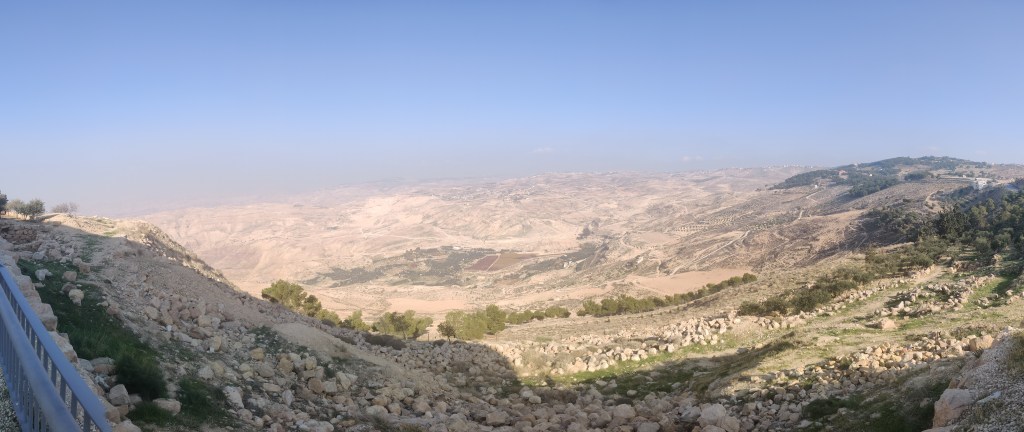
“Then Moses climbed Mount Nebo from the plains of Moab to the top of Pisgah, across from Jericho. There the Lord showed him the whole land — from Gilead to Dan, all of Naphtali, the territory of Ephraim and Manasseh, all the land of Judah as far as the Mediterranean Sea, the Negev and the whole region from the Valley of Jericho, the City of Palms, as far as Zoar. Then the Lord said to him, “This is the land I promised on oath to Abraham, Isaac and Jacob when I said, ‘I will give it to your descendants.’ I have let you see it with your eyes, but you will not cross over into it.”
Deuteronomy 34:1-4
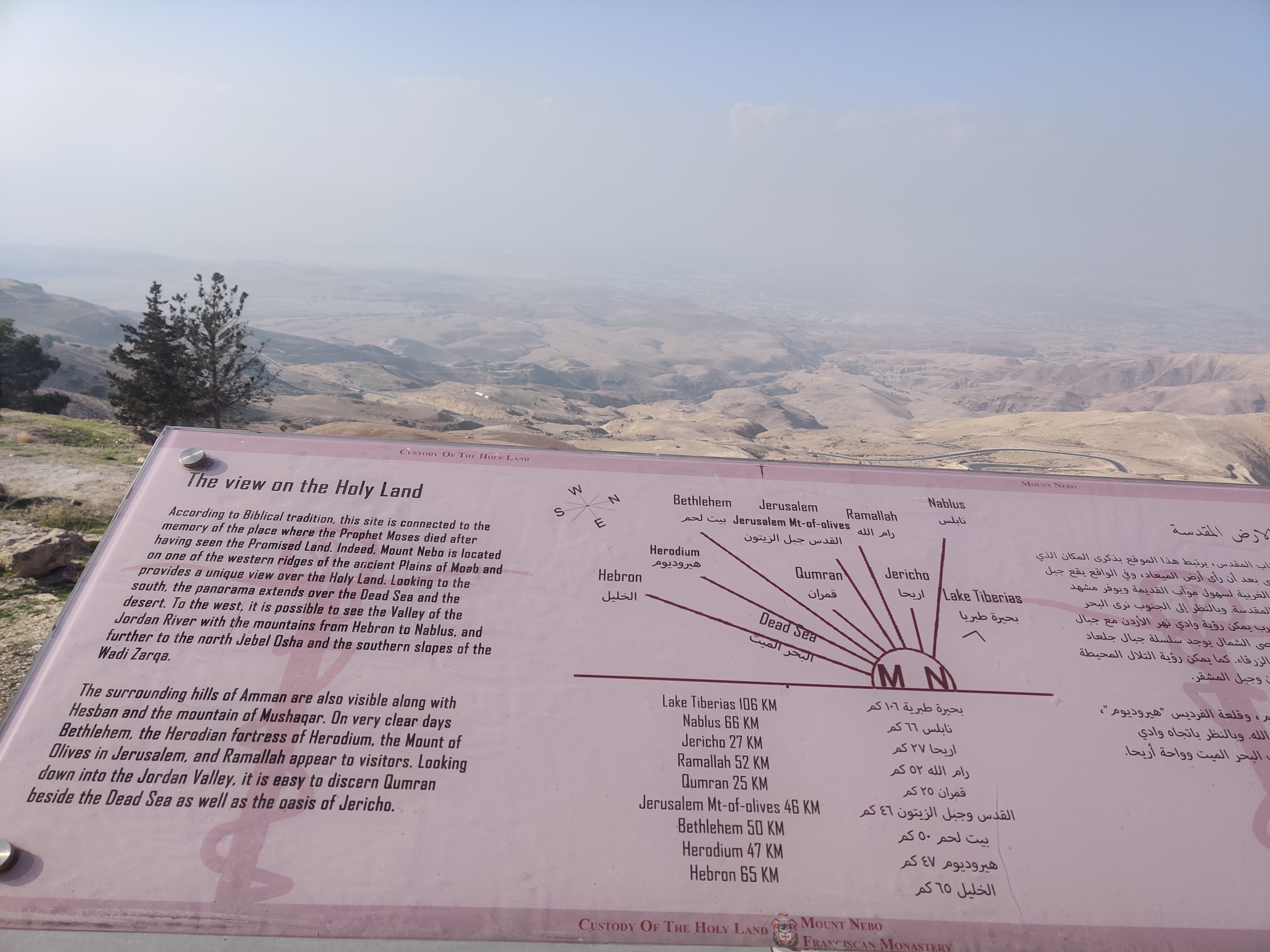
Perched 1,000 meters above the dry plains and deserts below, Mount Nebo emerges as a profoundly significant site for Christians in Jordan. Locally known as Siyagha, it marks the highest point within the former Moabite kingdom. Standing at the designated viewpoint, it’s as if you’re stepping into the pages of the Old Testament, with the landscape evoking a surreal connection to ancient narratives.
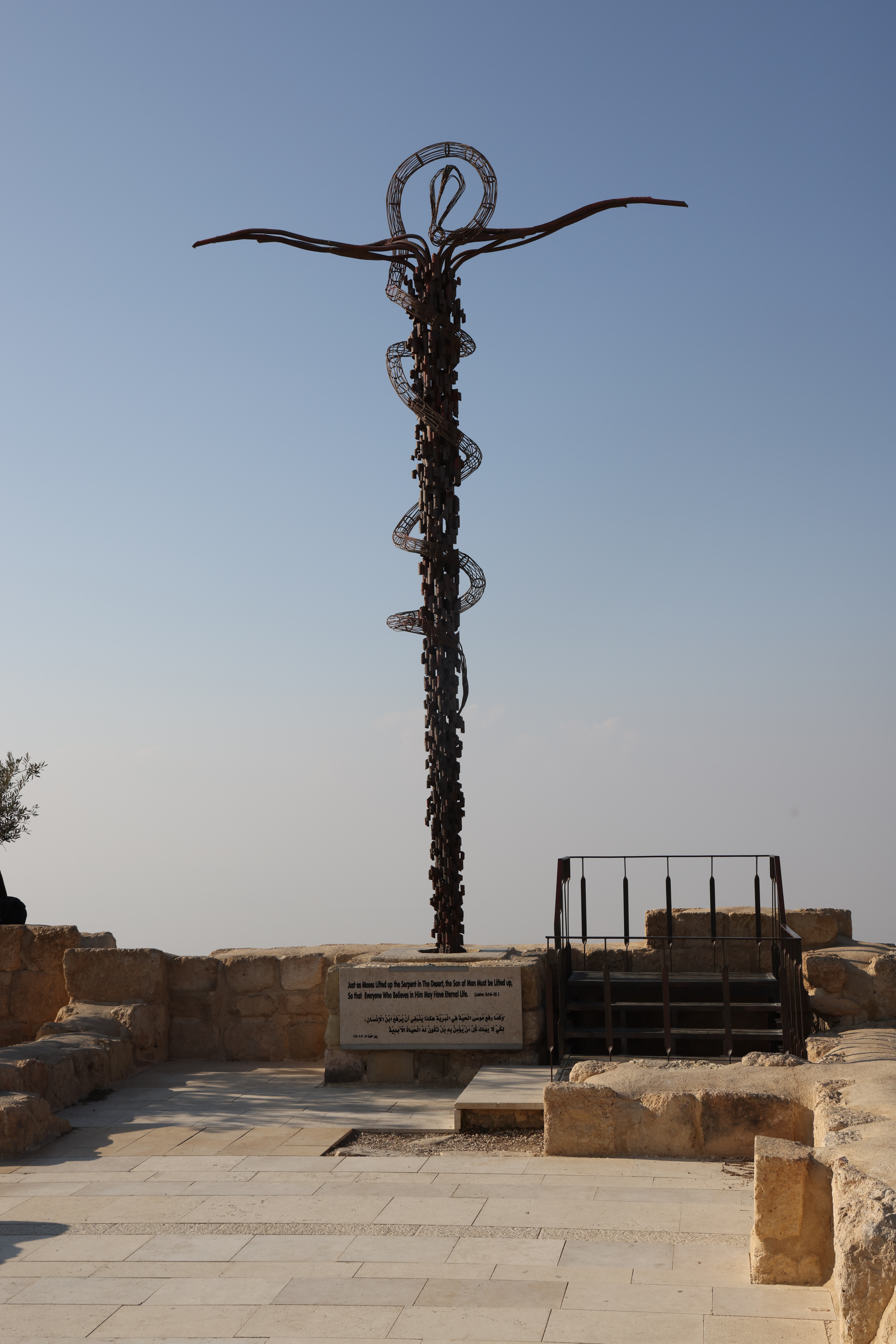
Next to the observation deck stands an impressive serpentine cross, evoking imagery you might expect to find in a Dan Brown novel — a captivating fusion of religious and scientific symbolism. This bronze cross is believed to represent the serpent on pole that Moses raised in the desert, following God’s instructions, to shield the people from venomous snakes sent as punishment. Merely gazing upon the bronze serpent erected by the prophet was enough to bring healing and salvation. This ancient symbol of Moses’s healing serpent also can be seen as a representation of Jesus’s crucifixion and his role in saving humanity.
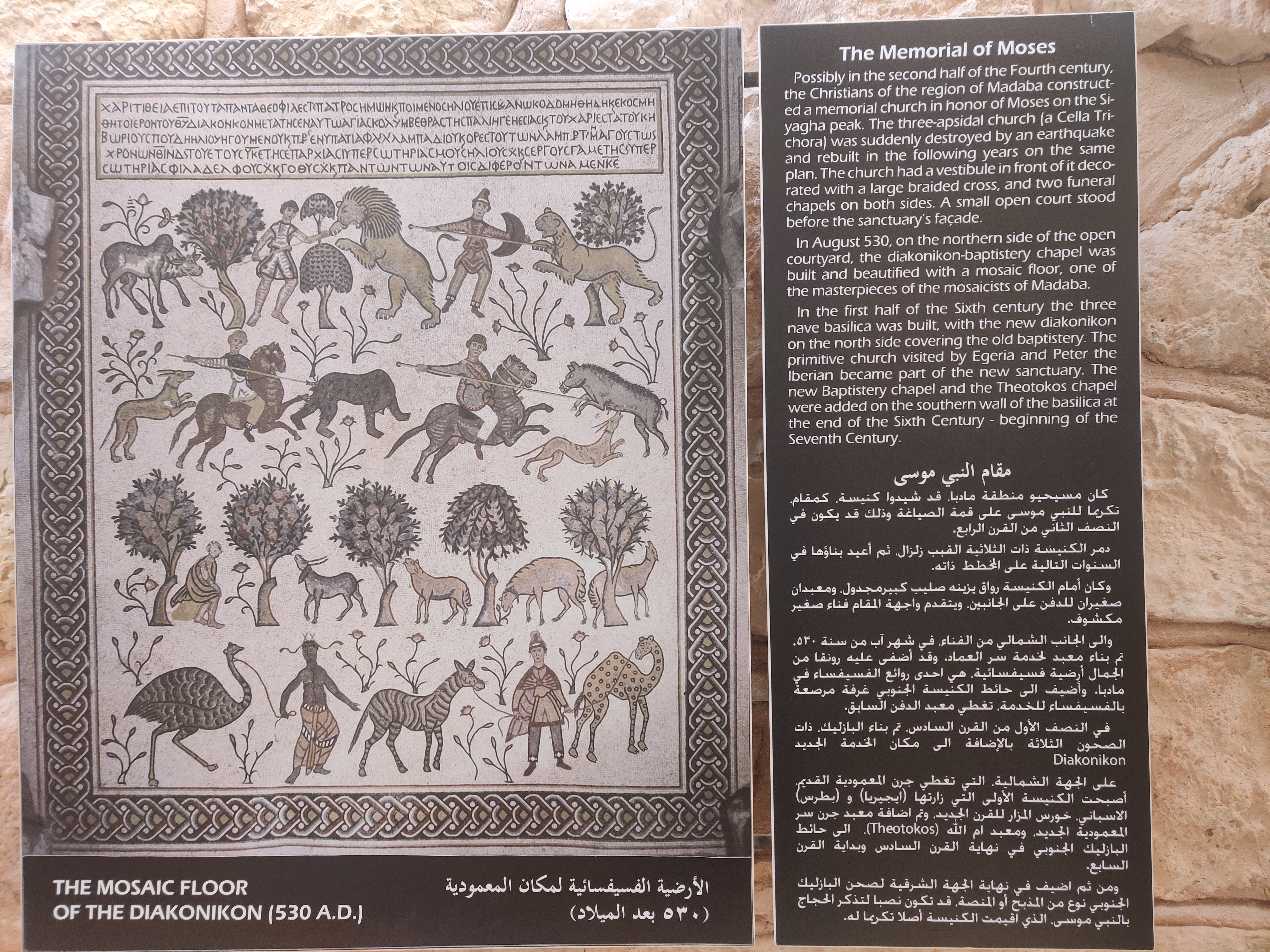
A place of pilgrimage for early Christians from Jerusalem, a small church was built here in the second half of the 4th century to commemorate the life and death of the man regarded as a prophet by all three Abrahamic religions (Judaism, Christianity, and Islam).
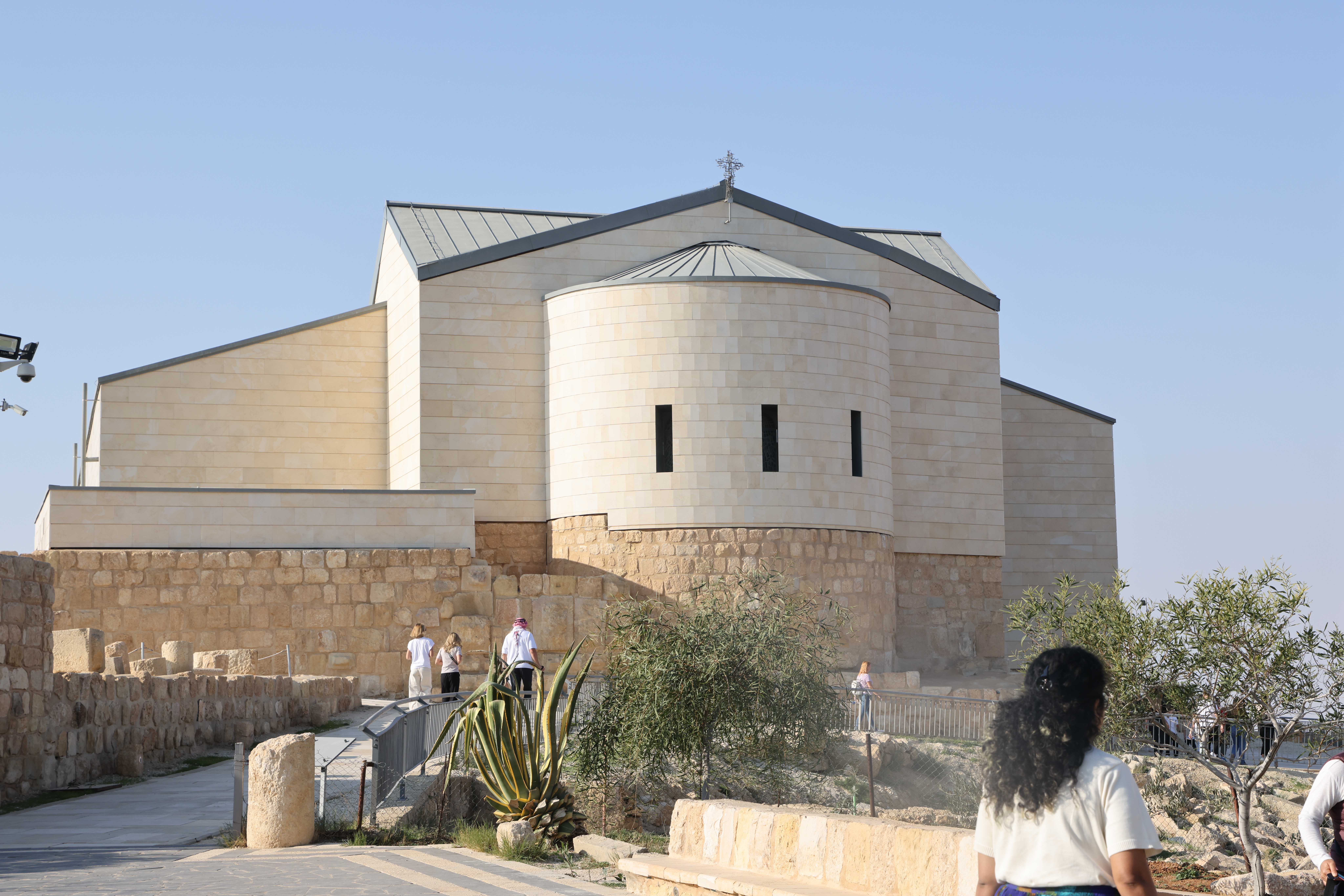
Abandoned in the 16th century, it lay hidden for hundreds of years before being relocated in the 20th century, bought by the Franciscans, a religious order founded by St. Francis of Assisi. The church now provides a gallery-level lighting and display of its impressive and well preserved collection of mosaics.
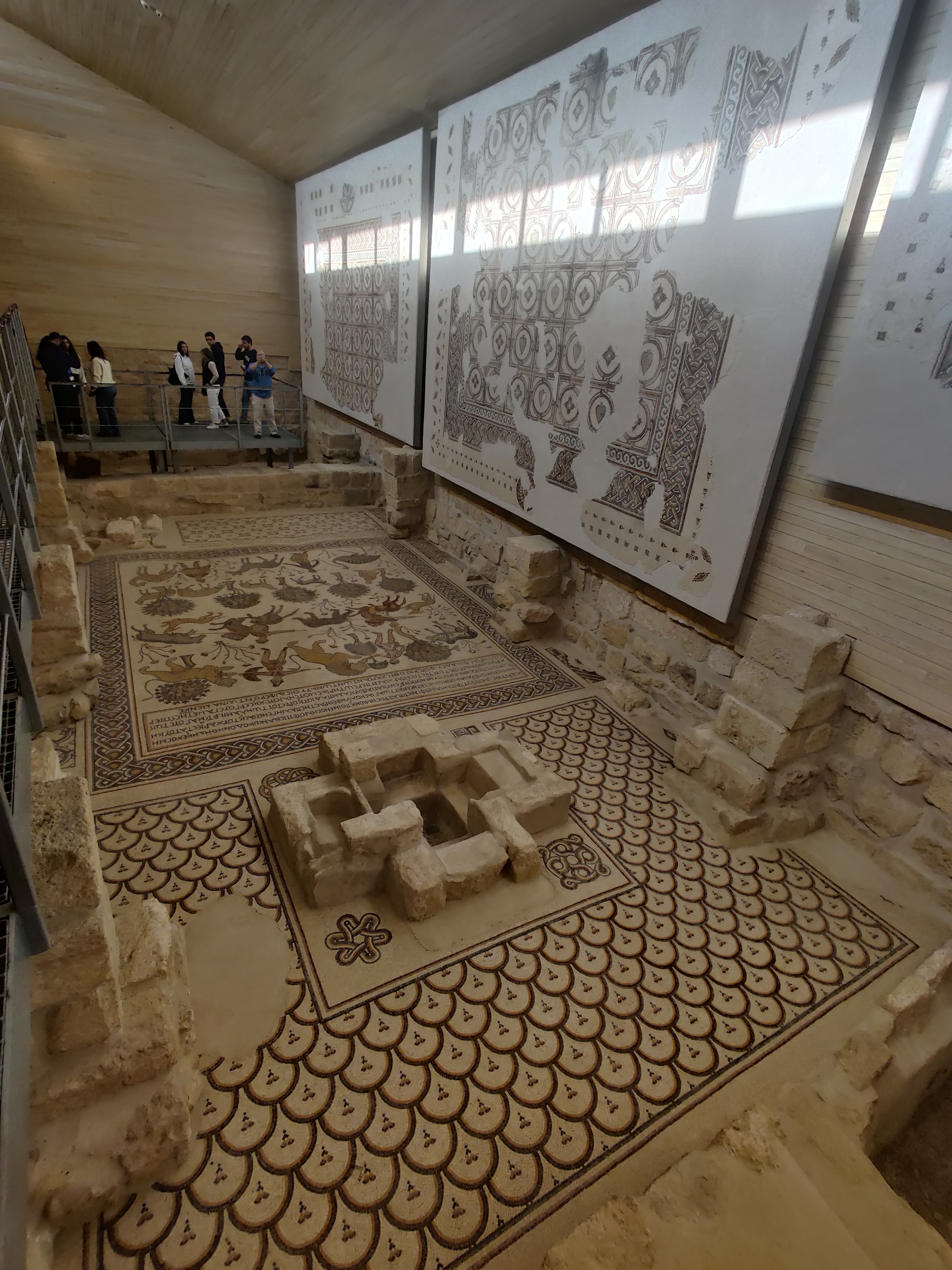
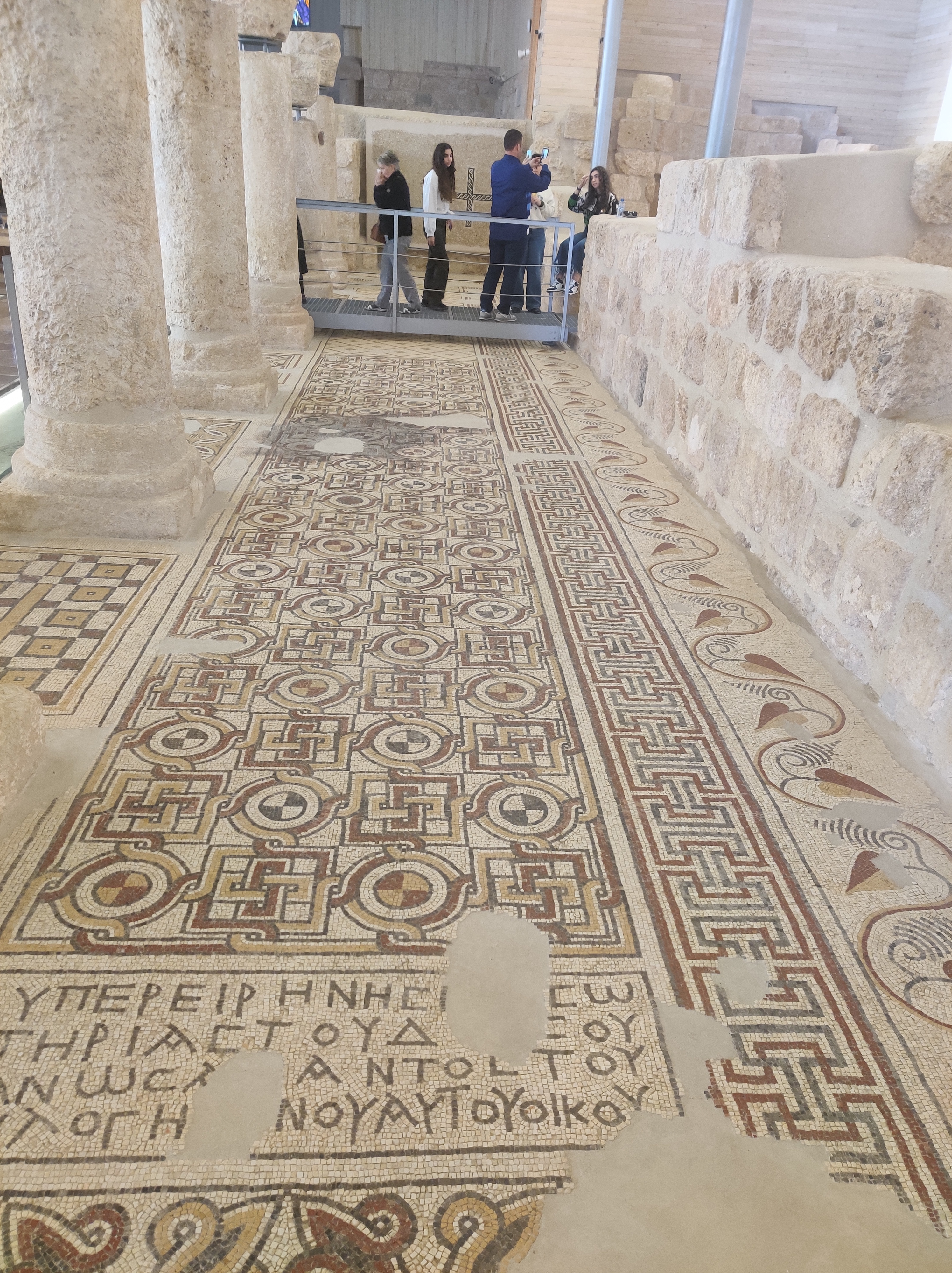
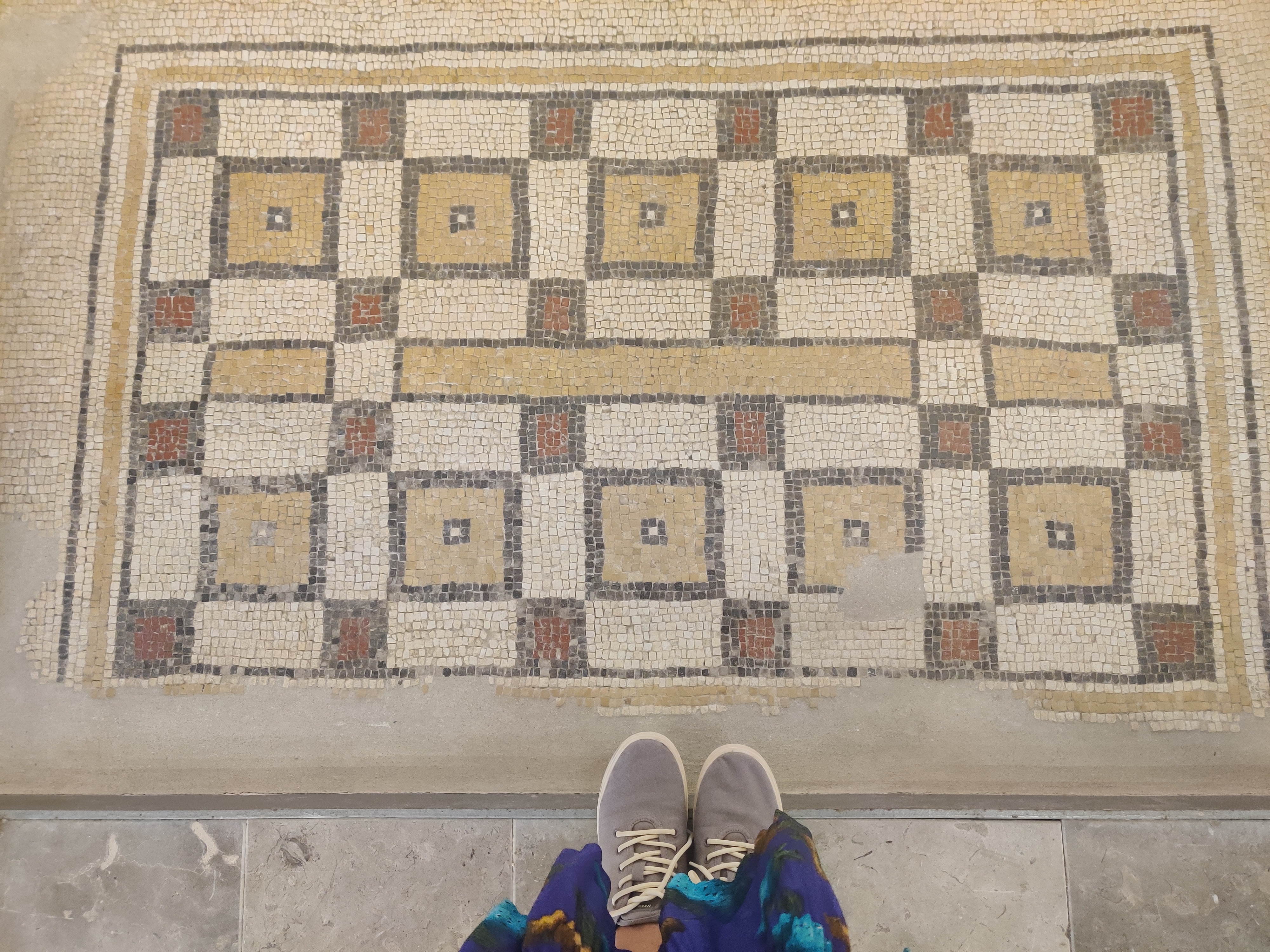
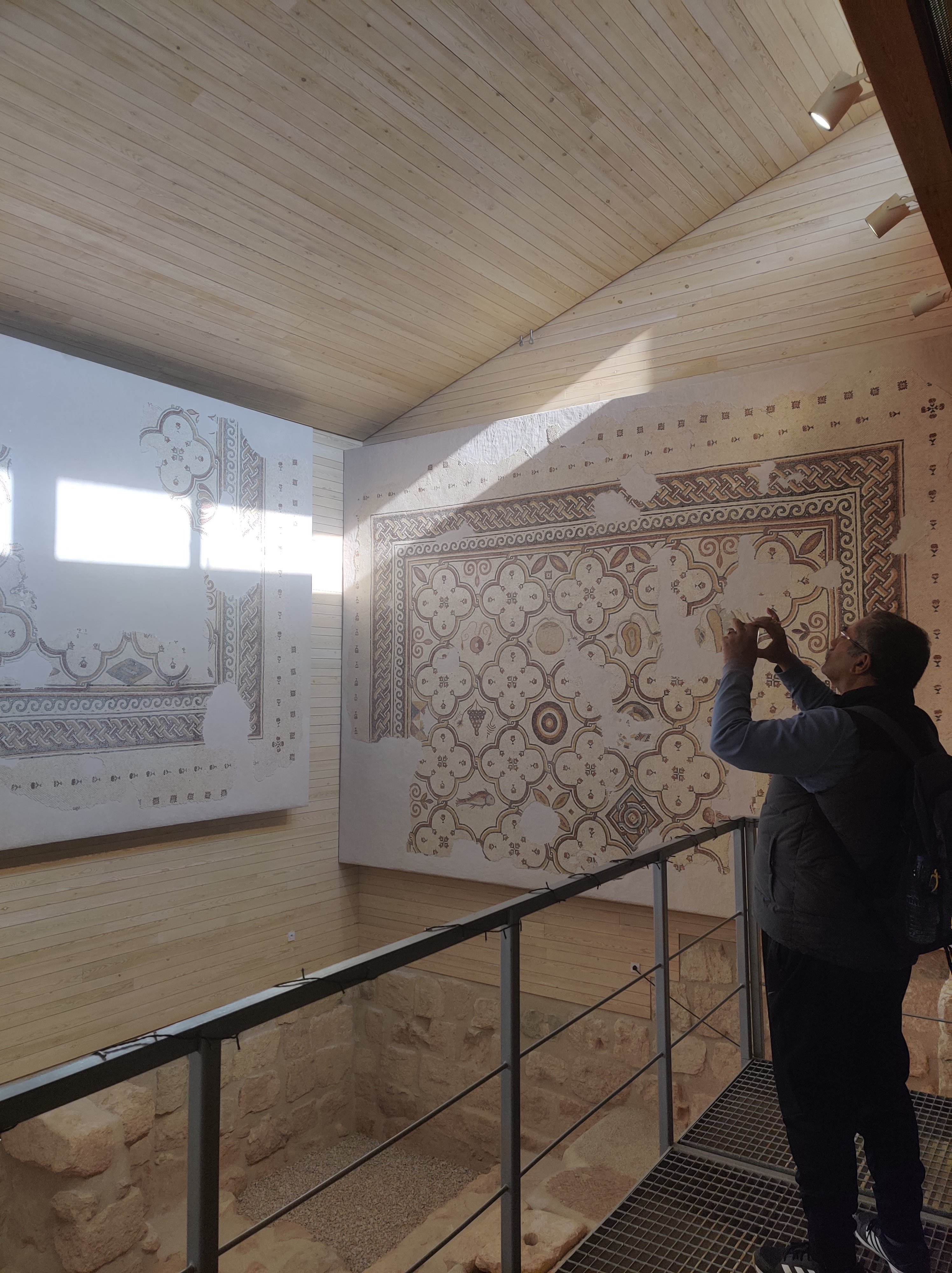
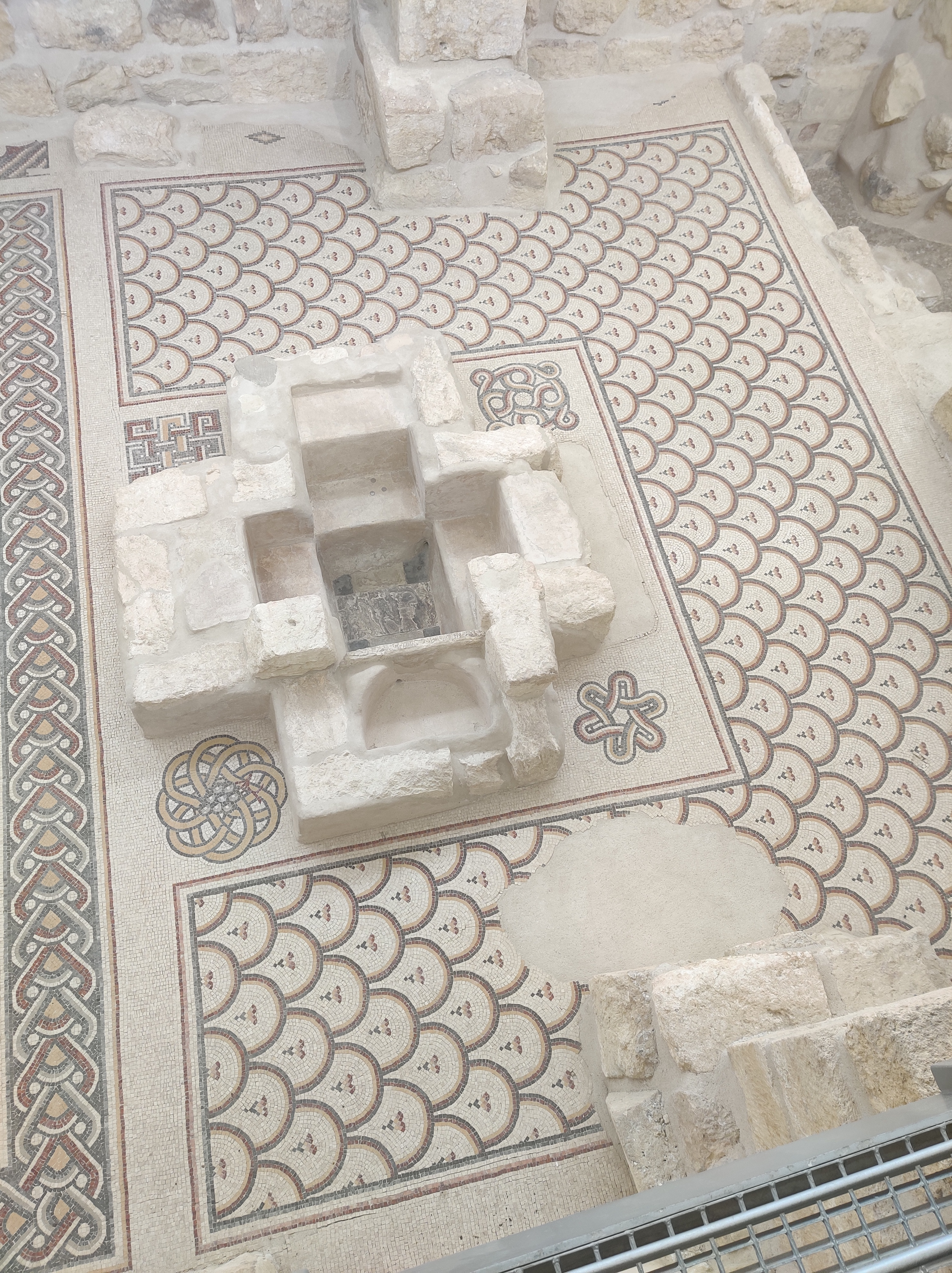
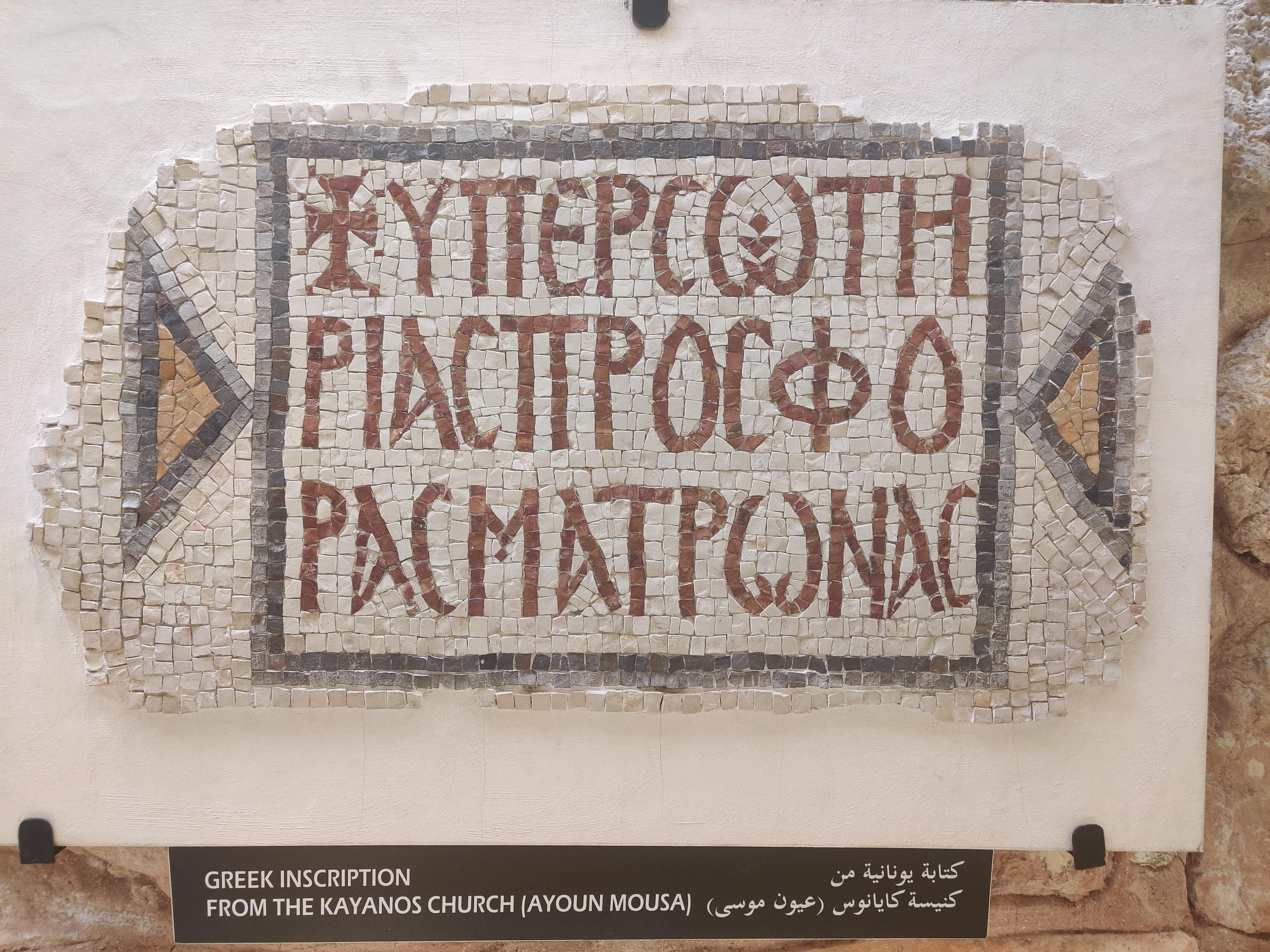
Some are fragments, some are whole, but all are equally impressive – the most remarkable is that of the fully intact Diakonikon mosaic that was created in the 6th century, and rediscovered in the 1970s beneath another mosaic floor. In a nice quirk, the far less detailed mosaic that acted as a camouflage and a shield, is also displayed on the wall above it.
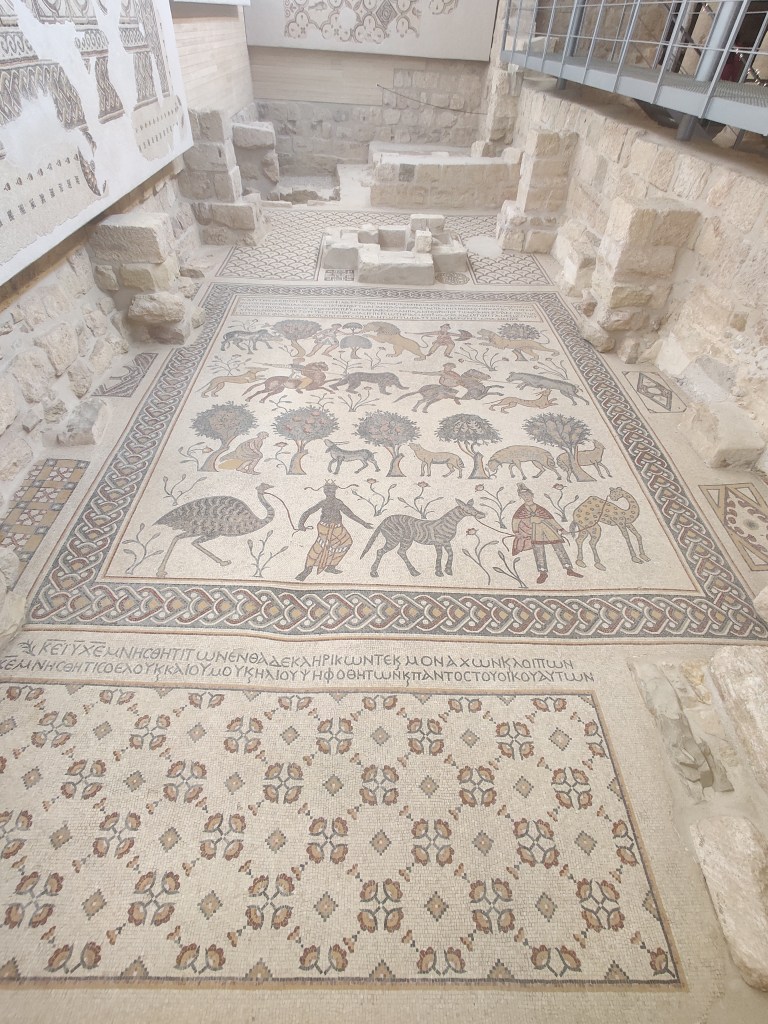
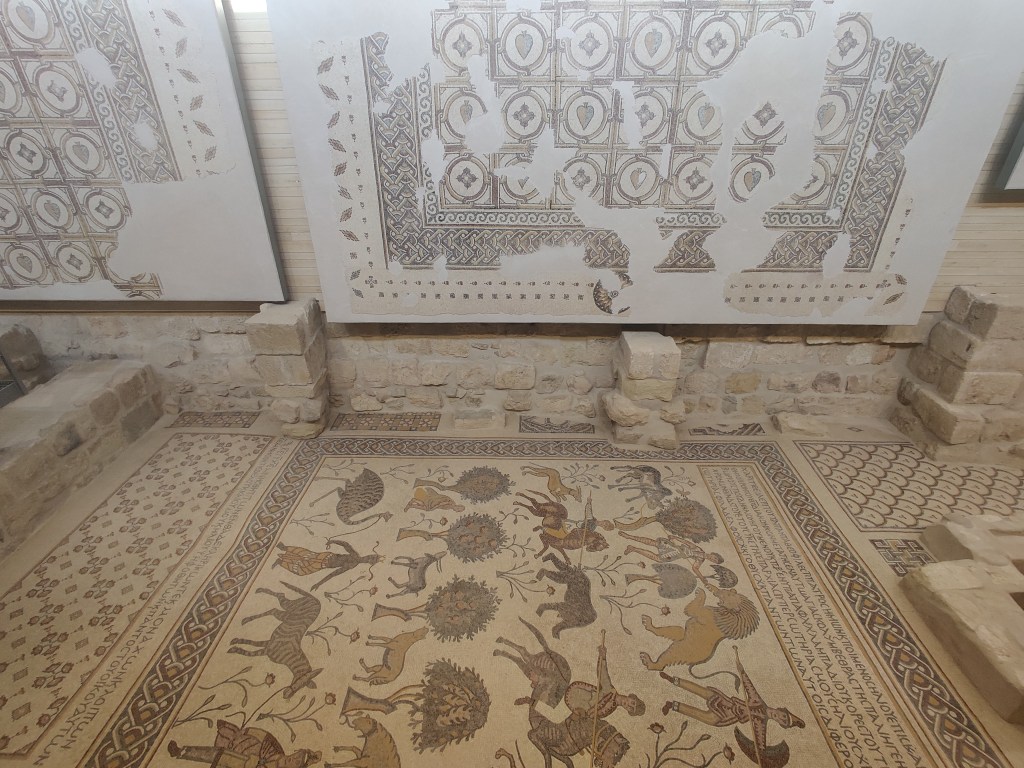
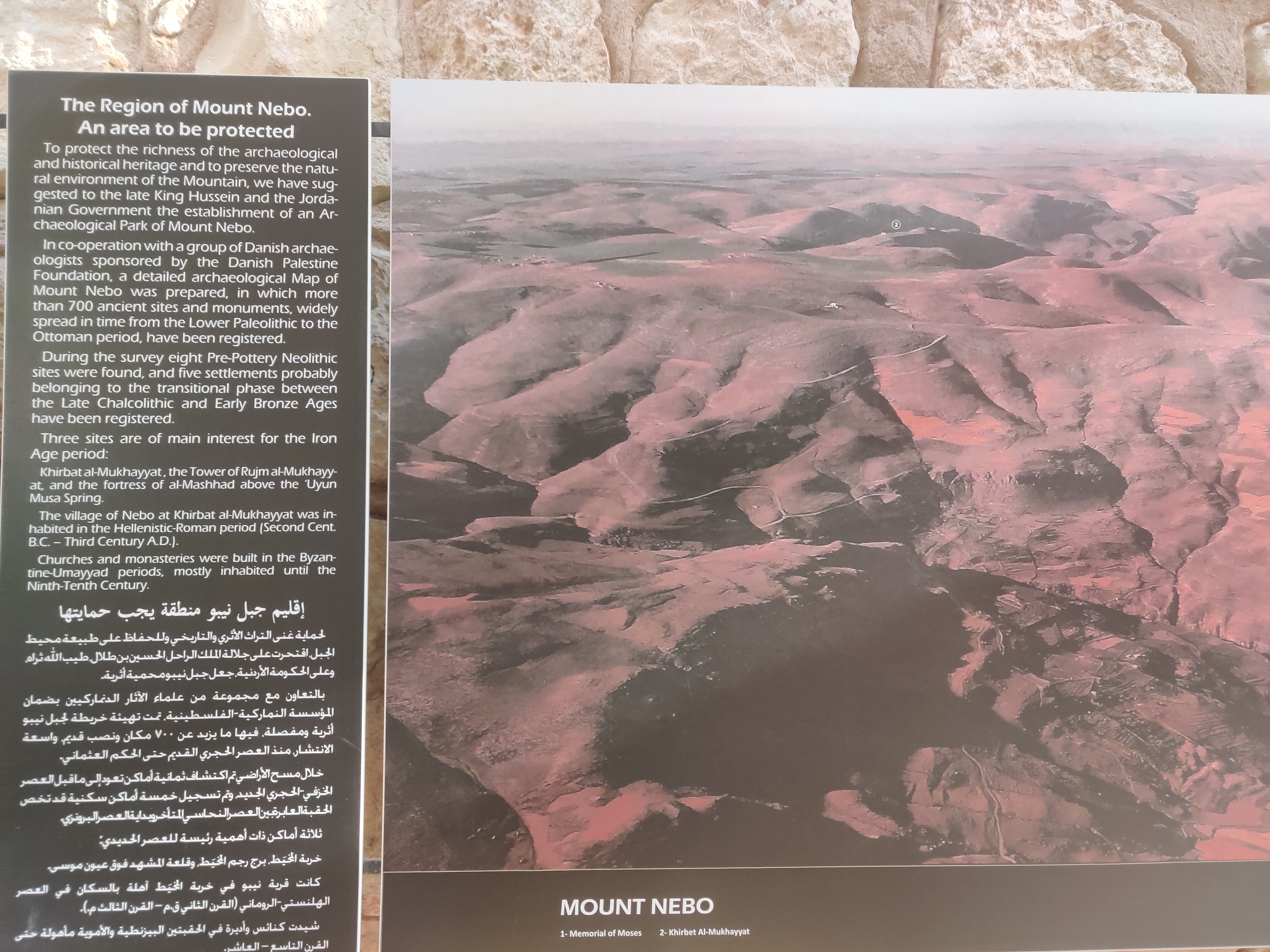
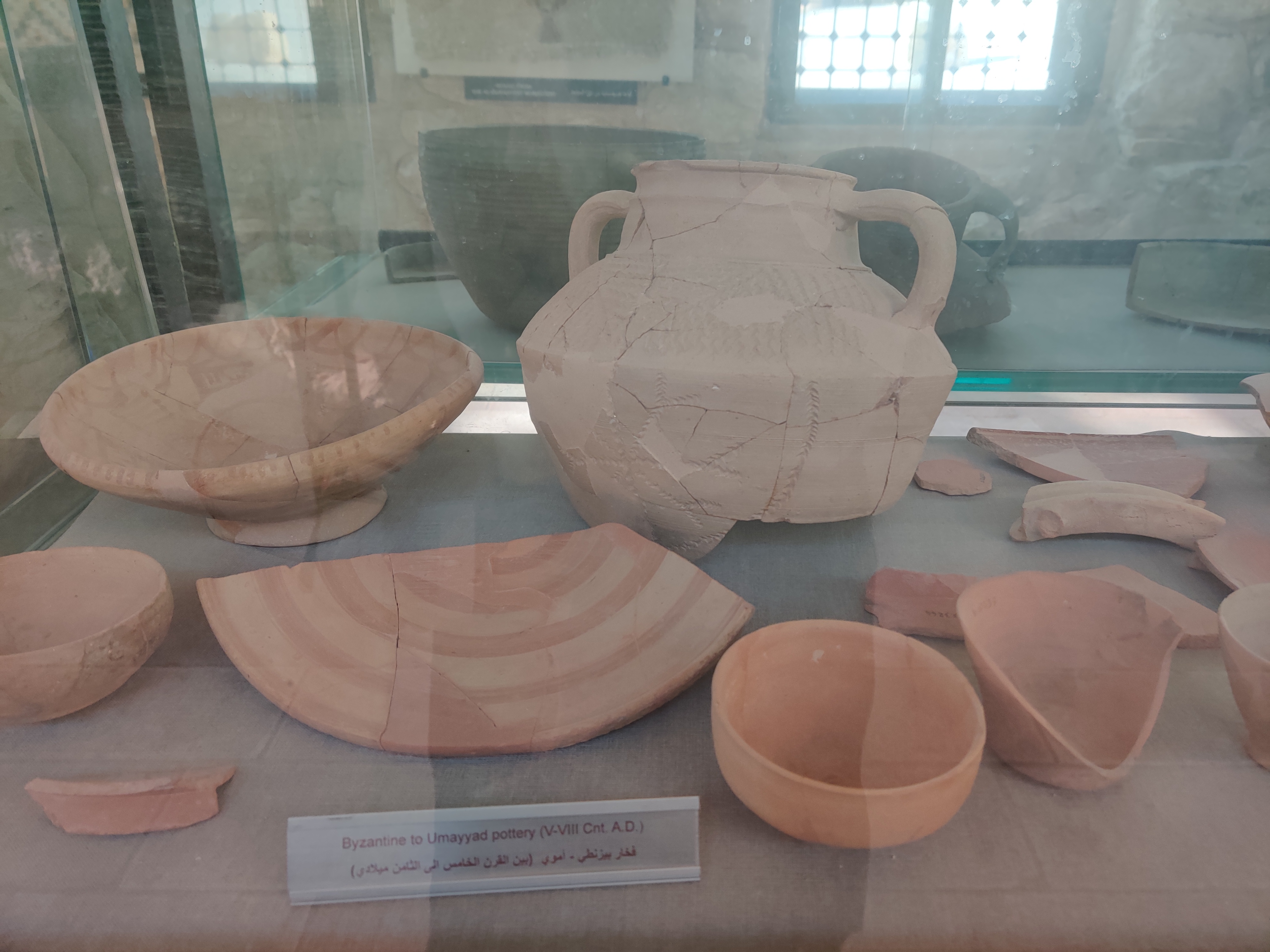
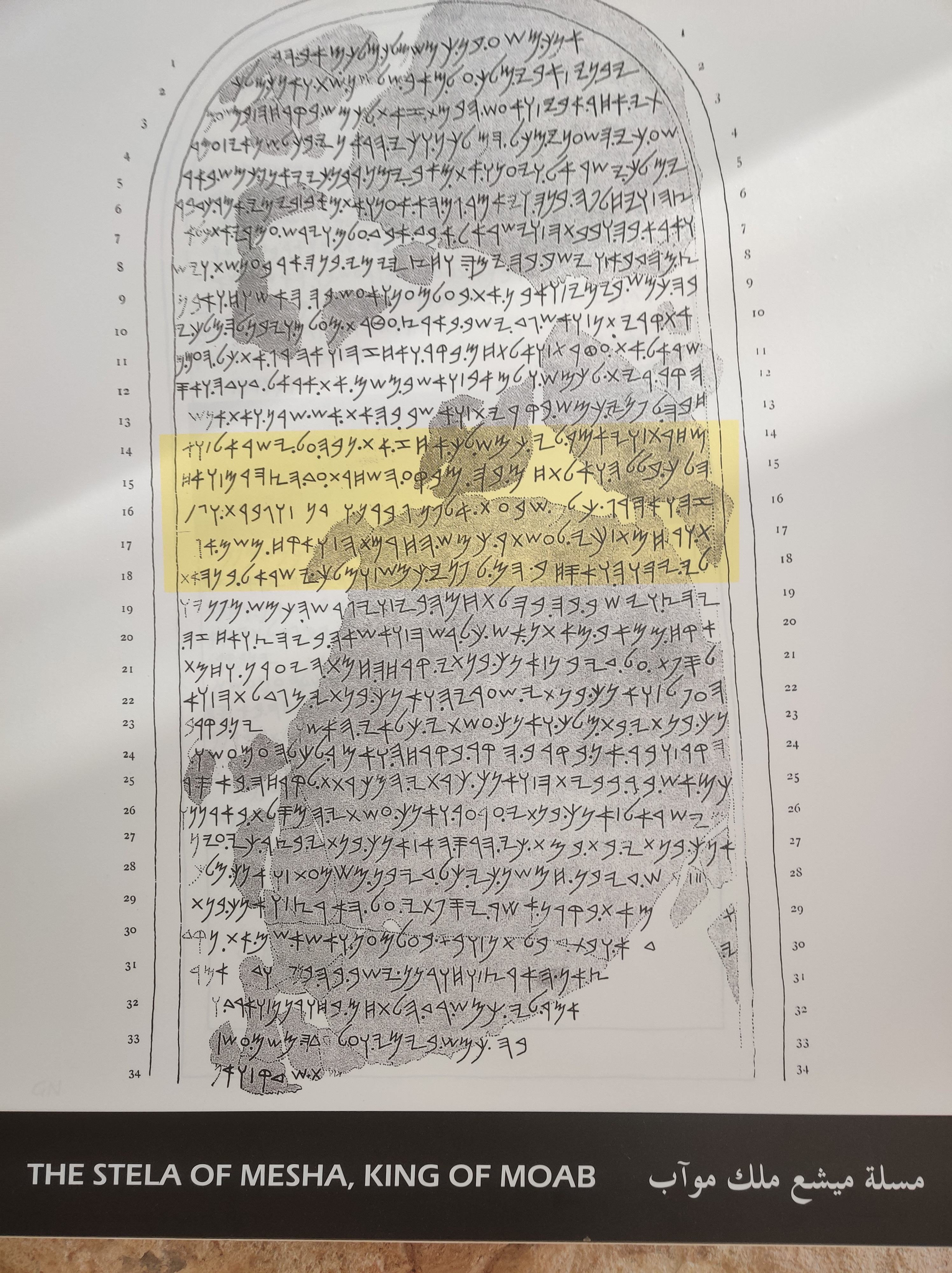
The museum, also known as the Mount Nebo Interpretation Centre contains a number of mosaics salvaged from churches located alongside Roman milestones, Iron Age Moabite pottery, and provides a detailed information on the history of he area with written accounts of ancient pilgrims to Mount Nebo.
Dead sea
Mention of Madaba, Bethany and Nebo is incomplete without an account of Dead Sea.
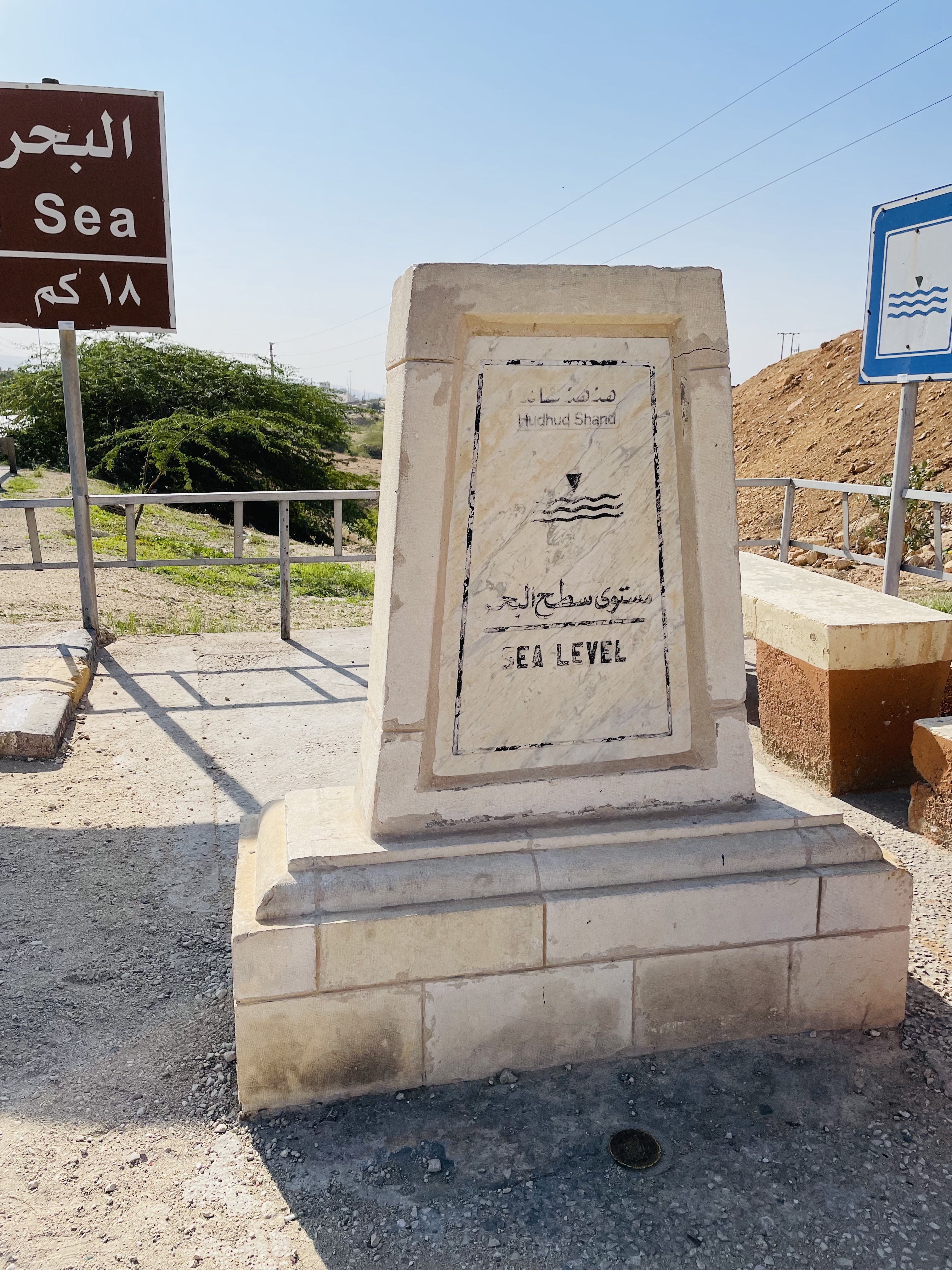
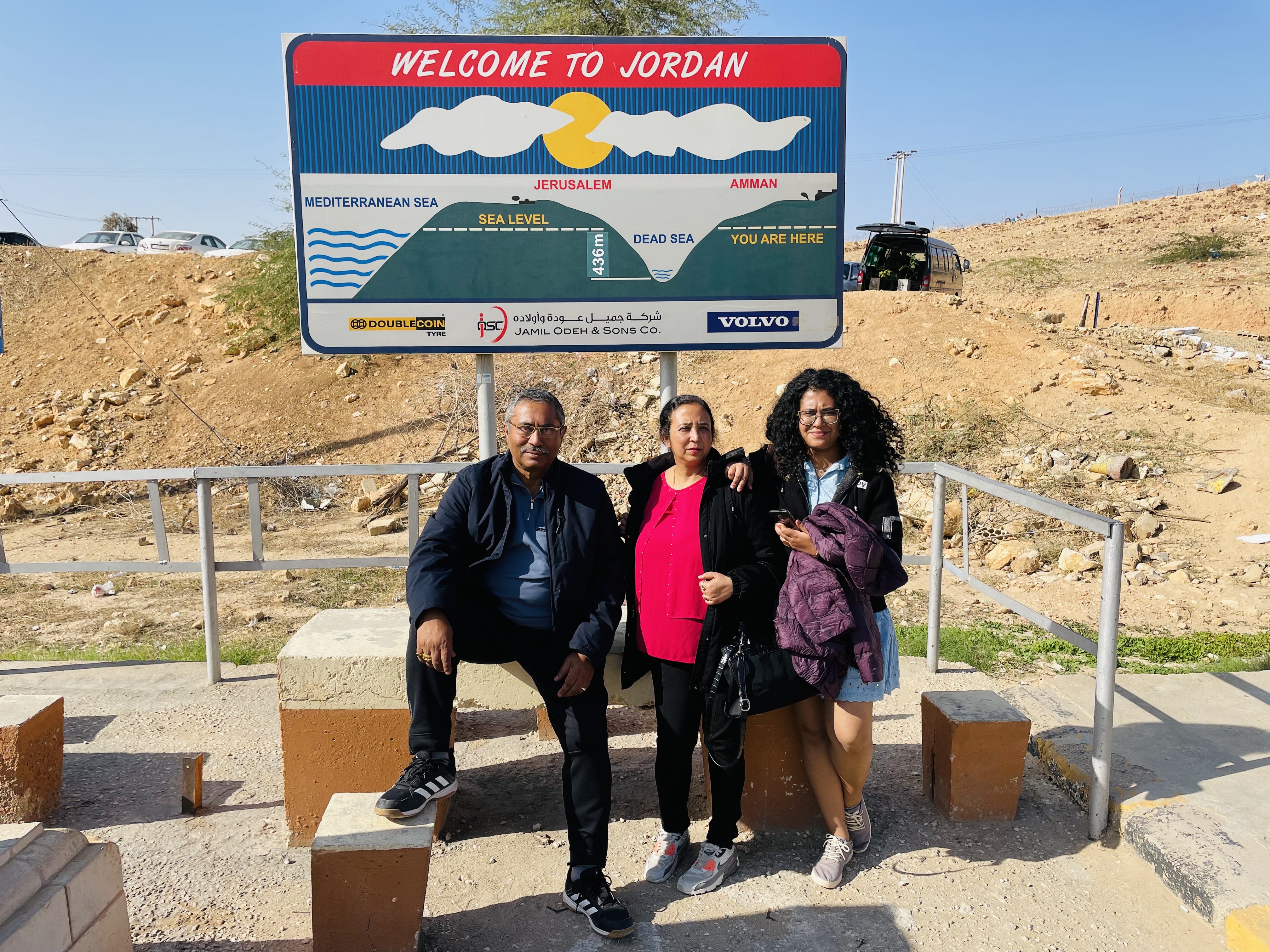
The Dead Sea is one of the most dramatic places on Earth, with its stunning natural environment equally matched by its powerful spiritual symbolism. The Bible variously calls it the “Sea of Arabah”, the “Salt Sea”, or the “Eastern Sea”. Medieval texts refer to it as “the Devil’s Sea”, but the Arab people have always known it as Bahr Lut (Lot’s Sea).
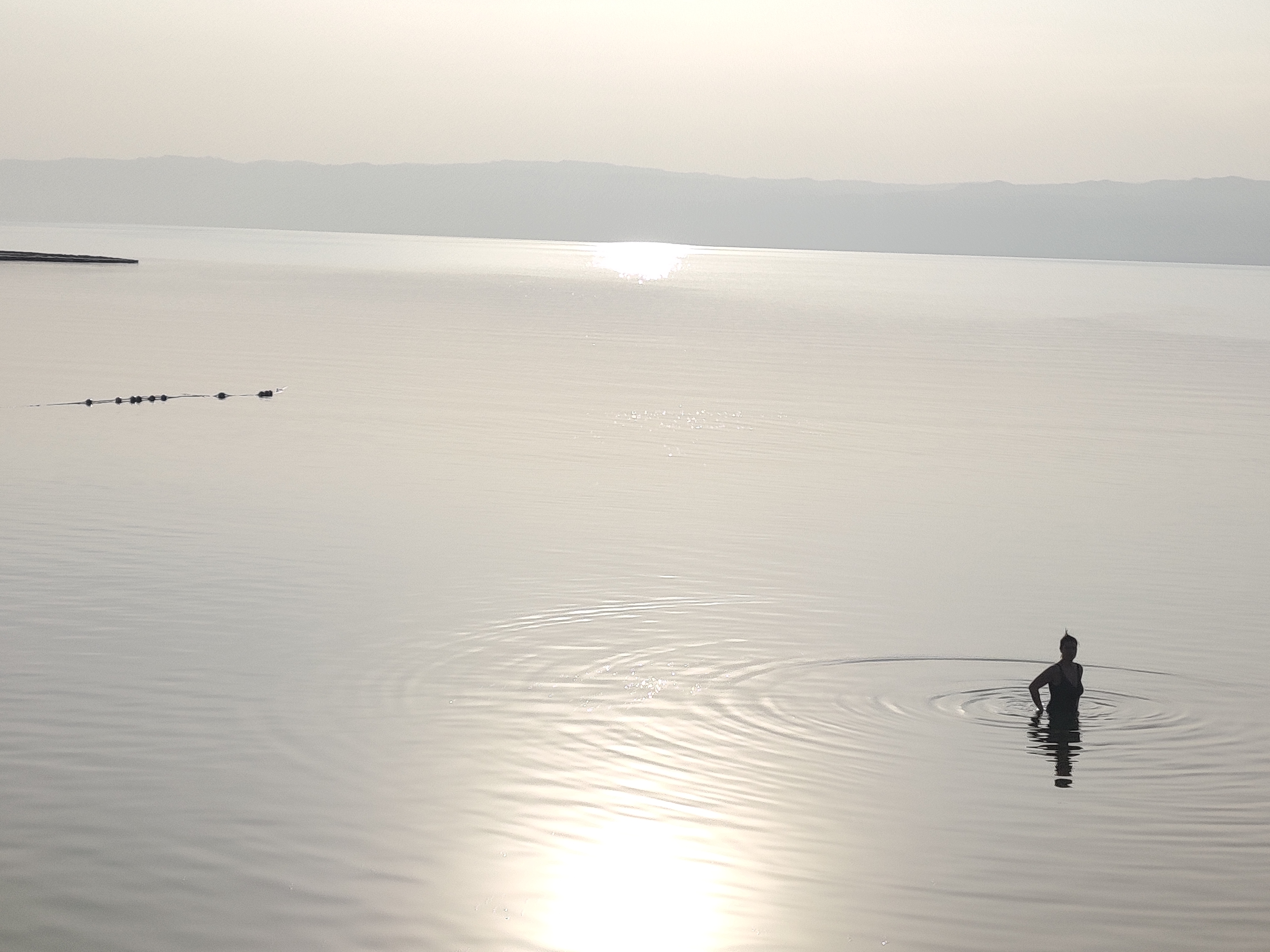
The infamous Sodom and Gomorrah and other cities of the Dead Sea Plain were subject to some of the most dramatic and enduring Old Testament stories. In Genesis, God said he would destroy the cities of Sodom and Gomorrah because of the inhabitant’s wicked and arrogant
ways. But Abraham successfully argued with God that Lot and any other righteous people should be spared. Lot and his two daughters survived and fled, seeking refuge in a cave on
a hillside near the small town of Zoar (modern-day Safi). Here, around this same cave, Byzantine Christians built a church and monastery dedicated to Saint Lot. The monastery complex has been excavated and can easily be visited today.
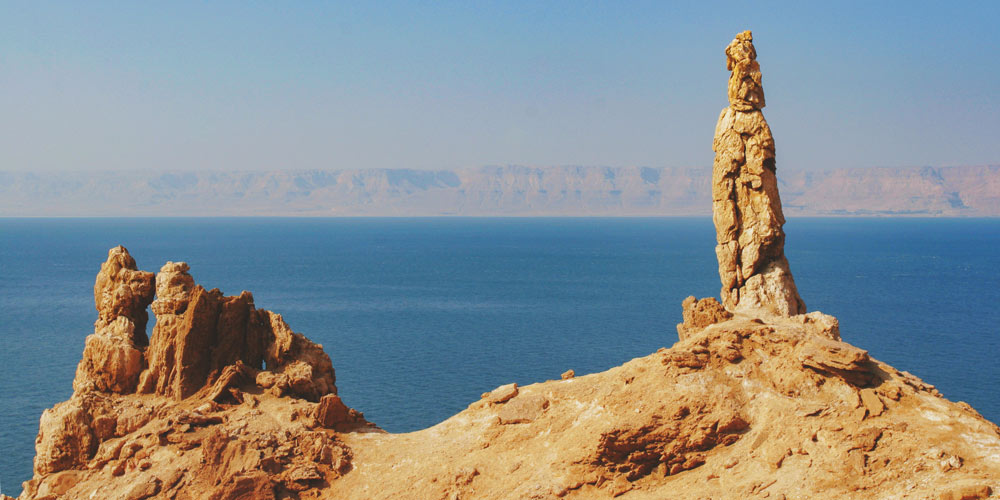
However, as they were leaving the burning city of Sodom, Lot’s wife disobeyed God’s order not to look back and was turned into a pillar of salt. (Genesis 19:26). A rock formation stands near the Dead Sea, said to be the remains of the salt pillar that was Lot’s wife. We didn’t go to this specific point since most of the time, my geologist and geophysicist parents were too fascinated with the rocks and the mud bath and the salinity of the water. But holding a chunk of salt or walking over the salt beds were truly a fascinating experience.

Amman citadel
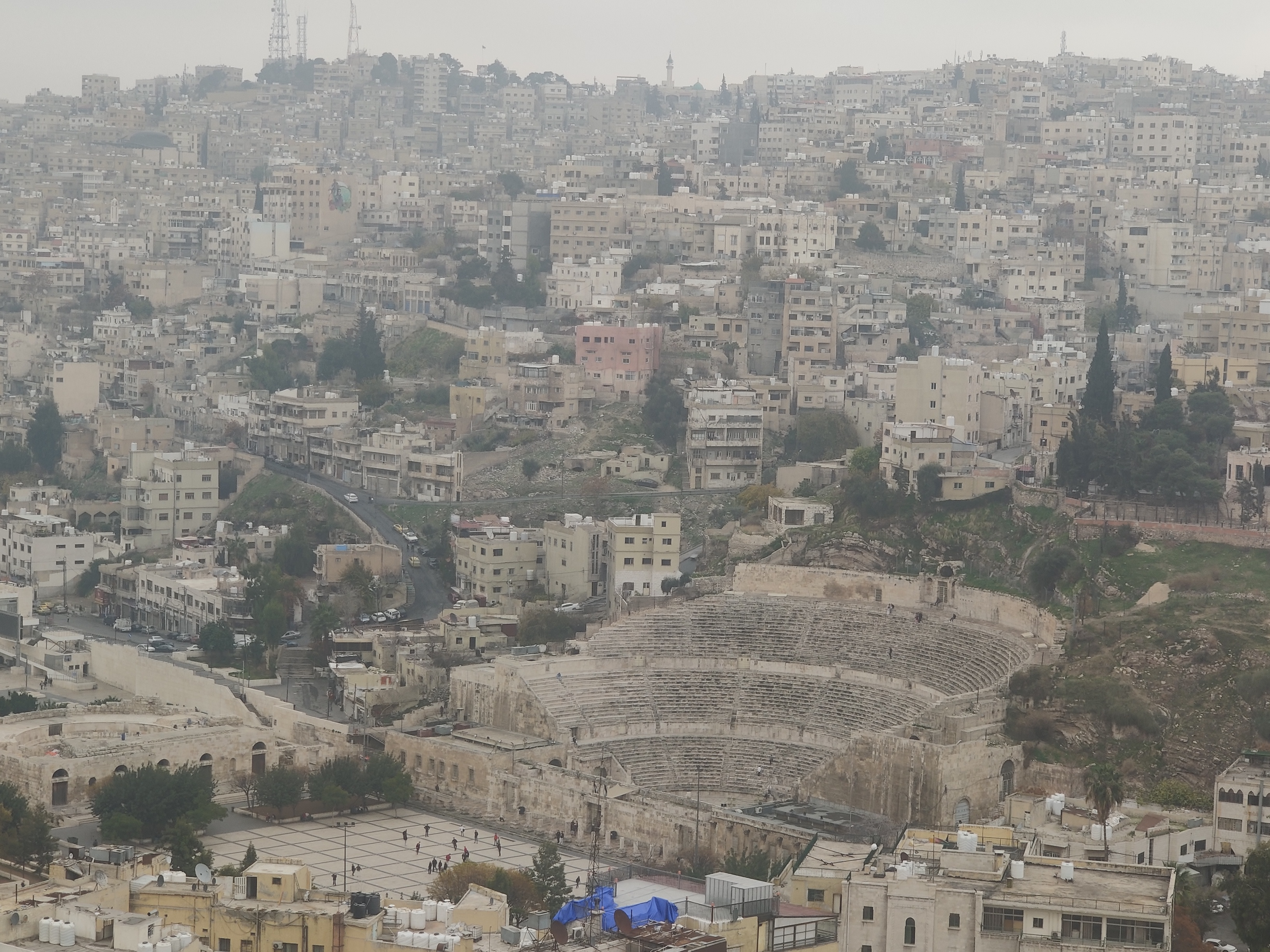

In ancient times, what we now call Amman was known as “Rabbath-Ammon,” serving as the capital of the Ammonite people during the Iron Age. References to Ammon can be found in the Bible, such as Samuel 10:6 and Joshua 13:25, shedding light on its historical significance. According to the Bible, Nahash, a king of the Ammonites, dies and is succeeded by his son Hanun. King David (c. 1004–965 B.C.E.) sends a mission to Hanun with words of sympathy, but Hanun treats David’s men as spies and punishes them, in typical Ammonite fashion, by cutting off half their beards, cutting off half their garments and dismissing them.
David seeks retribution by sending his general Joab to engage the Ammonites. While his army battled the Ammonites during the spring, David chose to remain in Jerusalem. One evening, while strolling on the palace roof, he caught sight of Bathsheba, a breathtaking woman bathing. Despite her marriage to Uriah the Hittite, one of his loyal commanders, David couldn’t resist her allure and seduced her. To hide his misdeed, David summoned Uriah back from the battlefield, hoping he would sleep with Bathsheba and conceal her pregnancy. However, Uriah’s integrity thwarted David’s plan, as he refused to enjoy marital relations while his comrades fought.
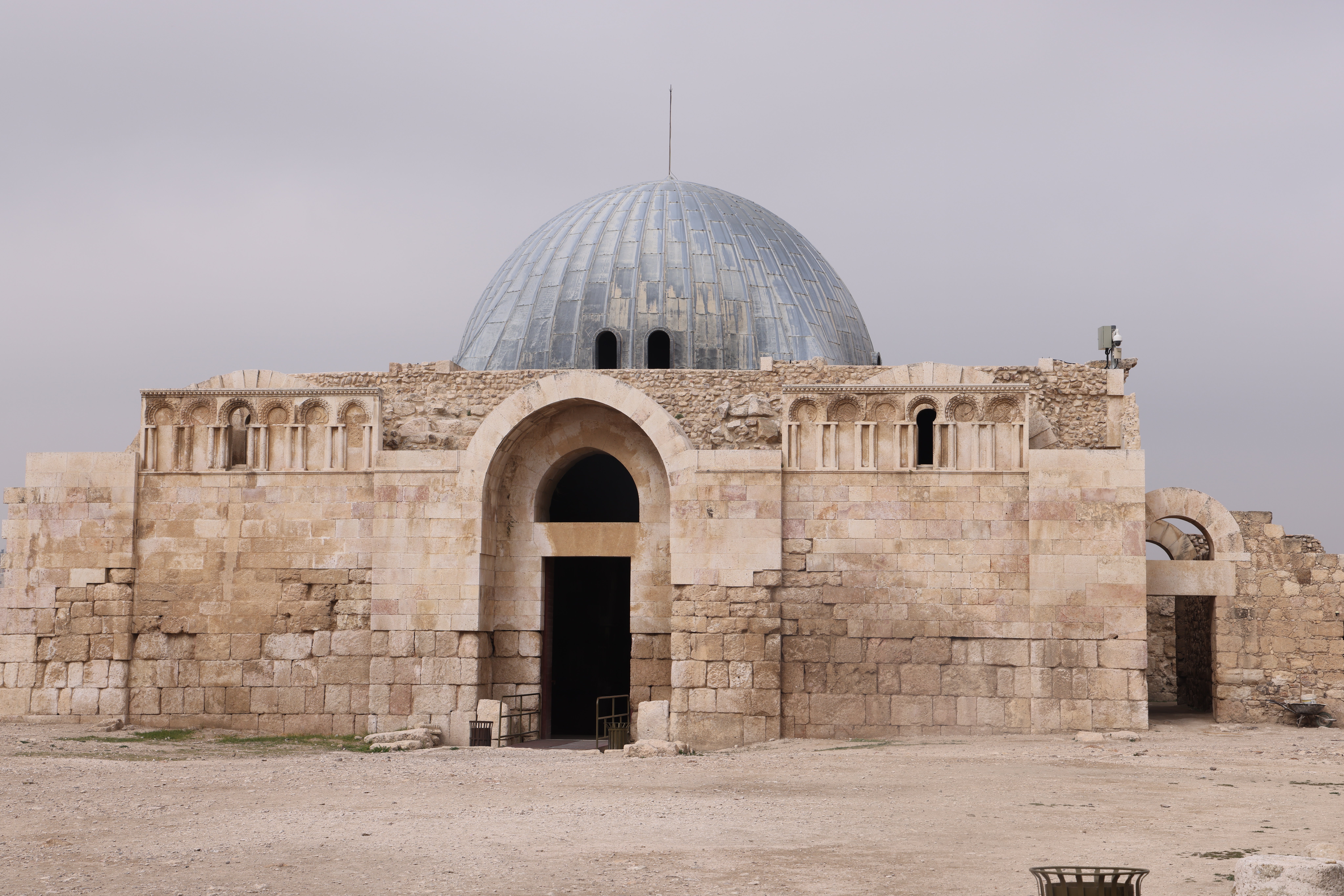
Fearing exposure, David orchestrated Uriah’s death in battle through his commander Joab. Betrayal and adultery aside, Joab succeeds in severely weakening the enemy, following which David “marched on Rabbah, and attacked and captured it.” and crowned himself as the ruler. David later secures his hold on Rabbath Ammon with a marriage alliance between his son Solomon (his child with Bathsheba) and Na’amah, an Ammonite princess.
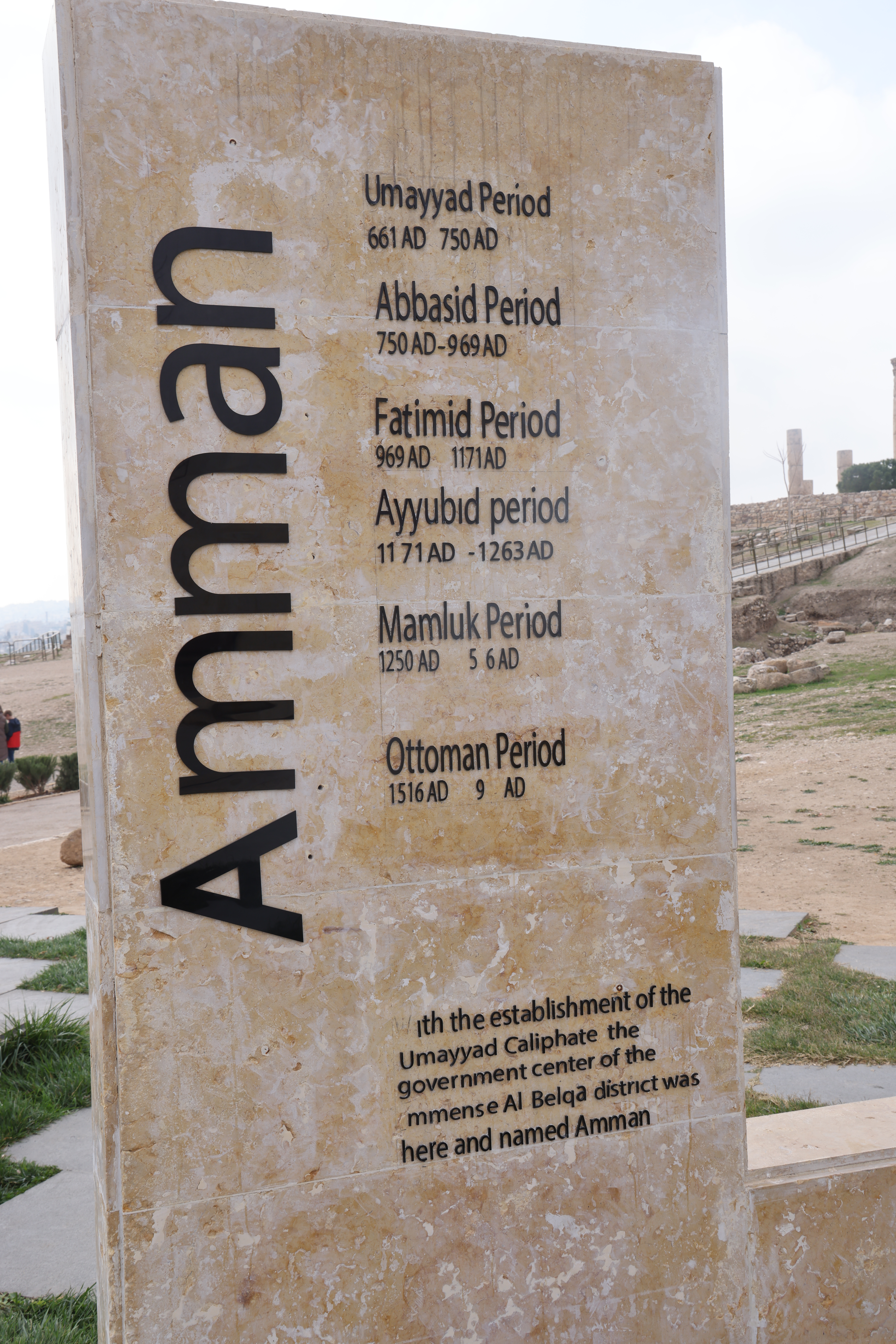
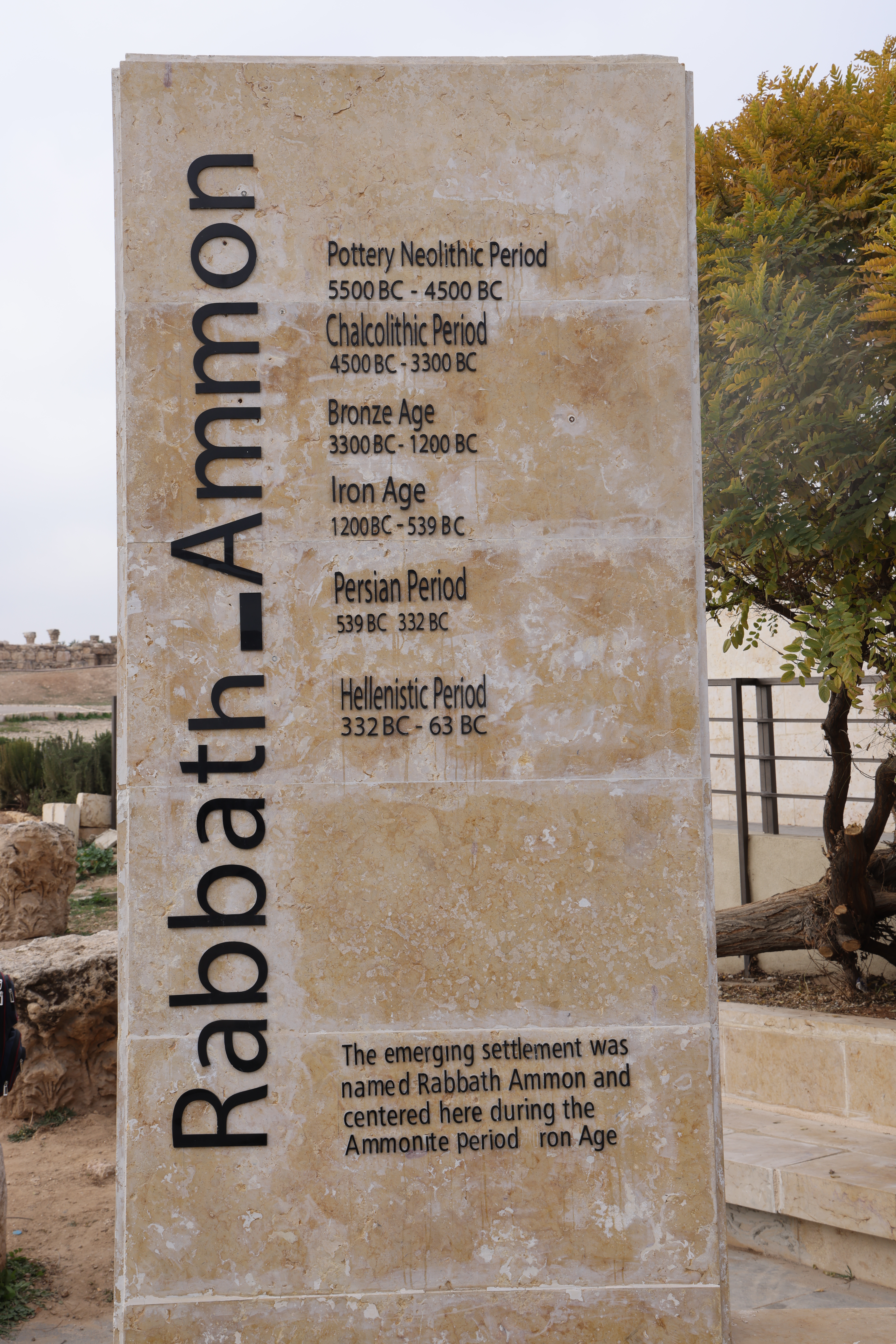

Later, under the rule of Ptolemy II Philadelphus, the city was renamed “Philadelphia” and became a prominent member of the Decapolis League, a federation of ten Greco-Roman cities in the Middle East known for their cultural richness and strategic importance. The Decapolis League, played a significant role in Jesus’s ministry, as recounted in the gospels of Matthew and Mark. Not only was it a place where Jesus performed miracles, but it also served as a hub where he offered healing and assistance to the sick and needy.
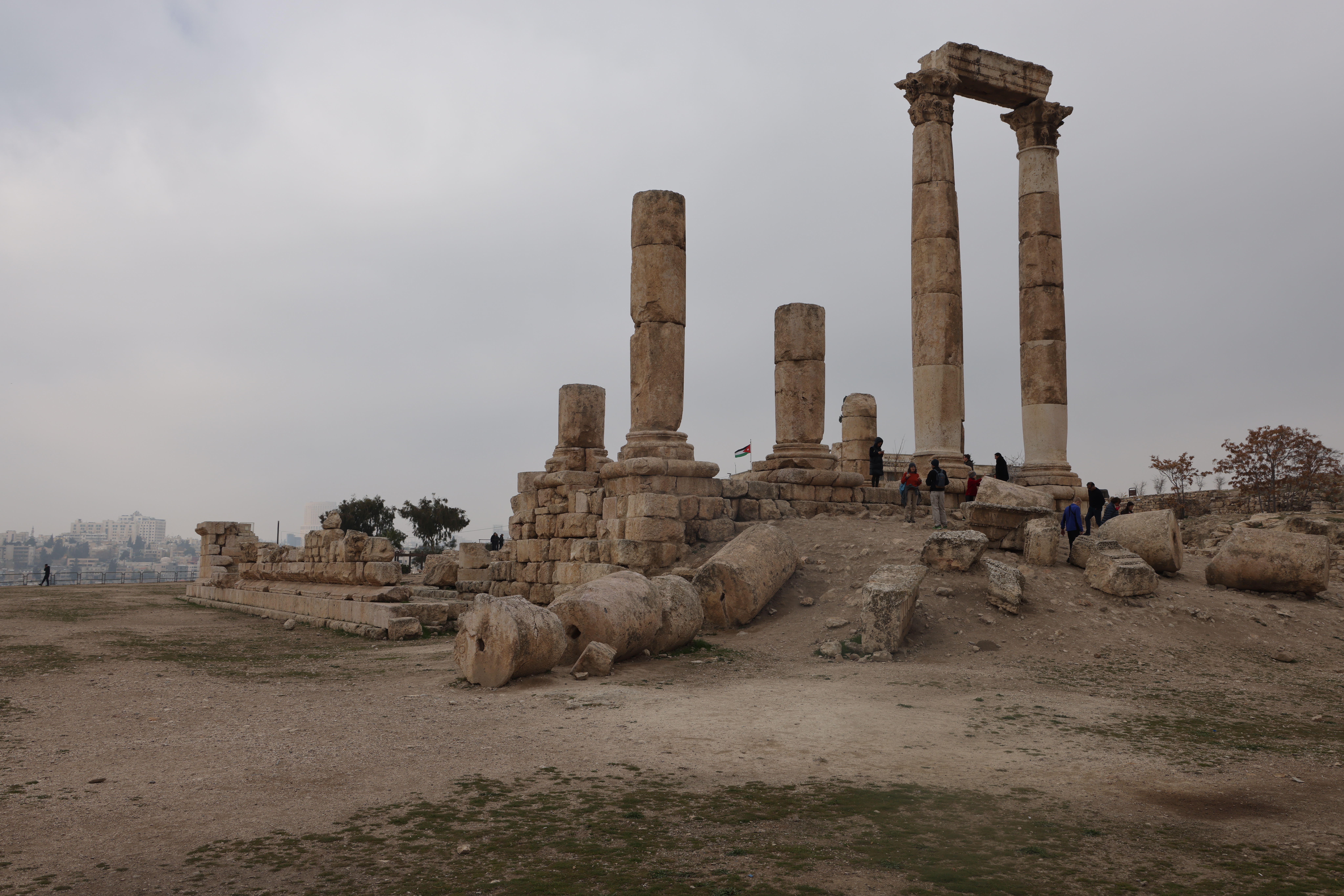
Irrespective of the biblical context, the Amman Citadel complex has witnessed the rise and fall of several different empires, among them the Assyrians, Babylonians, Romans, and Umayyads. The detailed history didn’t fit the overall theme of the post, but it does pprovide an intriguing backdrop to how the country of Jordan happened to be.
Jerash
Jerash, formerly called Gerasa, is indisputably the most intact and well-preserved Greco-Roman city in the Middle East. While not directly mentioned in the Christian Bible, Jerash’s significance lies in its proximity to biblical sites and its role in the socio-cultural landscape of ancient times. Referred to as the “region of the Garasenes” in the Bible (Mark 5:1; Luke 8:26), Jerash offers valuable insights into the historical context of the biblical era.
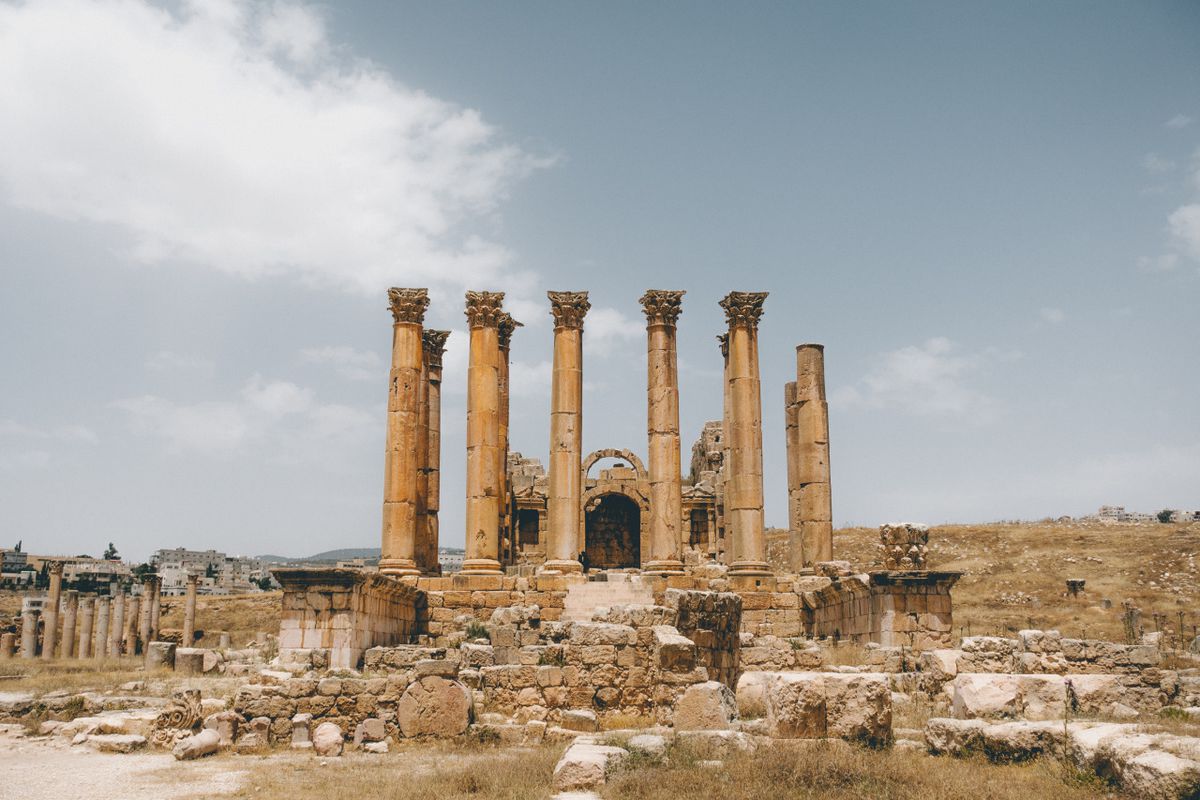
As part of the Decapolis League linked to Amman, Jerash’s architectural ruins provide a glimpse into the vibrant Greco-Roman civilization of the past, frequently referenced in the New Testament. Gerasa has been connected to a story in the Gospels of Mark and Luke about a man who was possessed by many demons. Jesus healed him, and afterward, the man went back to his hometown in the Decapolis area to tell everyone about it. This shows how early Christians spread the word about Jesus’ miracles.


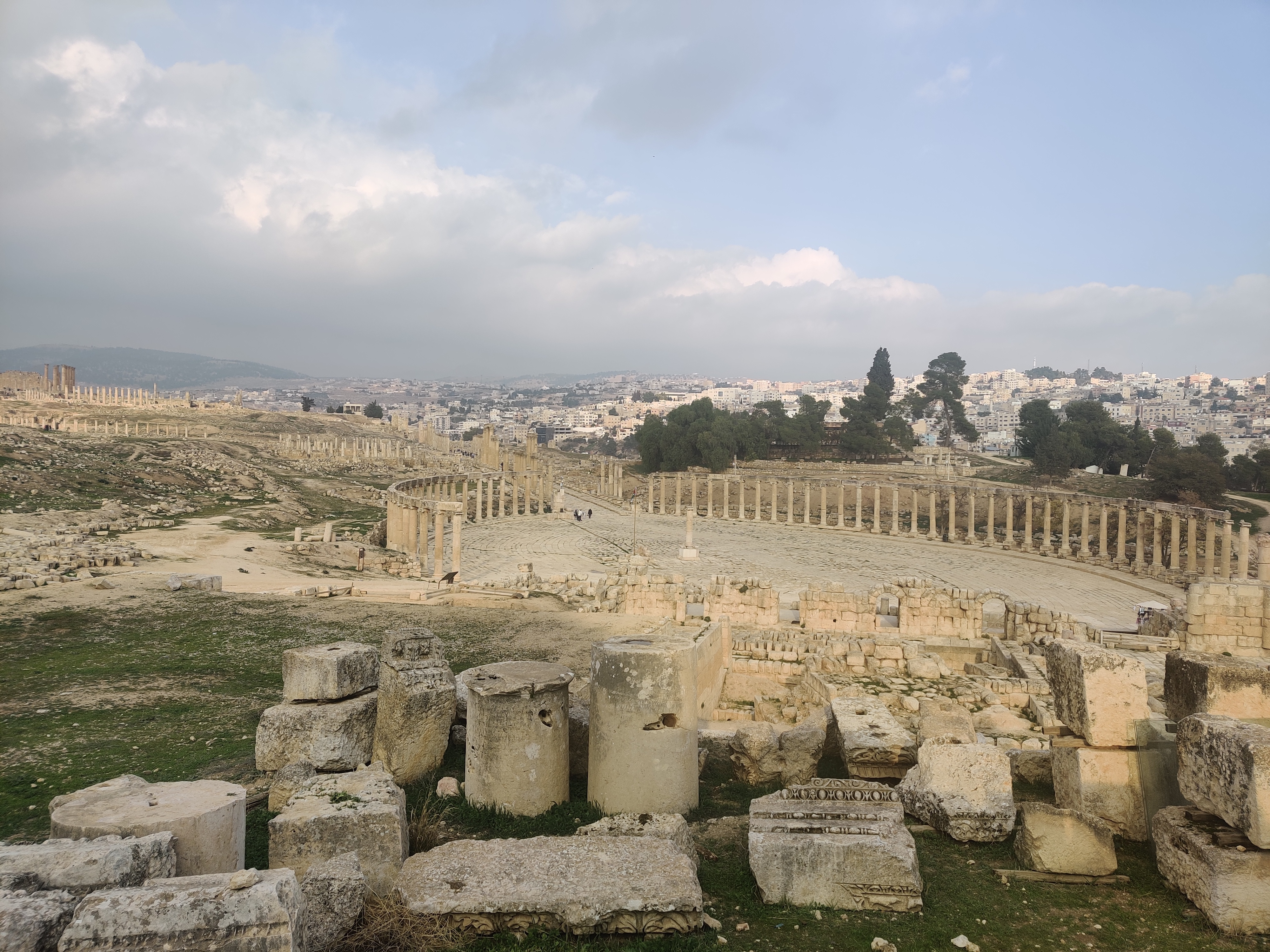
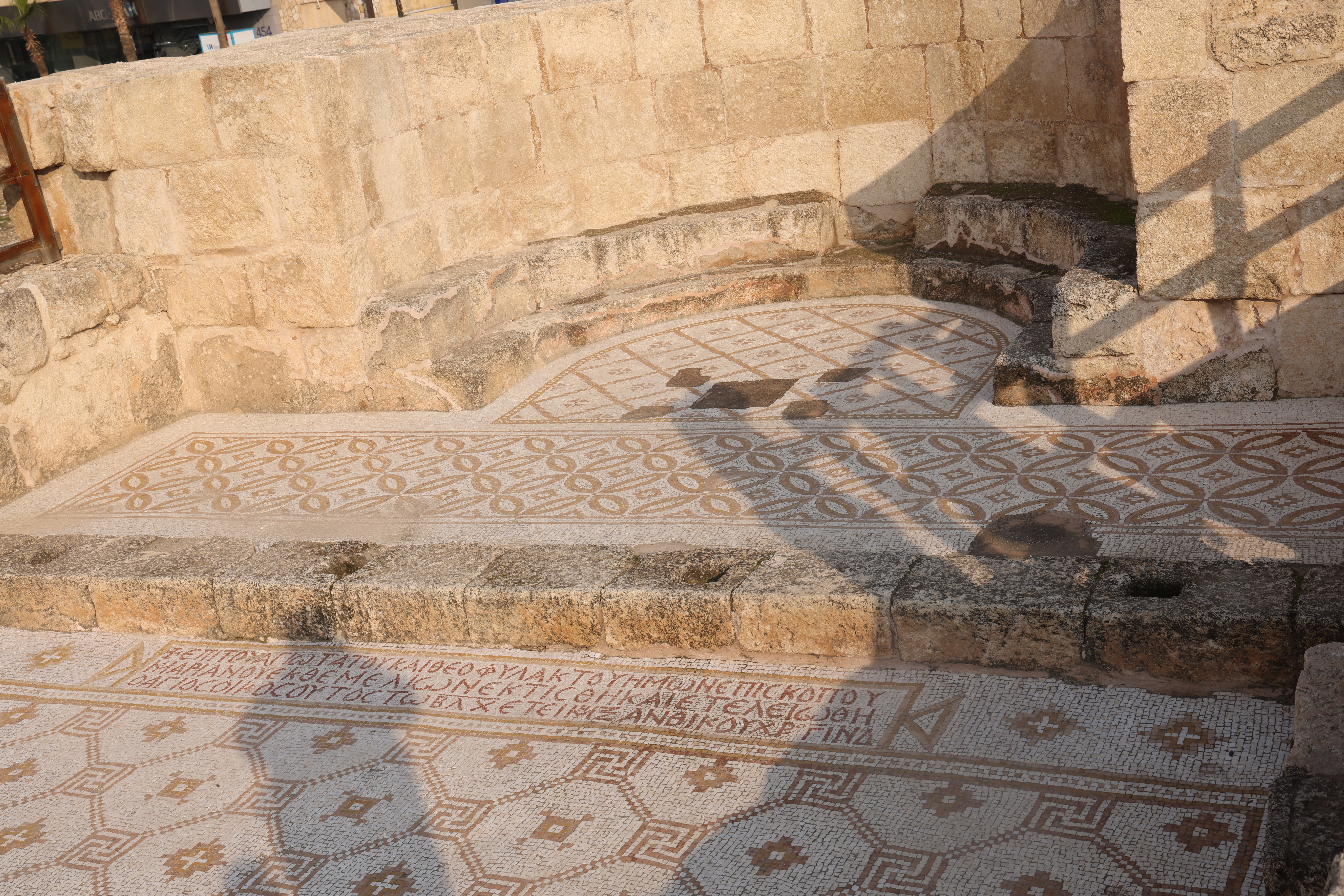
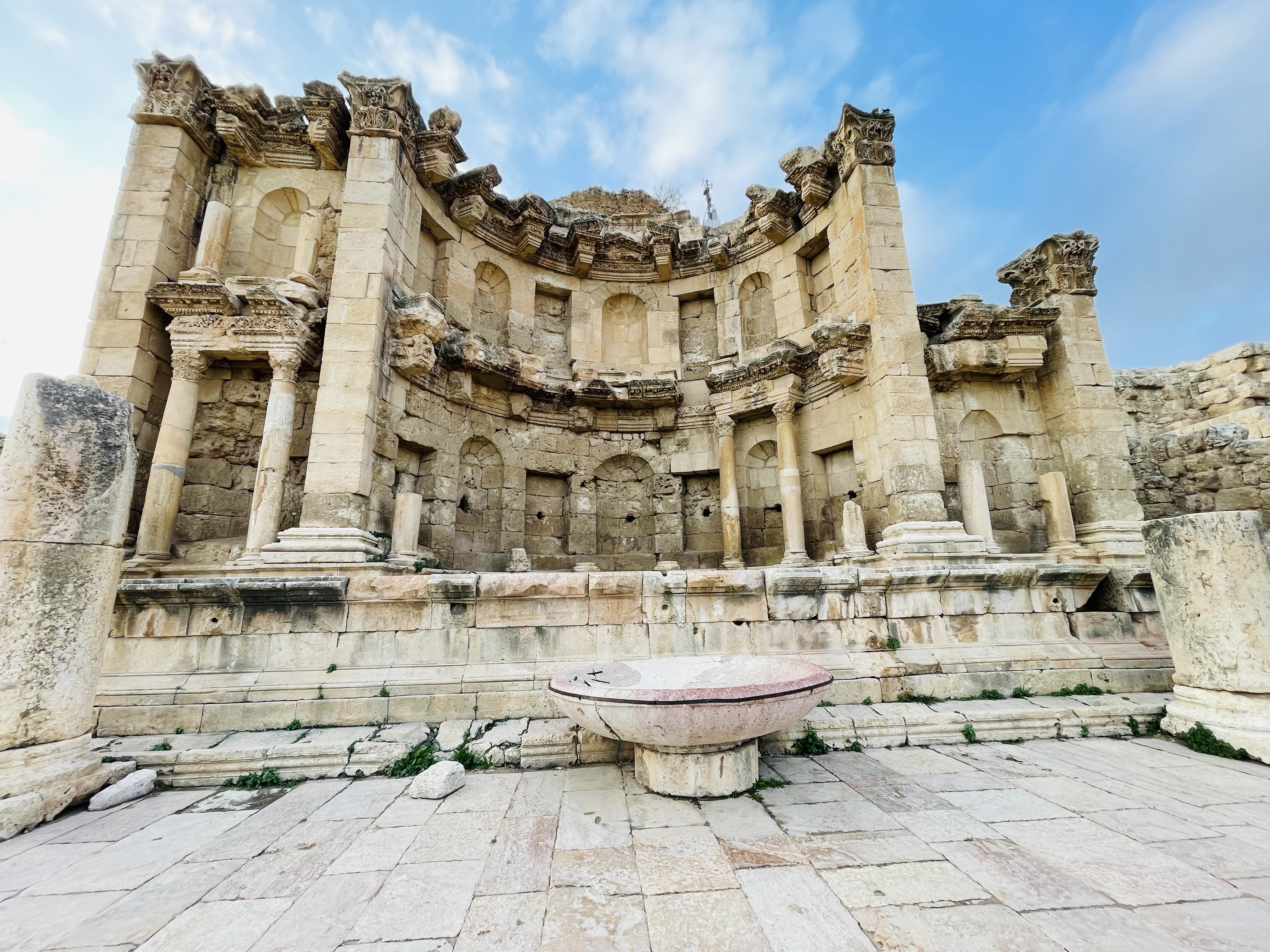
Jerash was adorned with grand public buildings, including the Temple of Artemis, an expansive oval plaza, theaters, a hippodrome, and numerous churches. The city’s prosperity sprang from the fertile farmlands and trade networks, enabling it to become a cosmopolitan center. In Jerash, there’s a special fountain where long ago, people from the Byzantine era celebrated Jesus’ miracle of turning water into wine once a year. Nowadays, this place, called the “Fountain Court,” is a favorite spot for today’s pilgrims who want to follow in the footsteps of Christ and experience his teachings.
Note:
This blog is not an exhaustive compilation of biblical sites of Jordan. These are the ones that I explored in 2022.
The Jesus Baptism site can only be visited on an official tour with an official guide. As such, the first stop for all tourists is the little visitors center in Bethany Beyond the Jordan. In my opinion, this is the best setup since the official guides from the visitor centre are extremely knowledgeable about all the little biblical and historical nuggets and truly make an attempt to engage with the tourists. The tour starts with a short bus ride (about 10 minutes) from the visitor’s center to the area surrounding the baptism site. Entrance to Bethany, Madaba Map and Mount Nebo is not included in Jordan Pass.
Related (and not-so related) Posts:
 The Lost Coordinates
[…] And I still have pending blogs drafted and waiting to be completed. I finally managed to complete my Jordan chronicle from 2022. Going to work on few more travelogues from 2022 and 2023. Here’s to hope for […]
LikeLike