
Two facets of Korean culture are closely related to the growth of artistic coffee shops. It first affects Korean social life. The social aspect of the cafe is more important than the drink itself. People in Korea tend to be group-oriented, therefore gatherings are usually voluntary and take place somewhere other than at home. A Korean person’s invitation is sacred; you don’t just show up at someone’s house because you’re bored or because you felt like it. The second reason is that, despite having a contemporary spin, it fits right into the Korean culinary scene. Korean cuisine is a gastronomic odyssey of tastes and surprises, paying tribute to the culture. Given this clear definition, it makes sense that I would be more drawn to Seoul’s food museum than to the city’s coffee culture. Why, even though I am a known caffeine addict? Food culture is shaped by common attitudes, beliefs and practices, and is an integral part of society. Certain ethnic foods are strongly associated with the identity and culture of a specific community.
Kimchi in history
Let’s journey back in time to explore the tasty roots of Korean cuisine! Way back in the 11th to 17th centuries BC, a Chinese poetry book called Sikyung (the Classic of Poetry), gave us the first glimpse into Korea’s love affair with fermented veggies. In fact, Korea’s fermentation skills were mentioned in the Samguk Sagi, an old history book on the Three Kingdoms. The term jeo (菹) comes up in Hunmongjahoe literature where “Cucumbers growing on the farm are shredded to make jeo and offered to ancestors,” thereby adding to the context of pickled vegetables. As Korea opened up to the world through trade, they started swapping food ideas with China, Japan, and even Europe. Suddenly, Korean kitchens were buzzing with new ingredients like Chinese cabbage or napa, maize, sweet potatoes, tomatoes, peanuts, and squash. Fast forward to the late Joseon Dynasty, and noble families were feasting on a fancy version of kimchi called seokbakji. This high-class kimchi was a blend of sea staghorn, colorful veggies, seafood, and more. Experts think this seokbakji might have been the OG version of tongbaechu kimchi, the whole cabbage kimchi we know and love today. And guess what? It’s still a staple during kimjang, the big kimchi-making festival for winter!

Kimchi war
Here’s a juicy scoop: there’s been some serious beef brewing over the history of Korean cuisine lately. Turns out, China has a big say in shaping Korea’s culinary story, and that’s got folks riled up. Enter the “kimchi war.” It’s like a cultural showdown between Korea and its neighbors, China and Japan, all over everyone’s favorite fermented cabbage dish. And let me tell you, it’s not just about food—it’s a clash of politics, money, and national pride. It all started back in 1996 when Korea got steamed about Japan selling what they called “kimuchi”, which was not fermented and more similar to asazuke, a Japanese pickled vegetable characterised by its short preparation time. Furthermore, Japan attempted to register its kimuchi as a Japanese original food at the Codex Alimentarius Commission held in Tokyo in 1996 at the same time as Korea’s attempt of registering kimichi as Korea’s original food. In 2001, the Codex Alimentarius published a voluntary standard defining kimchi as a fermented food. What a saucy standoff!
Now the spicy saga between Korea and China started in 2012 and went on until 2020 when China put a ban on Korean kimchi imports. Why? Because they claimed Korean kimchi had more Bacillus bacteria than their own version, pao cai. Even historical texts were talking about this difference: the word jeo or kimchi (菹) differs from the Chinese character used for pao cai (泡菜), thus indicating that kimchi and pao cai are two separate dishes. Then, in 2017, Chinese media stirred the pot by urging folks to boycott Korean products, and some die-hard nationalists swore off kimchi altogether! But the plot thickens: in November 2020, the International Organization for Standardization (ISO) dropped new rules for making pao cai. Talk about a pickle!
what is Kimchi?
All these tales of kimchi war makes you wonder what makes this fermented veggie dish so darn special! So, here’s the scoop:
First off, it’s all about how the veggies are salted. Second is the magic of the fermentation process that takes place inside a special container after mixing those salty veggies with special seasoning. This ups the nutrition game big time, making it extra tasty and good for you! Third is really the kicker – unlike other pickles, with kimchi, you get to enjoy both the veggies and their tasty juice together. It’s like a flavor explosion in your mouth!
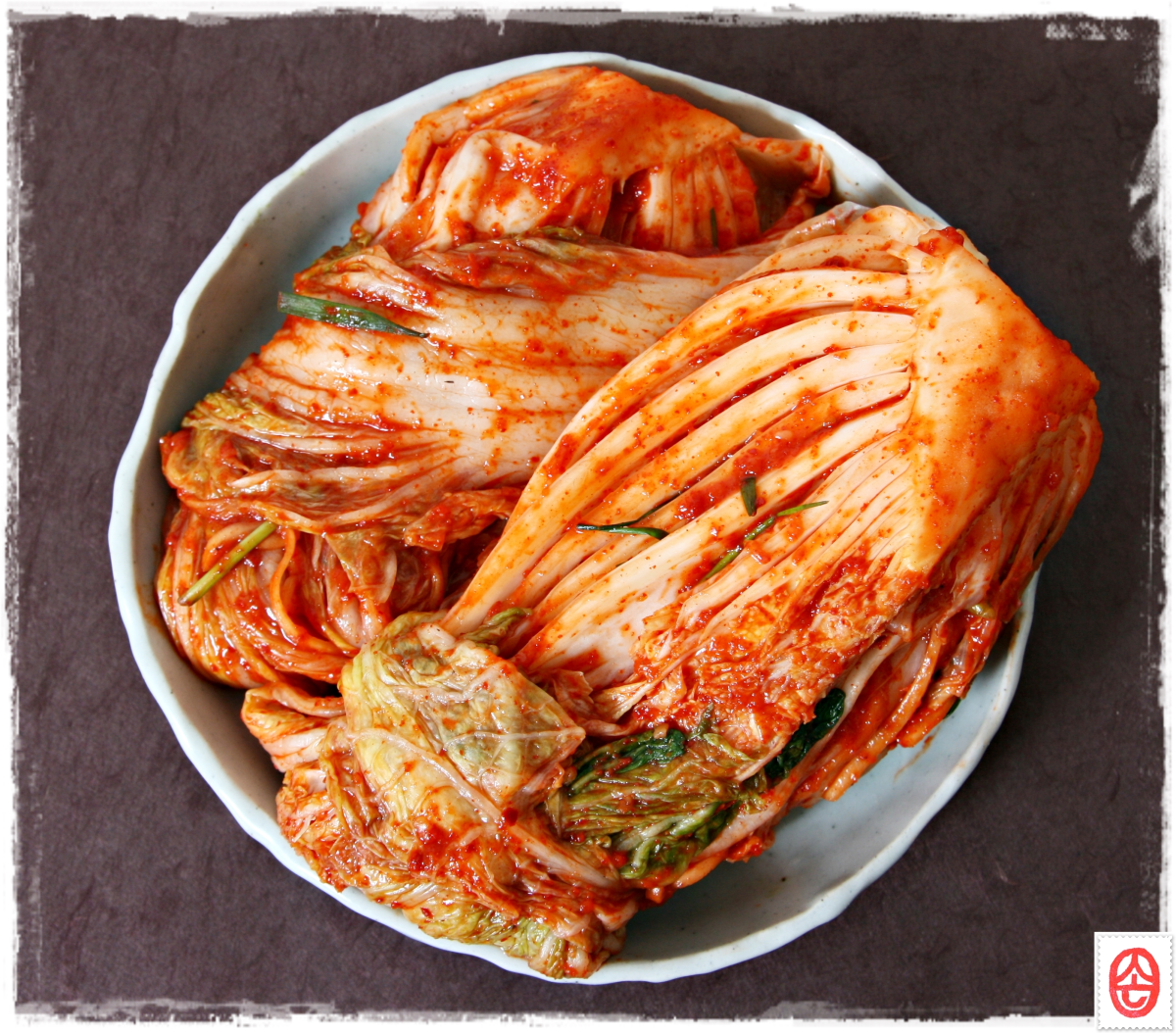
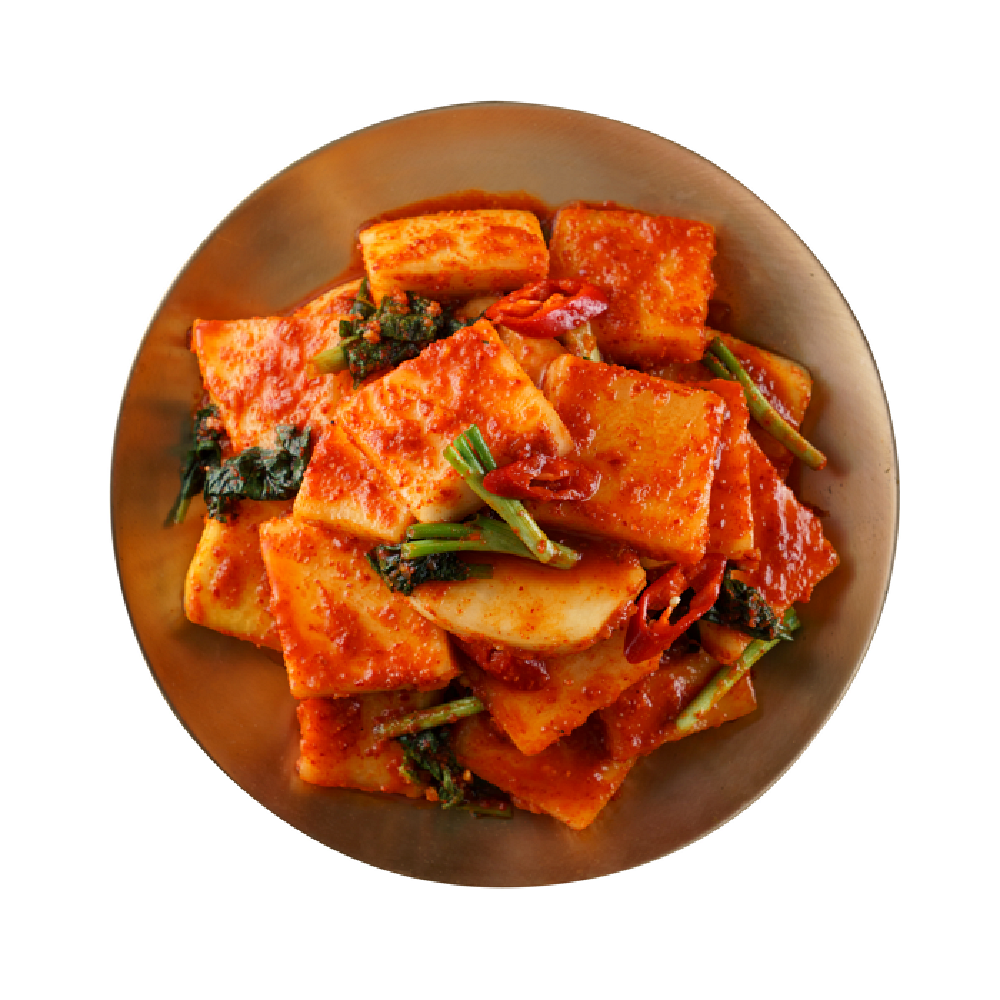
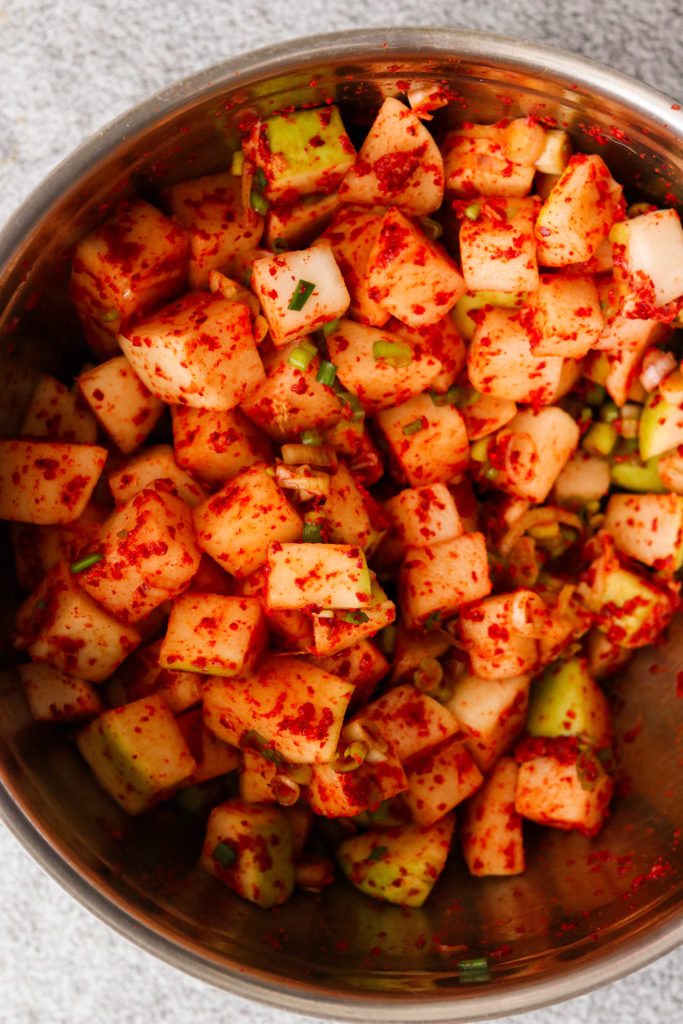
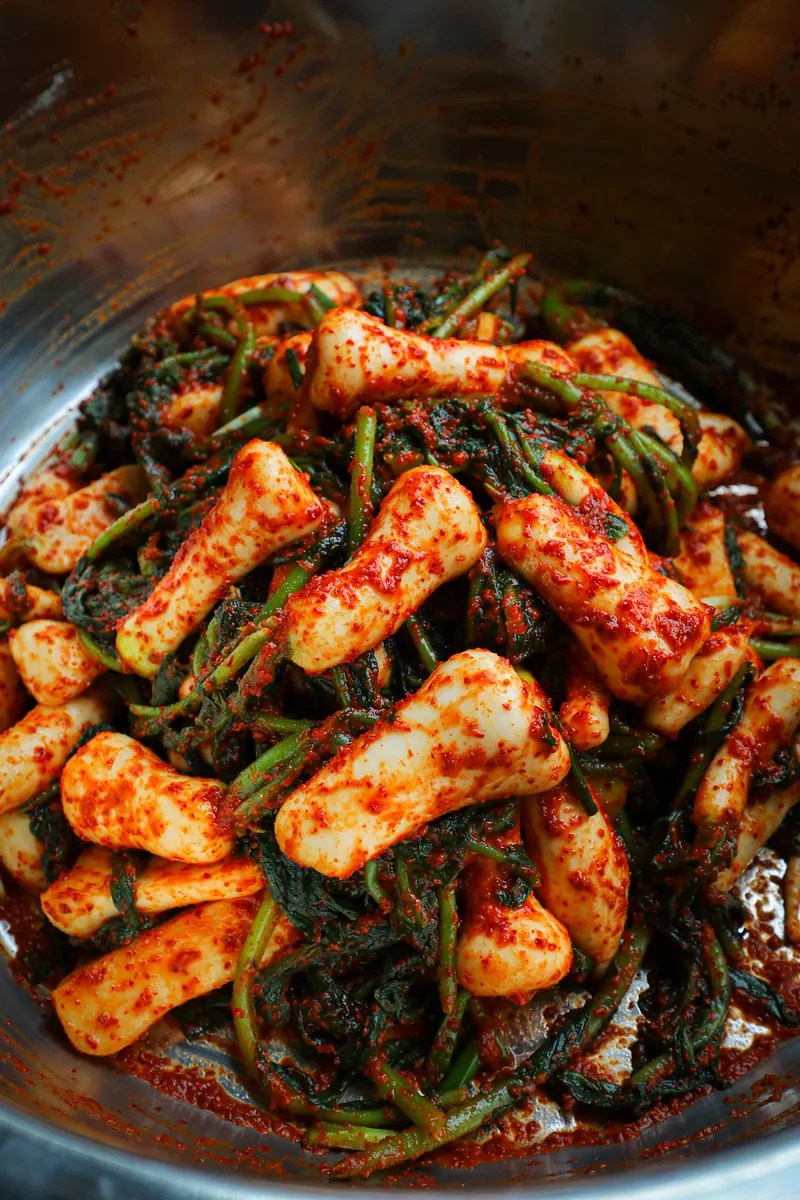
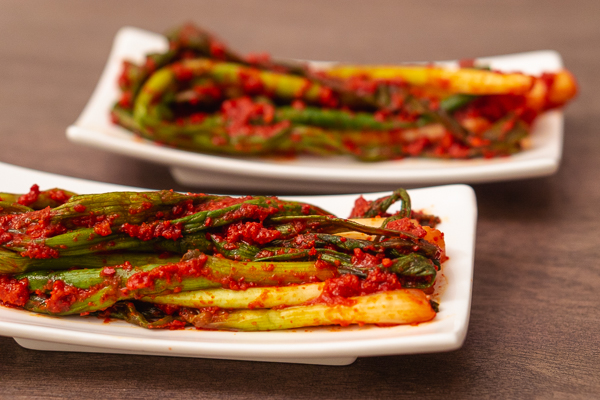
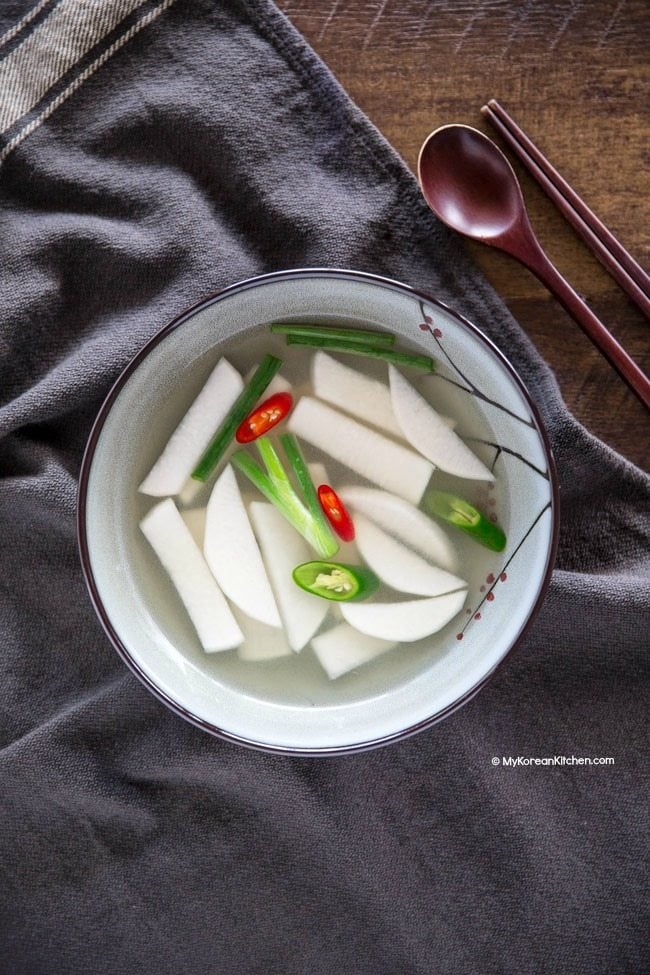
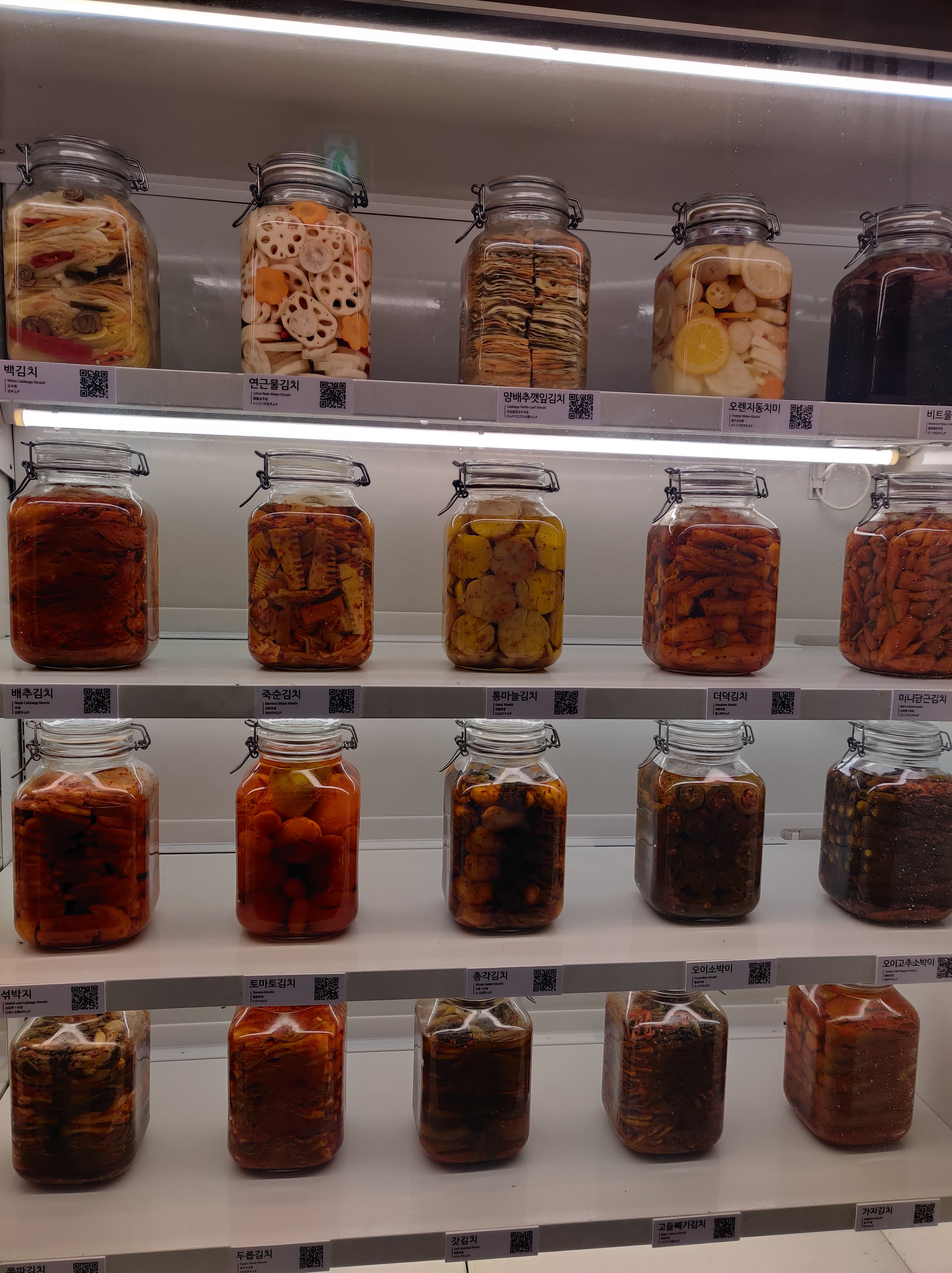
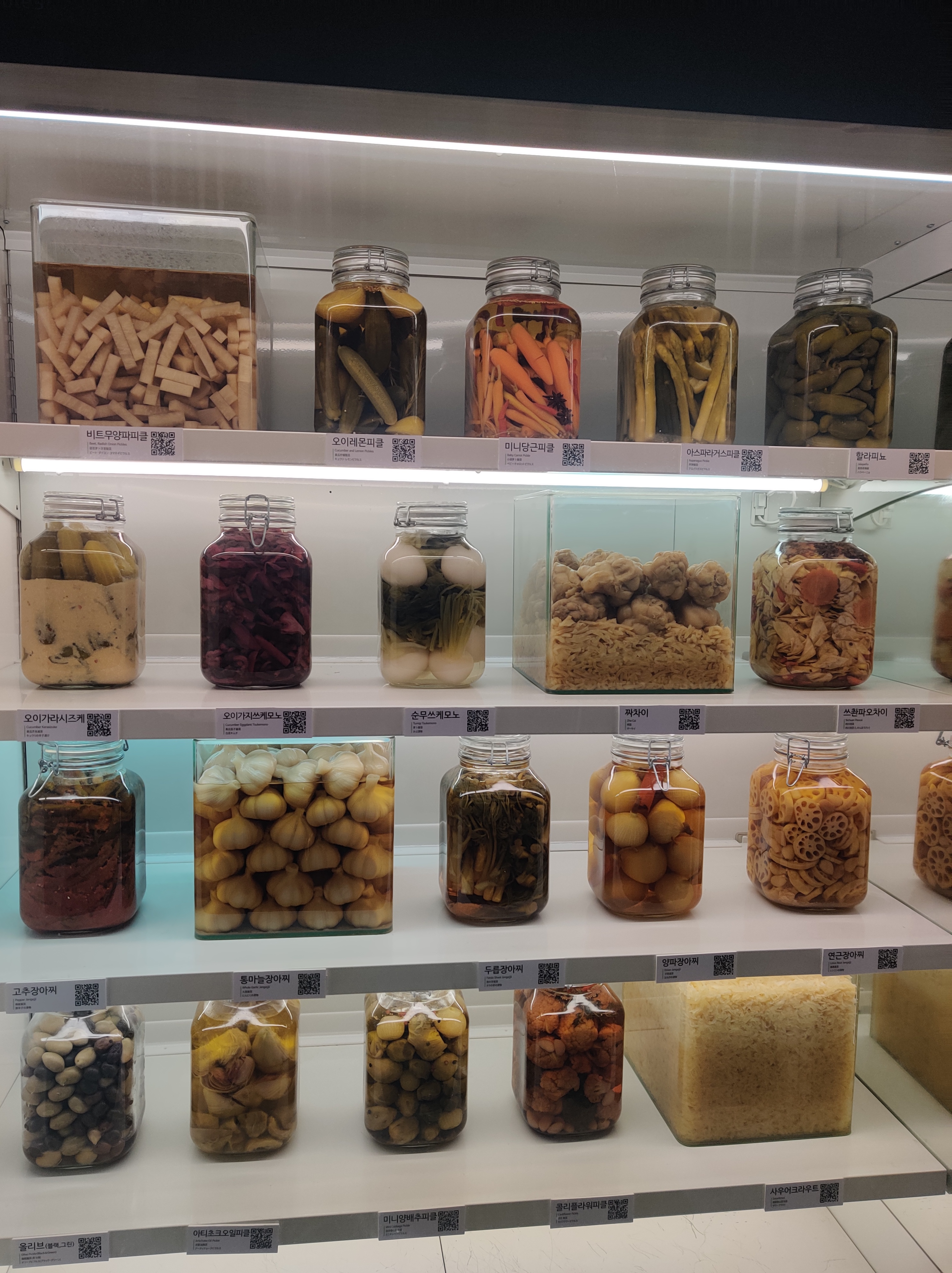
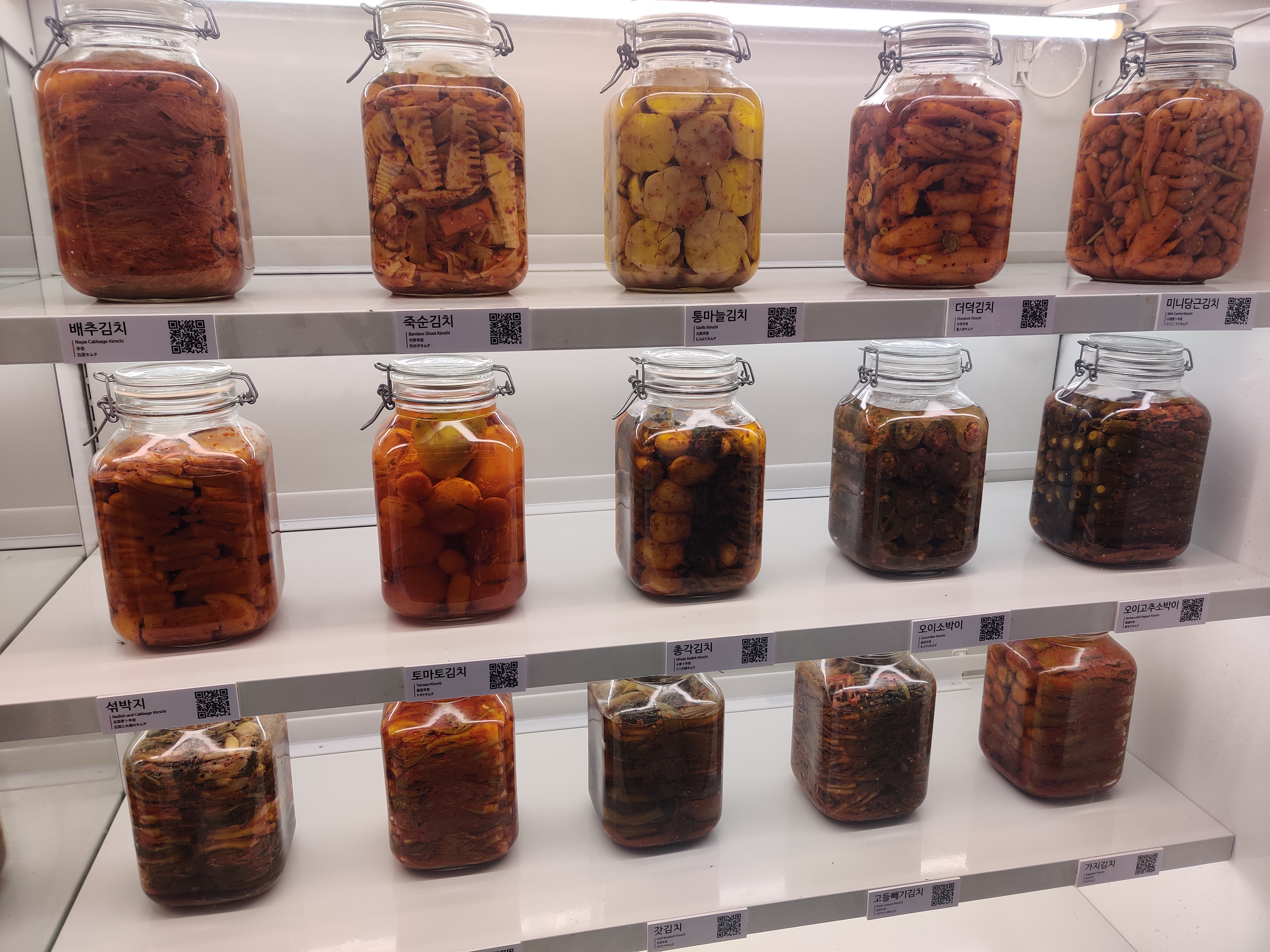
And get this – there are over 200 kinds of kimchi in Korea! The most famous one, baechu kimchi, is made from napa cabbage. It’s basically the king of kimchi. Then you’ve got kkakdugi kimchi, made from Korean radish, and chonggak kimchi, made from ponytail radish. There are many variations such as – green onion (pa) kimchi, mustard leaf (gat) kimchi, perilla leaf (kkaenip) kimchi, cucumber (oi sobagi) kimchi – and so on! Some types are even watery and perfect for soups, like dongchimi kimchi and nabak kimchi. Basically, every kind of kimchi has a name that comes from its main ingredient. And trust me, once you start exploring all the tasty variations, you’ll be hooked!
Kimjang to Kimchi
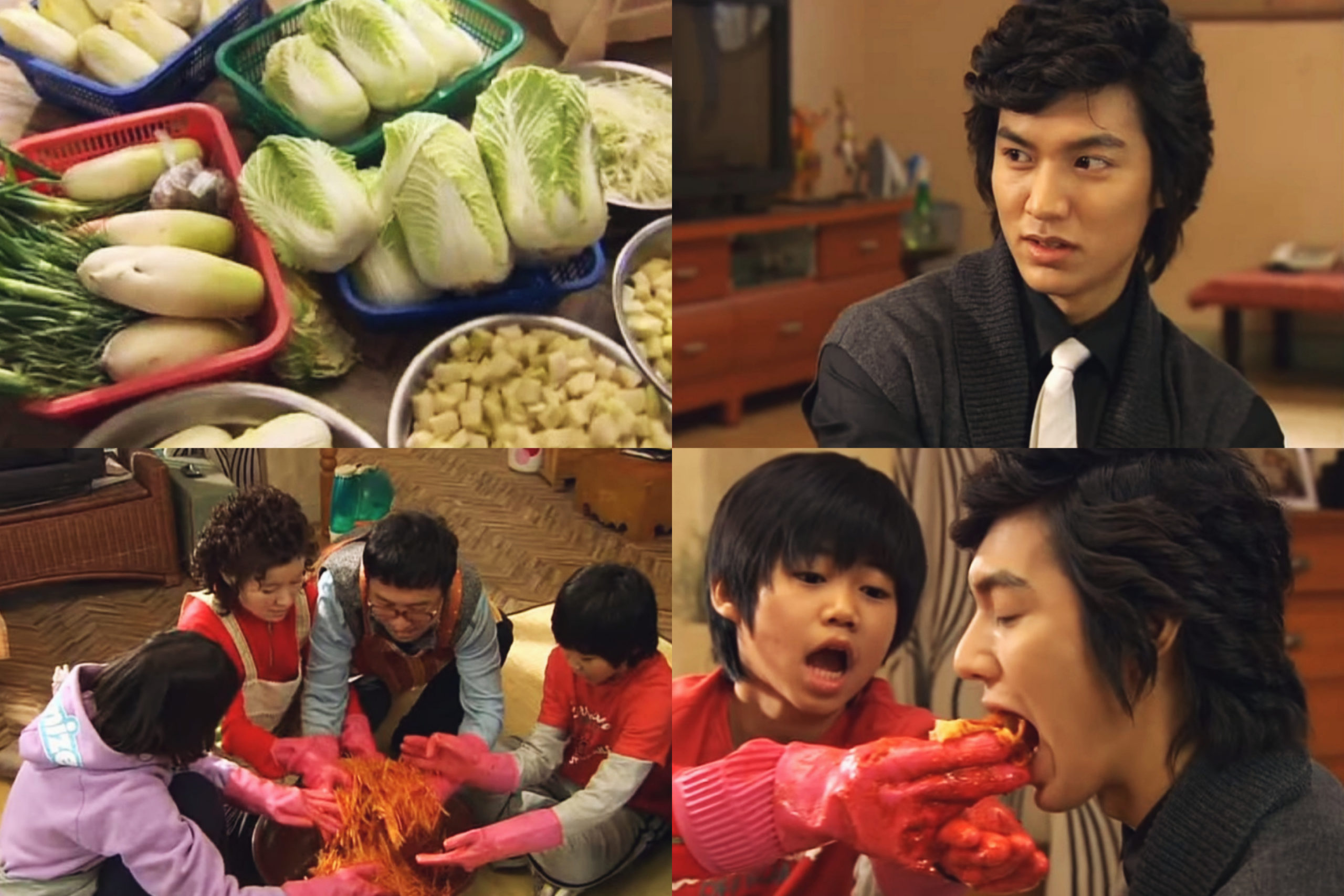
Kimchi is like the superstar that transcends class and geographic boundaries and has become an integral part of Korean cuisine. The communal act of preparing kimchi, or kimjang, serves as a great way to foster family connection and reinforce Korean identity. And all the beloved K-drama fans can vouch for this!
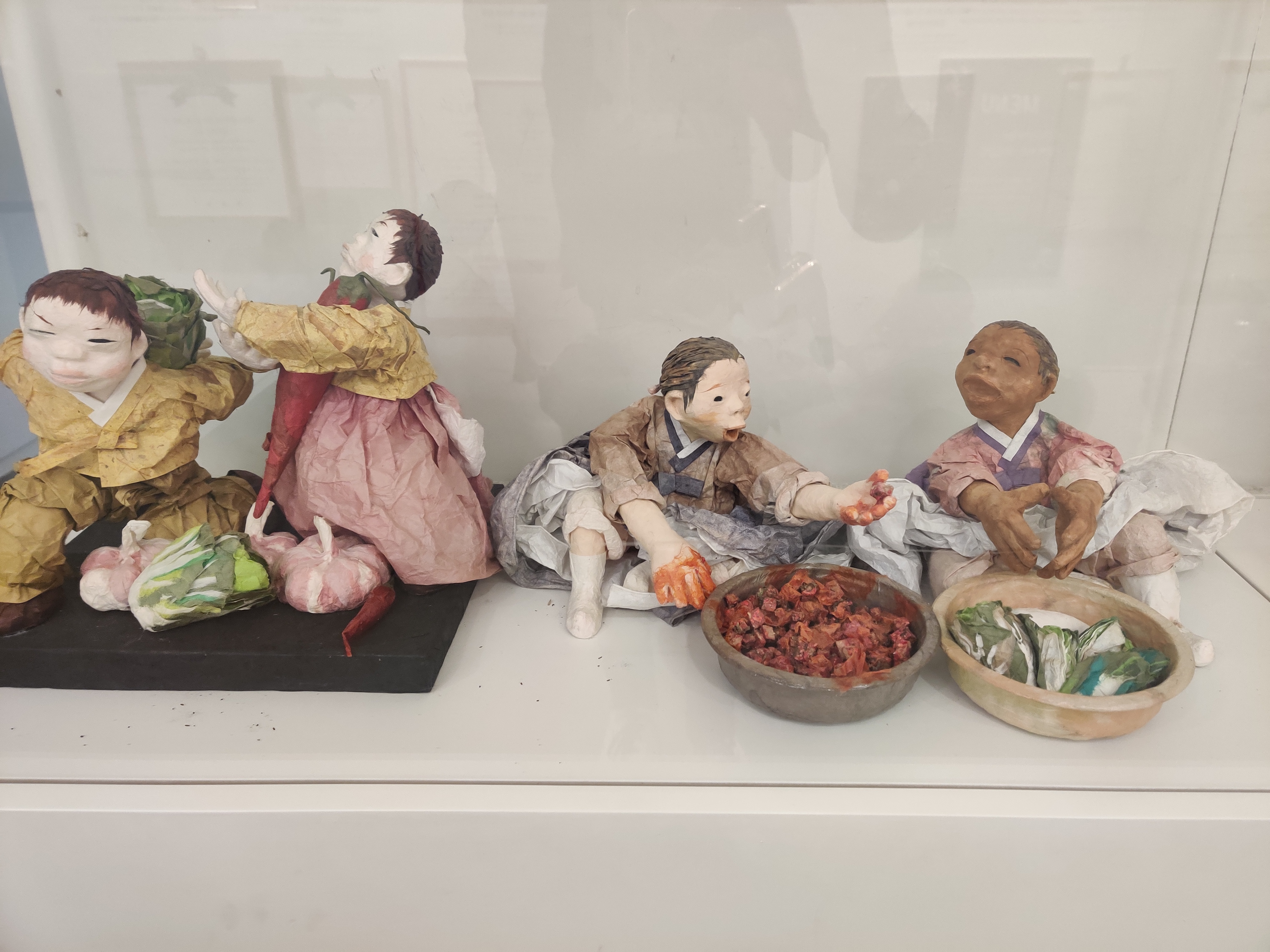
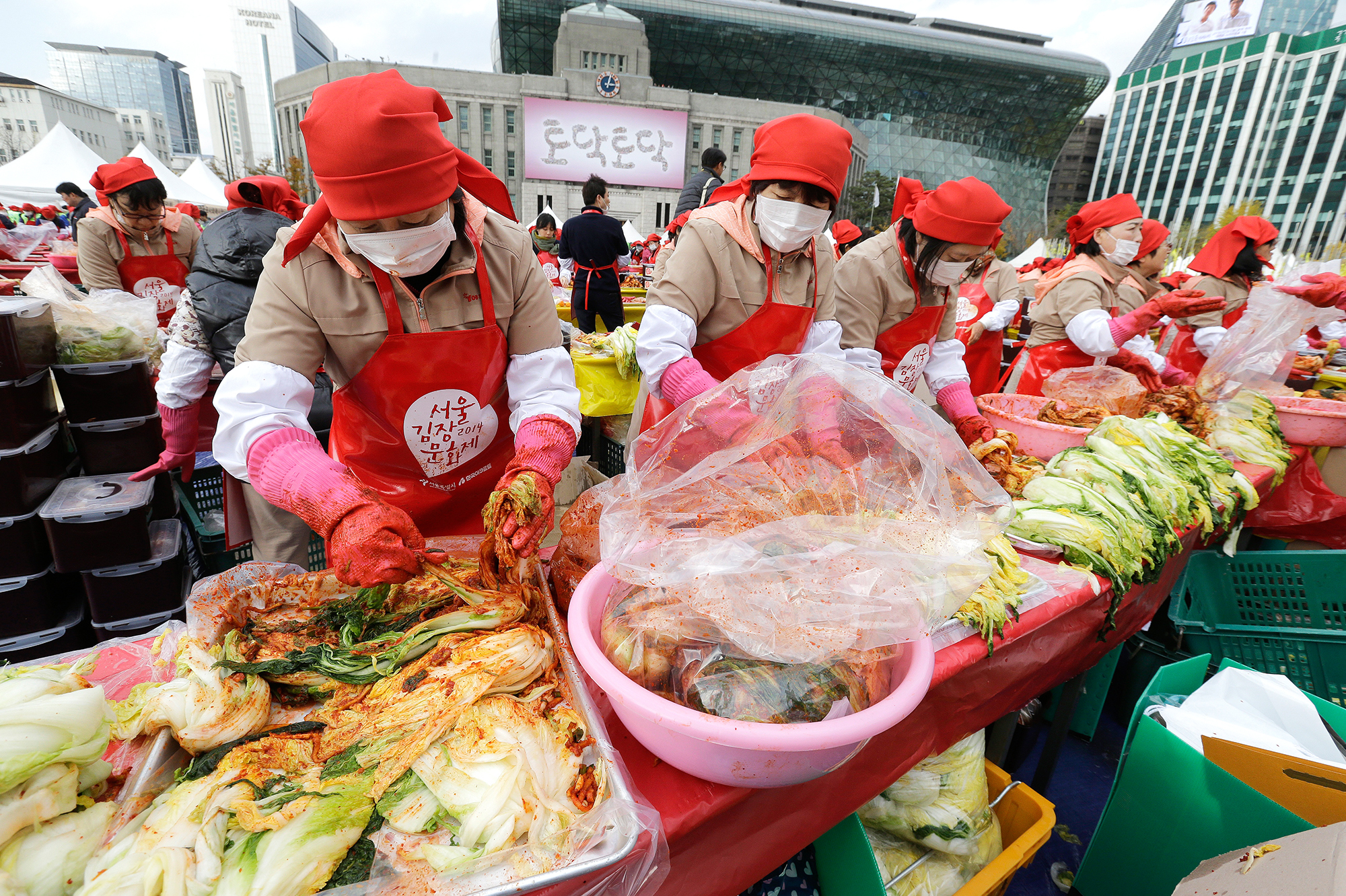
Kimjang season kicks off in late October, just in time for the chilly weather. That’s when everyone gets together to make sure every household has enough kimchi to last through the winter. It’s a beautiful reminder of how we need to live in harmony with nature. For many Koreans, Kimjang serves as a crucial reminder that human societies must coexist peacefully with the natural world. The whole process is like a dance through the seasons. In spring, they stock up on fish, anchovies and prawns for fermenting. Then in summer, it’s all about gathering sea salt for the brine. Come late summer, they dry and grind up those spicy red peppers. And finally, in late autumn, it’s kimjang time!
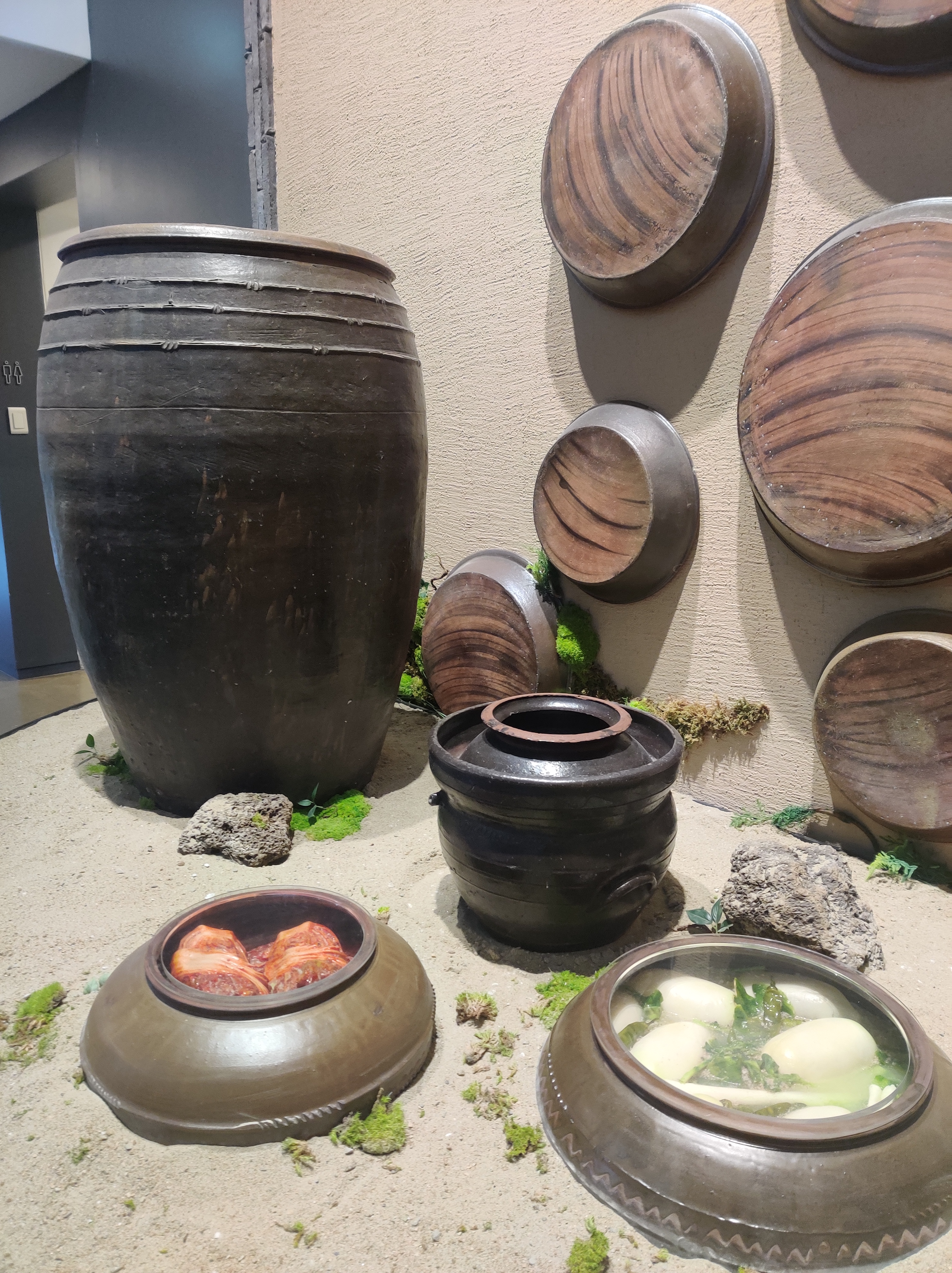
inside a Kimchi
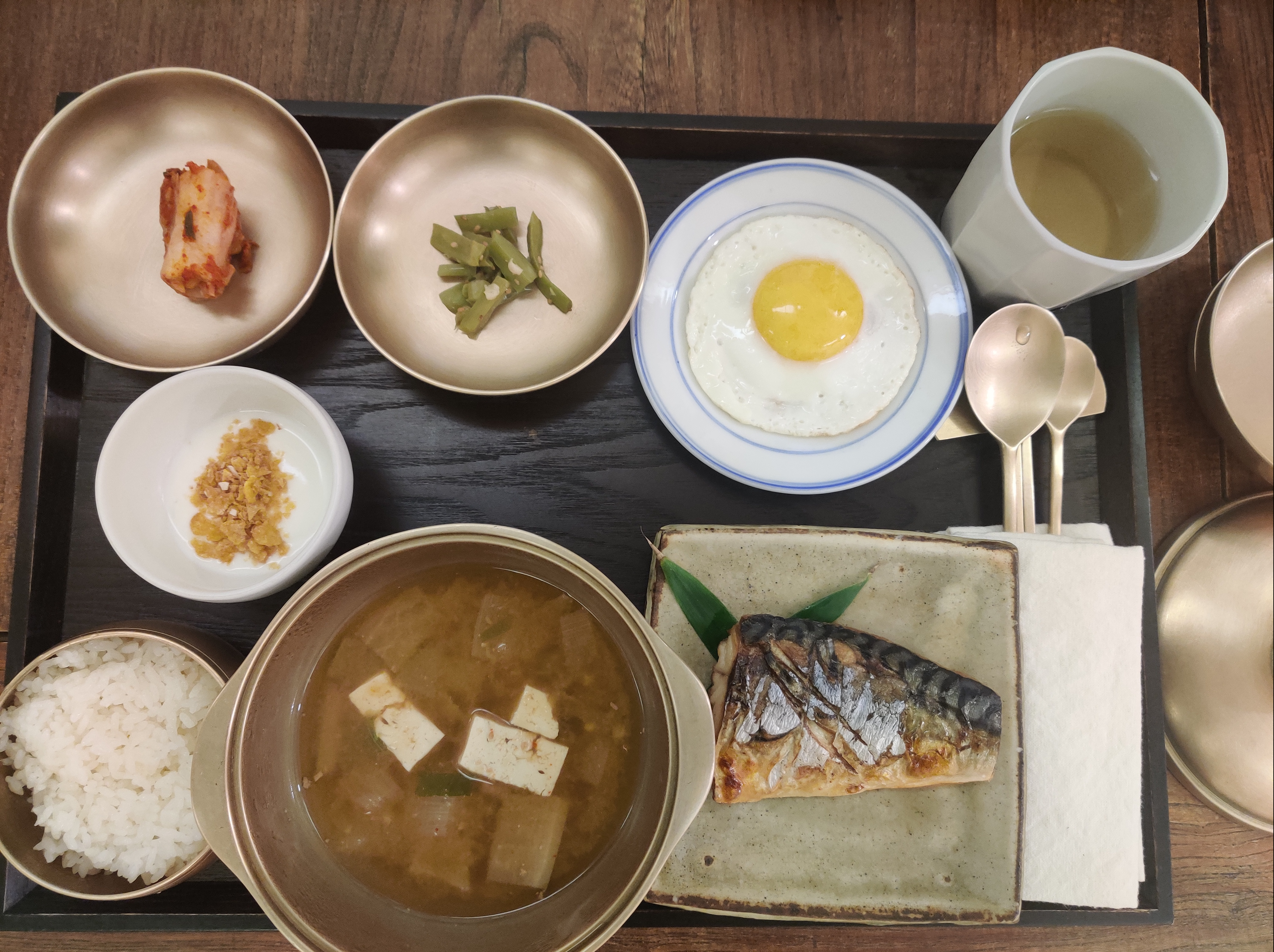
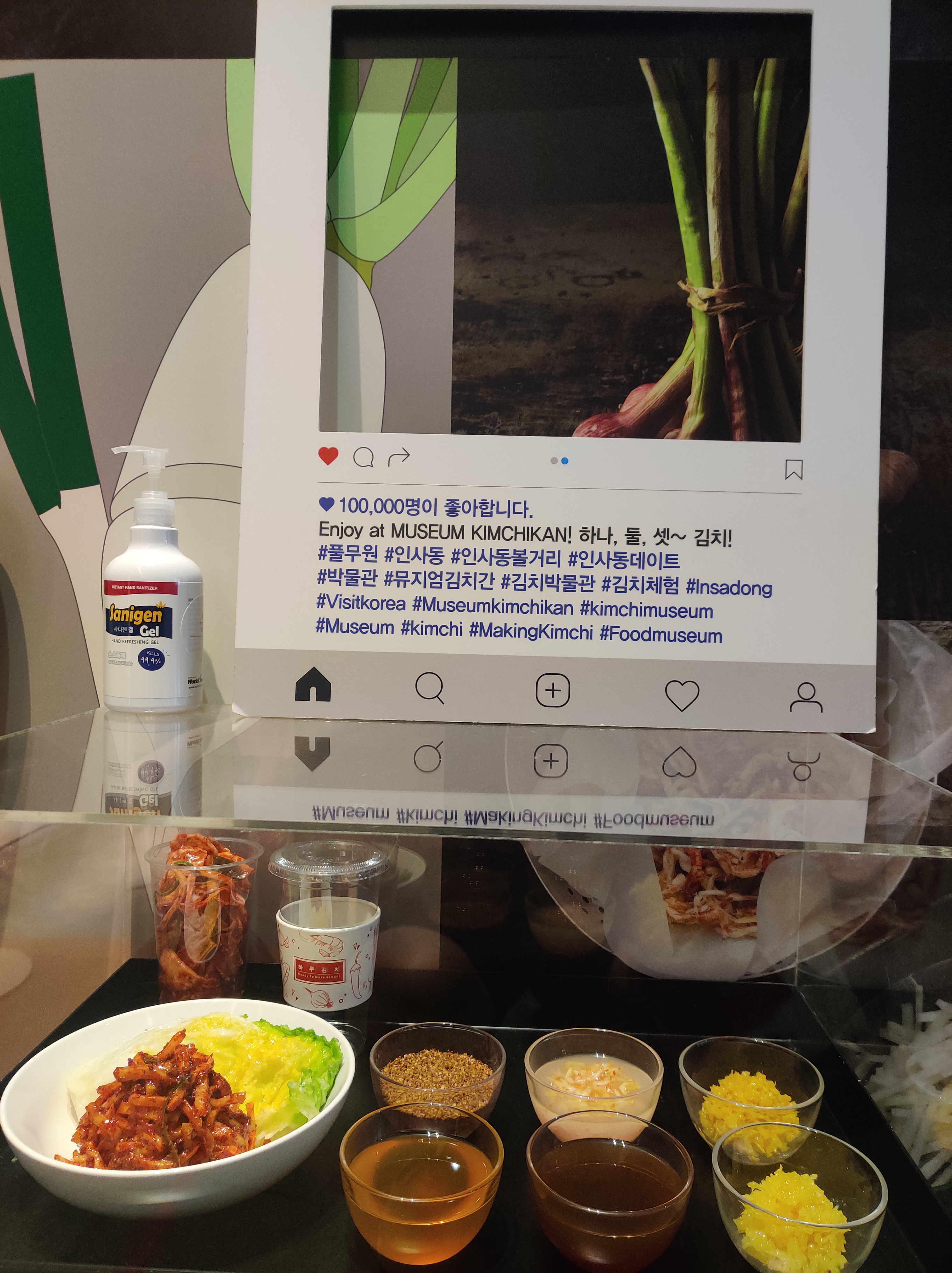
Kimchi is made by fermenting vegetables and additional ingredients (seasonings) in a closed container preferably at a low temperature to allow slow microbial activity and flavor development, as well as long preservation. The fermentation of kimchi takes place due to the activity of lactic acid bacteria (LAB) producing a plethora of organic acids and other compounds that contribute to the unique and complex flavor of kimchi. It is usually served as a side dish (banchan) to be eaten with other elements of a Korean meal (bapsang), including steamed rice (bap), soup (guk), salted dish (jang), and other side dishes consisting of vegetables (namul) and/or protein dishes (meat and fish).
In Korea, there is a common saying “if you have kimchi and rice, you have a meal”. This expression highlights the important place kimchi has in the Korean food culture. Even without any other dishes, the sole presence of kimchi and rice would suffice to compose a complete Korean meal.
A museum dedicated to kimchi named the Kimchi Field Museum (Kimchikan) was established in Seoul, South Korea in 1986. It was Korea’s first food museum. In 2000, the museum was renovated so as to expand and improve its facilities for visitors in anticipation of the third Asia-Europe Meeting in Seoul. The museum was reopened at Insa-dong, Jongno District, Seoul, in April 2015. The Cable News Network (CNN) selected the museum as one of the world’s best food museums. Its exhibits focus on the history of kimchi, its many historical and regional varieties, and its importance to Korean culture and cuisine.
KimchI – the korean identity
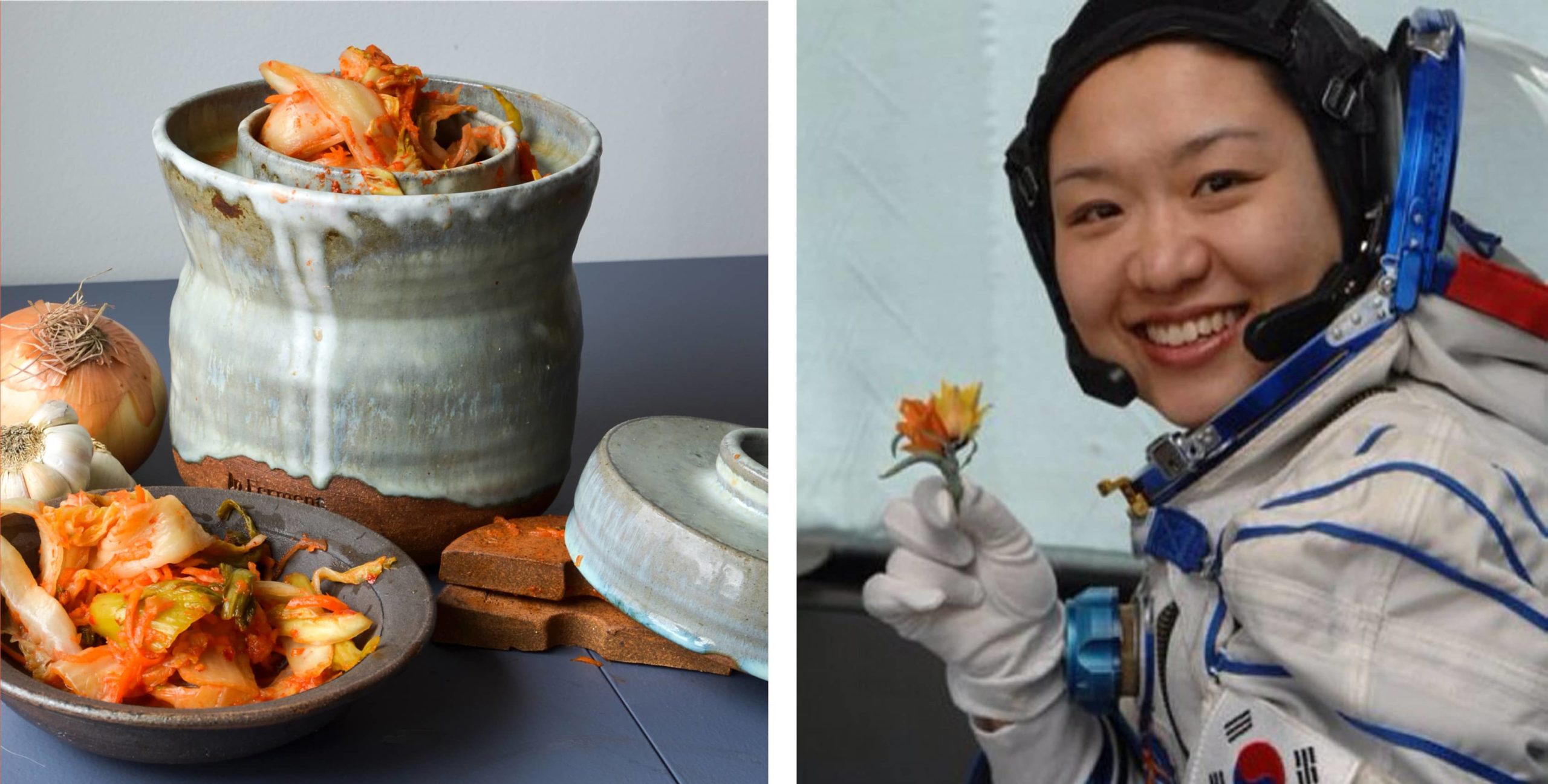
Kimchi isn’t just food in South Korea – it’s a national treasure! UNESCO even calls the tradition of making and sharing kimchi an Intangible Cultural Heritage. That’s because kimchi is more than just a dish; it’s a big part of Korean identity – so much so that when South Korea launched its first astronaut to space in 2008, it sent kimchi with her. Believe it or not, there was a time when kimchi wasn’t so popular. It was considered as an inferior food, fit for the poor because of its strong smell. But things have changed! Korea is a perfect example of how gastro diplomacy can be used as a soft power to build the image of a nation and gain international recognition. Who needs war, when hunger is the key?
The commercialization and industrialization of kimchi production were done for the first time during South Korea’s involvement in the Vietnam war (1955–1975). The story mentions how the Korean government wanted to make sure their troops had enough to eat, including kimchi. A request for help was then sent by the Korean government to the American government to ensure that South Korean troops, reportedly “desperate” for kimchi, could obtain it in the field. After the war, kimchi started popping up in all sorts of places such as construction sites in Middle East where Korean workers were working, especially during the late 1970s and early 1980s. It was like kimchi was spreading the taste of Korea everywhere it went!
Kimchi’s journey to fame continues further in 1984 at the Summer Olympic Games in Los Angeles. For the first time, foreigners got a taste of kimchi, and they loved it! Later on, kimchi was designated as the official food for the 1986 Asian Games and 1988 Summer Olympic Games, both of which were held in Seoul, South Korea. These events put kimchi on the map, making it famous worldwide. In 2010, South Korea coined a new brand identity called “Taste of Korea” to show off their delicious dishes, including kimchi. Along with the global popularity of Korean pop (K-pop) and Korean drama (K-drama) initiated in the late 2000s, K-food and kimchi flourished and started to be internationally associated with the identity of Korea as a nation. And it worked!


At the 2010 FIFA World Cup, South Korea used a giant kimchi jar shaped like a soccer ball to promote their beloved dish. But it’s not just about fame – kimchi is also good for you! Un-Ju Kim, a North Korean weightlifter, credits kimchi for helping her stay healthy and strong. So, next time you enjoy a bite of kimchi, remember that it’s not just food; it’s a symbol of Korea’s culture and a delicious way to bring people together around the world!
Further readings:
The Museum of Kind is a series of unique experiences, as perceived by me. It is not a debate on which is the best of all.
Related (and not-so related) Posts:
 The Lost Coordinates
[…] Museum of Kind 03: Kimchikan – The Lost Coordinates says: 20 May 2023 at 5:36 PM […]
LikeLike
[…] New Post […]
LikeLike
[…] Museum of Kind 03: Kimchikan […]
LikeLike
[…] The Museum of Kind is a series of unique experiences, as perceived by me. It is not a debate on which is the best of all.01 – India in Fashion02 – Neon in Junkyard03 – Kimchi […]
LikeLike