
Imagine stepping into a museum entirely dedicated to one captivating concept. The depth of insight showcased in such a carefully curated collection is simply astounding, don’t you think? Now, amidst the marvels of the exhibits, let’s talk about a museum visit’s unexpected highlight—the accessible toilets. After a day of exploration, these facilities offer a much-needed respite. Yet, I must confess, I harbor a peculiar fear of public toilets. Every time one of my friends has pointed out the need to address bodily functions while taking mini breaks, I always decline and say one thing “All my bodily needs has died and dried.” No one might get it, but JLo definitely does! Just need a Ben Affleck of my own to fix my woes, that’s all!
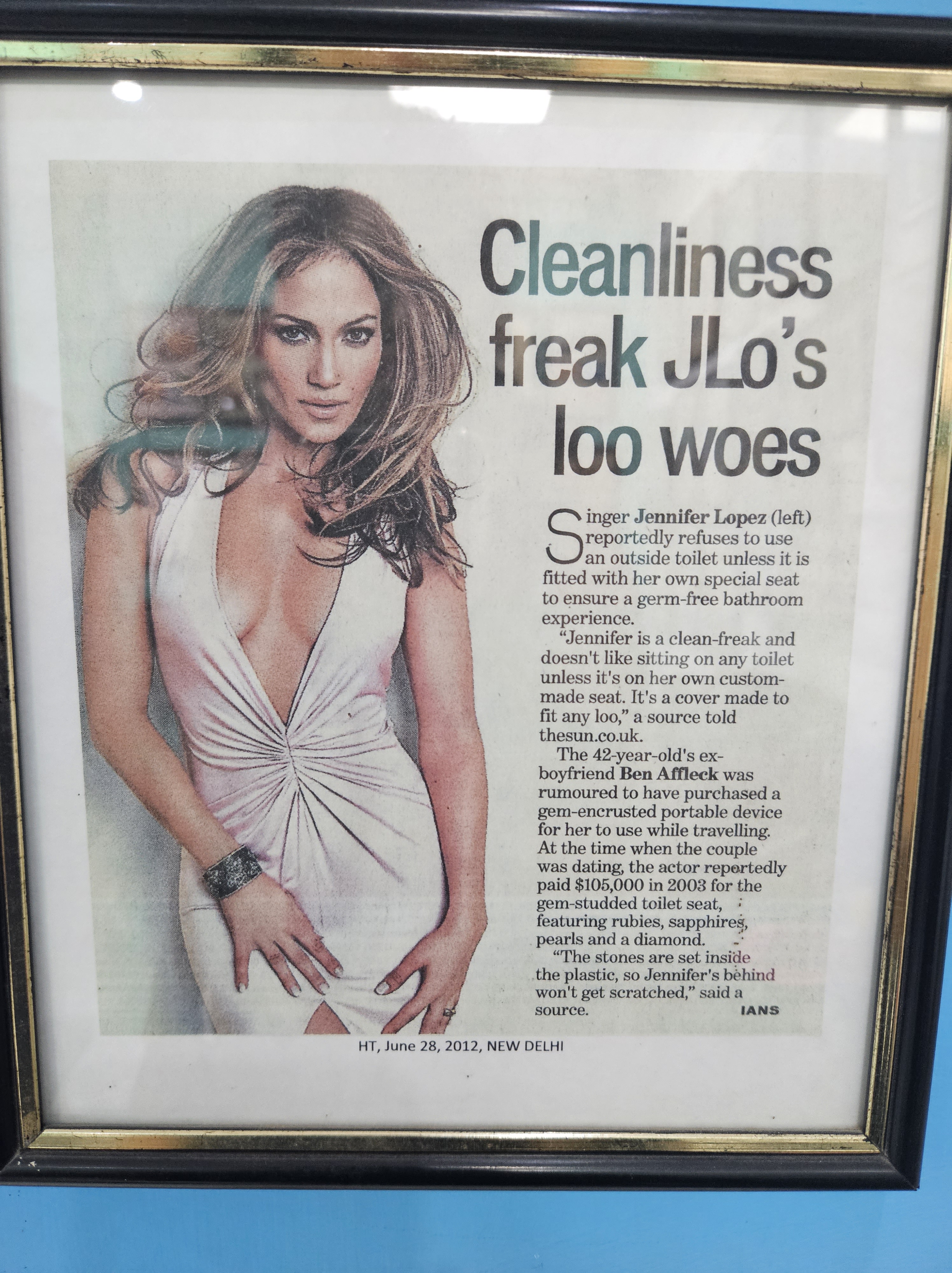
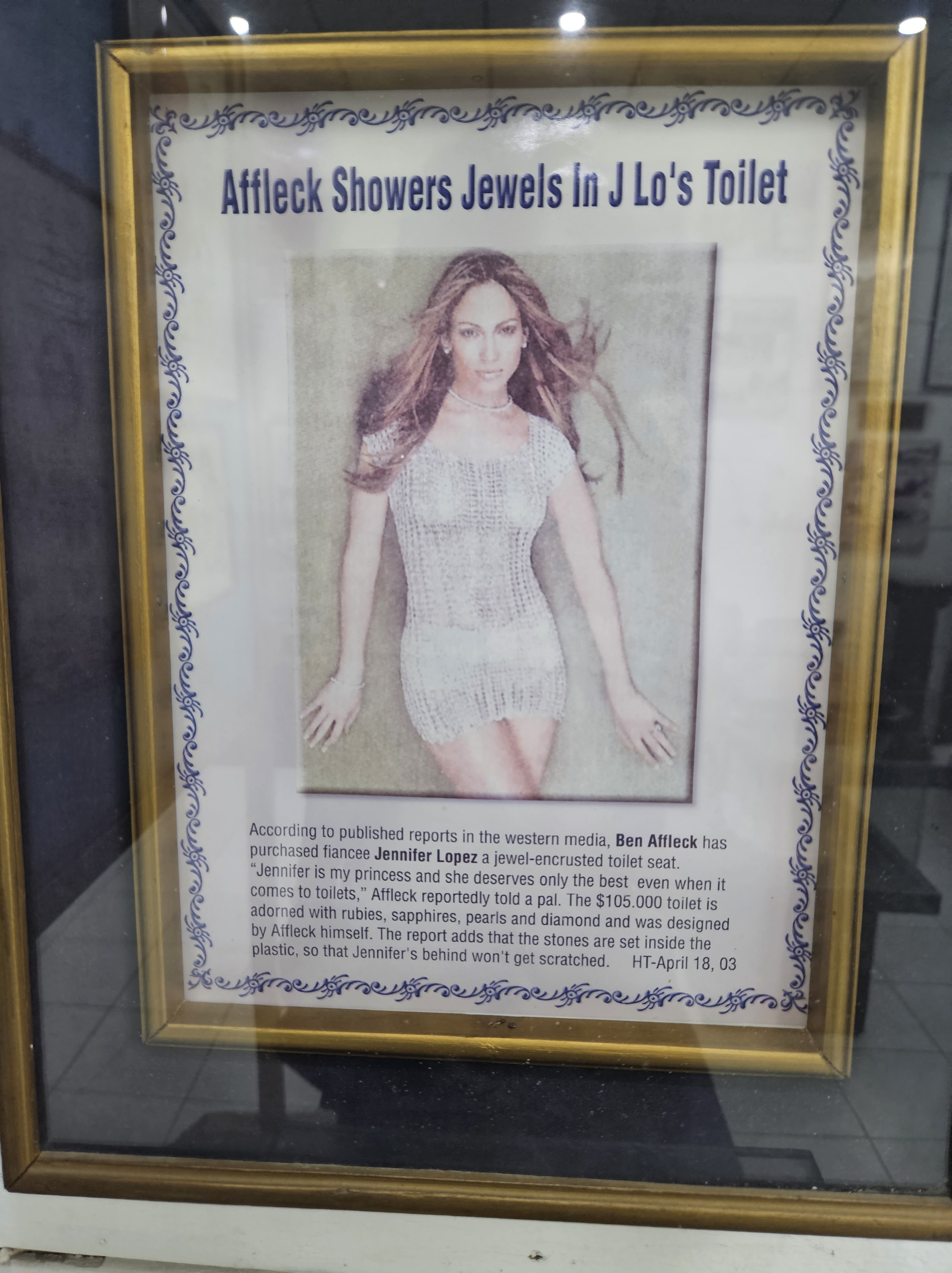
A toilet is not something you associate with museum even though you expect a toilet in every museum.
Poverty is no bar to perfect sanitation. The lavatories of even the poorest of the poor ought to be as clean and neat as a library or the kitchen. There should not be a trace of dirt or foul smell in it.
Mahatma Gandhi
Off the tourist map but ranked as the third weirdest museum in the world by TIME magazine, Delhi’s Sulabh Toilet Museum is surprising, to say the least. Public convenience, as these facilities are often called in public places, toilets and sanitation, have been championed as a cause by the Sulabh (convenient) International non-governmental organisation.
Man of the Hour
This unique museum takes you on a quirky journey through the fascinating history of sanitation. Founded by Dr. Bindeshwar Pathak, a visionary social reformer, it’s a testament to human creativity and the evolution of hygiene practices over centuries. Dr. Pathak dedicated his time and efforts towards transforming India’s cultural mindset toward improved sanitation services and hygiene practices while uplifting Indian communities with sanitary environments. In 1970, he founded Sulabh International Social Service Organization, a non-profit organization providing affordable sanitation facilities to people experiencing poverty and helping abolish the manual collection of feces.
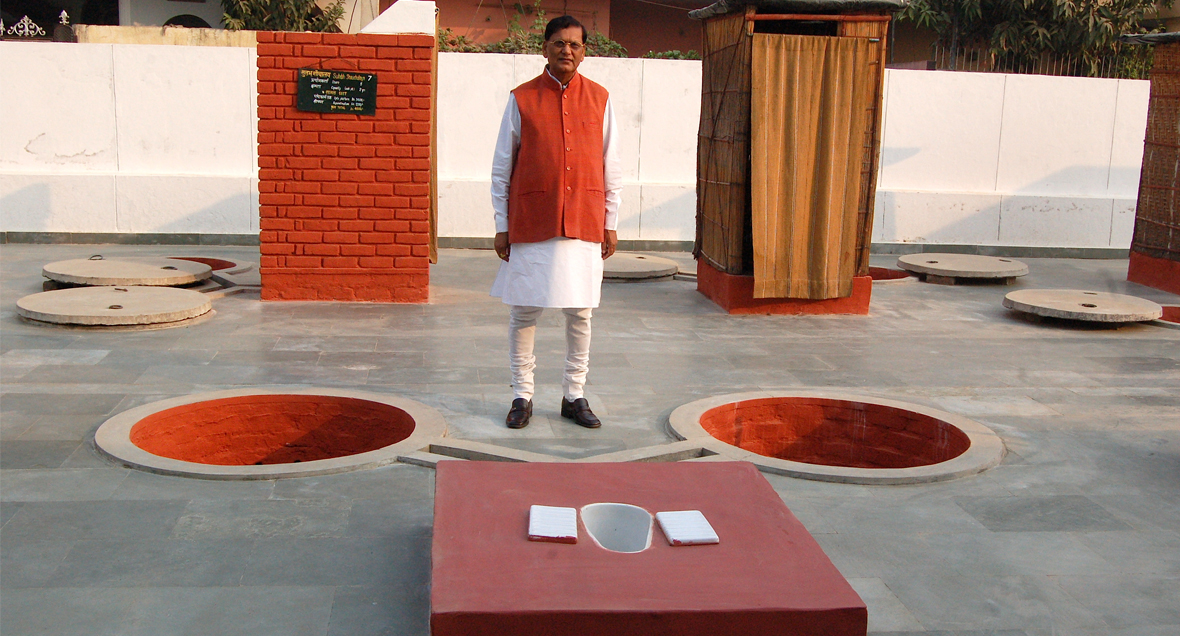
Dr. Pathak also invented the Sulabh Shauchalaya, a two-pit, pour-flush compost toilet that is a low-cost and eco-friendly alternative to sewers or septic tank systems, which people experiencing poverty cannot typically access. This compost toilet system has been recommended as an Urban Best Practice by the UN Centre for Human Settlements in the 1990s for about three billion people across the globe, among other UN-related accolades for Sulabh International.
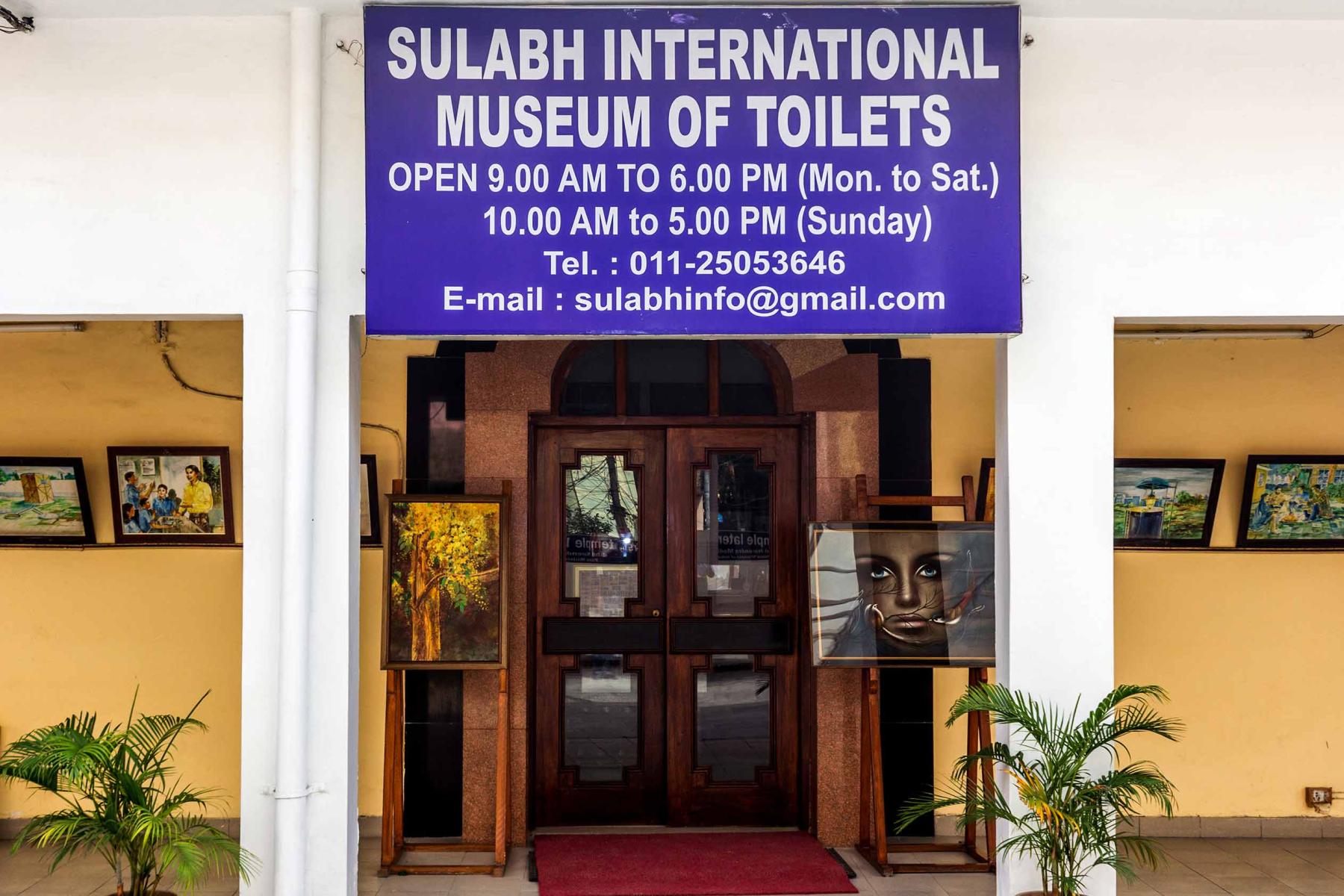
Museum Exhibits
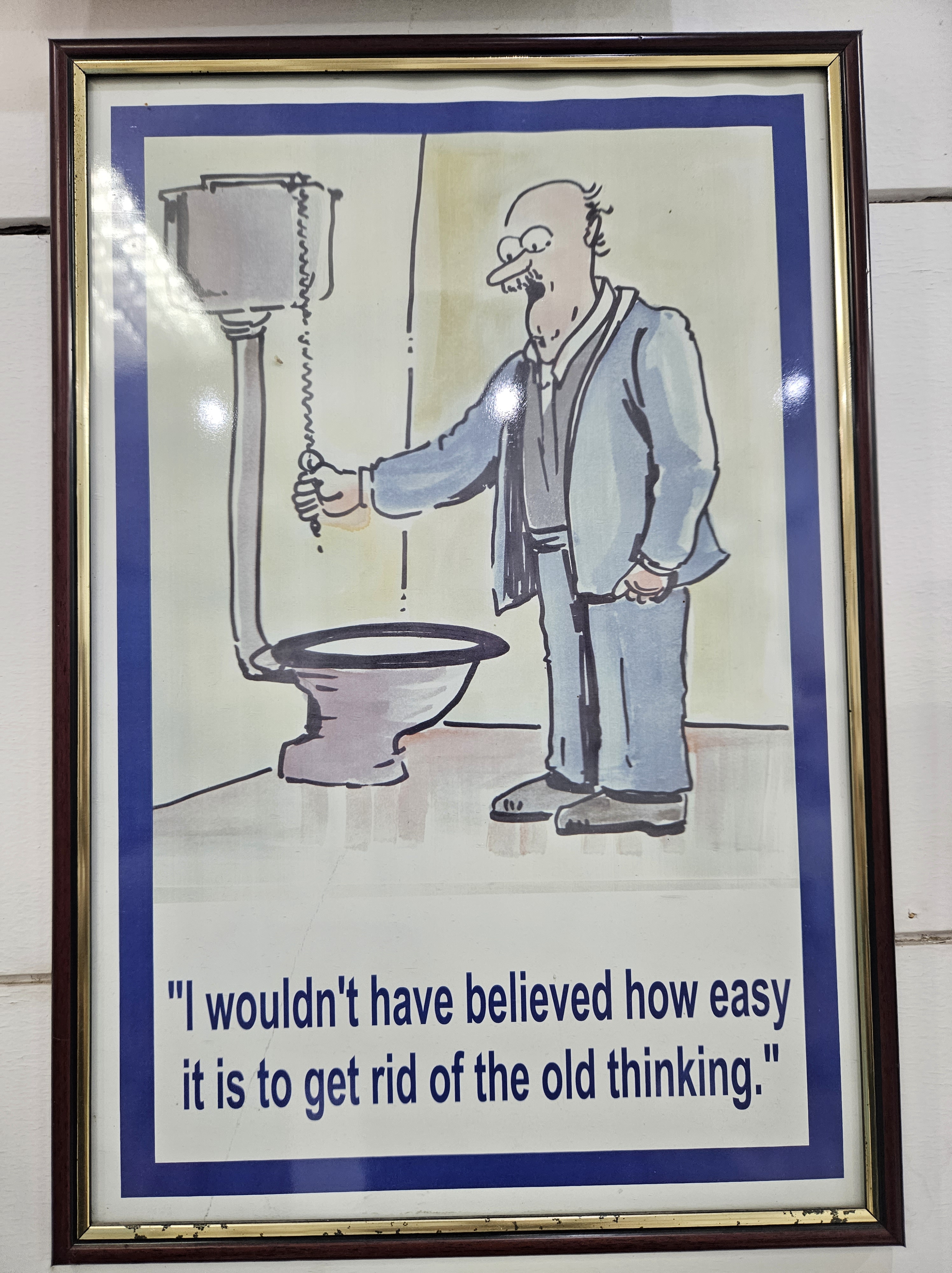
Originally intended to showcase India’s rich history, this museum has taken a unique turn, housing a remarkable collection of over 4,000 toilet artifacts from around the world. Step inside, and you’ll be greeted by a fascinating array of items, ranging from ancient chamber pots to state-of-the-art modern flush toilets. But it’s not just about the toilets themselves; each exhibit spins a captivating tale, offering intriguing insights into the cultural, technological, and social dimensions behind sanitation practices. Considering the sanitation problem that India faces currently, the image below was nothing but an ironical smack down!
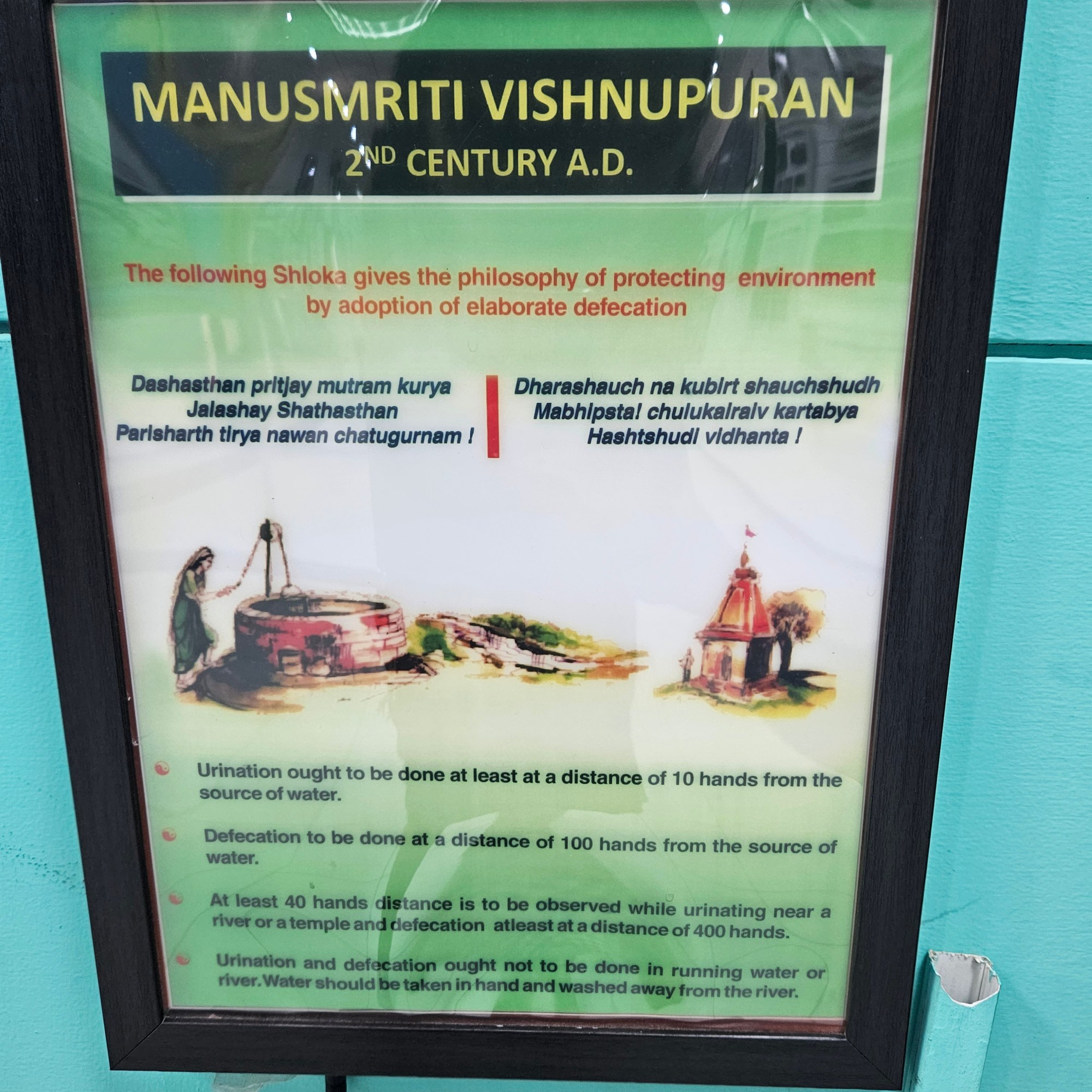
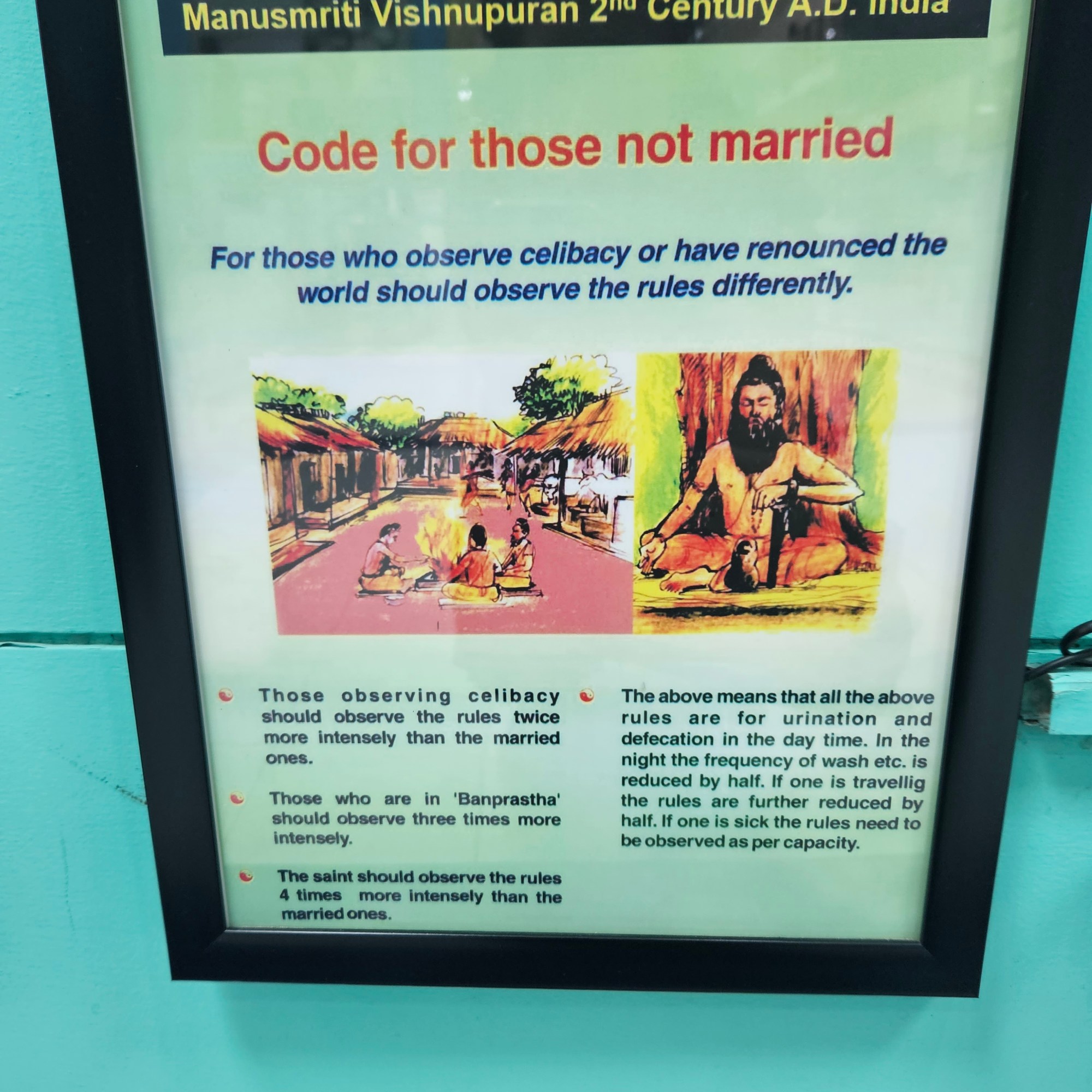
In a world where moral standards from ancient texts are often subjected to open interpretation and double standards and hypocrisy. And yet, we fail to implement the important lessons and learning that actually could have improved overall community health and wellbeing. For instance, look at the toilet manners documented in the Manusmriti Vishnupuran (the Aryan guidebook on toilet practices) from ancient India around 1500 BC. The text outlines guidelines for maintaining cleanliness, such as specifying that urination should be carried out at a distance of 10 hand spans away from water sources, while defecation should be done at a distance of 100 hand spans.
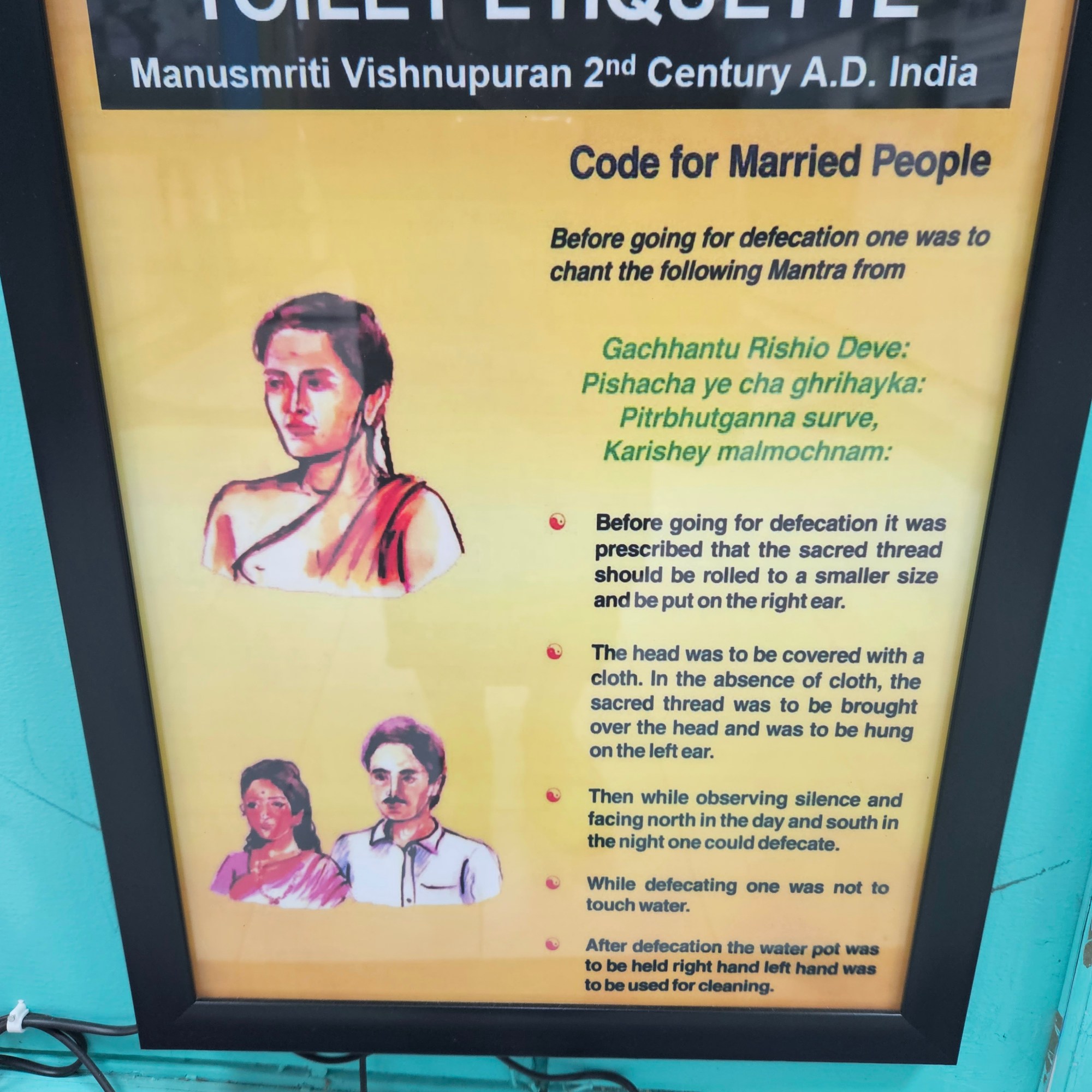
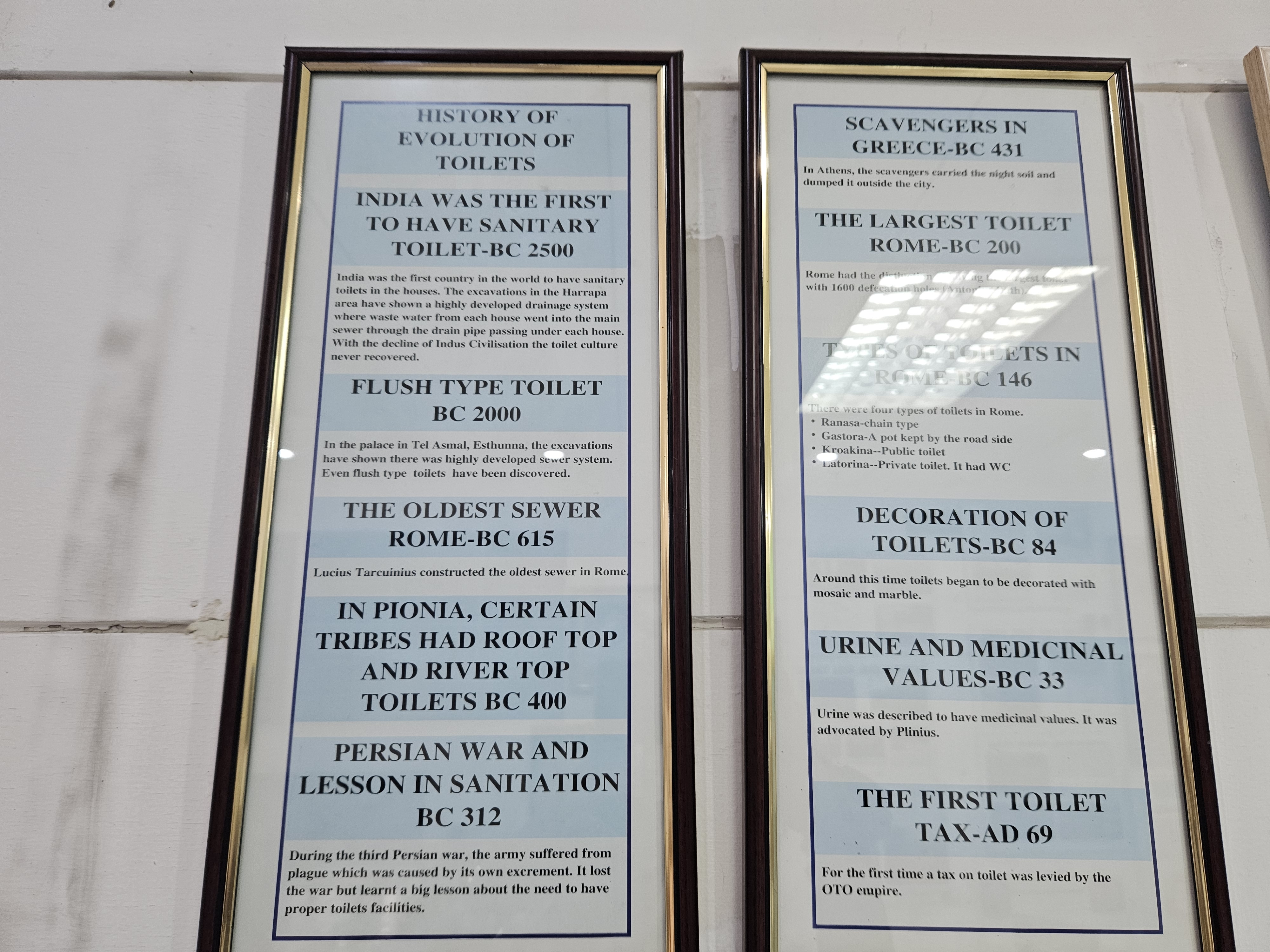
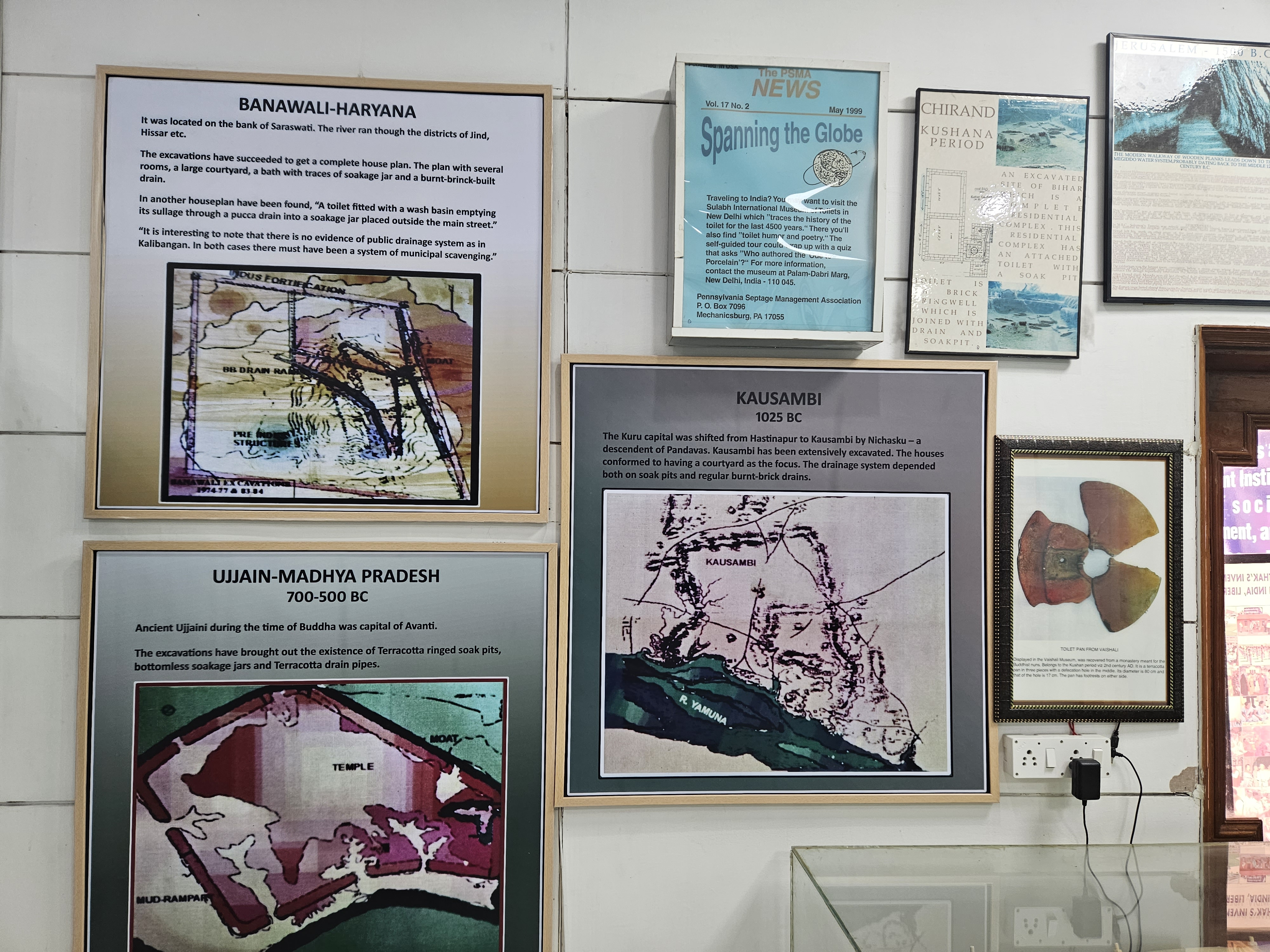
The collection has three sections – ancient, medieval, and modern history. Some of the toilets in the ancient section are still functional, so visitors can still sit and flush them! The ancient saga of sanitary system reveals a sophisticated drainage system in Harappan settlement around 3000 BC. The Indus Civilization was prominent in hydraulic engineering and had water supply and sanitation devices that were first among many. Dholavira, located near Kutch, was renowned for its advanced sanitation infrastructure which included water reservoirs, underground drains, wells, bathrooms, and terracotta pipes, showcasing their exceptional conservation methods. Such was the impression of ancient India that town planners worldwide utilize the Harappan drainage model for reconstructing city drainage facilities. Unfortunately, India’s toilet culture never fully rebounded after the decline of the Indus Valley Civilization, and we continue to suffer the consequences even today.
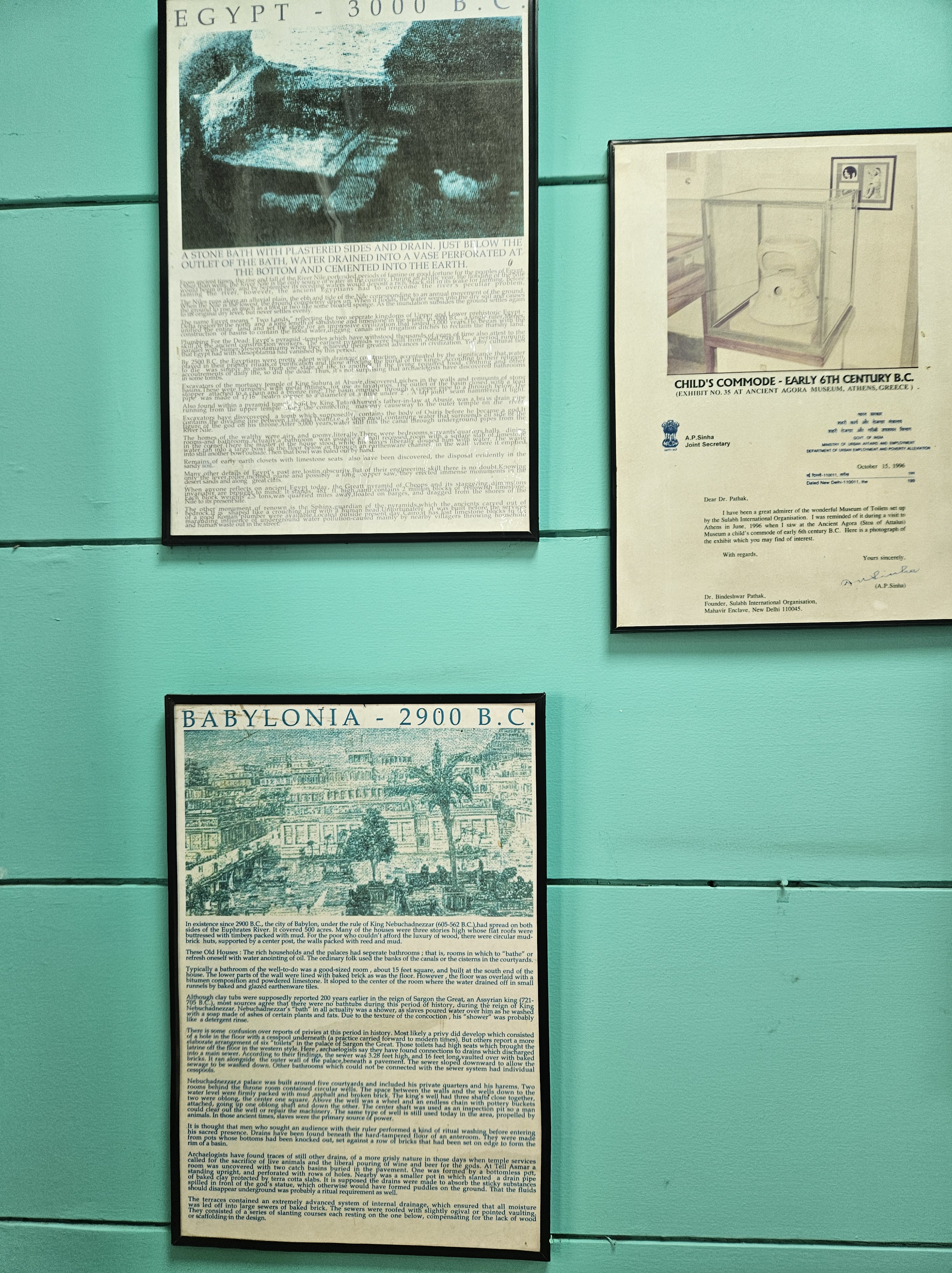
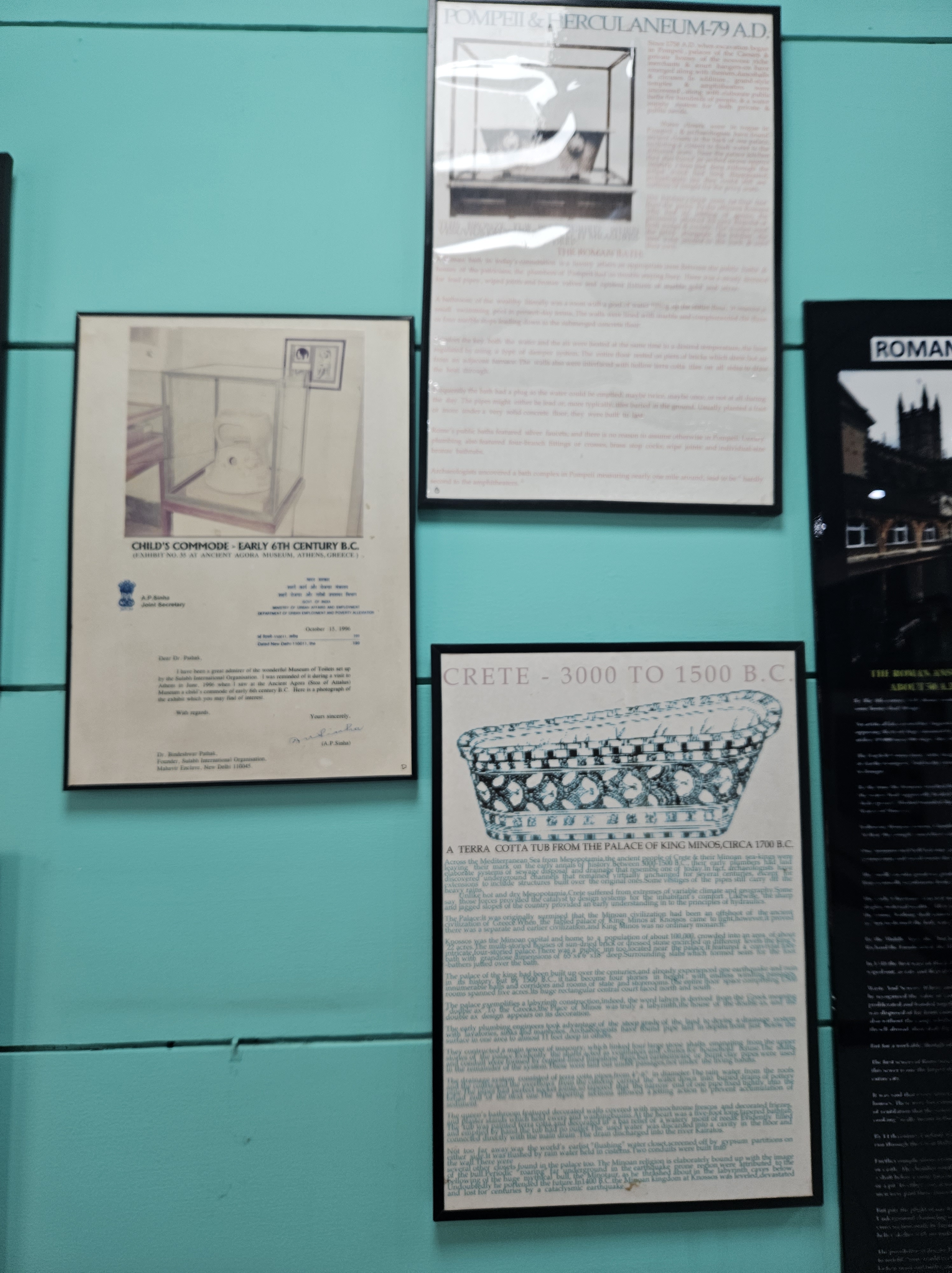
From ancient civilizations like Indus valley, Egypt and Babylonia, the sanitation history takes a journey through medieval europe and roman culture. When there weren’t any drainage systems as we have today, night soil (or poop) used to be collected by servants. In places like Europe, there was a time, when people would simply throw their excrement out of the windows, thus causing the infamous “Black death” wiping out half the population due to diseases.
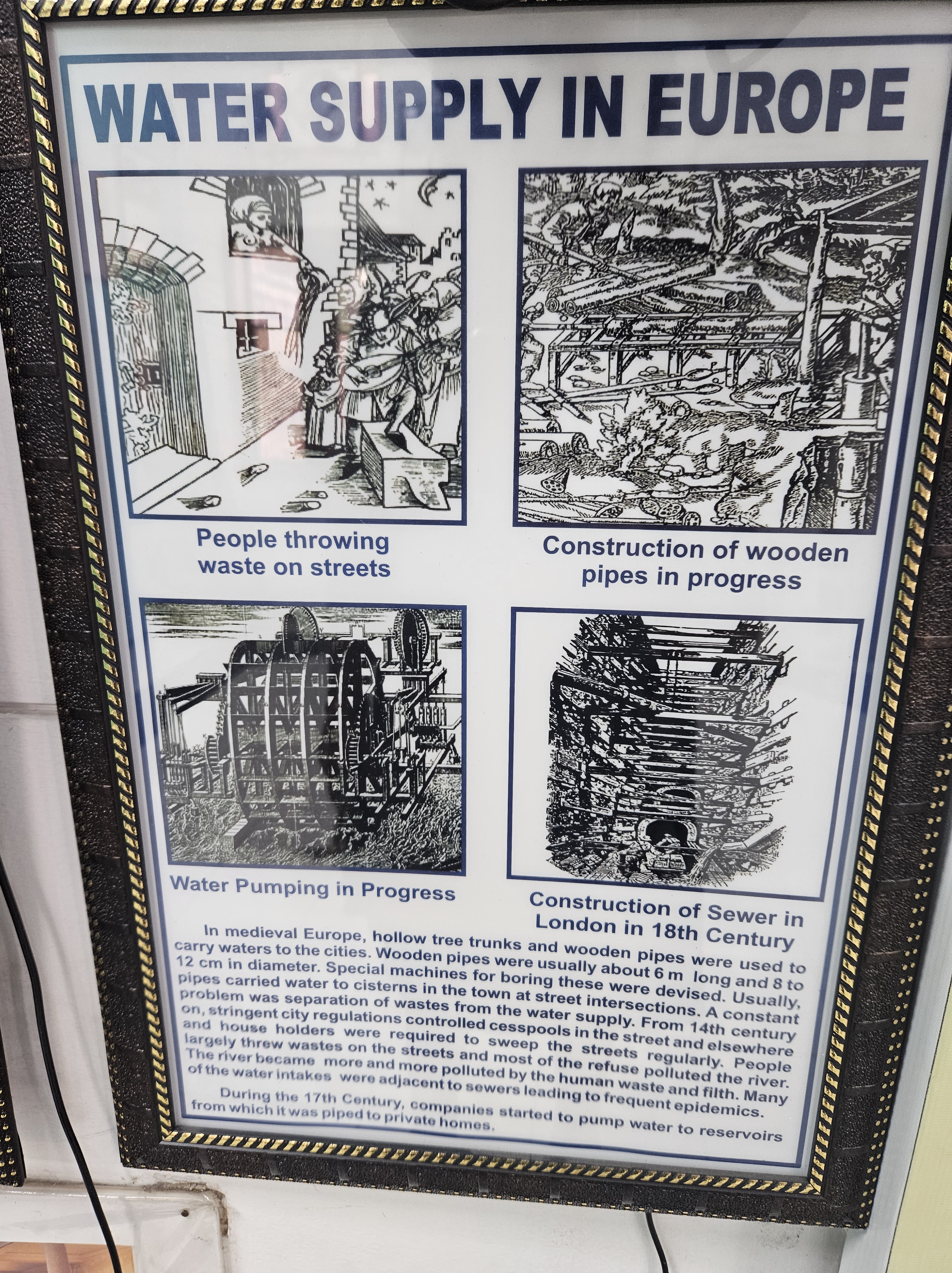
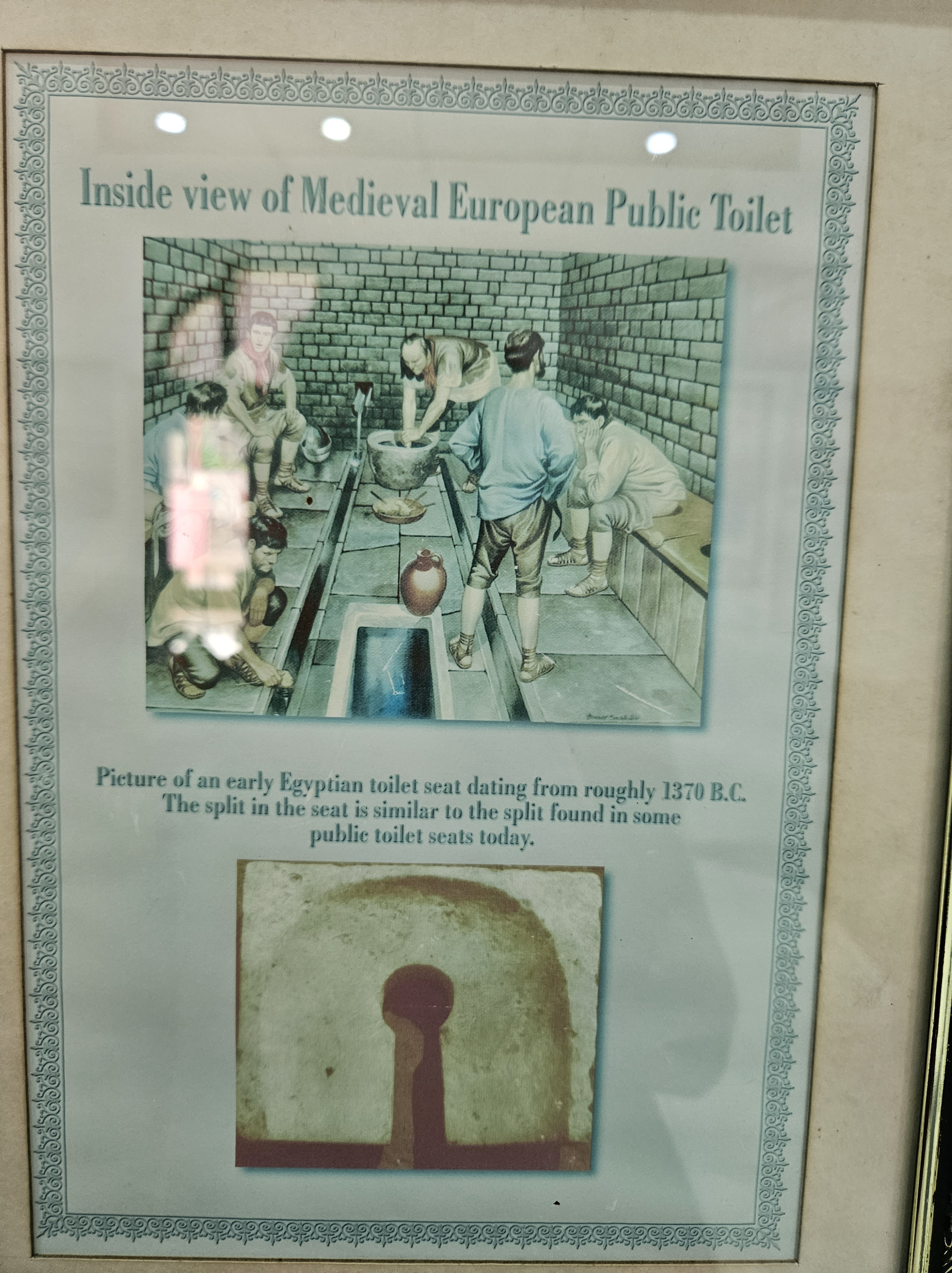
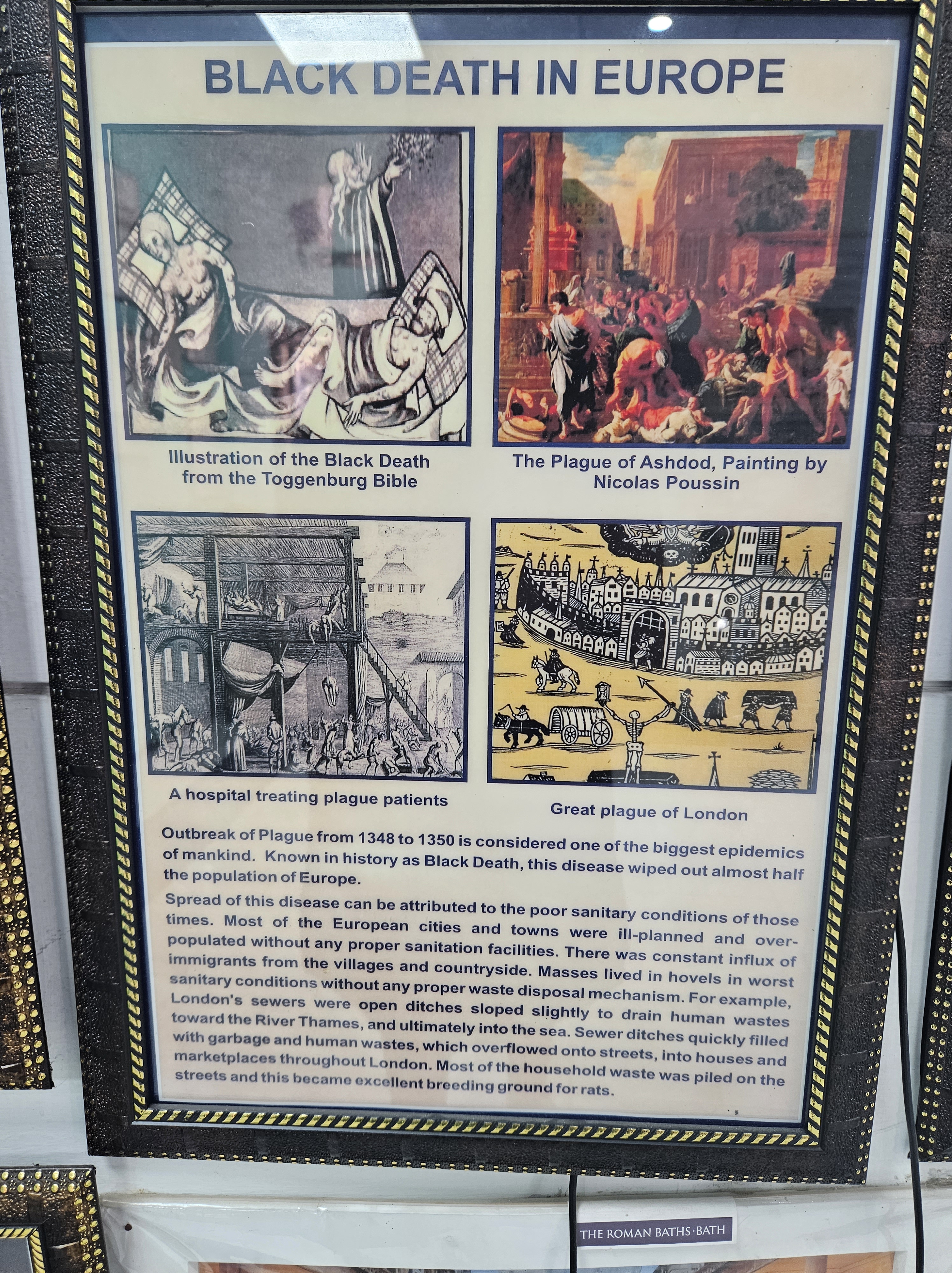
This also brings back memory of toilet paper crisis in UK that was seen during COVID.
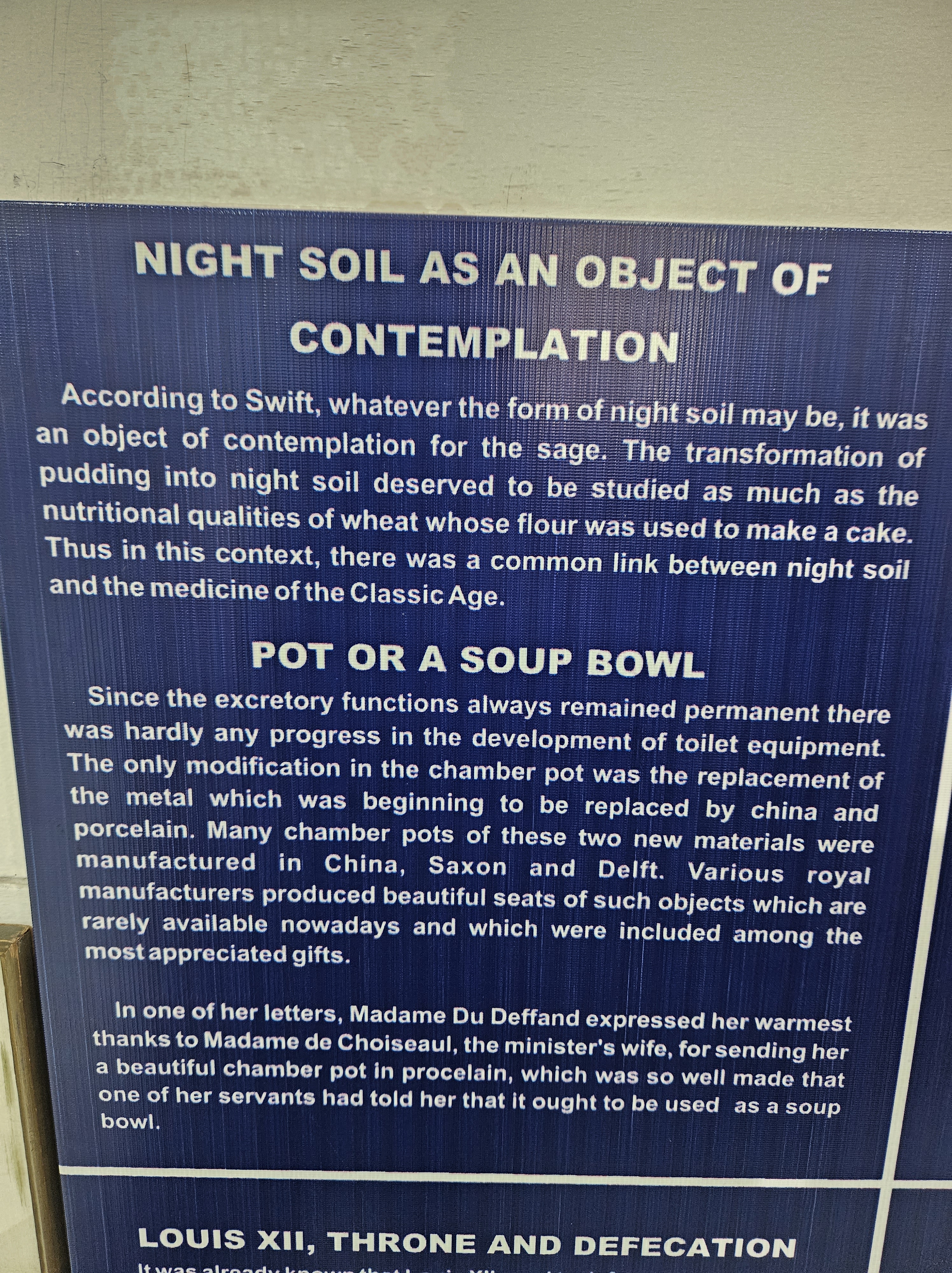
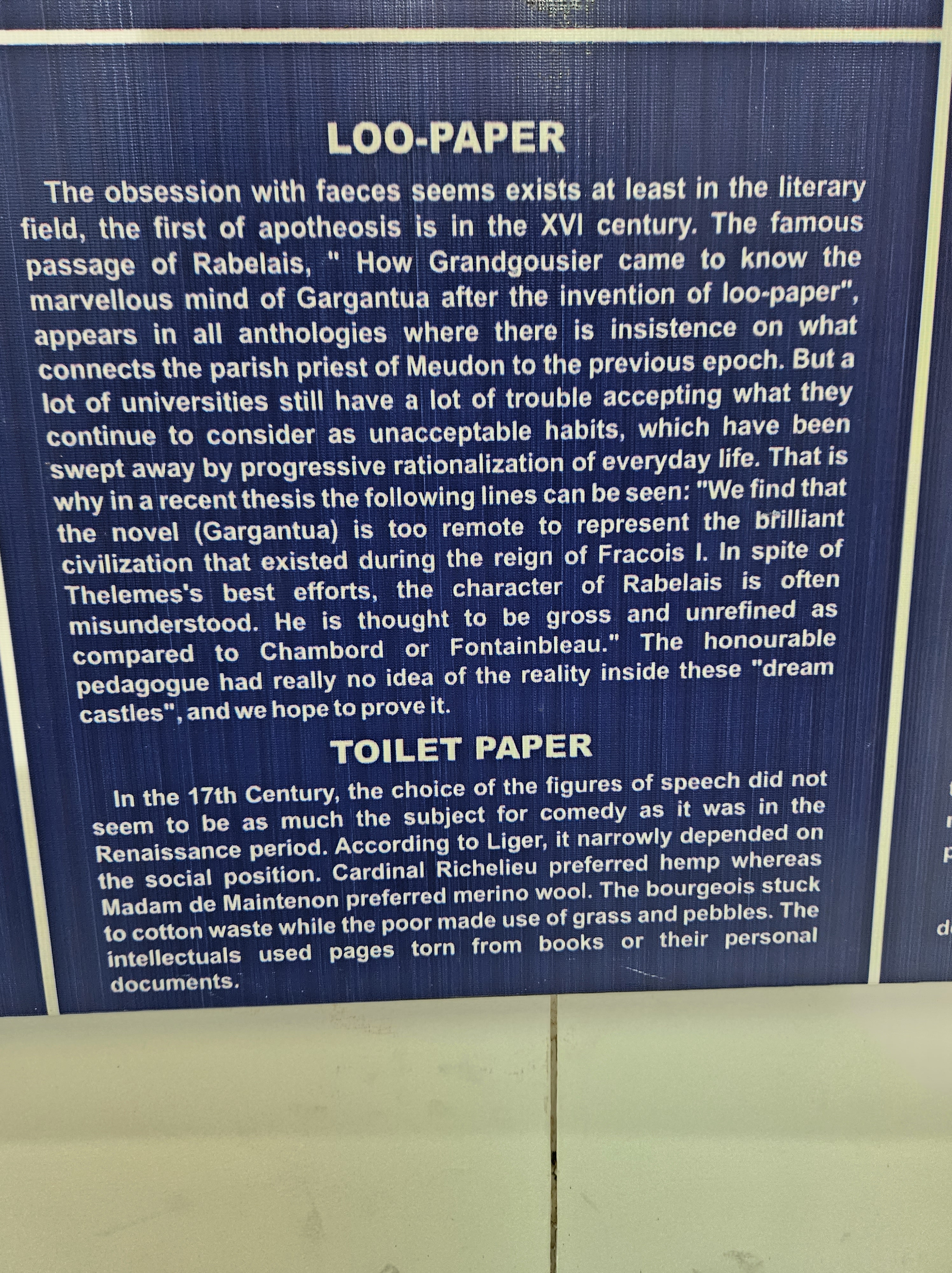
The museum provides a chronological account of technological advancements in sanitation, social customs, toilet etiquettes, historical legislative efforts, and how people lived and coped with (and without) sanitation over the millennia.
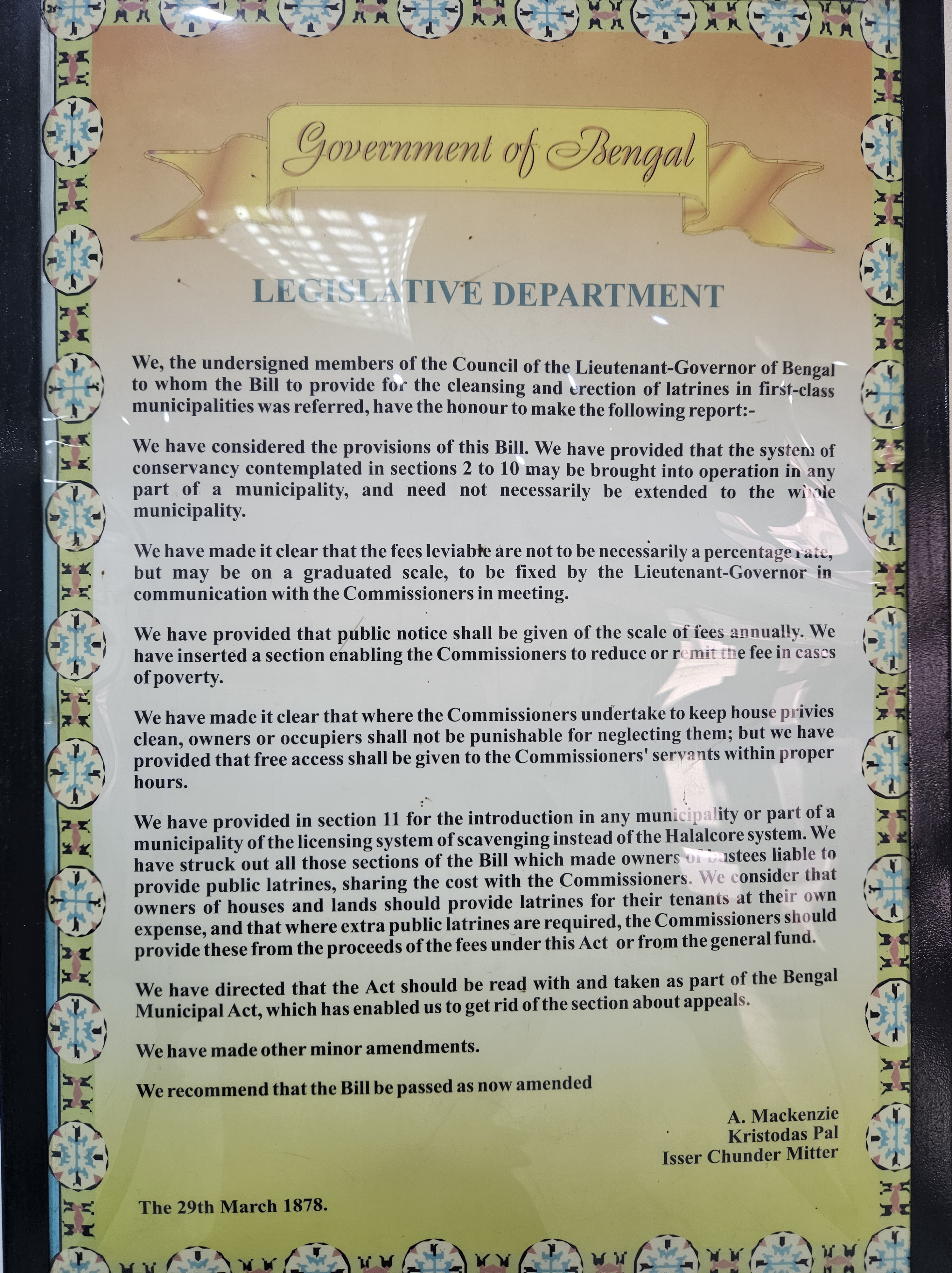
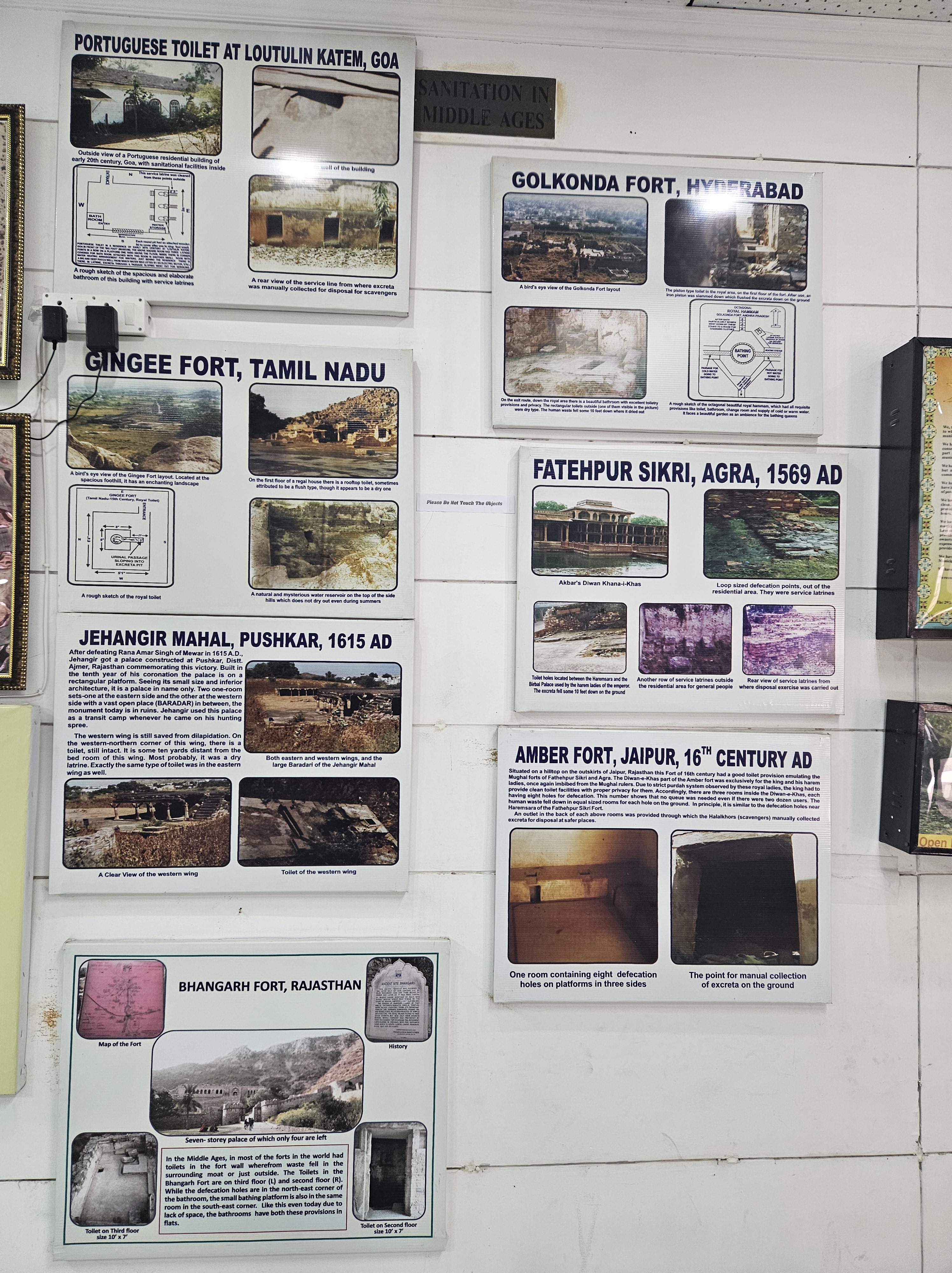
The medieval section shows different toilets used in Indian forts (second image above) – i.e., toilets from Amber fort (Jaipur), Akbar’s fort in Fatehpur Sikri, Gingee fort (Tamil Nadu) etc. There are beautifully decorated Victorian toilets, toilets from Austria and England that can be seen on display. The most fascinating piece is the throne like chamber pot of the French emperor Louis XIV, who while using it, used to give audience to the people. Another highlight is a chamber pot, a portable bowl used as a toilet in homes; chamber points have been around since Ancient Greece, but their popularity blossomed during the European Crusades and continues in many countries. Chamber pots were often made of ceramic or metal and often decorated with images of animals or flowers.
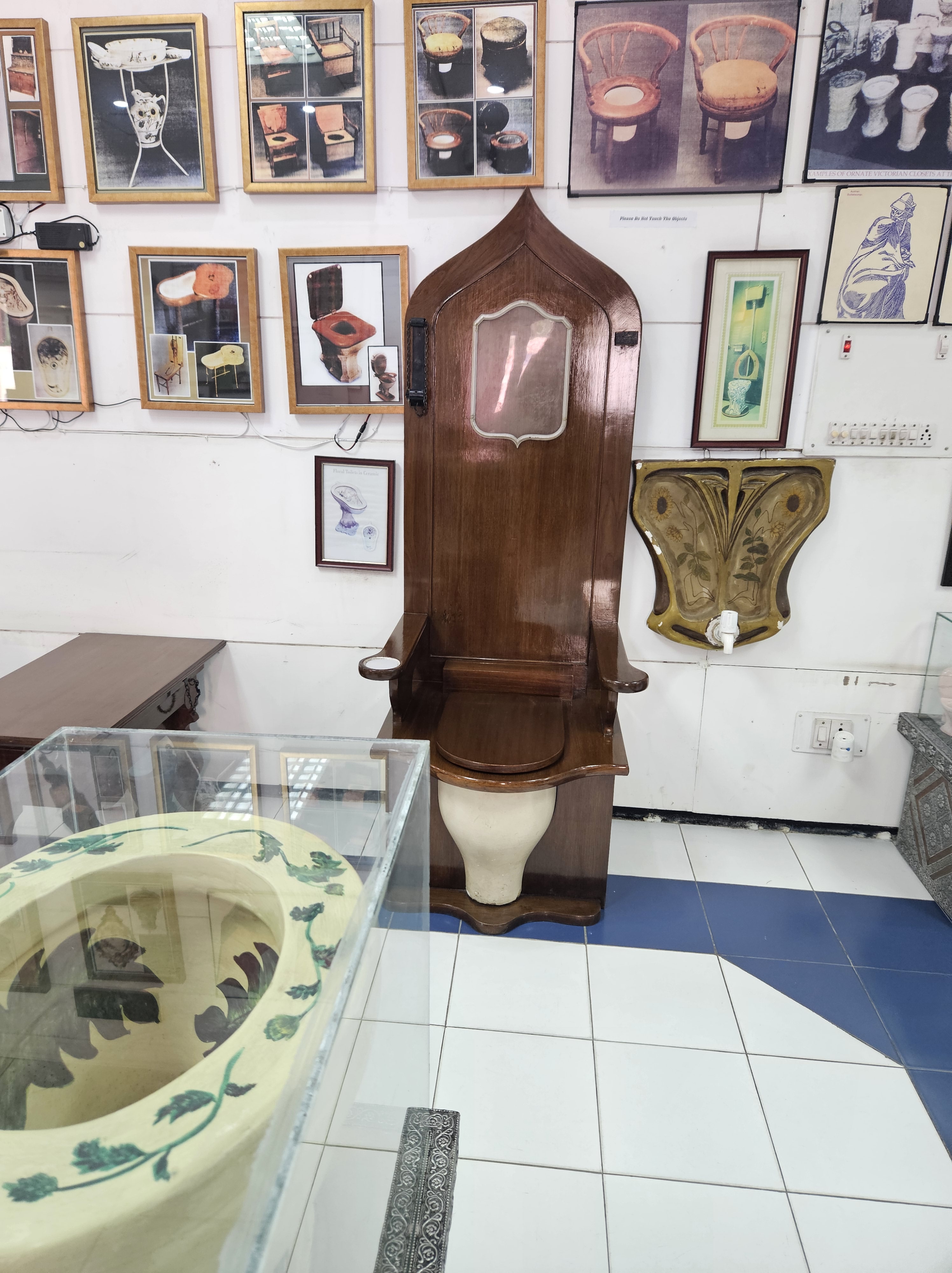
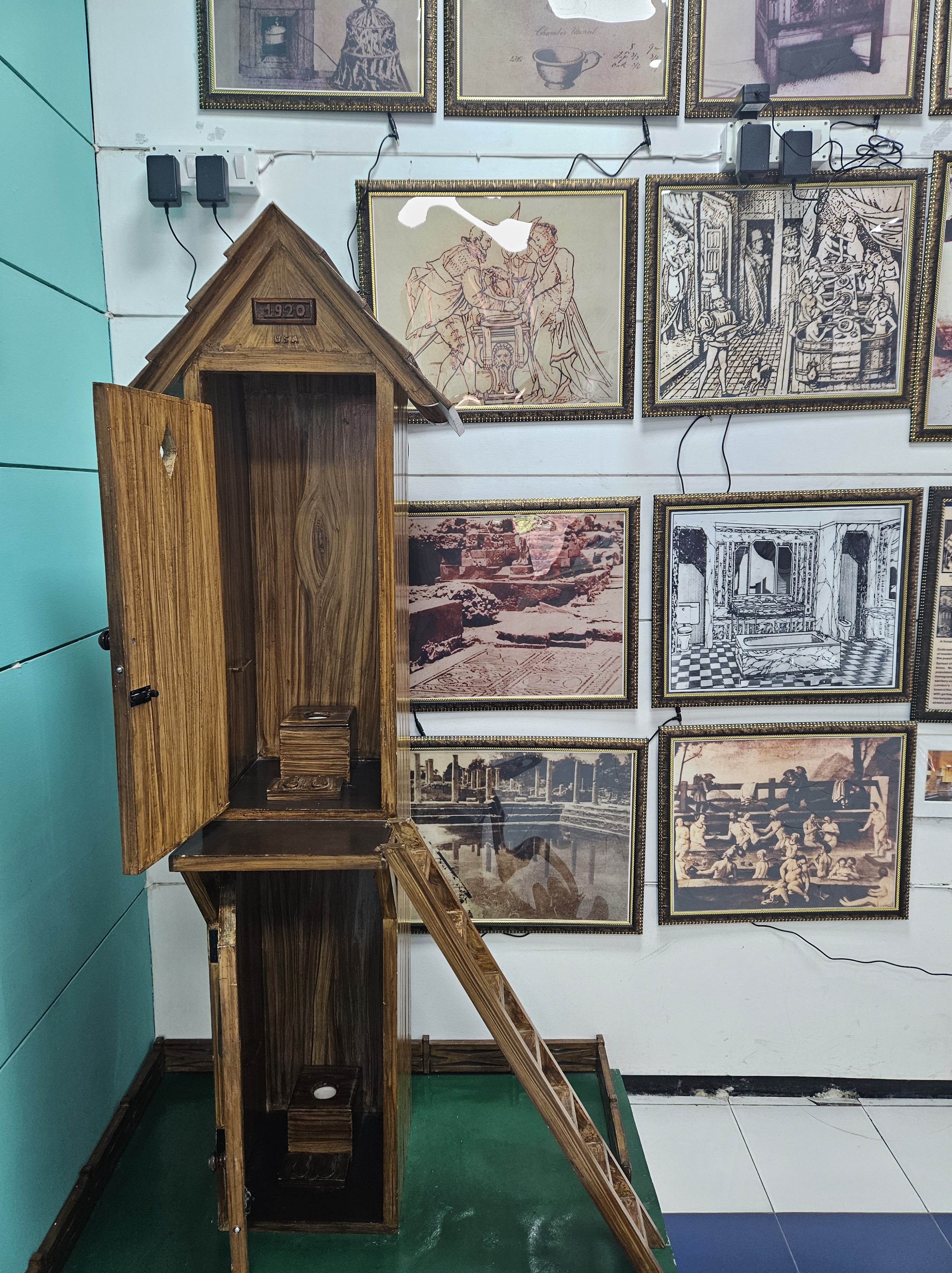
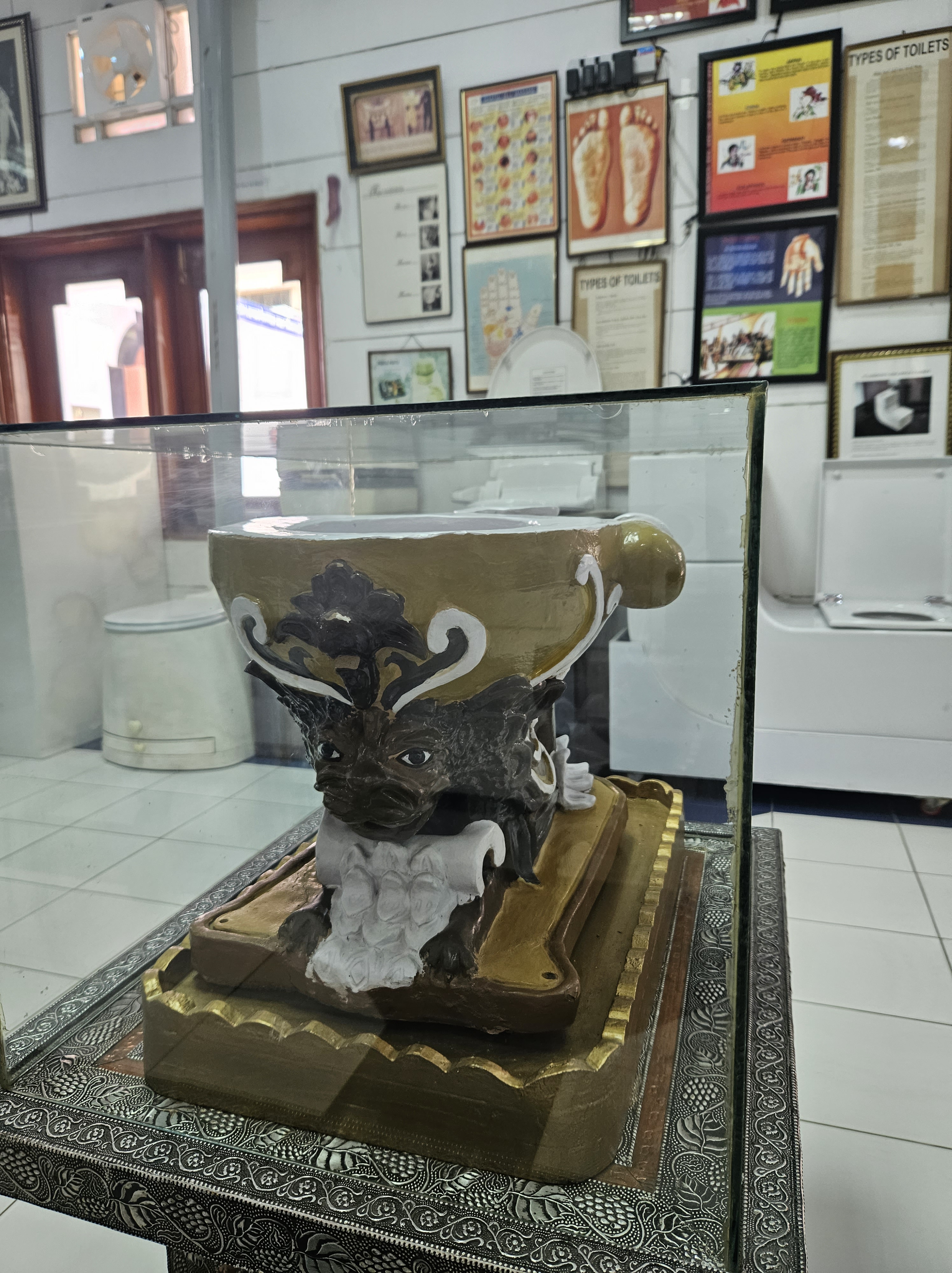
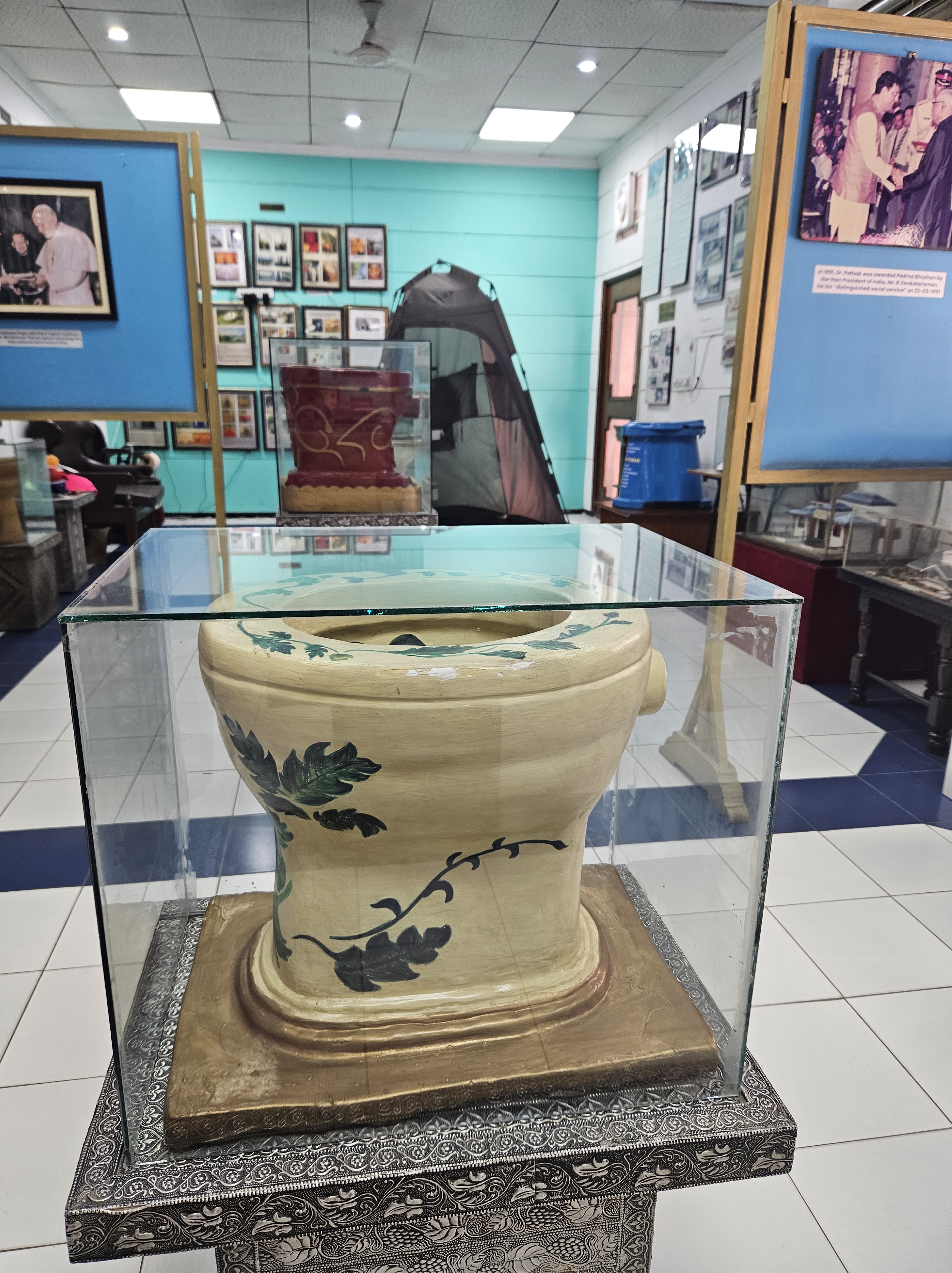
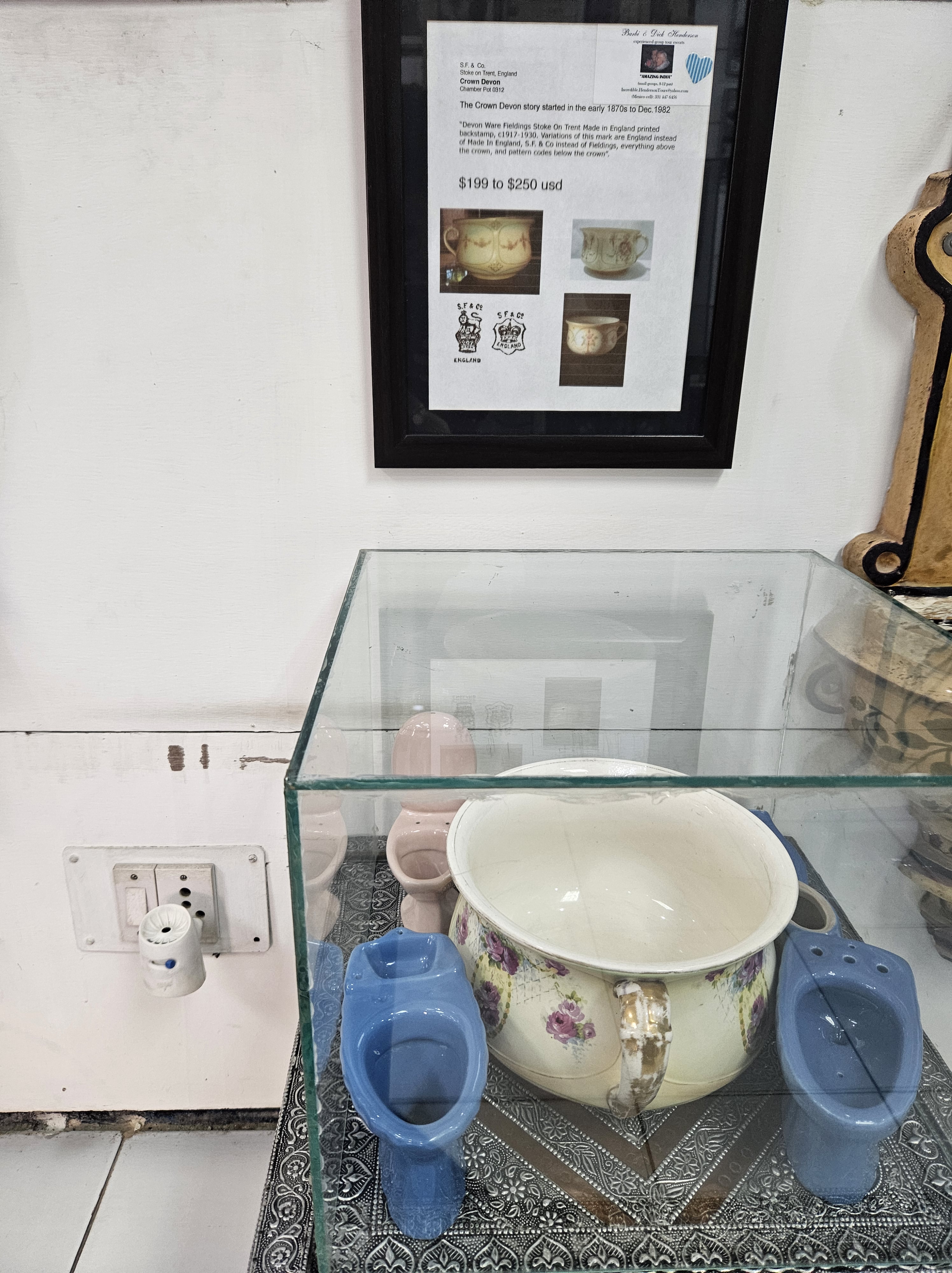
Having been to Leonardo da Vinci’s experience in Rome, it was strange to note that his collection of scribblings and innovations did not showcase his design of toilet.
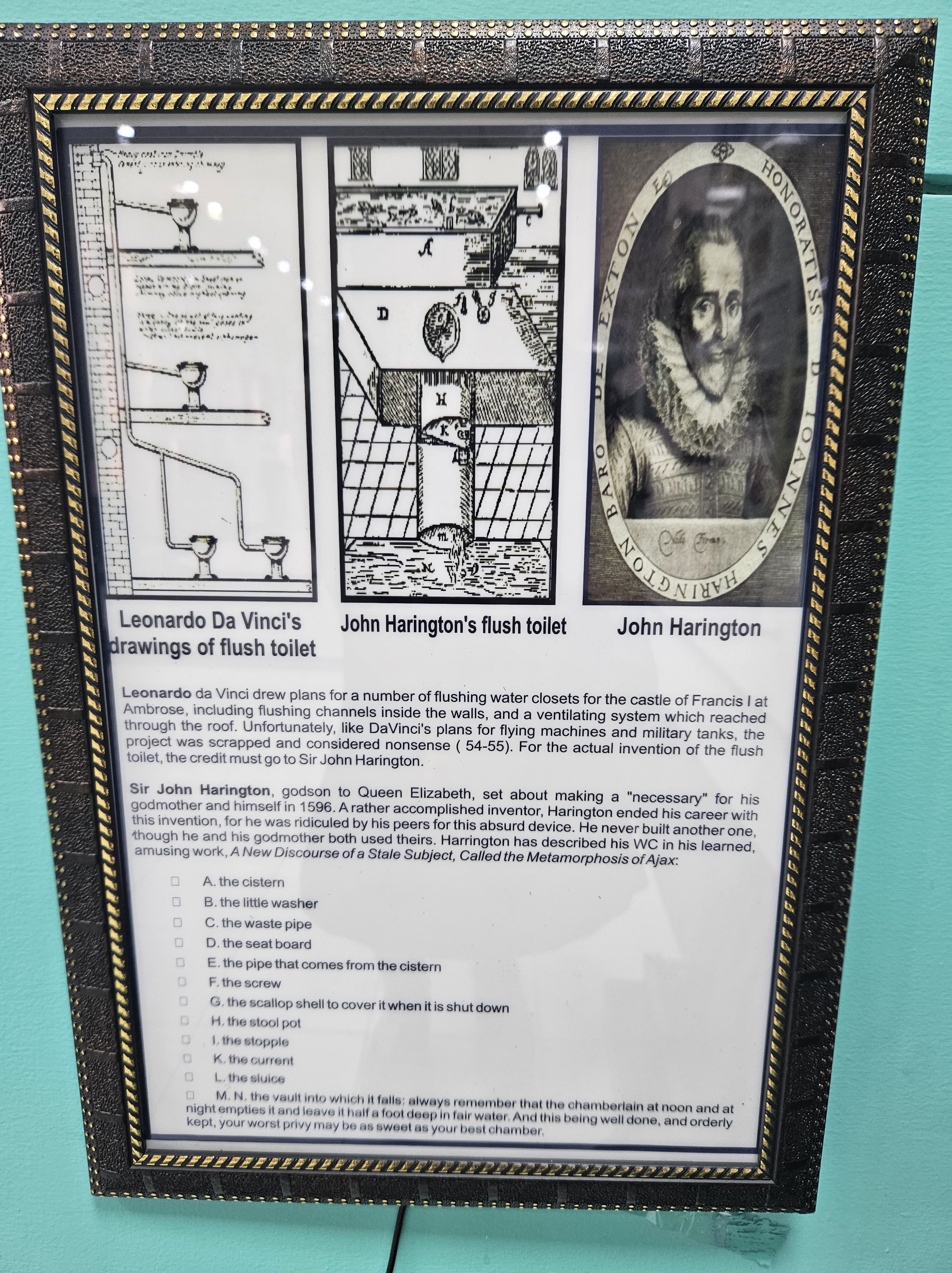
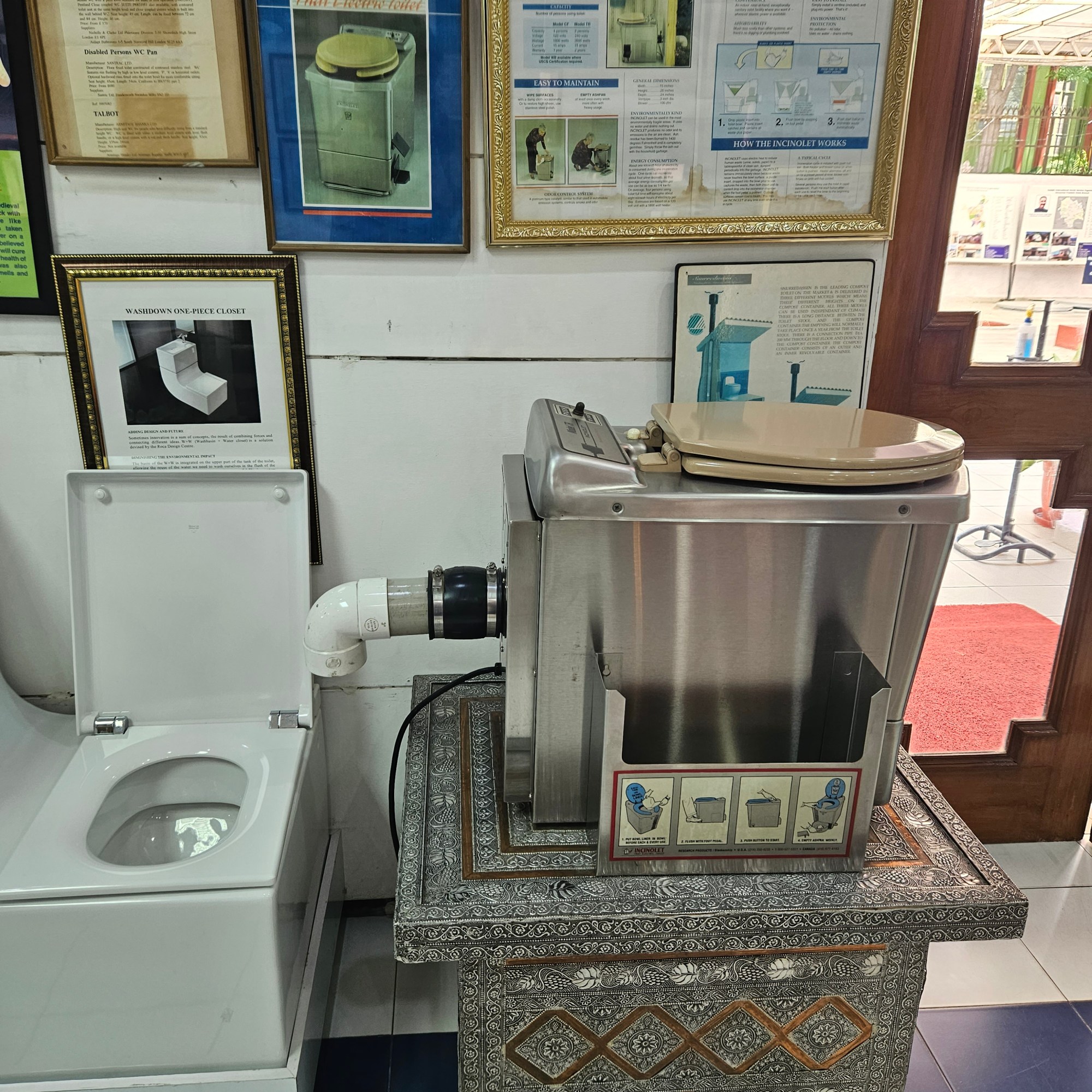
However, the modern section has ample physical objects to showcase the evolution of toilets in the modern era. The bottom row of the gallery (left to right) showcases an airplane toilet, an automated smart toilet (my favorite during my travel in South Korea) and an incinerator toilet.
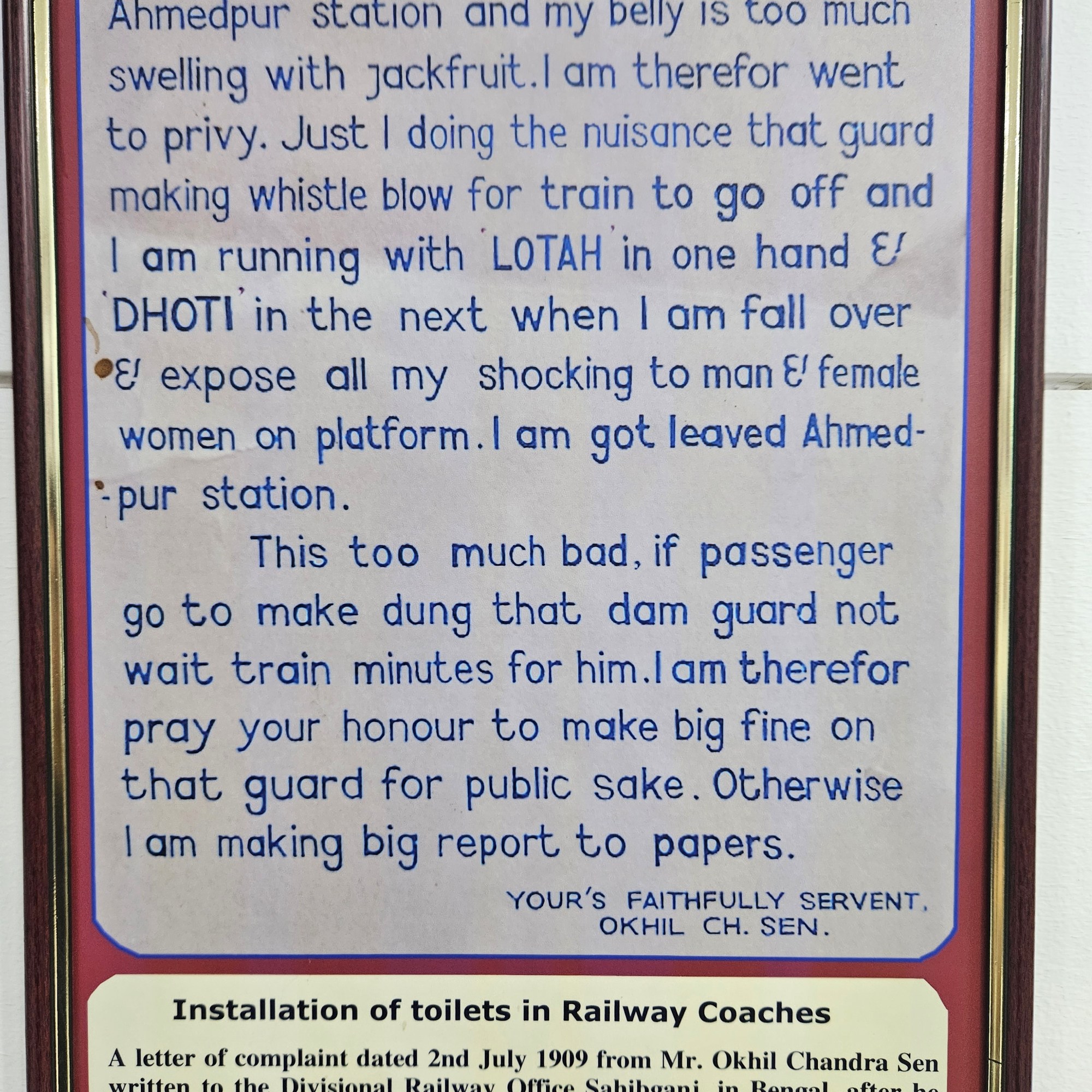
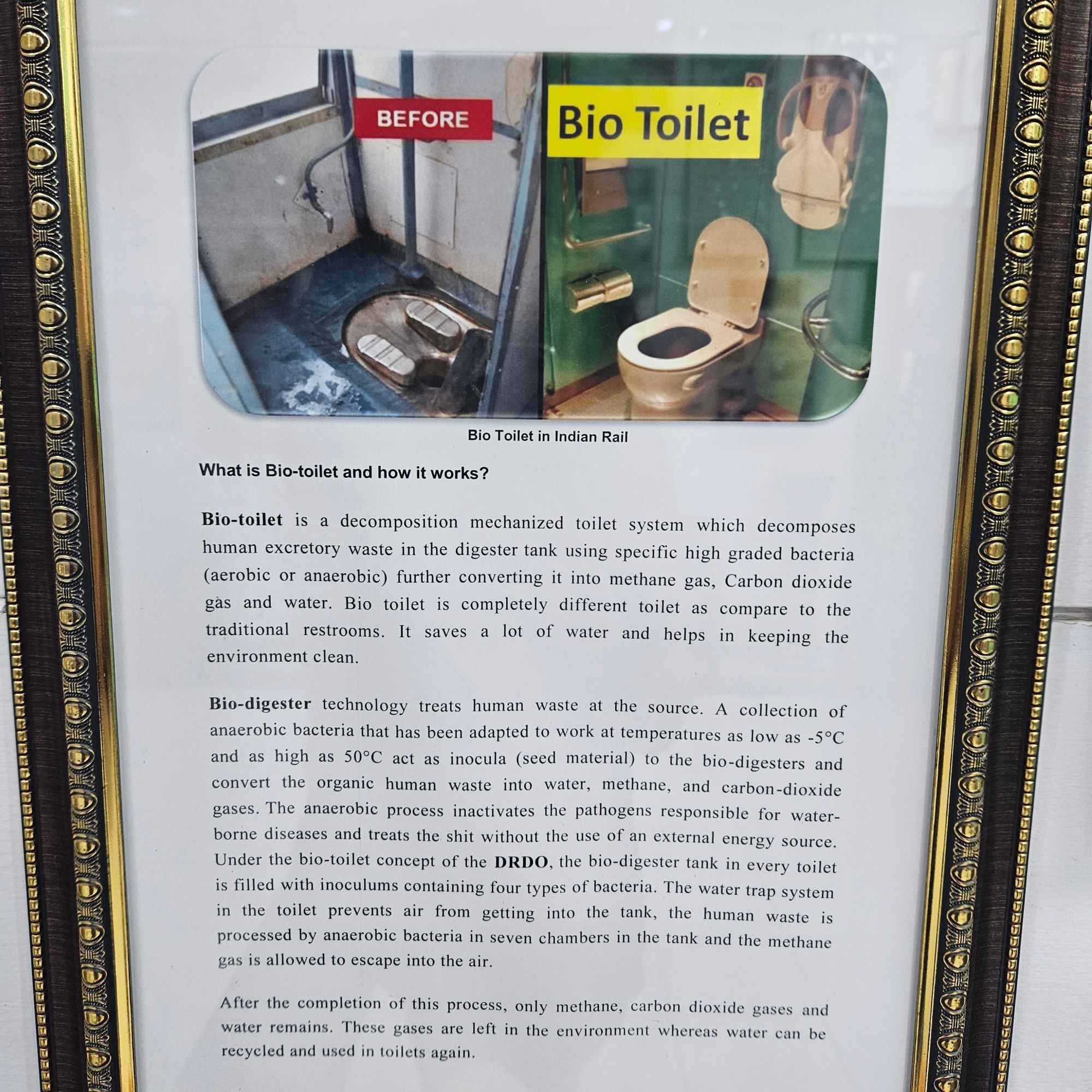
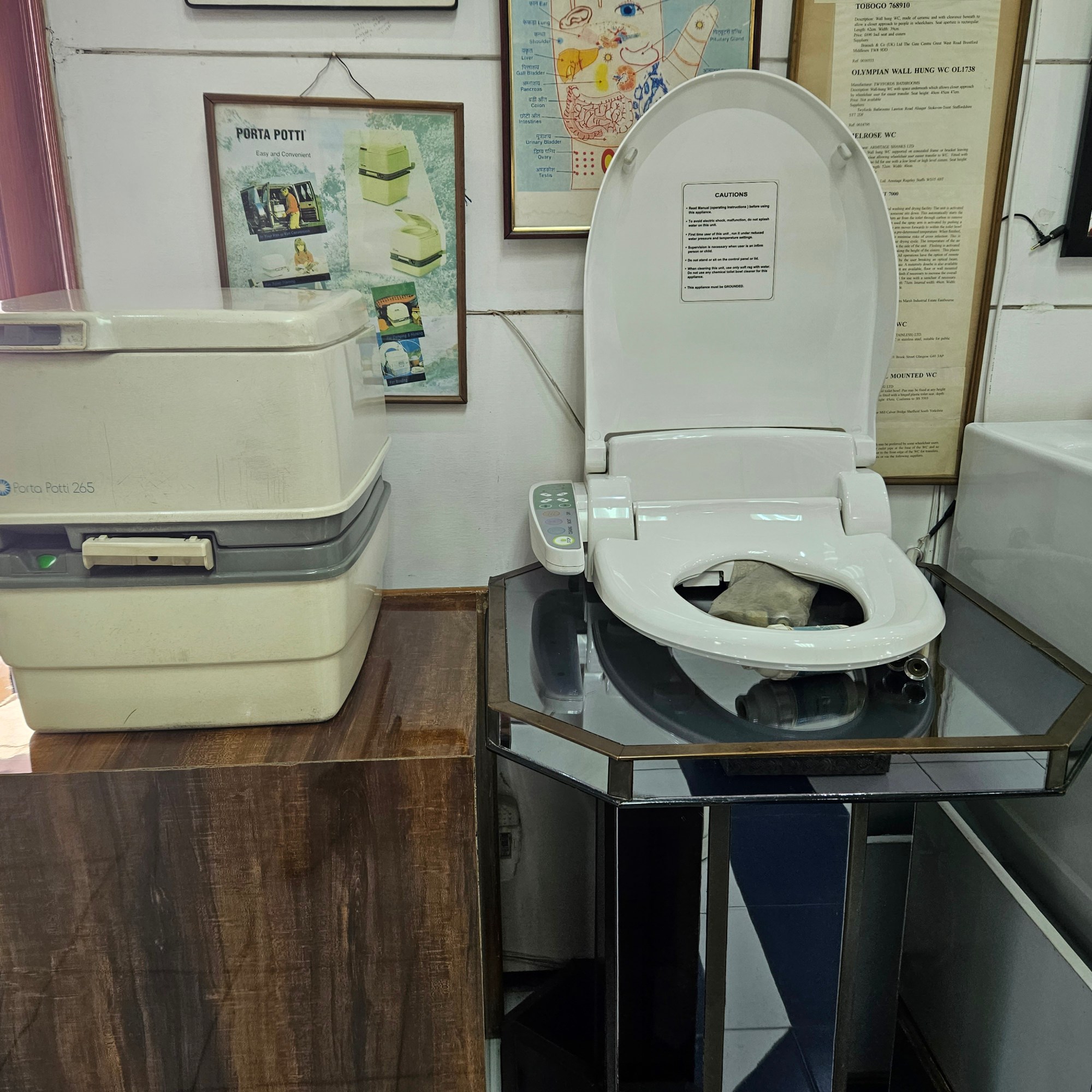
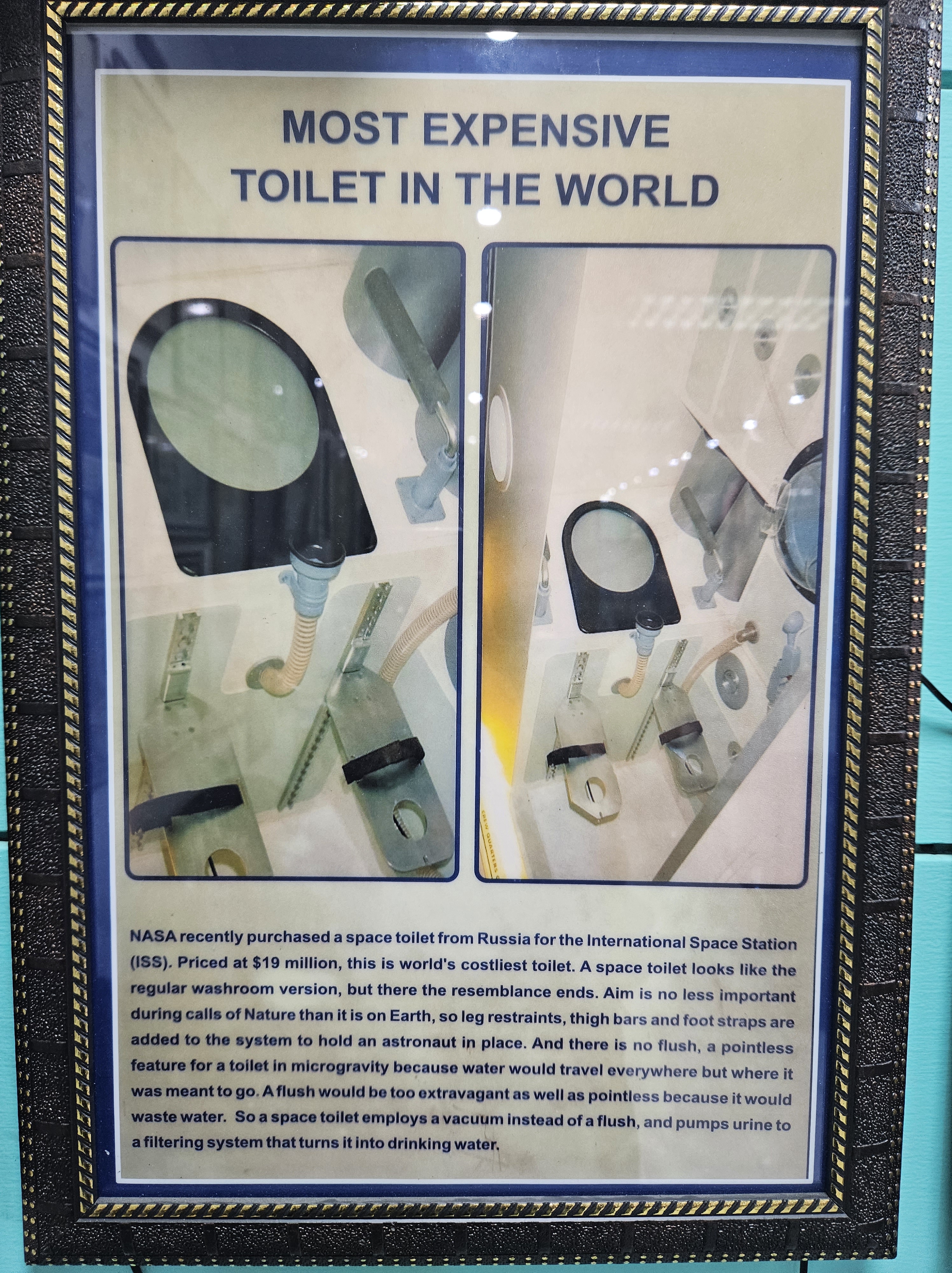
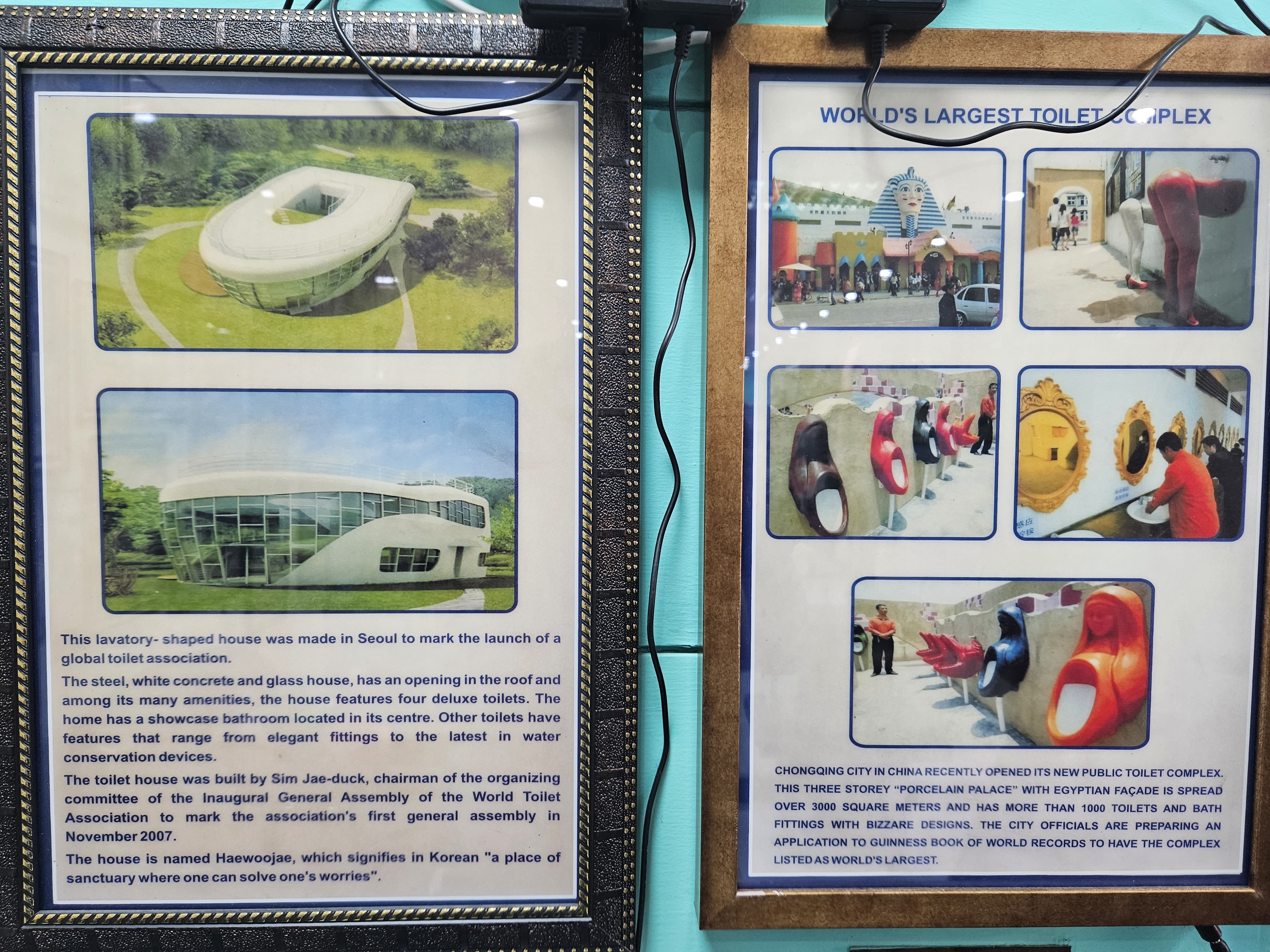
There is an interesting display commemorates the most expensive toilet in the world, a $19 million toilet NASA purchased from Russia to be used aboard the International Space Station, largest toilet complex, and so on.
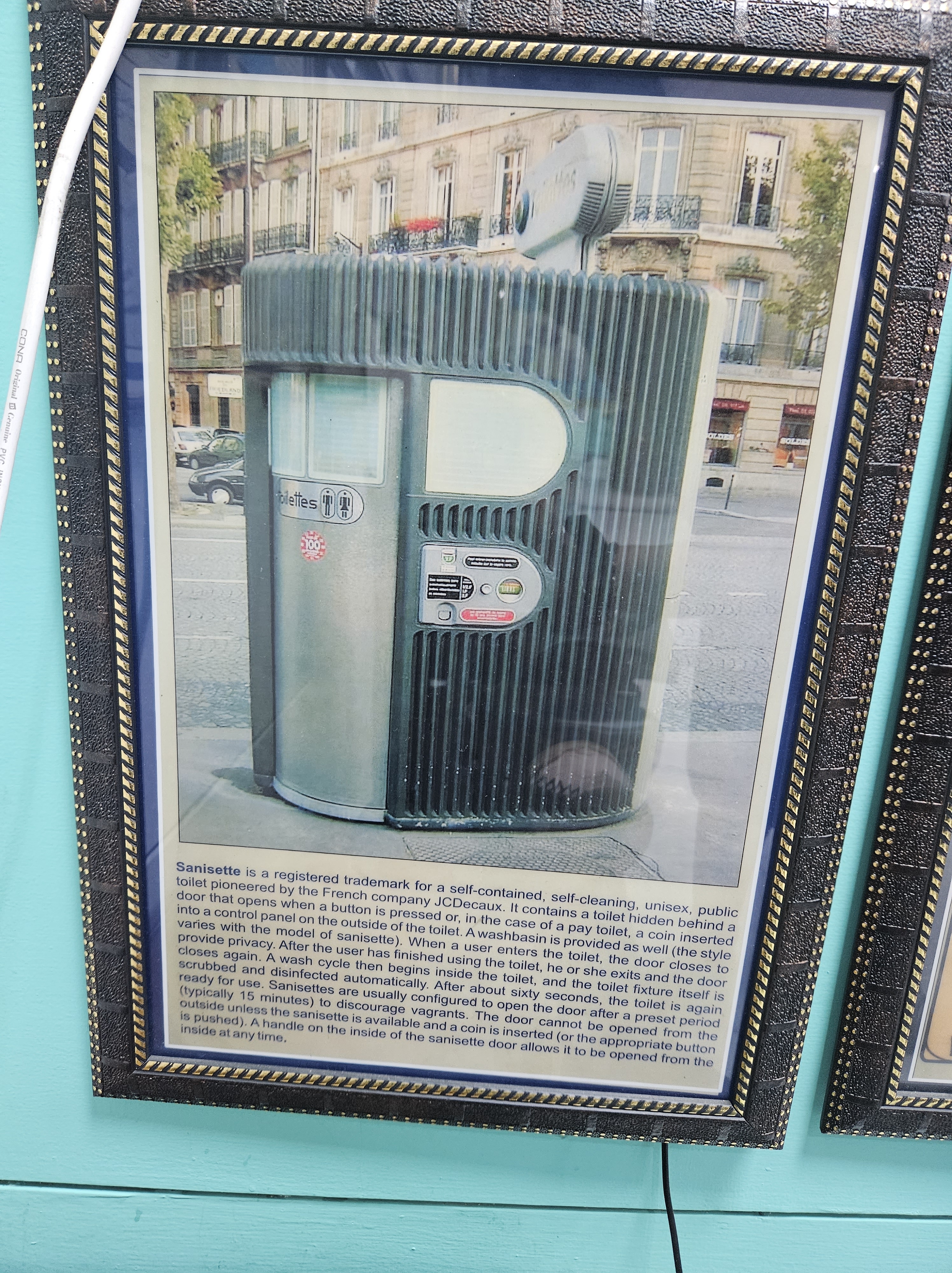
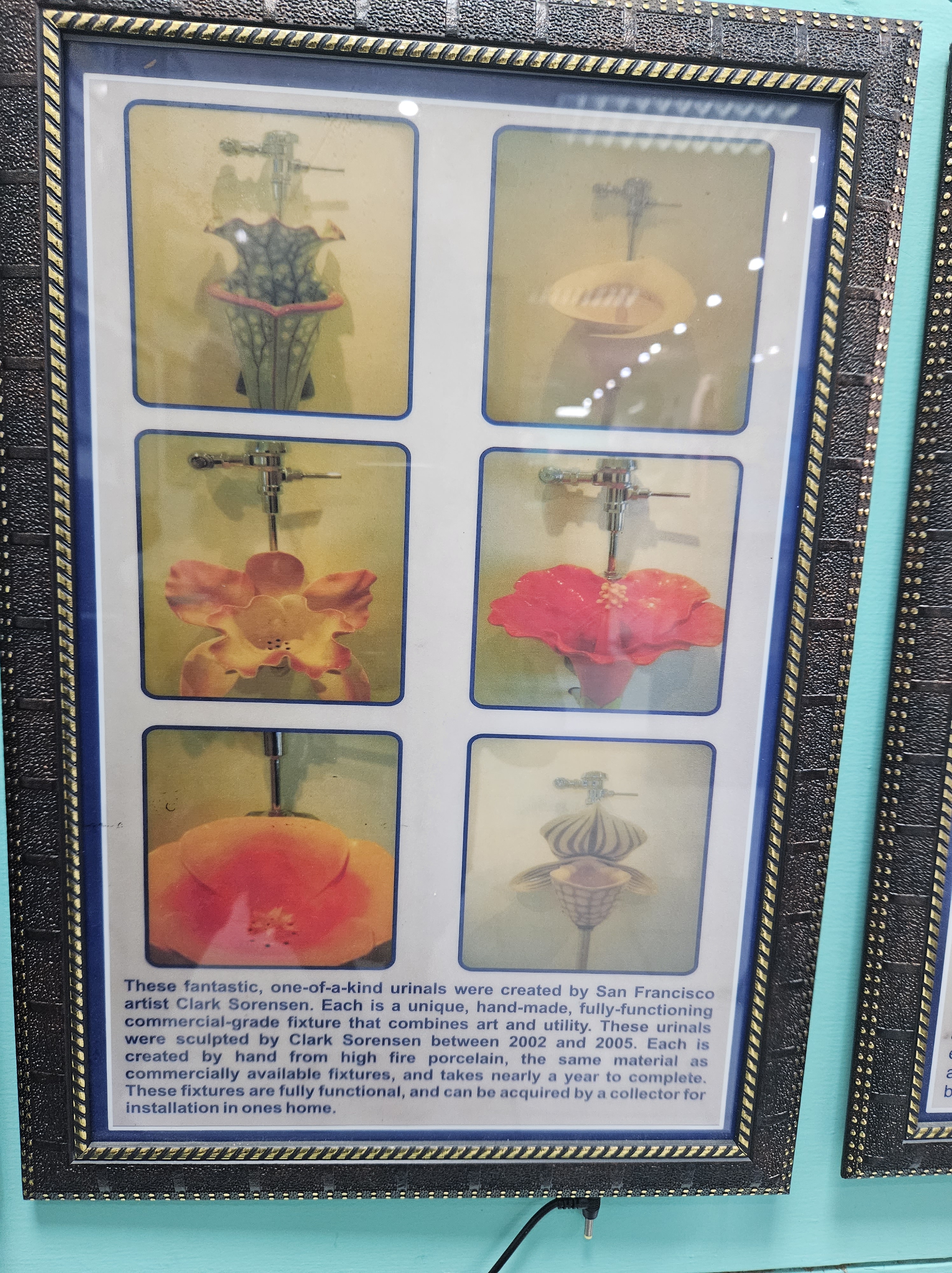
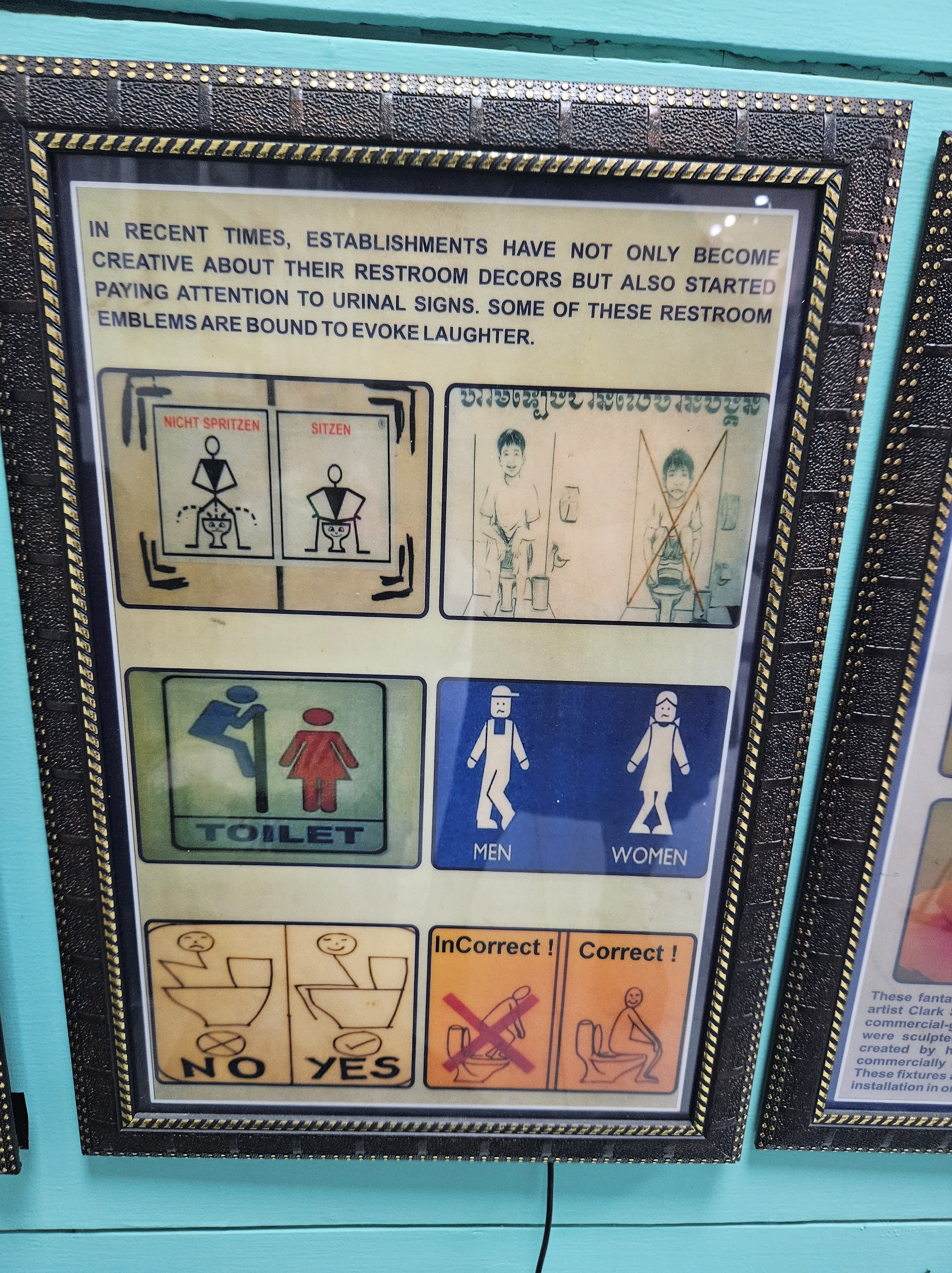
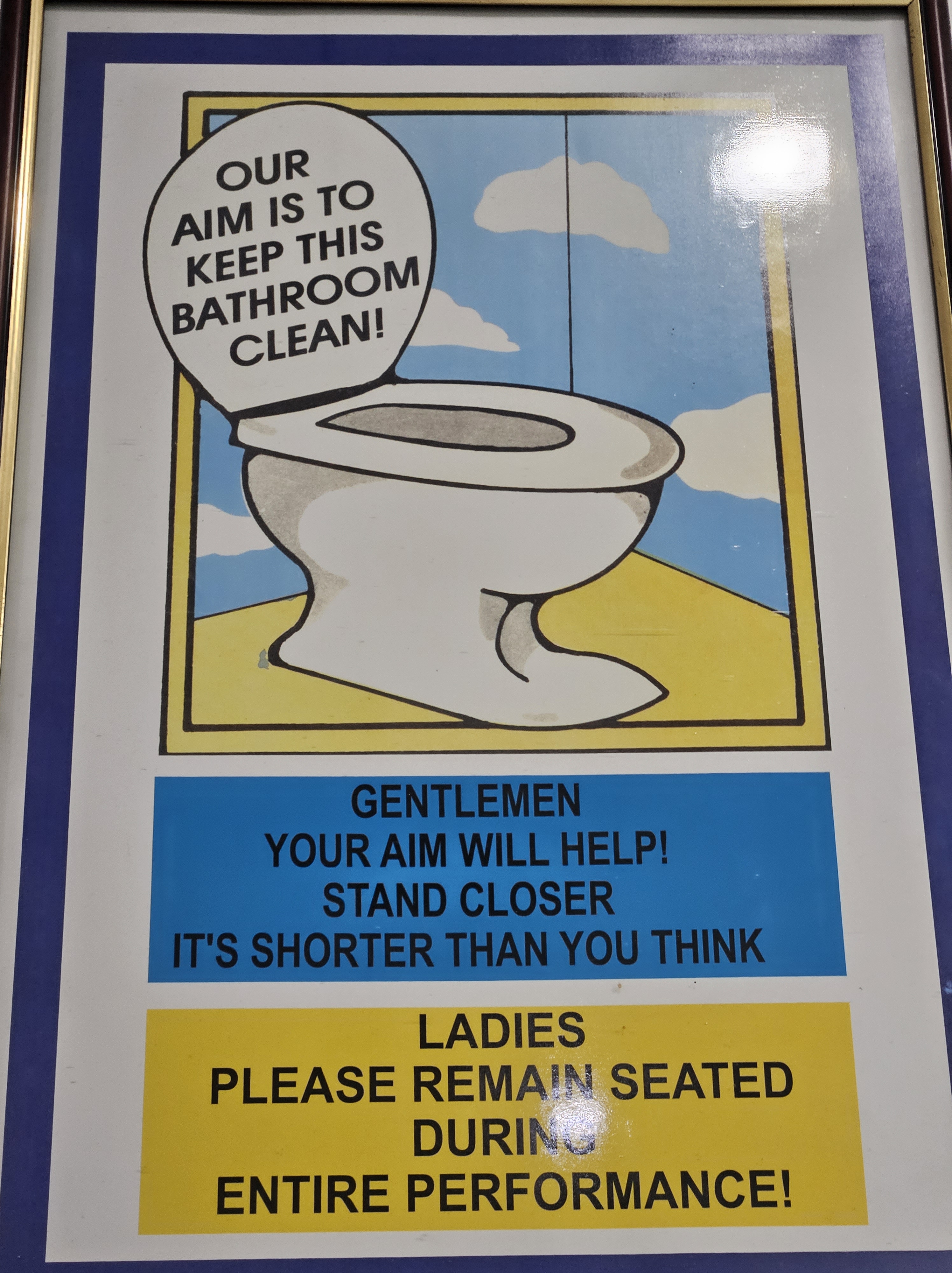
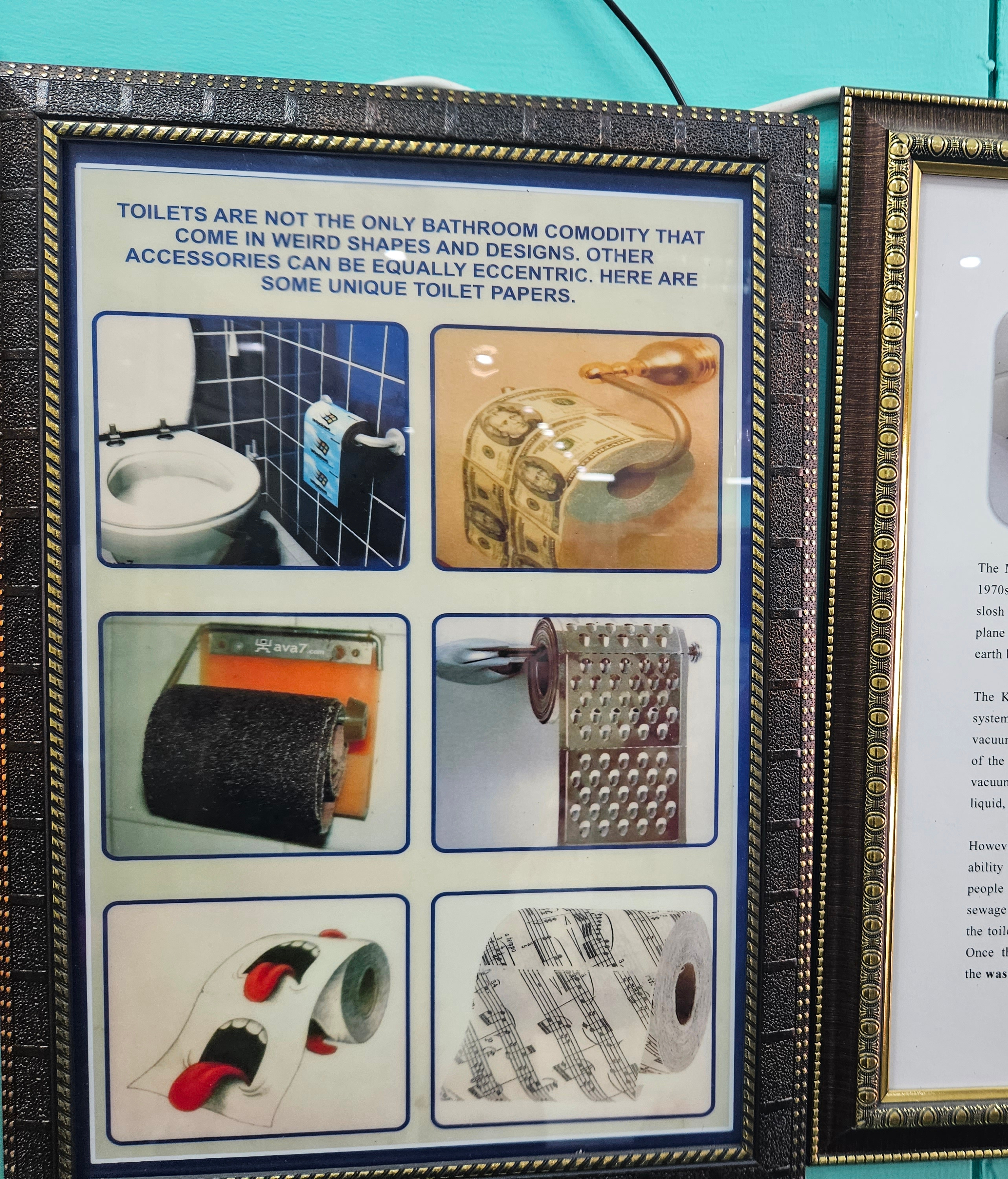
Other than toilets and urinals, the museum also pays homage to other accessories and toilet signages.
The quirkiness of the museum continues with collection of artworks.
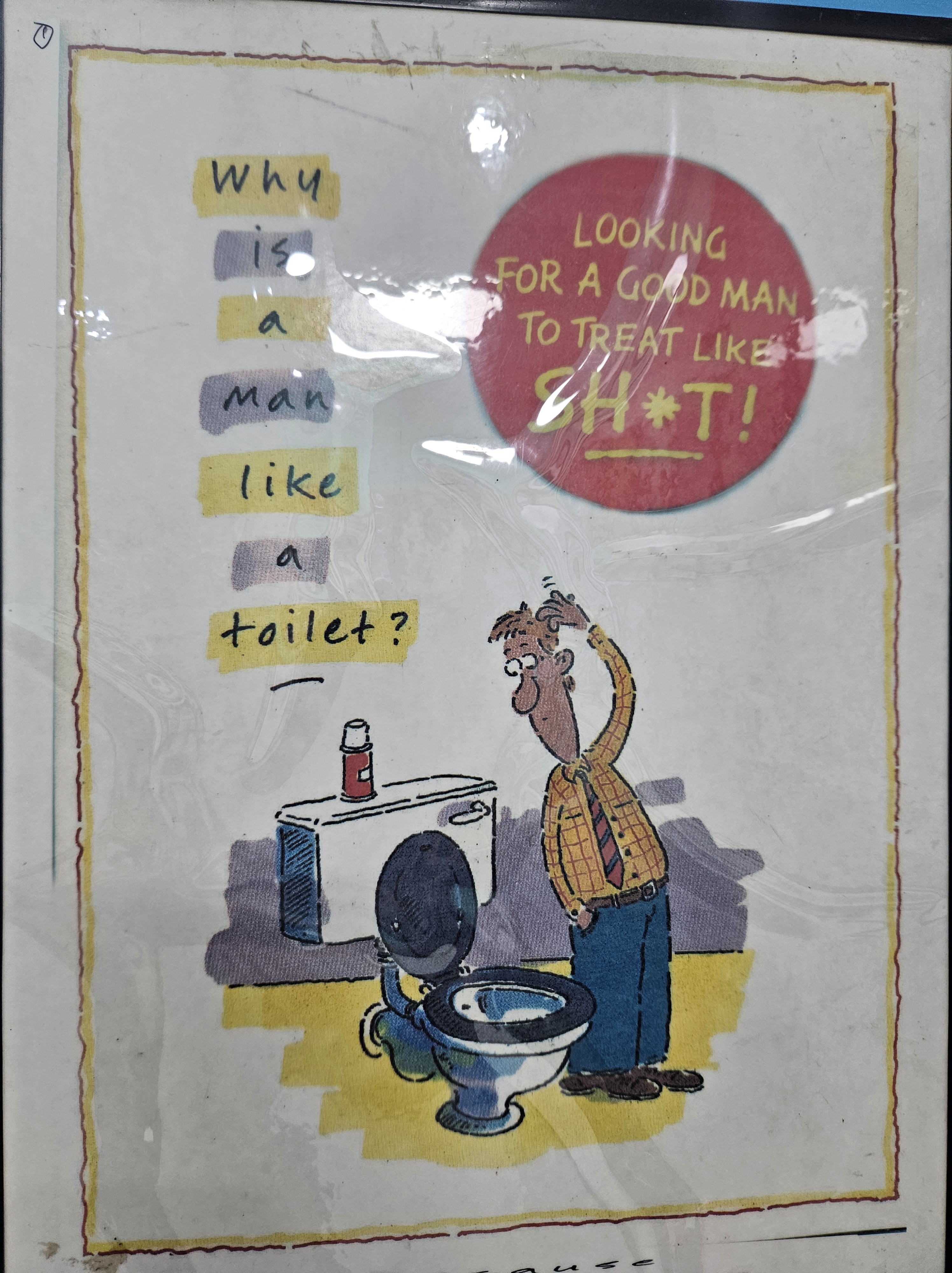
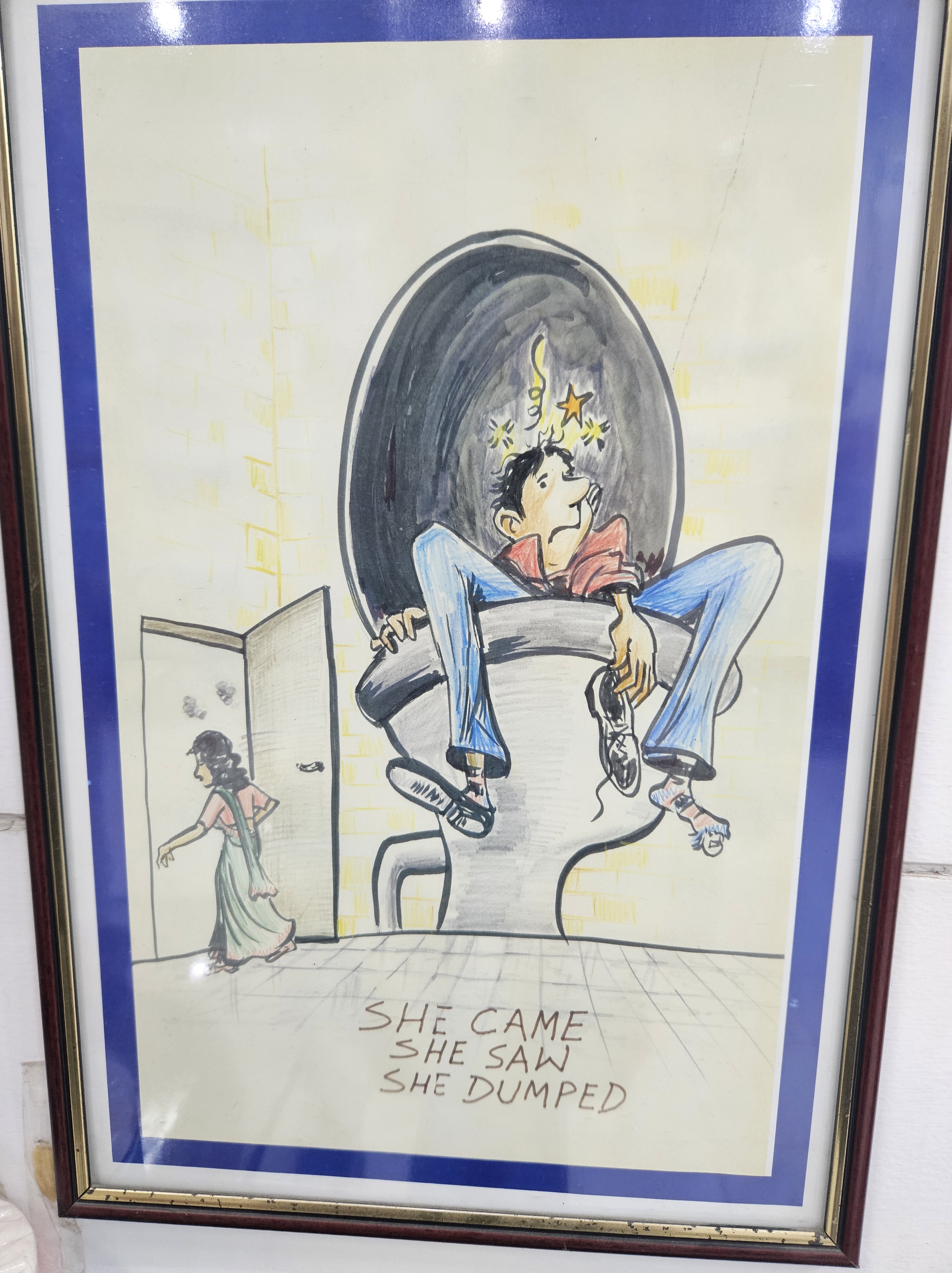
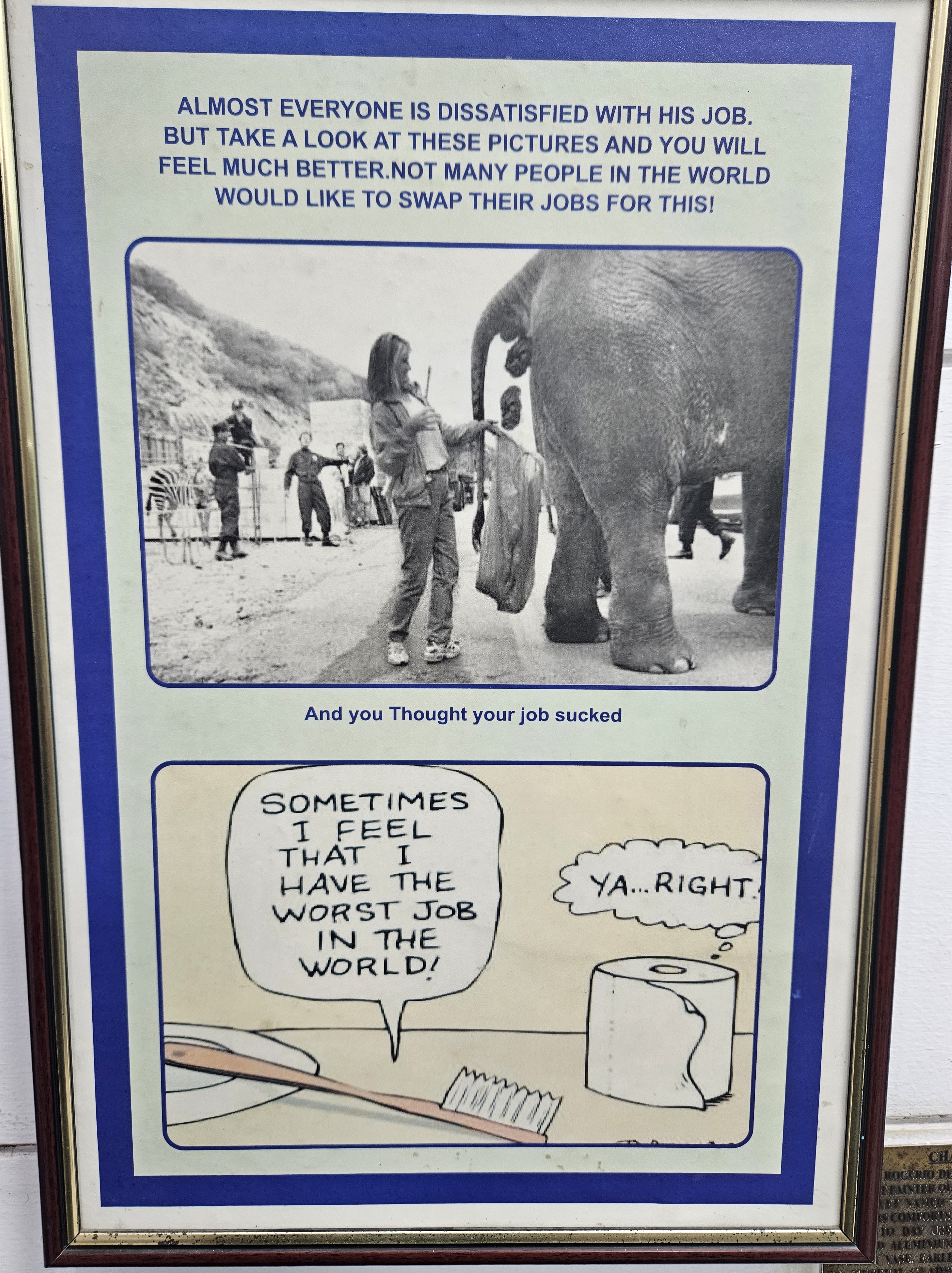
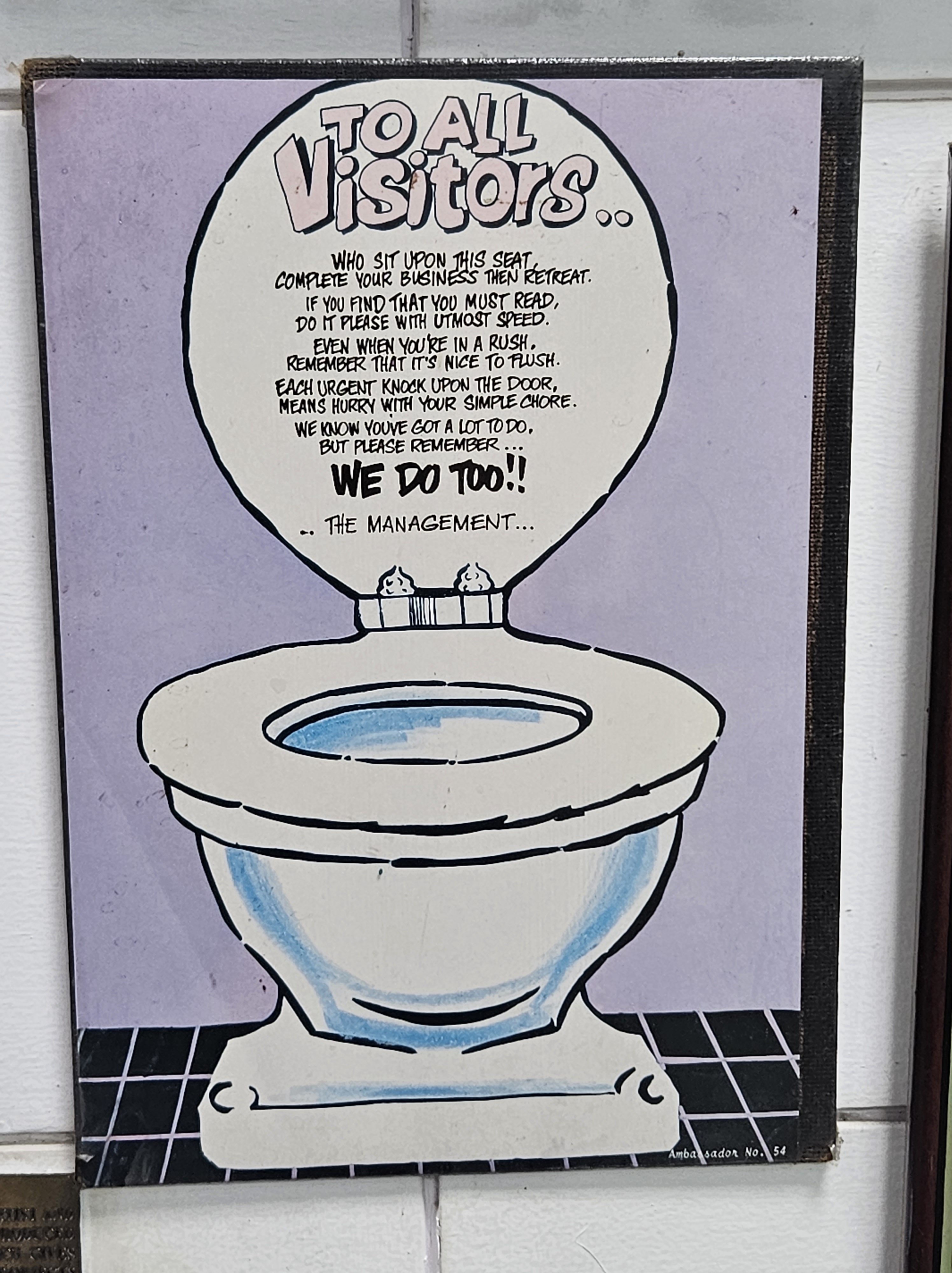
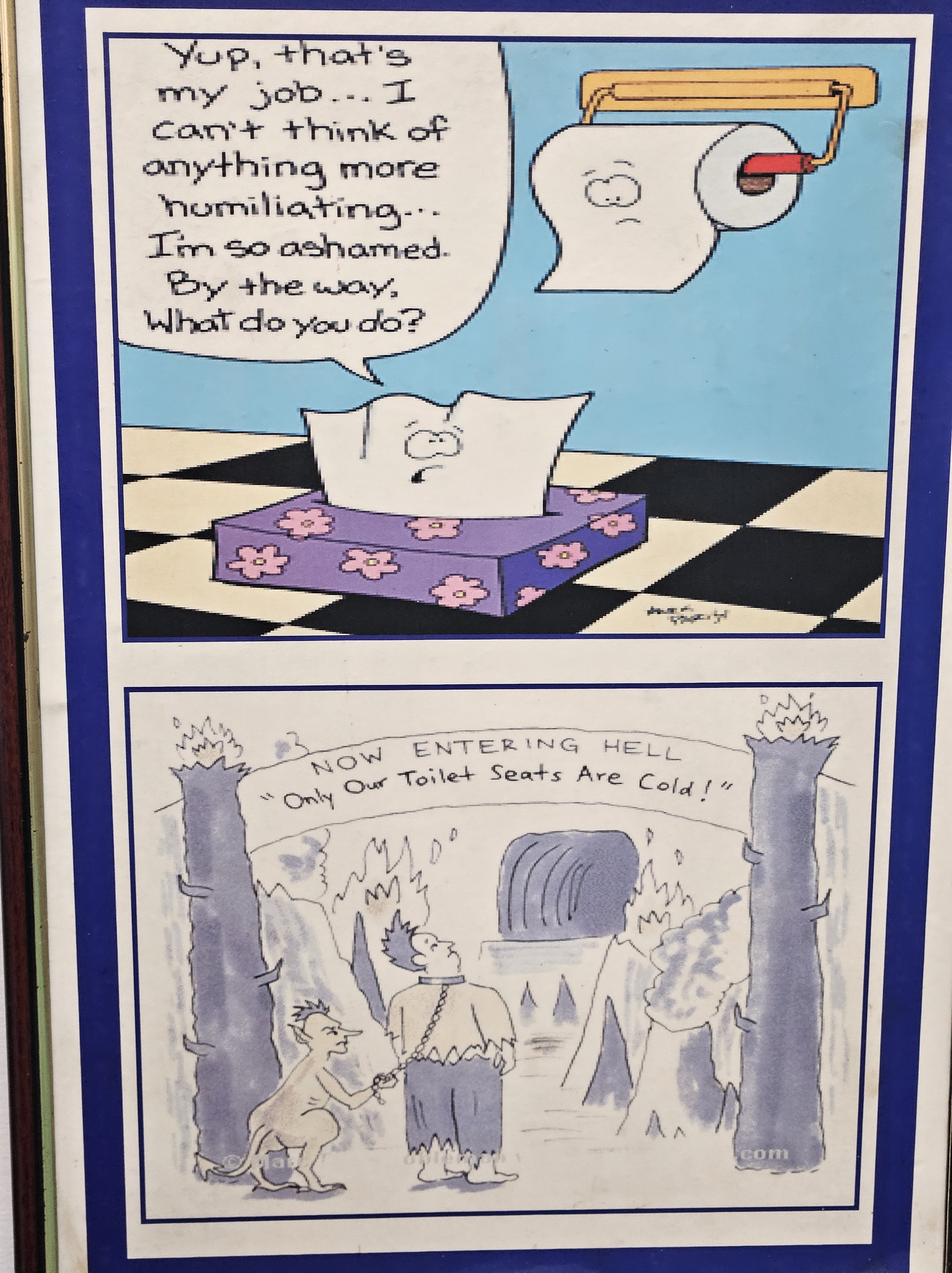
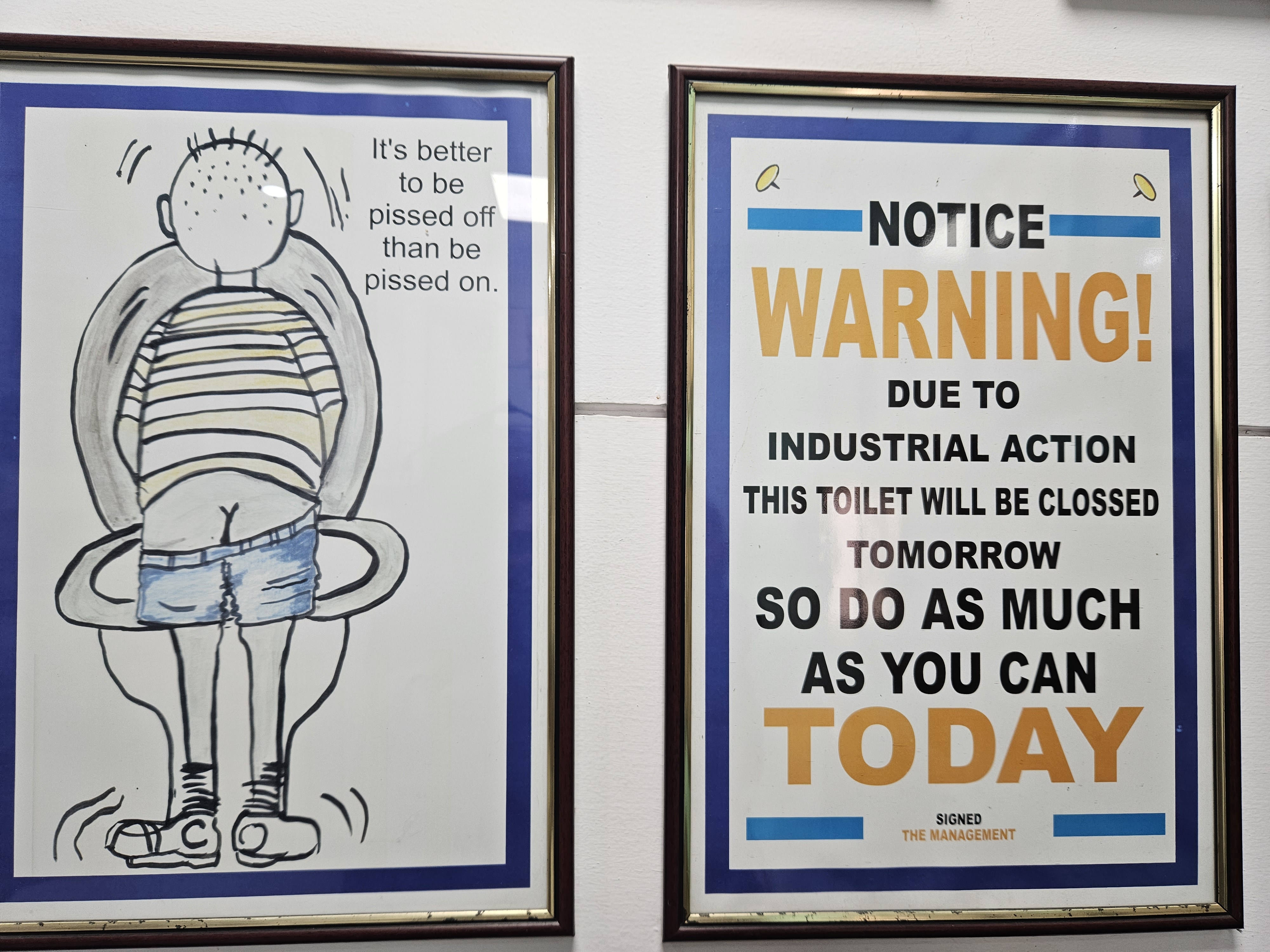
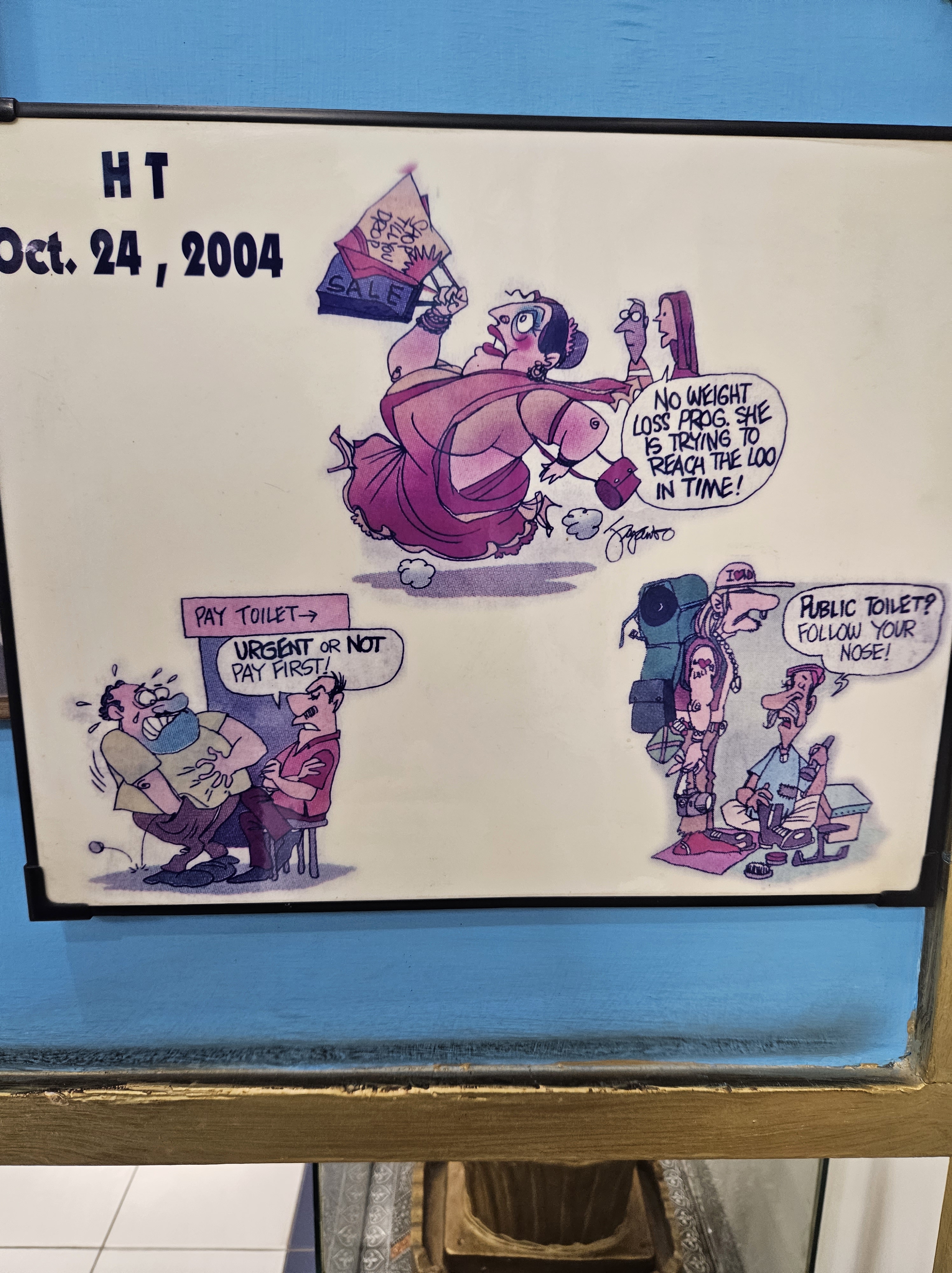
Sulabh: A Social Cause
There’s more to the practical aspects of the museum. Outside of the museum, you can get the lowdown on their low-cost toilet solutions, several models of efficient and easy-to-clean toilets that last between 5-10 years depending on the family size using them. In fact, Sulabh has trained masons and other skilled workers to install these toilets in rural villages across India. As per the latest numbers, Sulabh operates over 8000 public toilets in India, 200 of which are linked to treatment facilities where the products of waste, biogas, are repurposed to produce fuel for lighting and kitchen use. Through years of experimentation, Sulabh has discovered methods of treatment to make the biogas both safe and less offensive to the public.
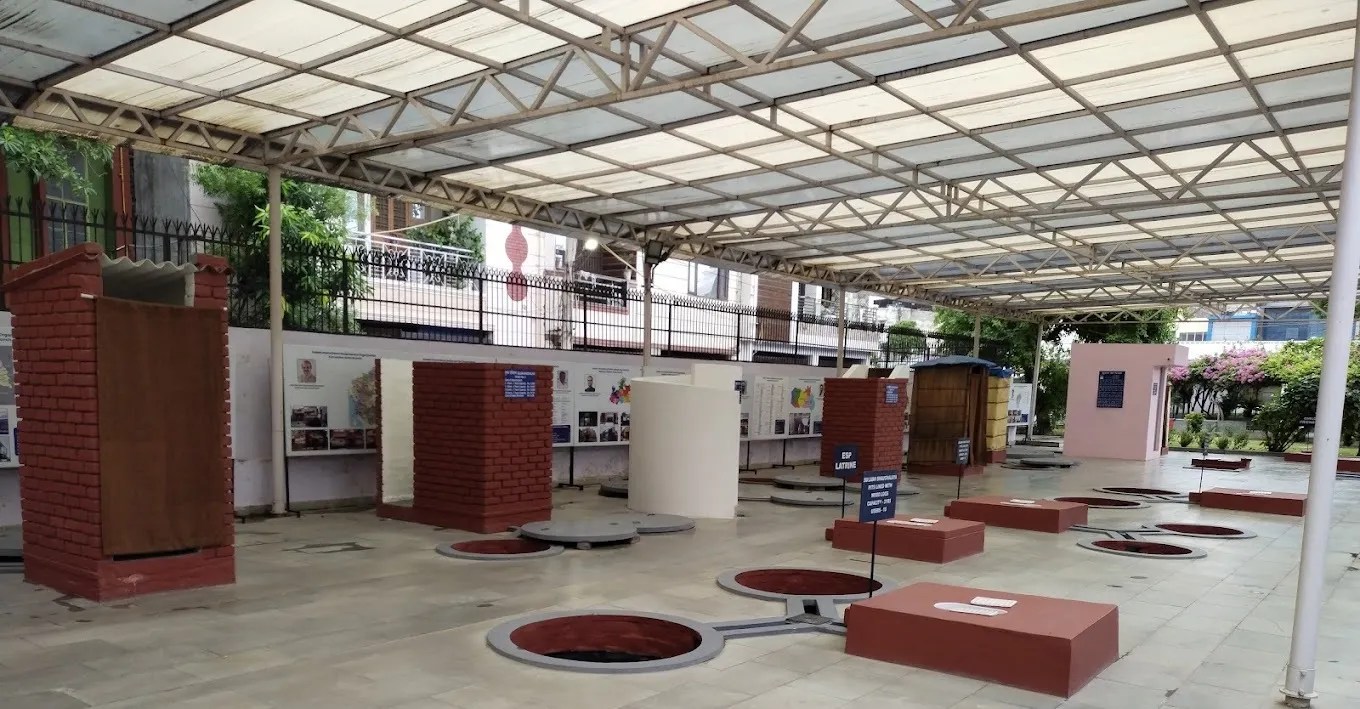
Let’s dive into a not-so-fun fact: sanitation issues in India are no joke, but they’re getting some serious attention. Picture this: while we are giggling at cartoons and cool exhibits, the reality is, open defecation is a big deal here. According to a 2015 report from the World Health Organization, a whopping 568 million people in India still do their business out in the open. Even in bustling cities like Delhi, you might spot folks doing their business out in the open. But it’s way more common in rural areas, especially up northern India. Some folks see open-air bathroom breaks as a cleansing ritual, a chance to connect with nature, or maybe with their untouched grey matter…who knows! But let’s face it, cleaning up afterward can be downright awful. Beyond humiliation, cleaning of latrines is often debilitating and dangerous. And guess who gets stuck with that dirty job? Yep, it’s often the Dalit community, once known as “Untouchables.” They’ve historically been stuck at the bottom of the social ladder, doing the dirty work like handling night soil for families.
Thankfully, things are starting to change, thanks to groups like Sulabh and government efforts. Right next to the museum is the Sulabh Public School. It’s not just any school—it’s a game-changer for kids from marginalized backgrounds in Delhi. Dr. Pathak, the brain behind the museum, thought it was a perfect complementary way of ensuring awareness, empowerment and access to equitable education. Here, regardless of caste, religion, or how much money your folks make, every student gets a shot at success. The school isn’t just about books and grades; it’s about breaking the cycle of poverty. The entirety of Sulabh Compound is a true testament to one man’s tireless efforts to improve sanitation and hygiene in India.
Further readings:
The Museum of Kind is a series of unique experiences, as perceived by me. It is not a debate on which is the best of all.
Related (and not-so related) Posts:
 The Lost Coordinates
[…] 04 – Toilet […]
LikeLike
[…] 04 – Toilets […]
LikeLike
[…] 04 – Toilets […]
LikeLike