
History is important – it holds within it, the time of the pioneer. In a memoir dated December 1776, Louis Laurent de Federbe, comte de Modave, wrote about the geographical area that the French called as ‘les grandes Indes’. His observation that the French have “become nothing” in the global stage of colonialism, is an exaggeration of a kernel of truth. The French interest in Indian subcontinent can be documented in three words/phrases: trade links, ongoing control of the trading posts, and European colonial rivalry. In common with its European competitors (the English, the Portuguese, the Dutch, the Danes, and the Swedes), France’s encounter with India began through trade. And despite the whining intonation in various memoirs, the French colonial rule lasted for 264 years as compared to the 190 years of British administration.

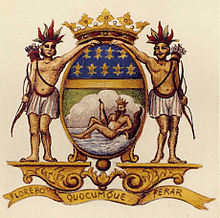

In 1664, Louis the 14th and the ‘Contrôleur général des finances’ Colbert set up an East Indian company, following the model of the British and the Dutch in the early 17th century. The ‘Compagnie des Indes Orientales’ received trading rights from the Mughal ruler Aurangzeb
to set up an establishment in Surat in 1666. Similar to its English and Dutch counterparts, the Compagnie had a national monopoly on trade relations between the France and India, the right to maintain army and negotiate treaties, and authority to mint money and exercise justice. The southern operations from Pondicherry commenced in 1673 and prospered until 1750’s with textiles being the largest trade item. The company was unable to sustain profitable ventures during the times of war and by 1769 the Compagnie des Indes Orientales was taken over by the French crown.
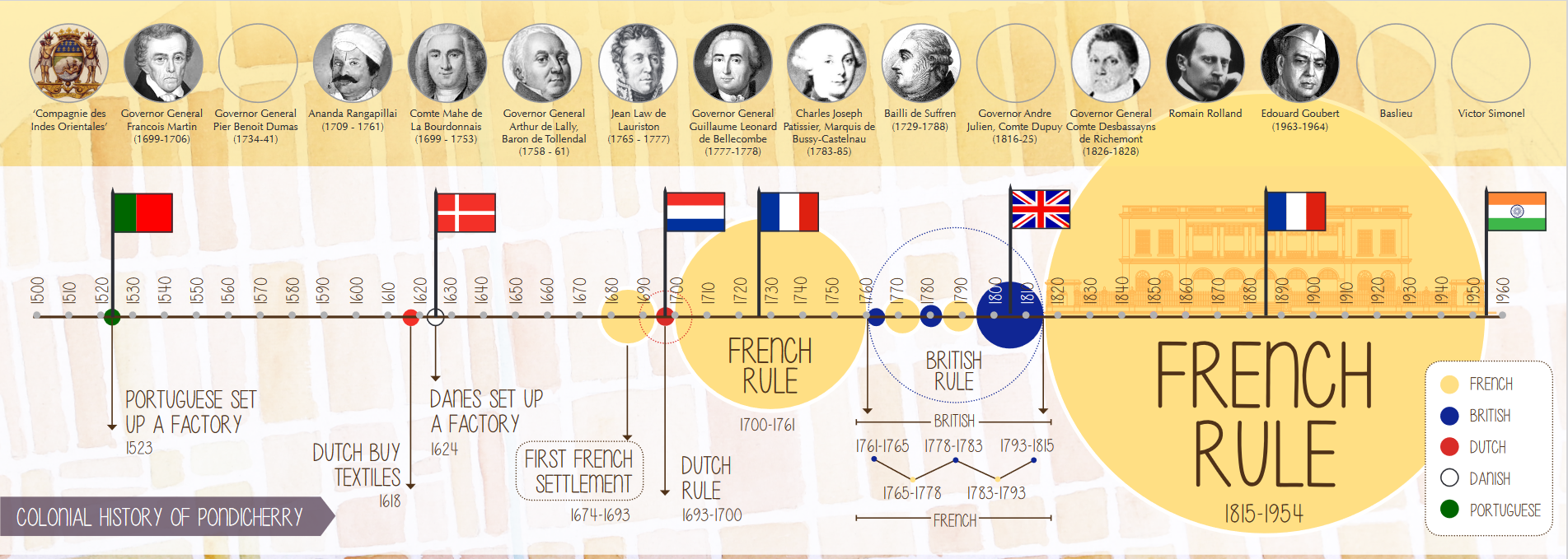
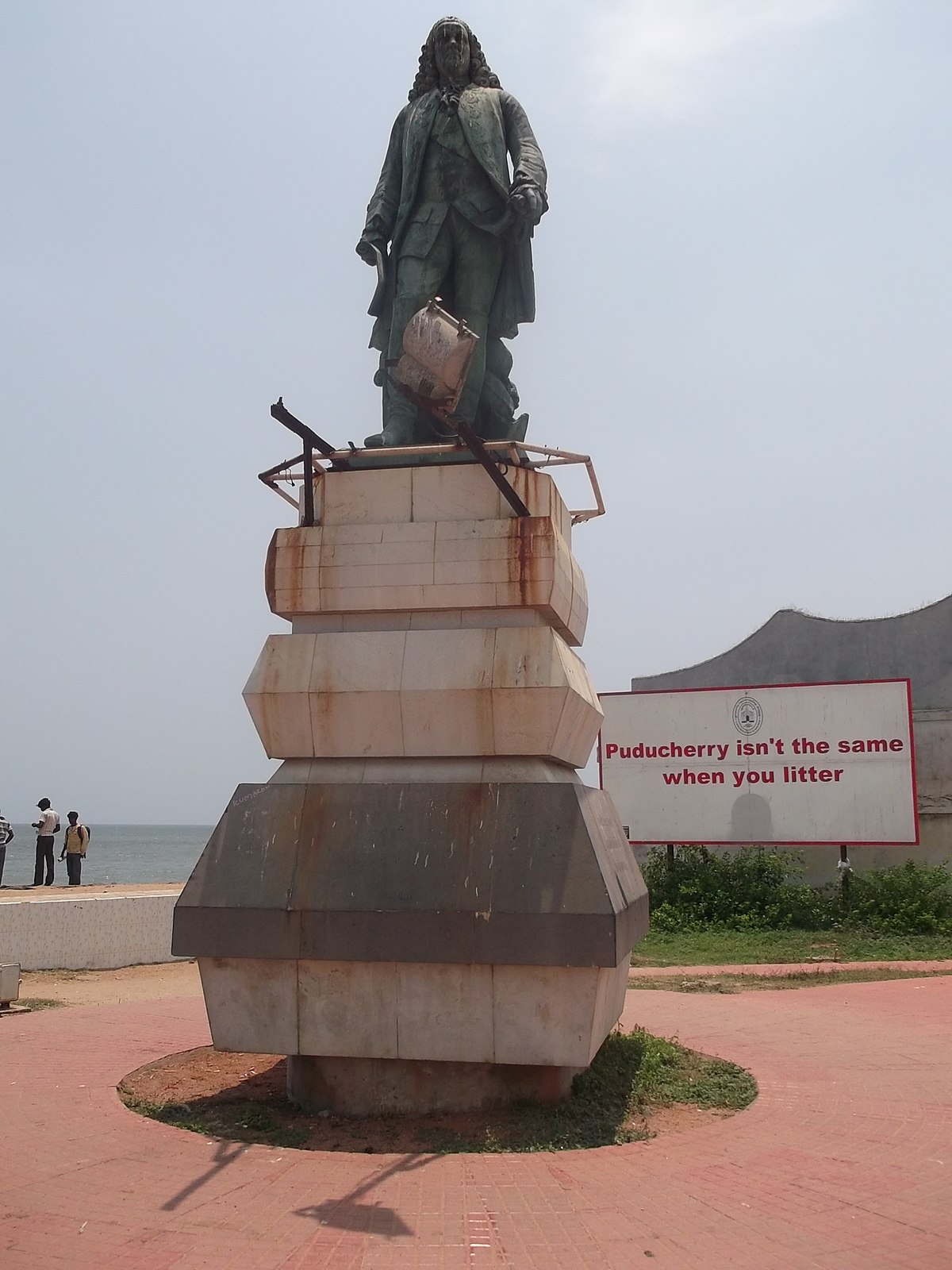
In accordance with the Treaty of Paris (1763), Louise XV agreed to renounce any further expansionist activities and will maintain these trading posts without fortifications or a standing army. Interestingly, the French Imperial historiography takes a comparative approach to document its Imperial rule in contrast to British empire, a stance that implicates France with a subordinate colonial history. What should not be forgotten is that, before the sultans of Mysore were defeated in 1799, the establishment of British rule in India was neither inevitable nor unchallenged. The time frame of French in India is largely dependent on the French fortunes: in 1754, French influence was at its peak as described by Joseph-Francois Dupleix in his biographies. He played a key role in cementing the French presence in the subcontinent when he identified the gaps created as a result of constant succession disputes among the Princes of India. He built a close relationship with Hyder Ali and his son Tipu sultan that served him well against his European rivalry.
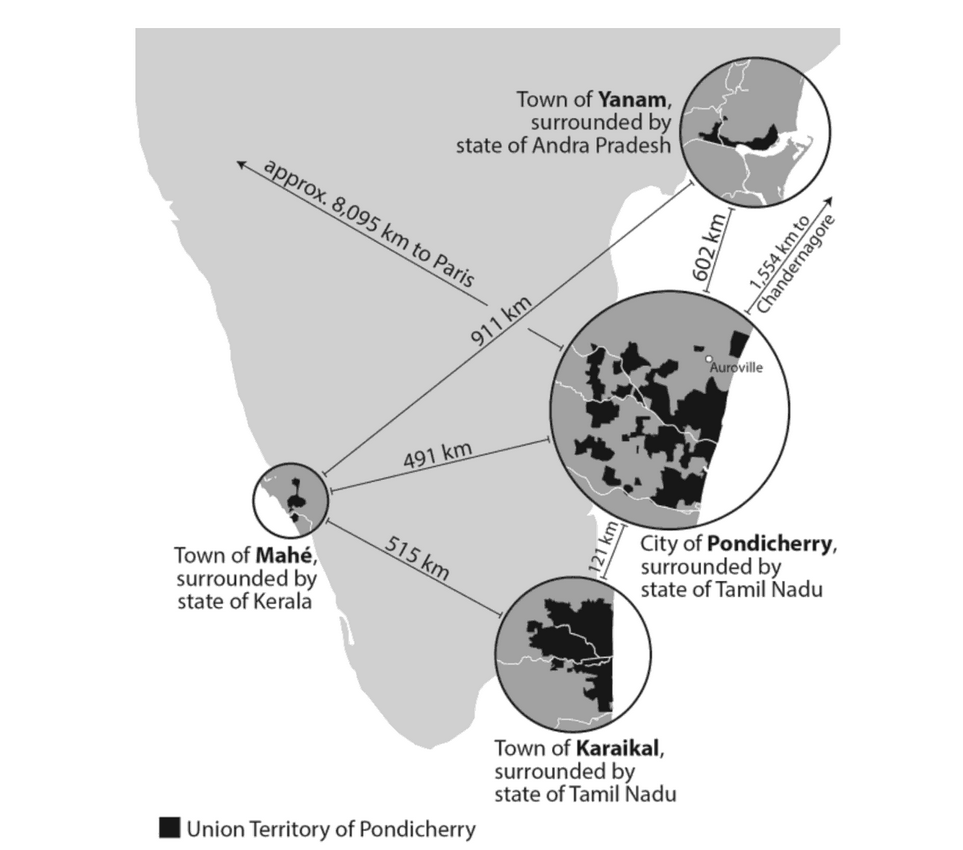
The grandeur of Dupleix empire fell by 1761, as each trading post capitulated to the growing British empire within the subcontinent. Under the terms of the Treaty of Paris of 1763, the total area of French establishment was 56000 hectares (560 sq km) and remained this size until France ceded its control formally in 1962. The French presence in India was counted in its five trading posts – Pondicherry, Karaikal, Mahe, Yanaon and Chandernagor, all scattered across the width of Indian subcontinent. Following the treatise of Ryswick (1697) which saw Pondicherry shifting hands from the Dutch to the French, it was decided to make Pondicherry the chief-lieu of all French territories in India. In the premise of Independent India, the Union Territory of Puducherry comprises the former French establishments of Puducherry (293 sq. km), Karaikal (162 sq. km), Mahe (9 sq. km) and Yanam (30 sq km), thus covering a total area of 492 sq km. Chandernagor, opted to be part of the Indian Union in 1949.
Life in Pondicherry
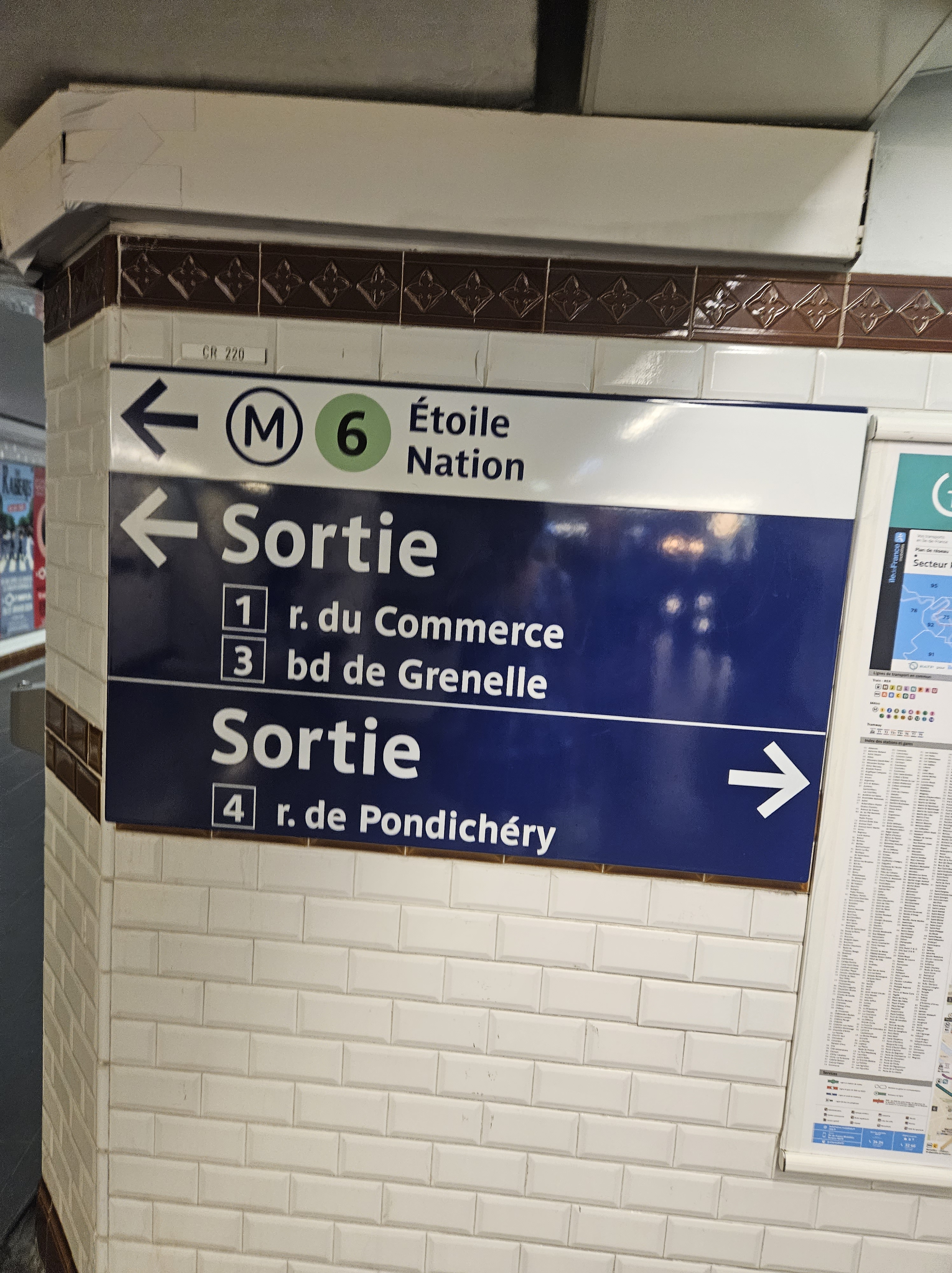
Walking through the packed roads, I was distinctly reminded of taking a stroll through some archive historical collection. Two hundred years of French colonization has left a distinct impression on the humble fishing town – a charm and romance that reminds you of French elegance. Even the name of the Union territory has a French connection to it – “Pondicherry”, the French interpretation of the original name “Puducheri” meaning ‘new settlement’. There are three distinct way of life that I witnessed amidst lanes of Pondicherry or Puducherry, each spatially and culturally segregated. And, my guide for the day, explained this unique dichotomy in one simple phrase “Wanacom, Welcome and Bienvenue” which basically captures three unique culture together – Tamil, English, French.
One of the most historical anecdote to Pondicherry’s identity is that of a courtesan. When King Krihnadevaraya of the Vijayanagar Empire was passing by Pondicherry, he chanced upon a beautiful structure lit with oil lamps and embellished with fine carvings. He was so impressed by the beauty and the peaceful aura that, mistaking it for a grand temple, the king fell to his knees in reverence. The onlookers were stunned at the king’s gesture. It was then that the King came to know that what he thought as the temple was instead home to a temple dancer or ‘Devdasi’ Aayi. Enraged and feeling humiliated (typical man!!!), the king ordered the home of the courtesan to be demolished. Devastated and heartbroken, Aayi begged for mercy and offered to tear down the house herself. She requested the king to allow her to dig a pond at that spot for townspeople. The king having calmed down relented. Aayi stayed true to her word and constructed a freshwater tank where her house once stood.
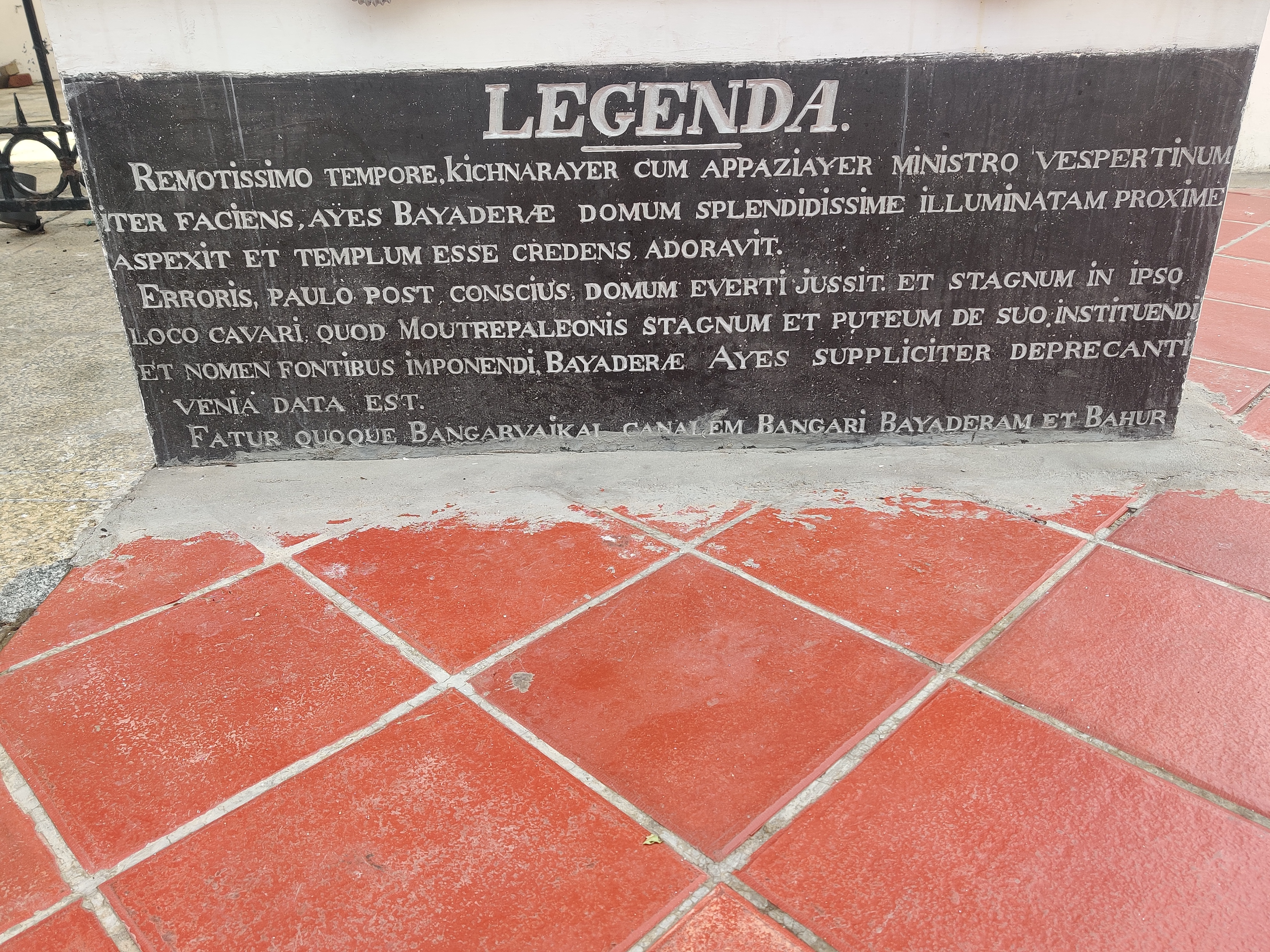
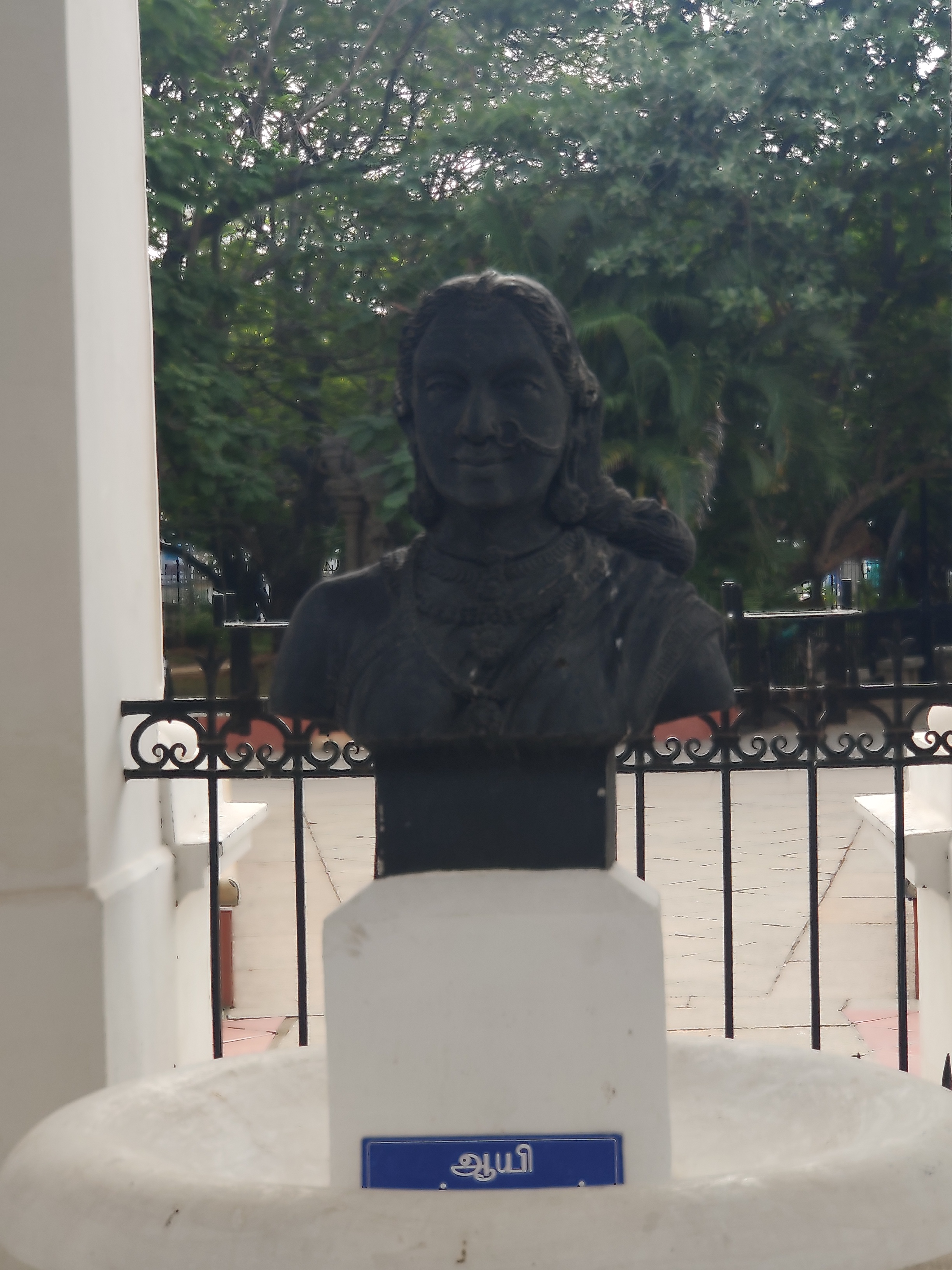
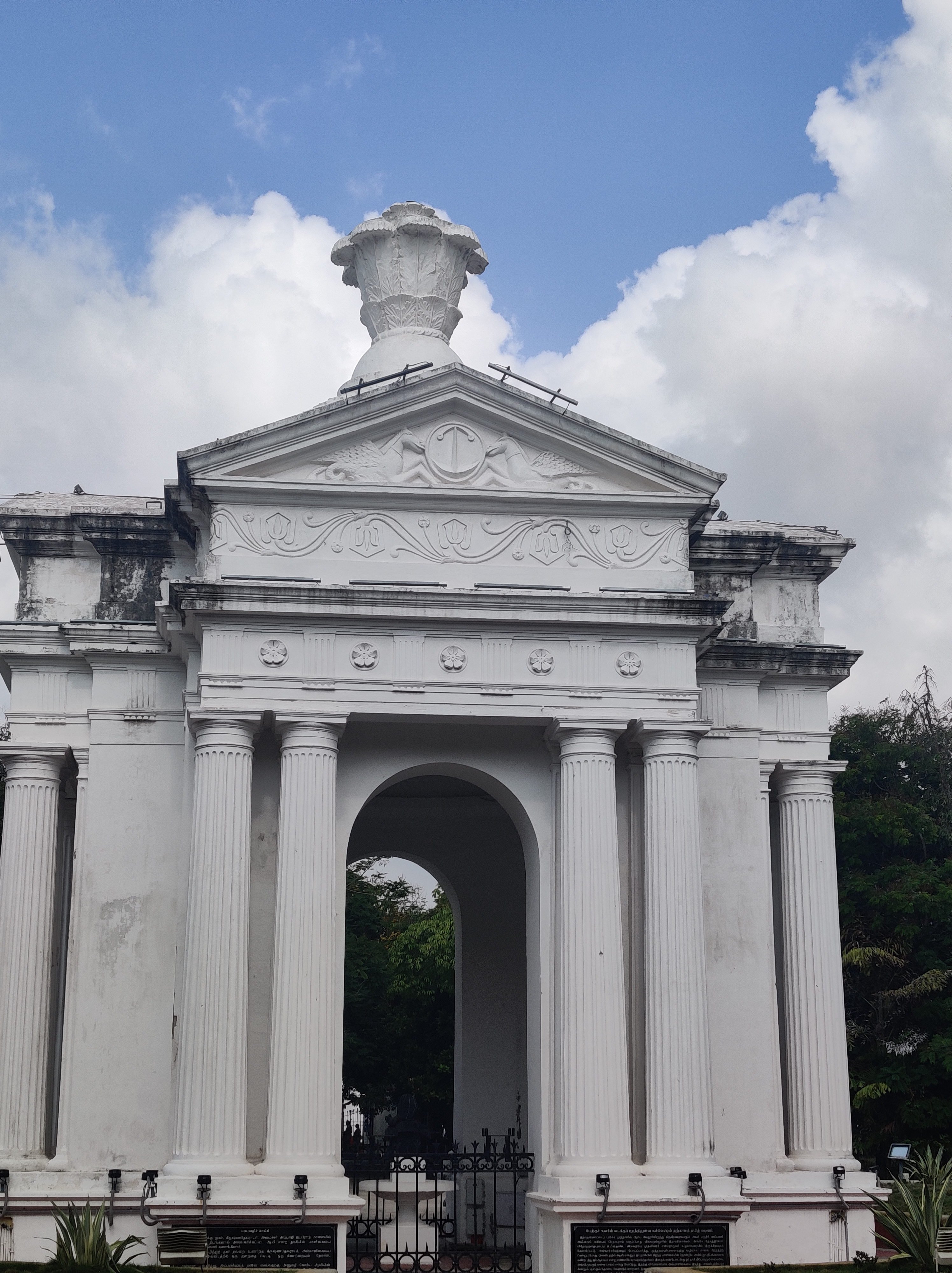
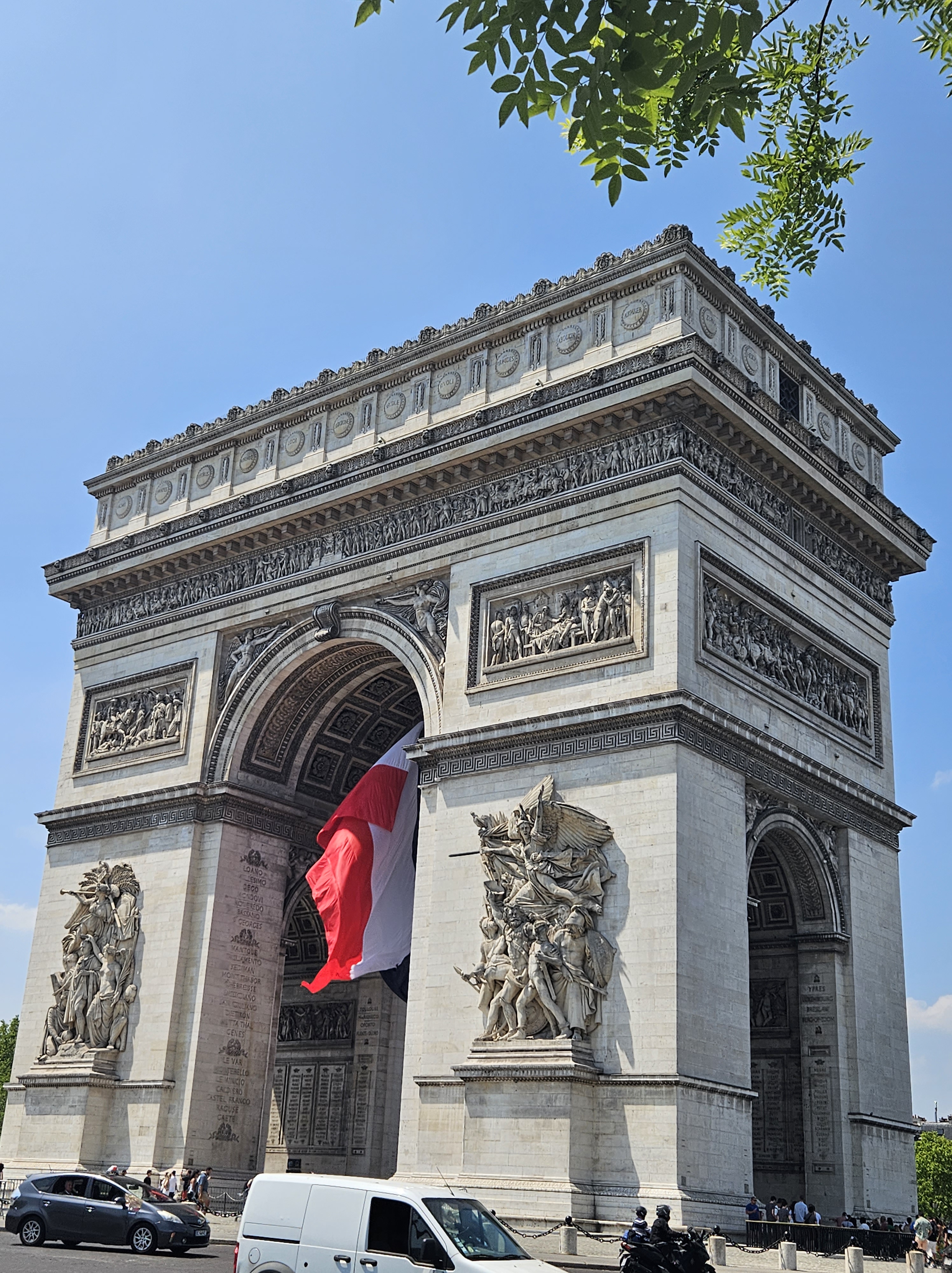
Years later, during the French rule, there was an acute water scarcity problem. The engineer Pierre Eugene Lamairesse while scouting for alternate water source discovered the freshwater tank constructed by Aayi at Muthurayapalayam. He got canals dug from the pond to a central location in the French quarters. When King Napolean III, heard the age-old legend of Aayi’s sacrifice and generosity, he ordered a memorial to be built in her remembrance. Regarded as Puducherry’s official emblem, the elegant ivory white pavilion adorned by the fleur-de-lis, the formal royal arms of France was built by Louis Gurre in 1854 in honour of ‘Aayi’ for her selfless service to people. Incidentally, Aayi Mandapam has a close resemblance to the French monument of victory, Arc de Triomphe.
The French Quarter
The first, is the cultivated French French-Indian, a person who was ethnically Indian, held a French citizenship (or hoping to get one based on ancestry), spoke fluent Tamil and French, can read fluent French literature, and want a more direct relationship with their French heritage of yesteryear. They live in the historic white town, an area that is depicted as quaint, aesthetic, clean and orderly with grid-like streets, largely thronging with tourists more than the natives. It is common knowledge that Pondicherry near the beach area after grand canal in the east is known as white town (Ville Noire) and the west of grand canal is called as black town (Ville Blanche). French are not responsible for this divide on racial lines. While the quarter is uniquely and obviously associated with the French history, it is the Dutch who are solely being the origin of the separation.
On September 1693, Pondicherry fell into the hands of the Dutch and remained five and half years in their possession until March 1699. During that period Dutch tried to develop the Pondicherry into a great manufacturing center. By entering into an agreement with Raja Ram, the ruler of Senji, they enlarged the territory under their control. Then they planned a new town based on the grid pattern. The plans of 1693 show that, in Francois Martin’s time, the streets or lanes were following an irregular pattern, without any shape or symmetry, whereas in the plans drafted in 1694, during the Dutch occupation, one finds the design of a large new town, with a very regular geometric lay out, rectangular blocks of houses, separated by straight streets, intersecting at right angles. This great urban project of the Dutch company was adopted by the French who systematically carried out the extensive straightening out of streets into a planned grid, during the first half of the 18th century. And this how the Instagram-worthy city of Pondicherry came into existence, built on the foundation of Dutch belief that this pattern was symbolic of an ordered, well managed society, hierarchical but democratic. At the end of the day, while the French architecture style demands your attention with its colorful buildings, the grid-like planned neighborhood will remind you of your strolls along the canals of Amsterdam.

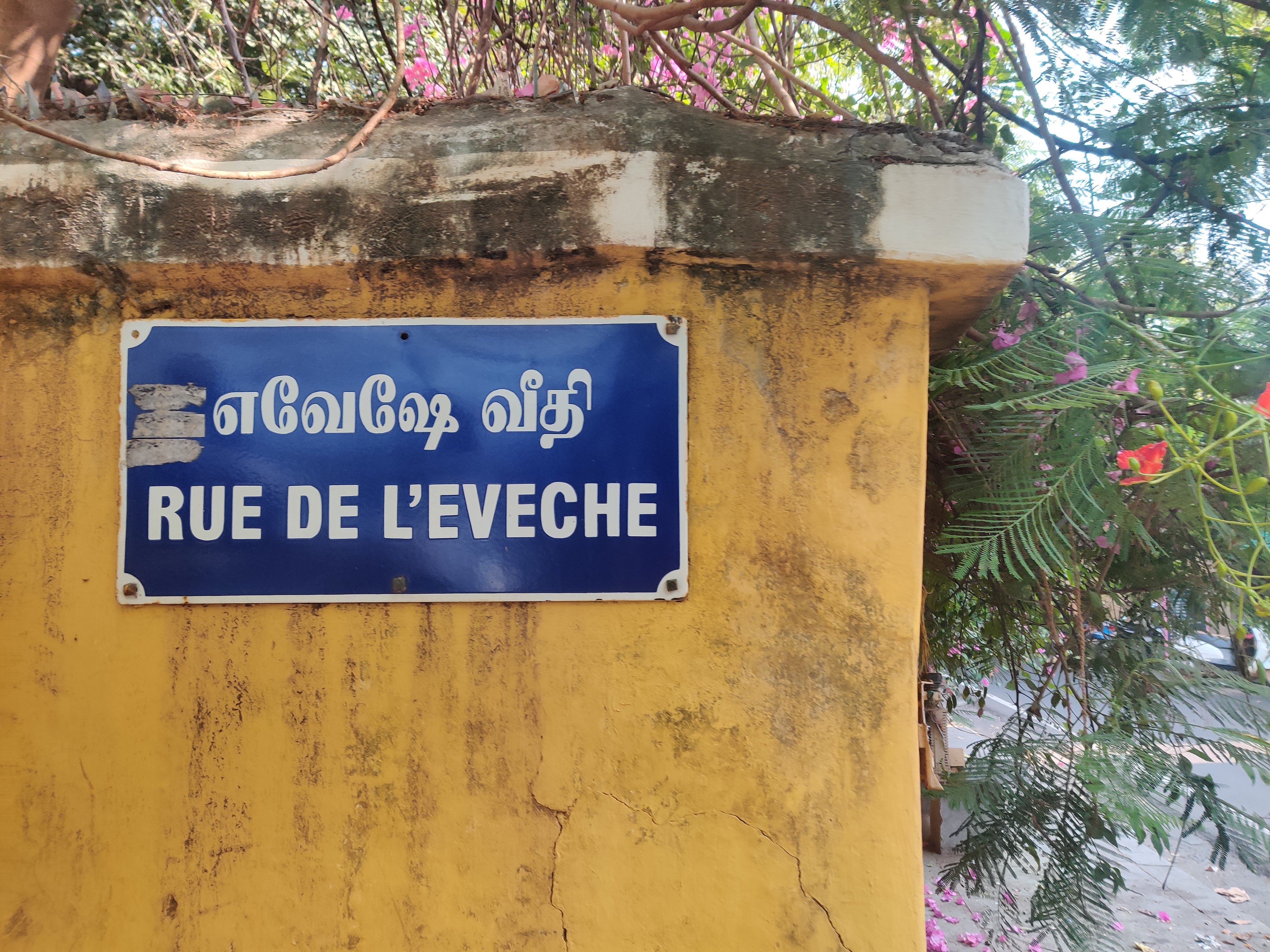
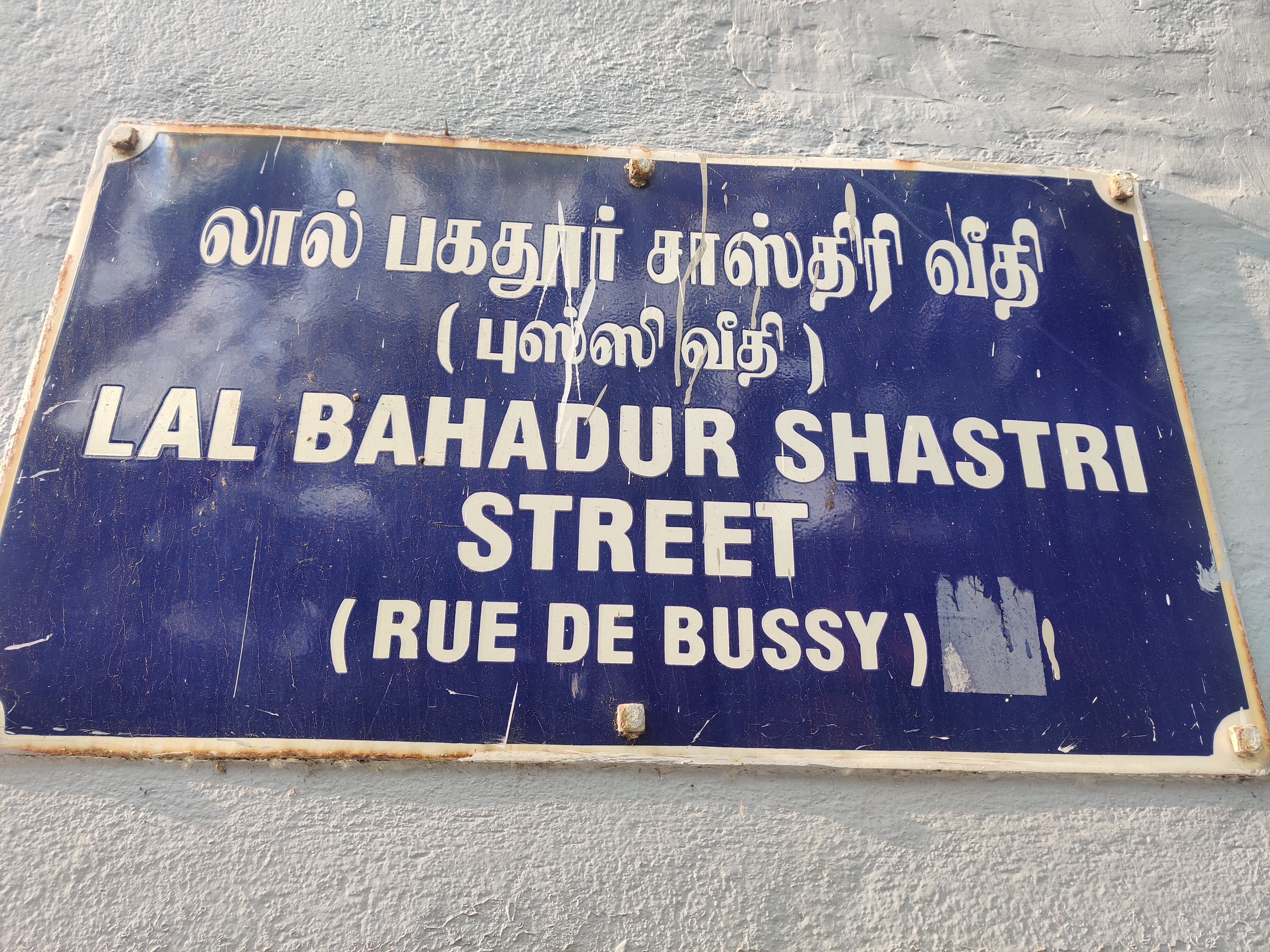
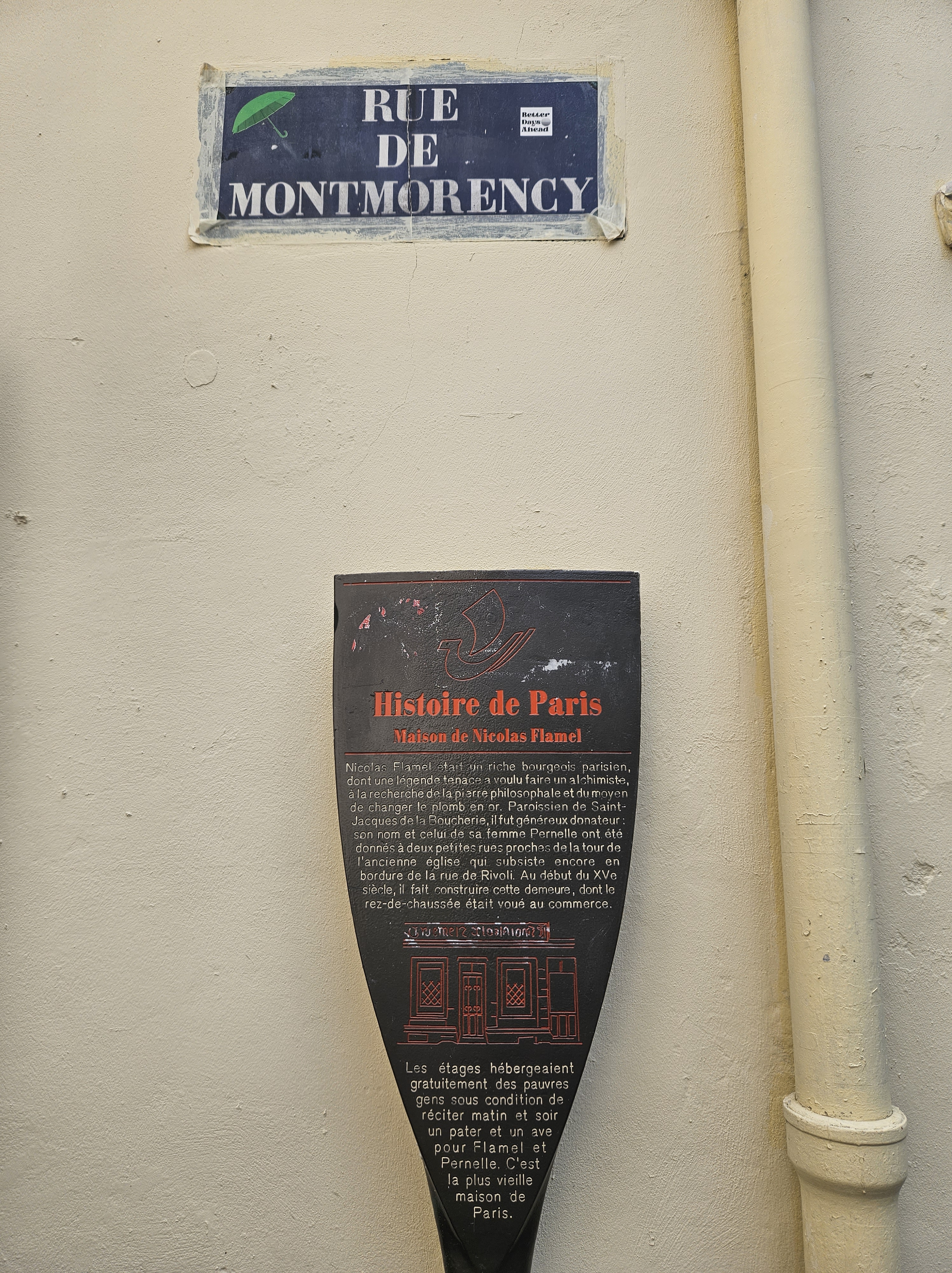
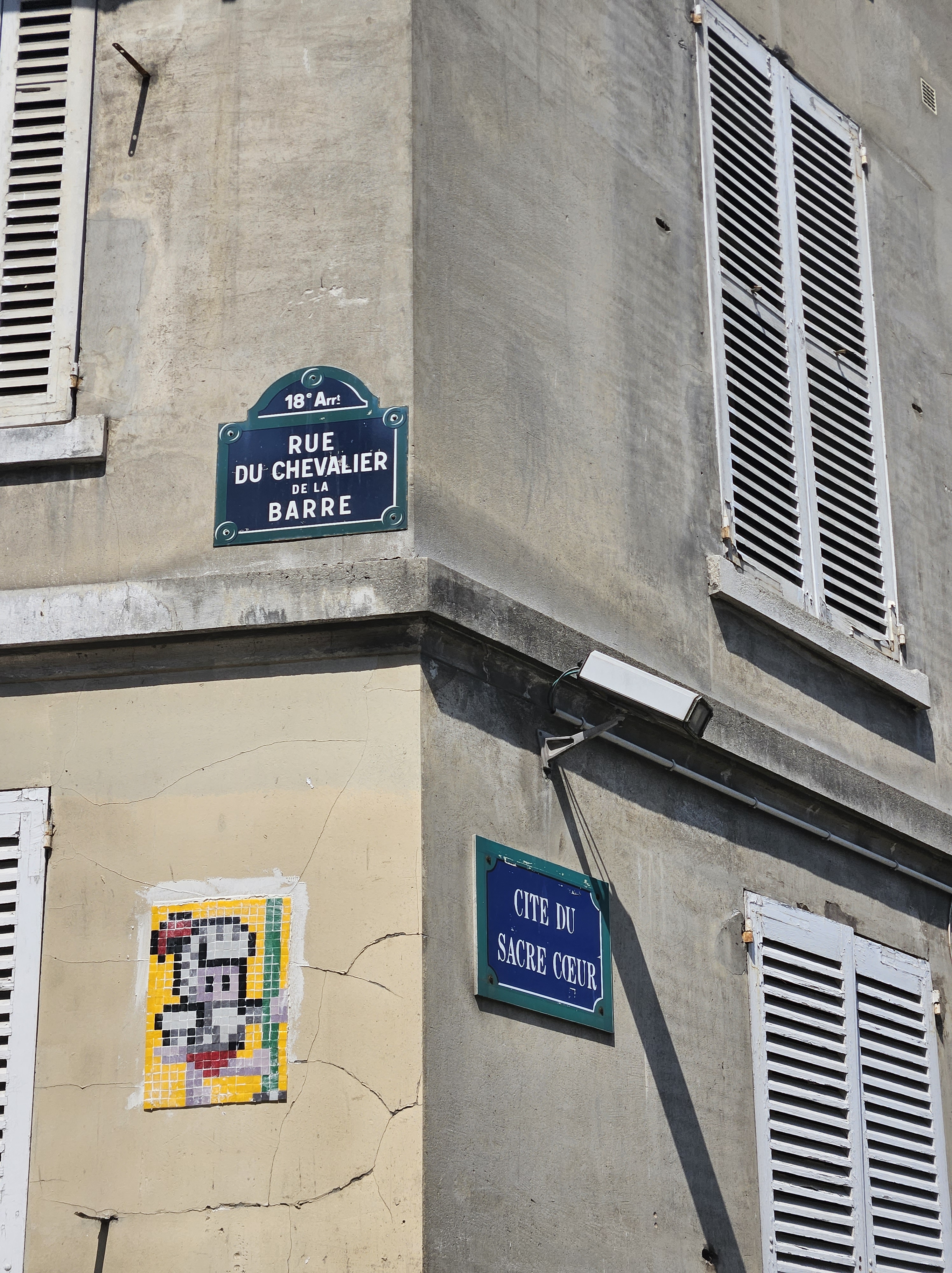
Similar to French trademark, the roads start with the word ‘Rue’ and connects a person of historical importance as a way of identification. Rue Martin was named after Francois Martin who is considered to be the ‘founder of Pondicherry’ where he settled as early as 1673, as its first administrator. He was made the first Governor-General in 1699 and Pondicherry was established as the headquarters of French India in 1701. The urban character of the city began to evolve as he continued working on the grid pattern adopted by the Dutch in their town plan. Indian weavers and artisans came to settle in Pondicherry due to his initiatives, making it a flourishing trade centre.

Rue Dumas is one of the primary streets of the French Quarter, named after Governor-General Pier Benoit Dumas (1734-41) who was instrumental in enlarging both trade and territory of
Pondicherry. He gained Karikal for the French in 1738 and initiated the French policy known as ‘nababism’. He also earned the right to mint gold pagodas and silver fanams in Pondicherry from the Mughal courts in 1736. The income from this venture augmented greatly the profit of the La Compagnie Française de Indes Orientales and due to this new wealth, the urban development of Pondicherry was completed by the addition of many ornamental building.
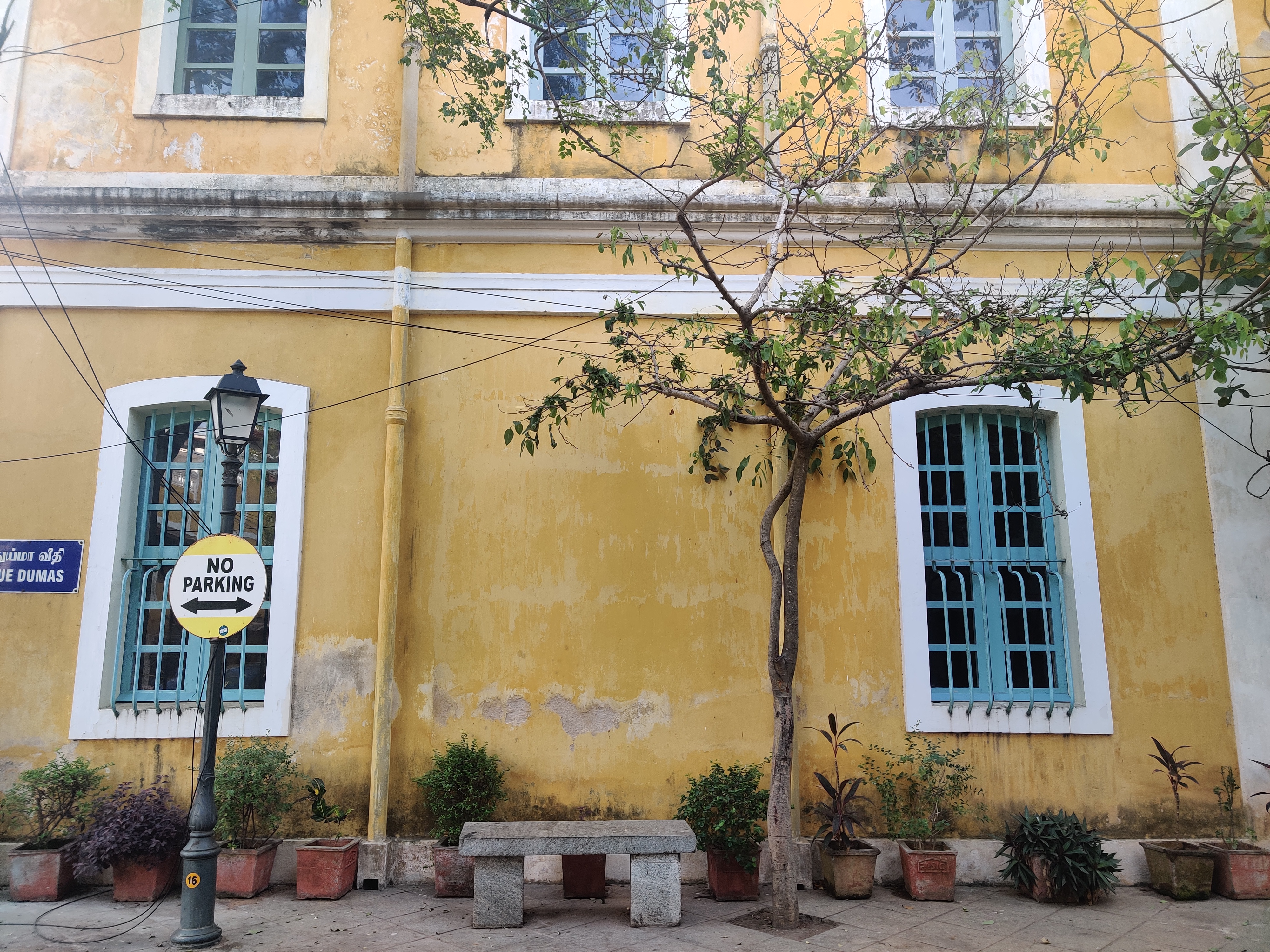
Located on the Rue Duas is the Ecole Francaise d’Extreme-Orient, also known as EFEO, a prestigious French research institute established in 1955 in dedication to the study of Indian culture, history and society in general.
Comte Mahé de La Bourdonnais (1699- 1753) was a French naval officer who achieved success as the governor of the Isle de France (now Mauritius). He came to Pondicherry to aid Dupleix and participated in the first Carnatic war by laying siege to Madras which he took in 1746. Having negotiated the surrender of Madras with the British, he stood in opposition to Dupleix who wanted the complete destruction of Madras. La Bourdonnais also distinguished himself
in the defence of the French outpost of Mahé. When he came back to France, he was jailed at the Bastille due to the accusations against him sent to Compagnie by Dupliex.
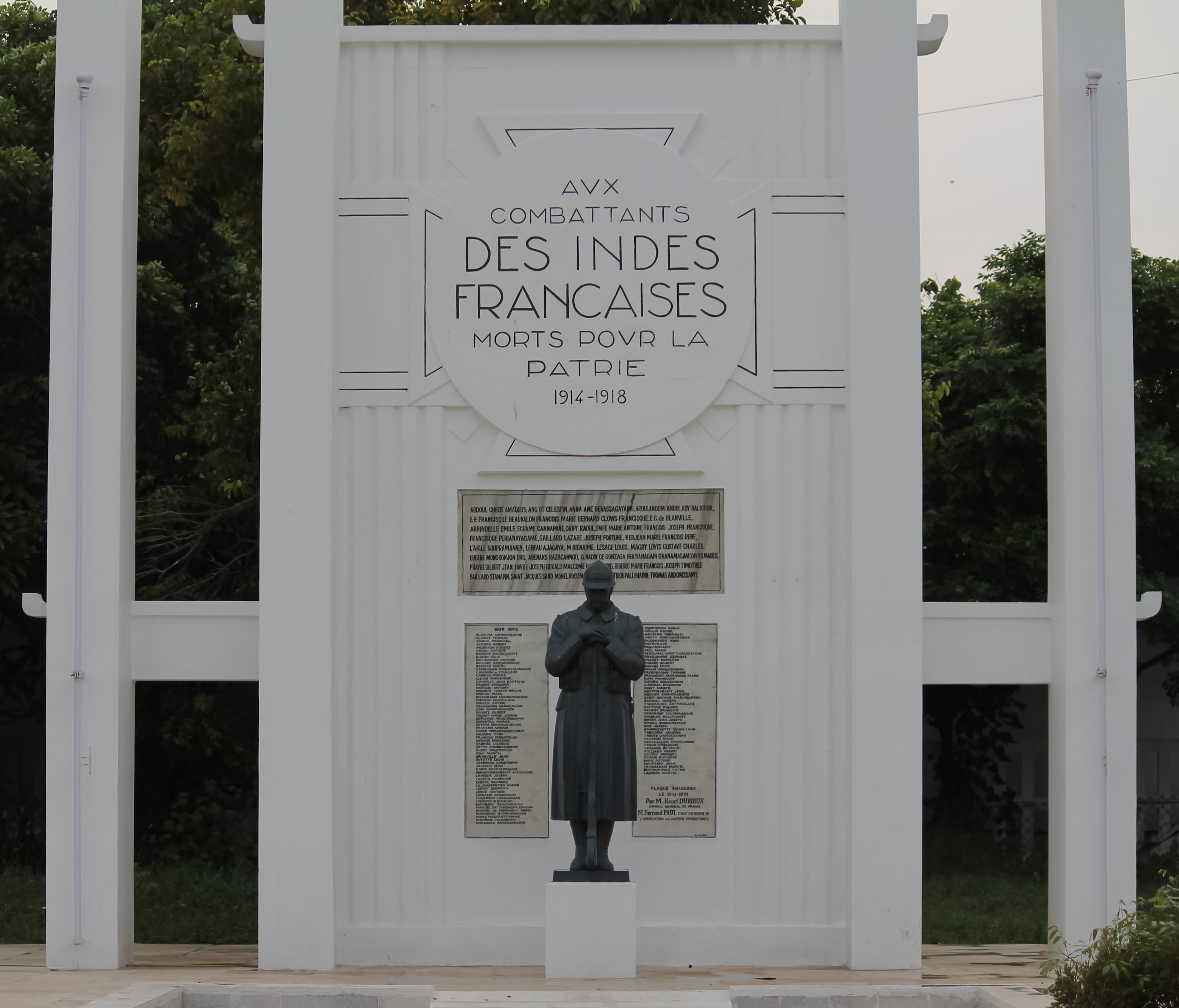
Rue Suffren, named after Admiral Pierre André de Suffren de Saint Tropez, Bailli de Suffren (1729-1788) honors the brilliant naval commander known both for his nerve and skills in handling his ships. He served in the Seven Years’ War, beginning his career during the War of the Austrian Succession, and was captured at the Battle of Lagos. Suffren was one of Admiral d’Estaing’s assistants throughout the naval engagements of the American Revolutionary War and participated in the Siege of Savannah after being promoted to captain in 1772. During his assignment at the Indian Ocean, Suffren served as the captain and engaged Vice-Admiral Sir Edward Hughes in five fierce and competitive naval engagements while commanding a squadron of 15 ships. Suffren was able to secure French domination of the seas in Indian waters via these fights up until the Treaty of Paris that ended the war. At his return, he was promoted to the post of vice-admiral.
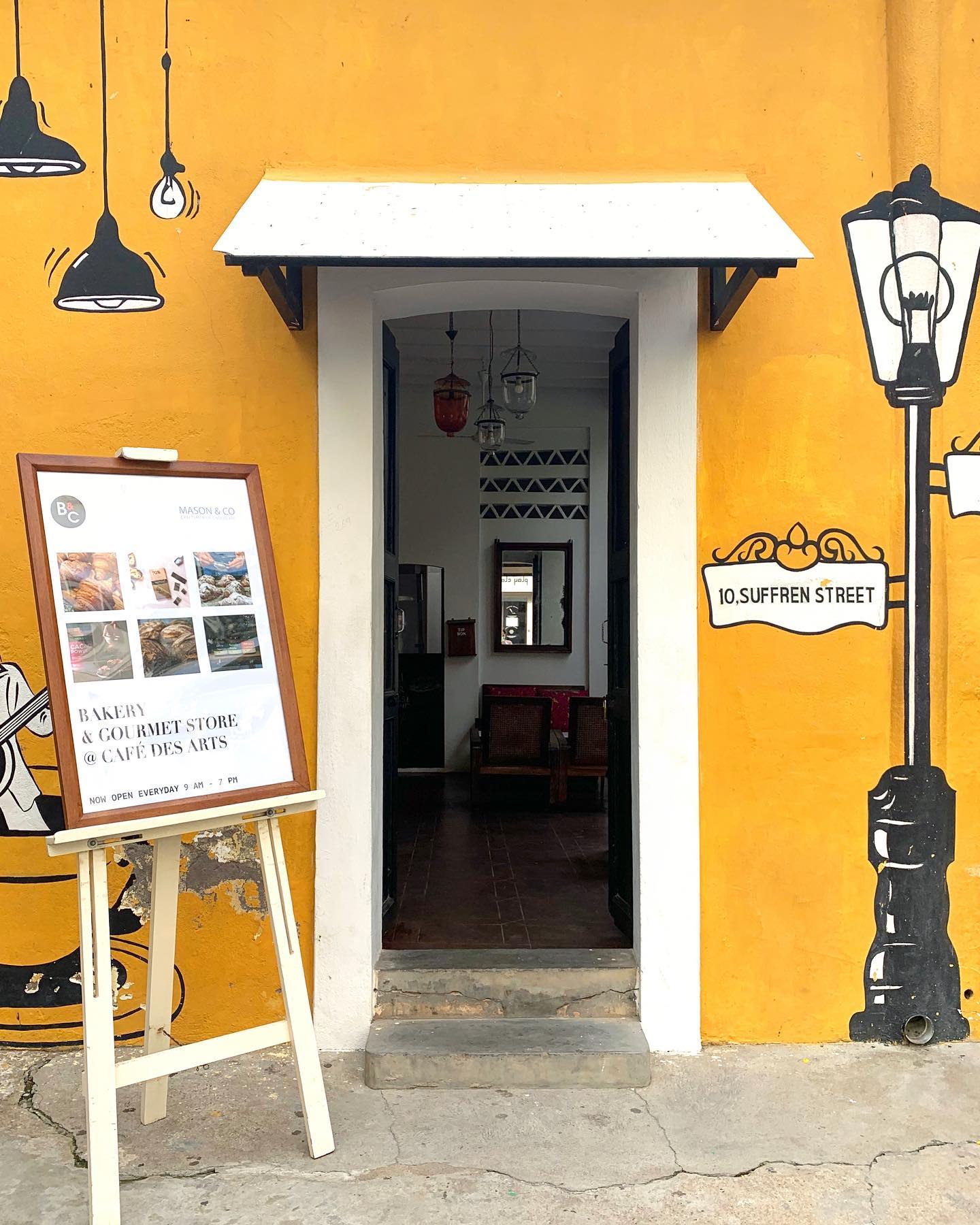
Charles Joseph Patissier, Marquis de Bussy-Castelnau, was a French lieutenant who aimed to increase French influence in local rulers, a goal shared and endorsed by Dupleix. He along with Arthur de Lally, Baron de Tollendal, a renowned French hero fought against the British in the third Carnatic war in 1757, leading to their capture and release in Europe. He returned to Pondicherry as Governor-General in 1781, where he spent two years fighting against the British until a peace was established in 1783-84. Lally was accused of treachery and sentenced to death in 1766. There are two streets honoring the two men – Rue de Bussy and Rue Lally Tollendal.
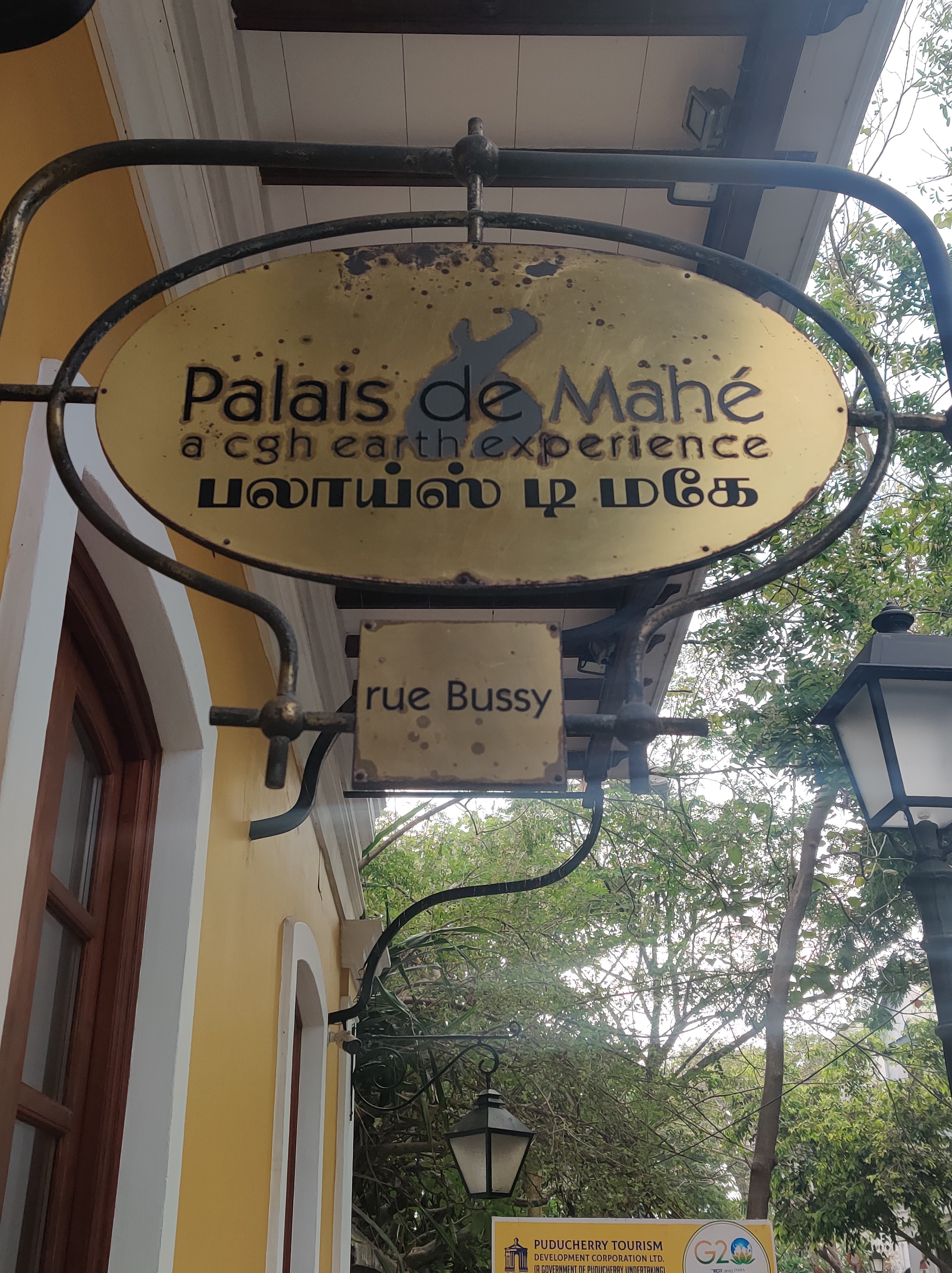
Following the peace treaty of Paris in 1763, when Pondicherry was returned to the French, Jean Law de Lauriston (1765–1777) was appointed Governor General. His main goal was to rebuild the town, and he was successful in bringing back some of its former beauty during a time of severe economic hardship and political unrest. On top of the old town’s rubble appeared a brand-new one in just three years, complete with a governor’s palace, administrative buildings to the north, warehouses to the south, and military barracks to the east and west. The Raj Niwas, formerly known as Le Palais Du Governor, has a long history. As a governor’s residence, it was started in 1738 by Pierre Benoît Dumas, the French governor of Pondicherry, but it wasn’t finished until Joseph François Dupleix came into power.
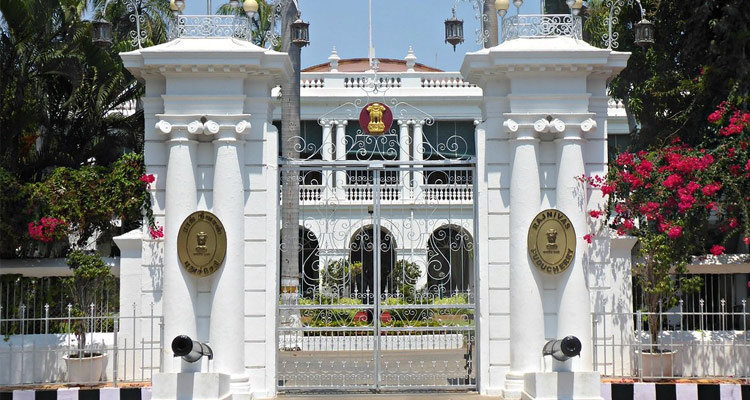
Our next stop is at Rue Dupuy to meet Comte Dupuy! On behalf of Louis the 18th, Comte Dupuy restored the French sovereignty of the settlements in India after the peace treaty of Paris of 1814. He made significant contributions to the legal proceedings in Pondicherry by applying uniform legal codes for the French establishments. During his kind but ineffective rule, Dupuy attempted to assist Pondicherry’s destitute and oppressed public. In order to clean up the rubble of the previous defenses that the British had destroyed in 1793, he also created the current town’s boulevards.
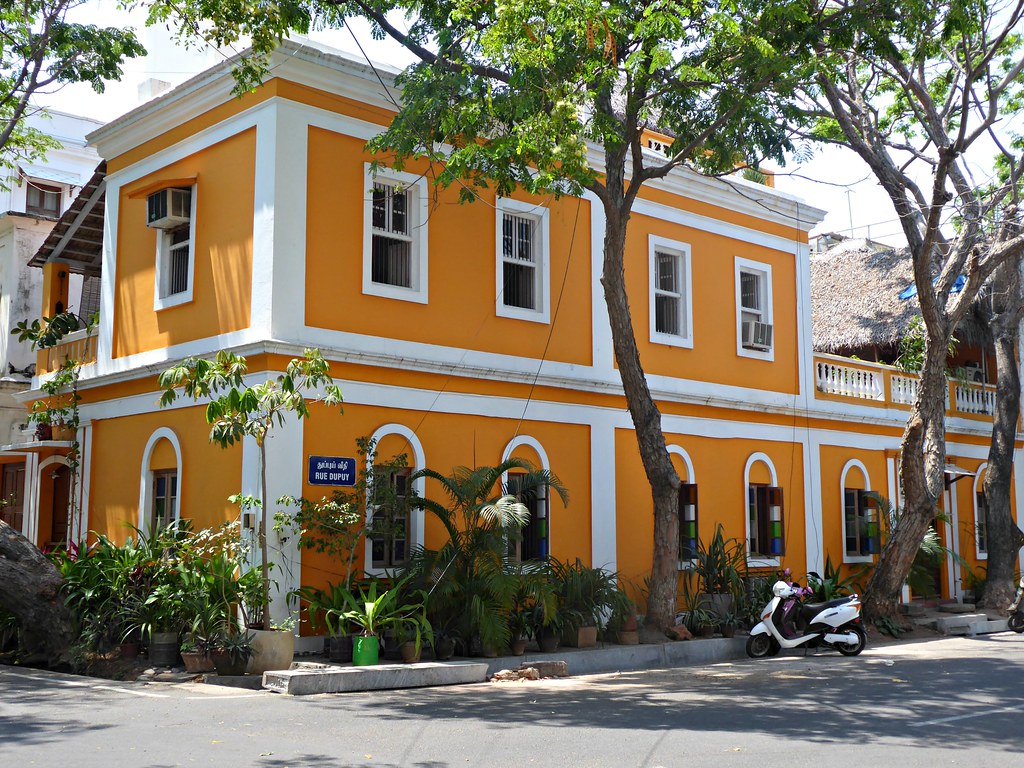
Of all the administrators of French India, Comte Desbassayns de Richemont (1826–1828) was the youngest. Using a strict authoritarian strategy in the areas of health, education, law, business, and industry, he was able to entirely overhaul the French government during his two years as Governor-General. Under his sponsorship, the Bibliothèque publique was built in 1827 and the College Royal, currently known as the Lycée Français de Pondichéry, was founded on October 26th, 1826. In order to bring about industrialization, he imported skilled European laborers, and in 1827 the first modern spinning wheel was established.
The public library in Pondicherry is likewise named after the well-known French dramatist, writer, essayist, and art historian Romain Rolland. Mahatma Gandhi and Romain Rolland were close and had corresponded for a very long period. After the merger with India, when the new authorities wanted to erase the symbols of colonial domination, but also recognize the special relation Pondicherry had with France, the name of Romain Rolland was immortalized as Rue Romain Rolland.
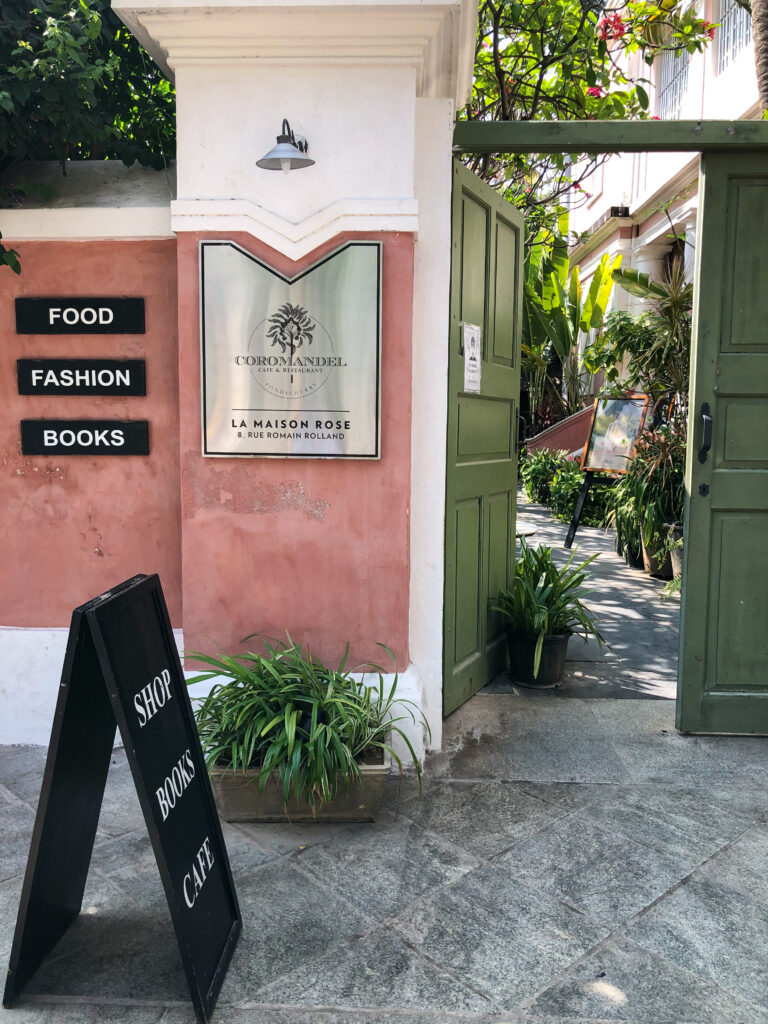
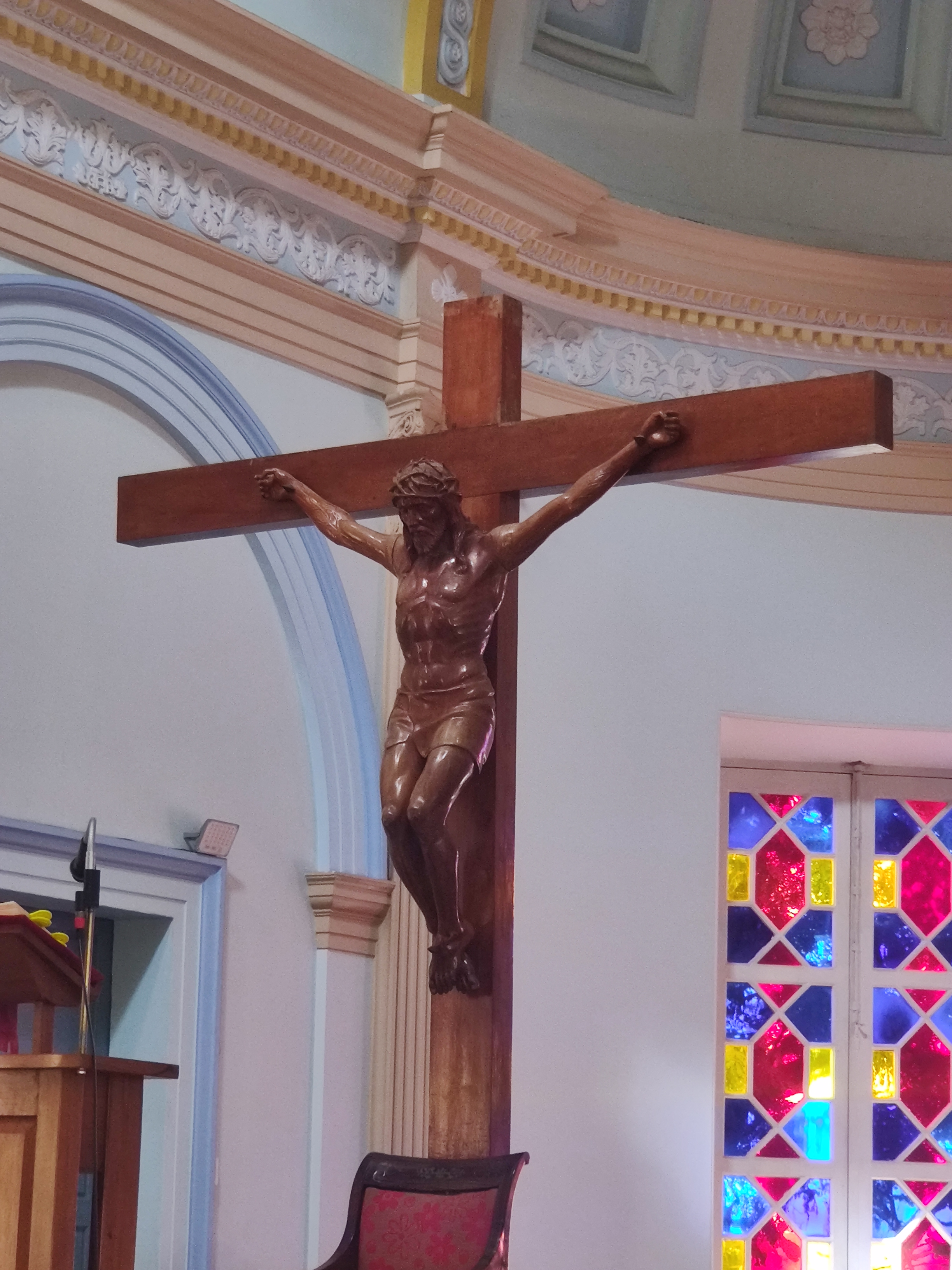
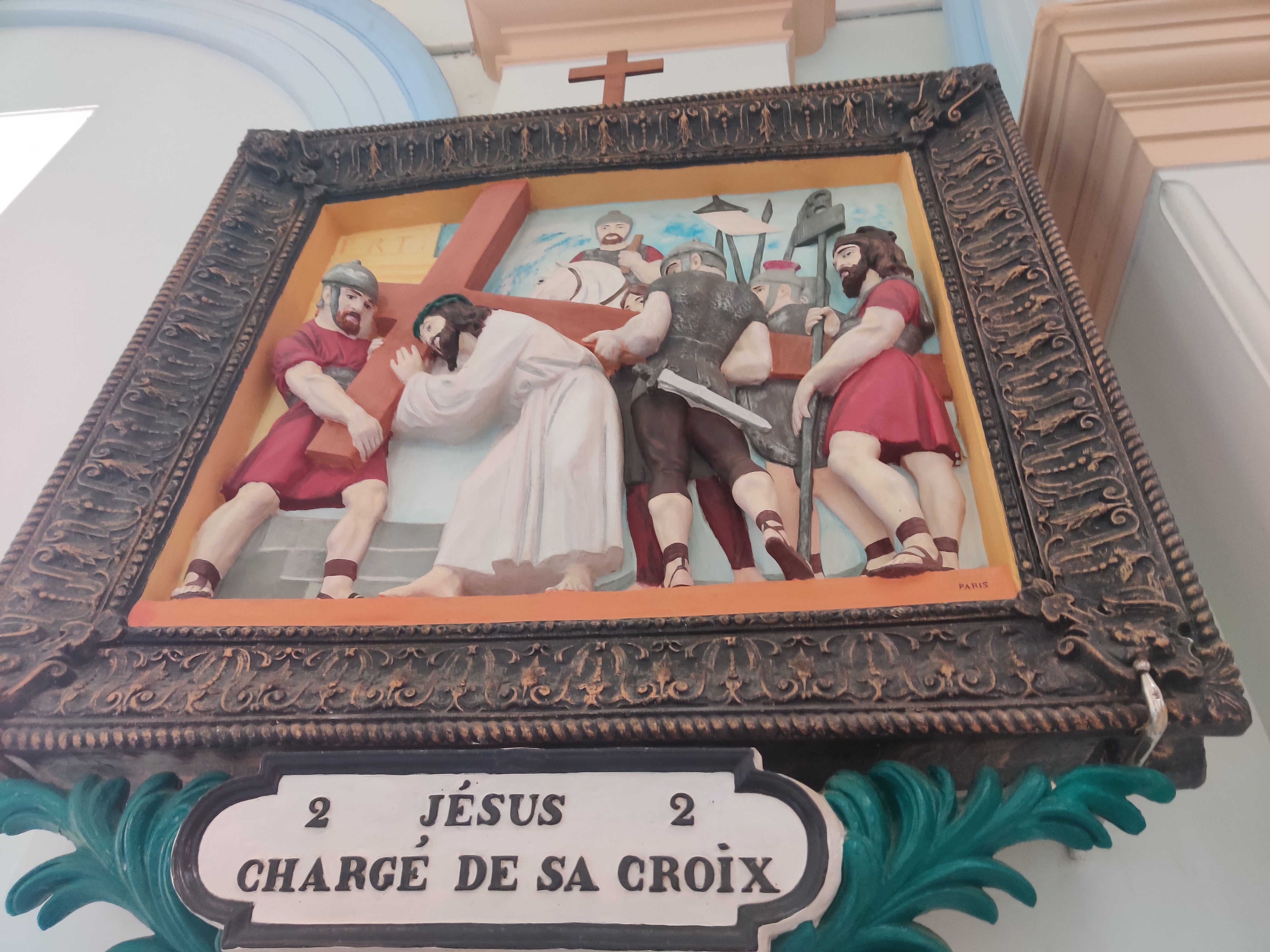
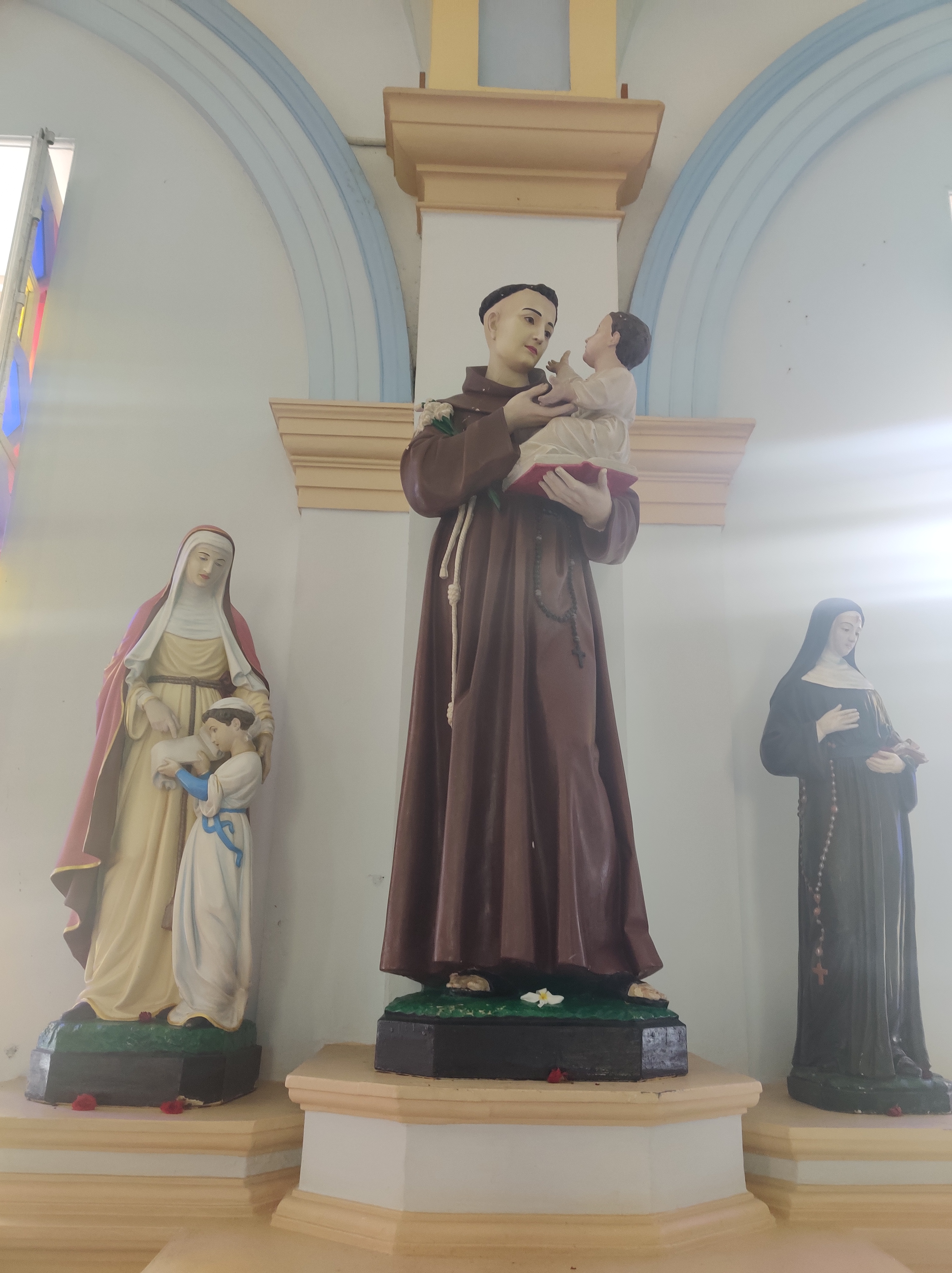
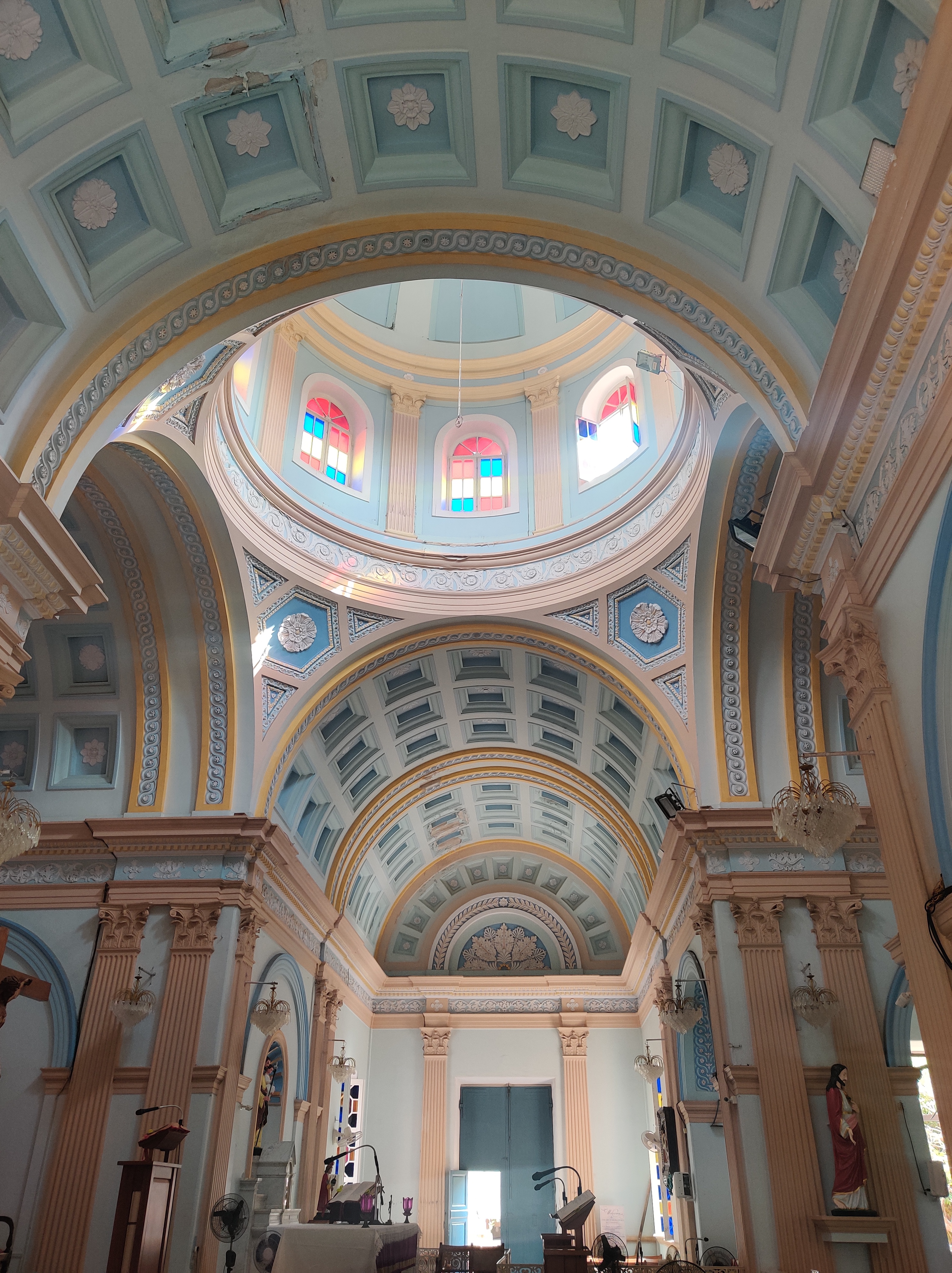
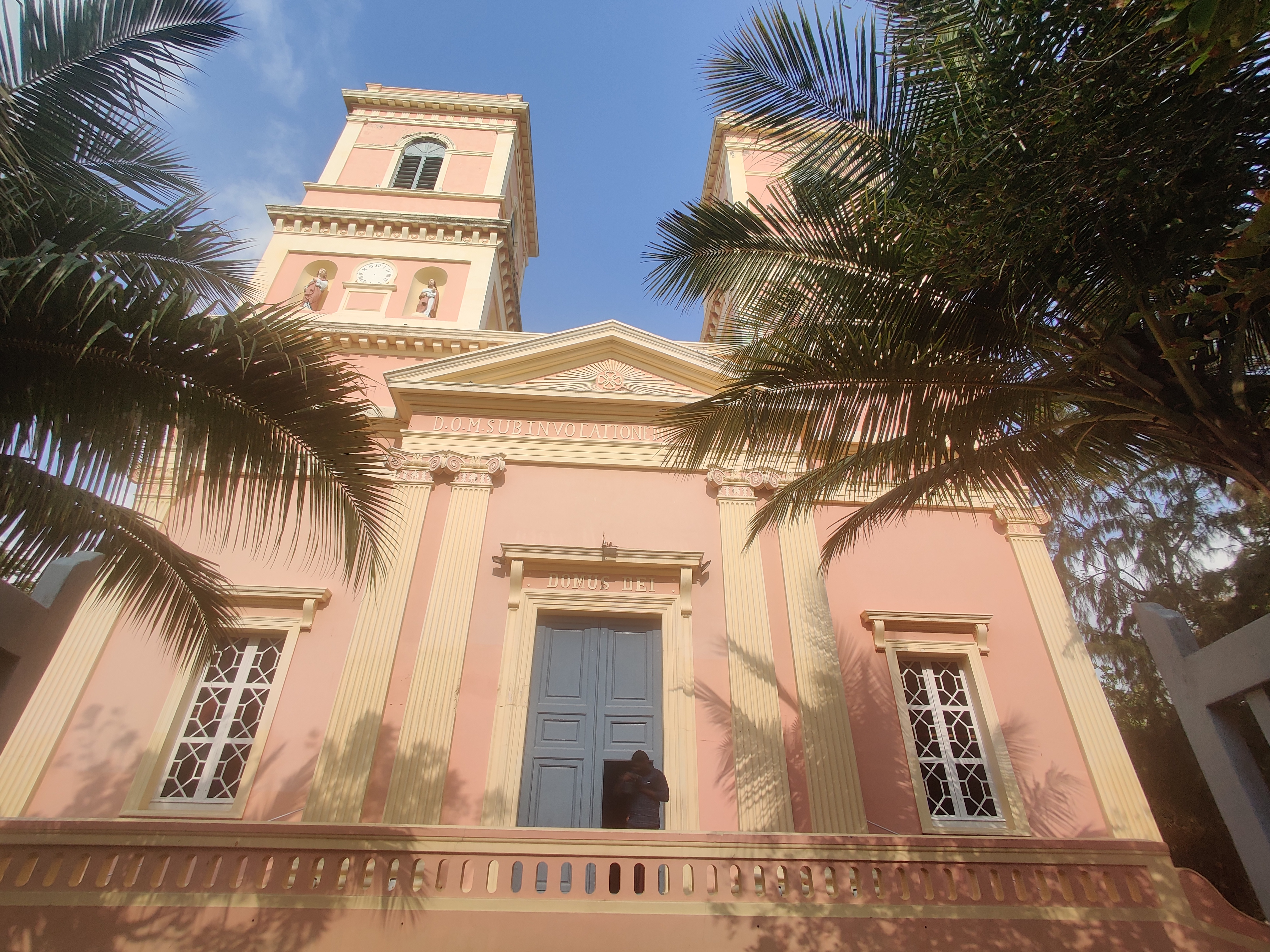
The fourth-oldest church in the union territory of India, Notre Dame Des Anges, is tucked away at the corner of Bussy and Romain Rolland Street. The church, also known as Our Lady of the Angel Church or Kaps Koil, is supposed to have been inspired by the Basilica at Lourdes and Notre-Dame de Paris. The original church was given the name White church because it was painted white on the inside and outside., using a unique mixture of paint, egg, and limestone. In the 1900s, outside color changes took place, and in the 2000s, internal color changes took place. The Capuchin Friars, who established this church, are credited with giving it its other alternative name, Kaps Kovil. Initially, only French individuals were appointed as priests in the church, but in more recent years, Tamil people as well. It is the only church that offers mass in three languages––English, French, and Tamil. Napoleon III (c. 1852–70) had Louis Guerre, an architect, construct the original building in Greco Roman style around 1855. To emphasise its pink colonial façade and rich interiors, details such as square bell towers, a polygonal dome, vaults, arches, vertical rectangular windows, and Corinthian columns were added. It’s thought that France provided the bells for the church. Given that an injury to the wrist insures maximum bleeding from a medical standpoint, it is intriguing that the statue of Jesus inside the chapel depicts his wrist being nailed rather than his palms.
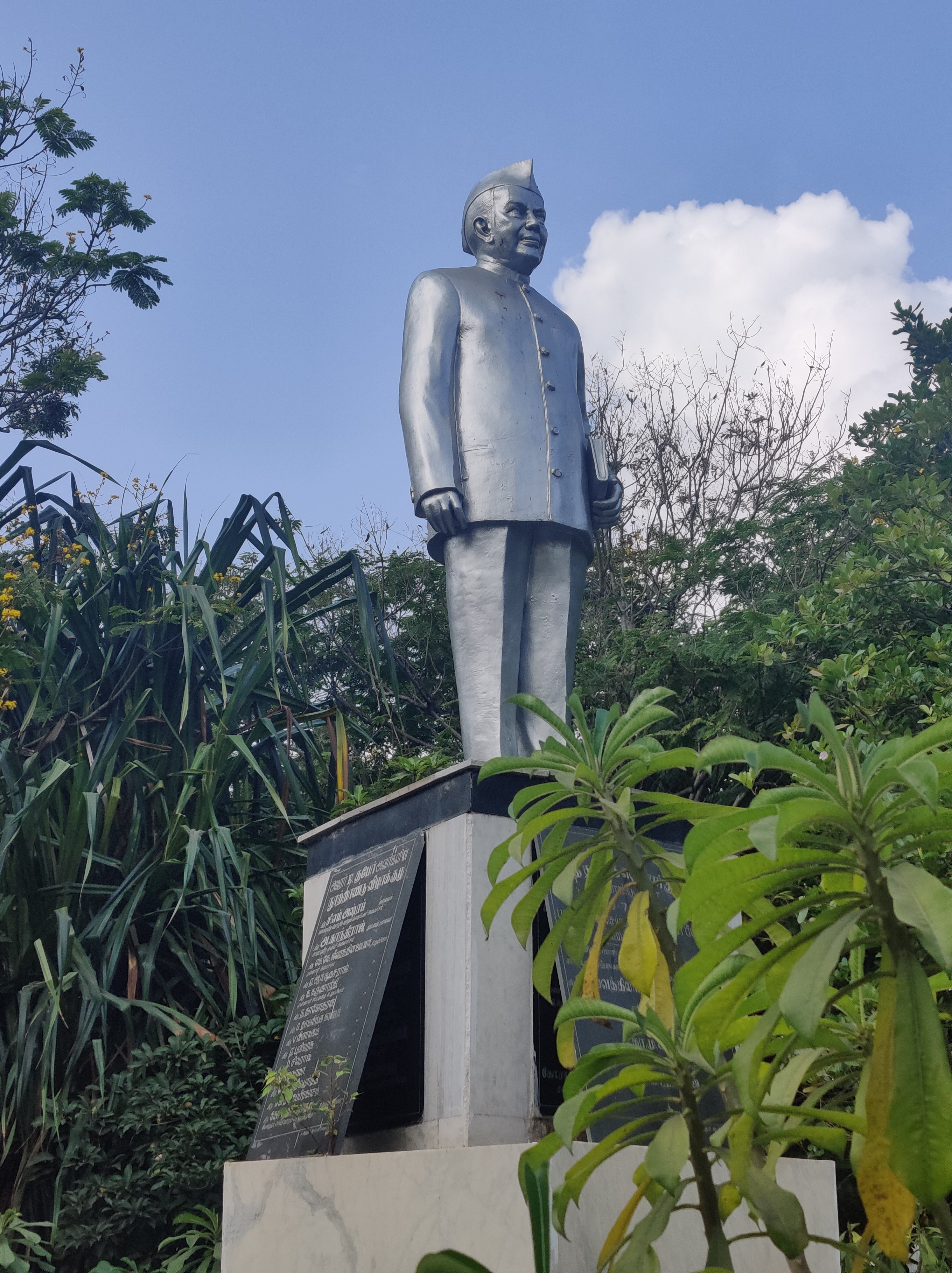
Edouard Goubert, the French Indian creole who played a major political role during the decolonization process, became the first chief minister of the Union territory of Pondicherry in the independent India. For a moment, I was reminded of Nehru before I was corrected to his identity and his contributions. Turns out, he really was a Nehru fan and had the shortest administrative tenure in history of the city (1 year, 71 days).
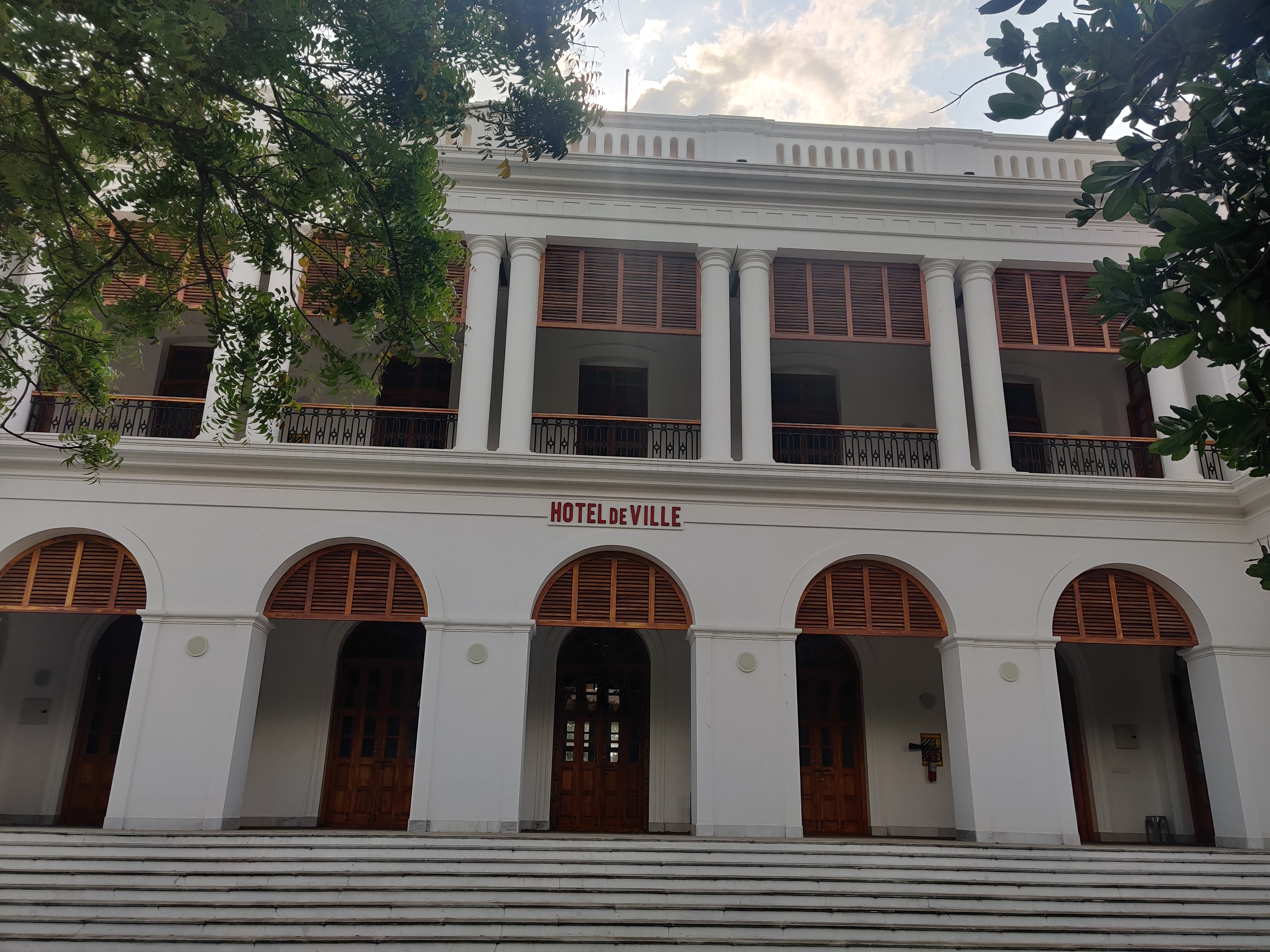
The historical building, formerly known as the Town Hall or Hotel de Ville, has stood on Goubert Avenue (named after Edouard Goubert) for more than 153 years. For about 100 of those years, the Town Hall served as the centre of French India’s administration. Considered a symbol of their power, the French named the premises ‘Town Hall’ (Hotel De Ville), which housed the office of the Puducherry Mayor, the Municipal Council, the Registry and other offices, including the office of Registrar of Births and Deaths. The administrative building holds the unique distinction of being the first structure on the Indian subcontinent to have seen democracy in operation following the initial attempt made during the period of 1870–1900, long before the first general election was held in British India. Nobody else has claimed credit for the historic colonial structure. Although the Goa Inquisition had ceased in 1812, during this time the Portuguese rulers were actively supporting the Jesuits to engage in coercive religious conversion of non-Christians. They were also engaged in violent warfare with neighbouring rulers. The British, however, were busy acquiring country, and Queen Victoria was named the Empress of India in 1876. Since 1964 (when the first general election was held following the de jure transfer of power), the building has served as the Puducherry Legislative Assembly’s home. The Assembly moved to its current location in 1969.
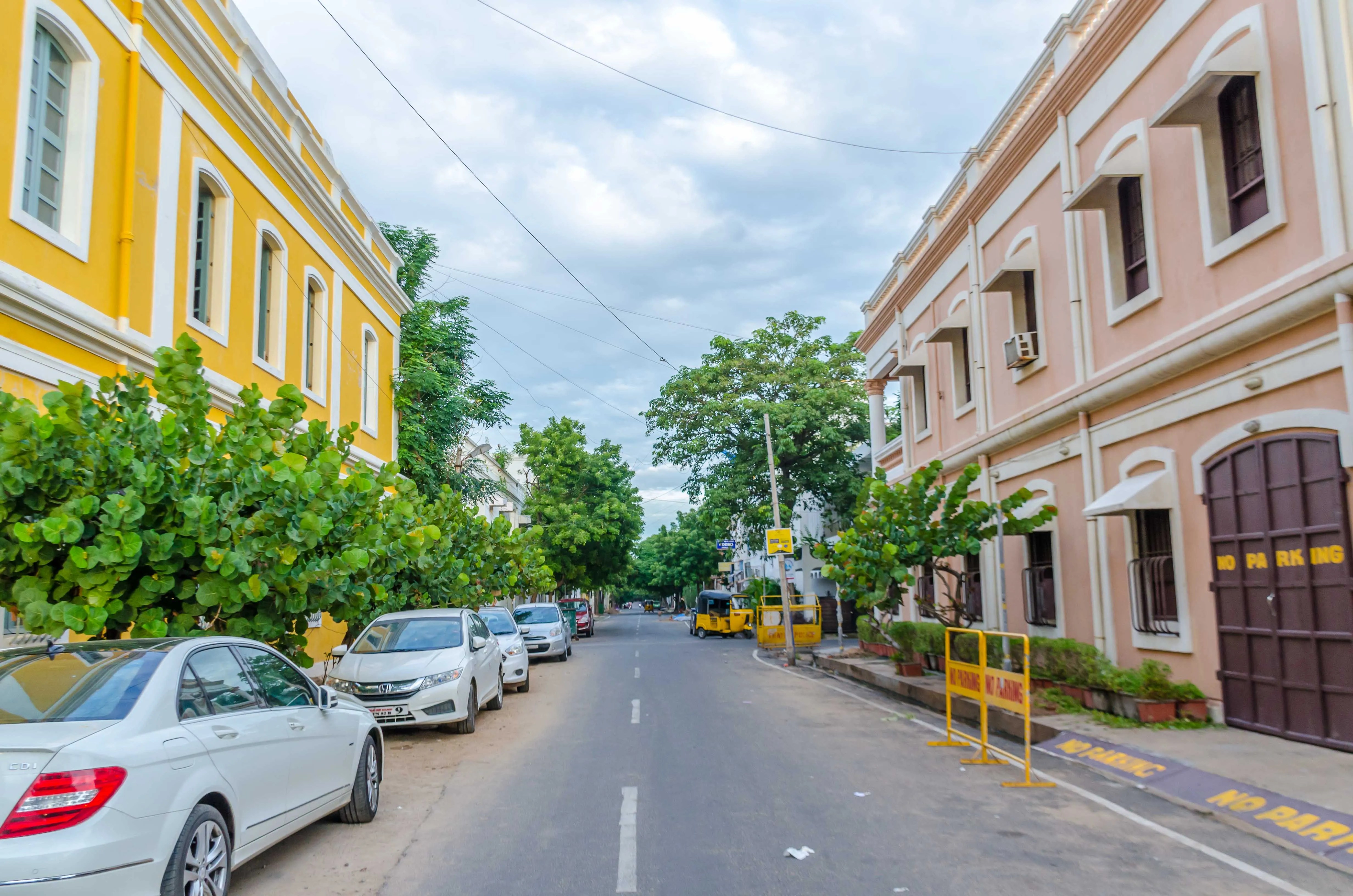
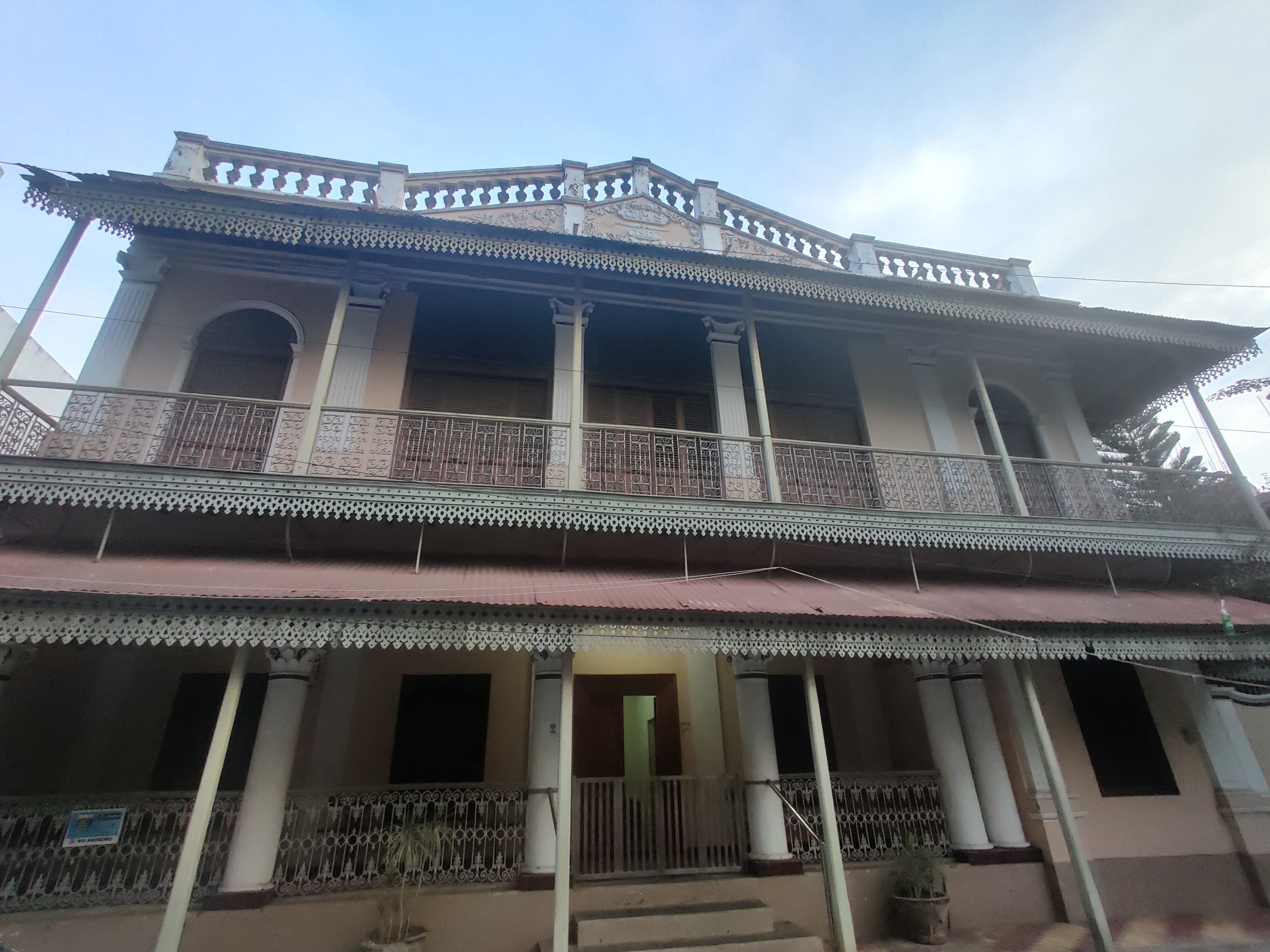
The ‘hôtel particulier’ of the urban nobility of the seventeenth and eighteenth centuries in France is a manifestation of the French influence that extends from the streets to the homes. Along either side, there are institutional buildings dotted with residential villas. With a different colour scheme chosen for each architectural type, there is a continuation of the aesthetic symmetry. Peach pink is used to represent private dwellings, mustard yellow for commercial and industrial structures, white for government structures, and ash grey or Ashram grey for all Aurobindo Ashram sites.
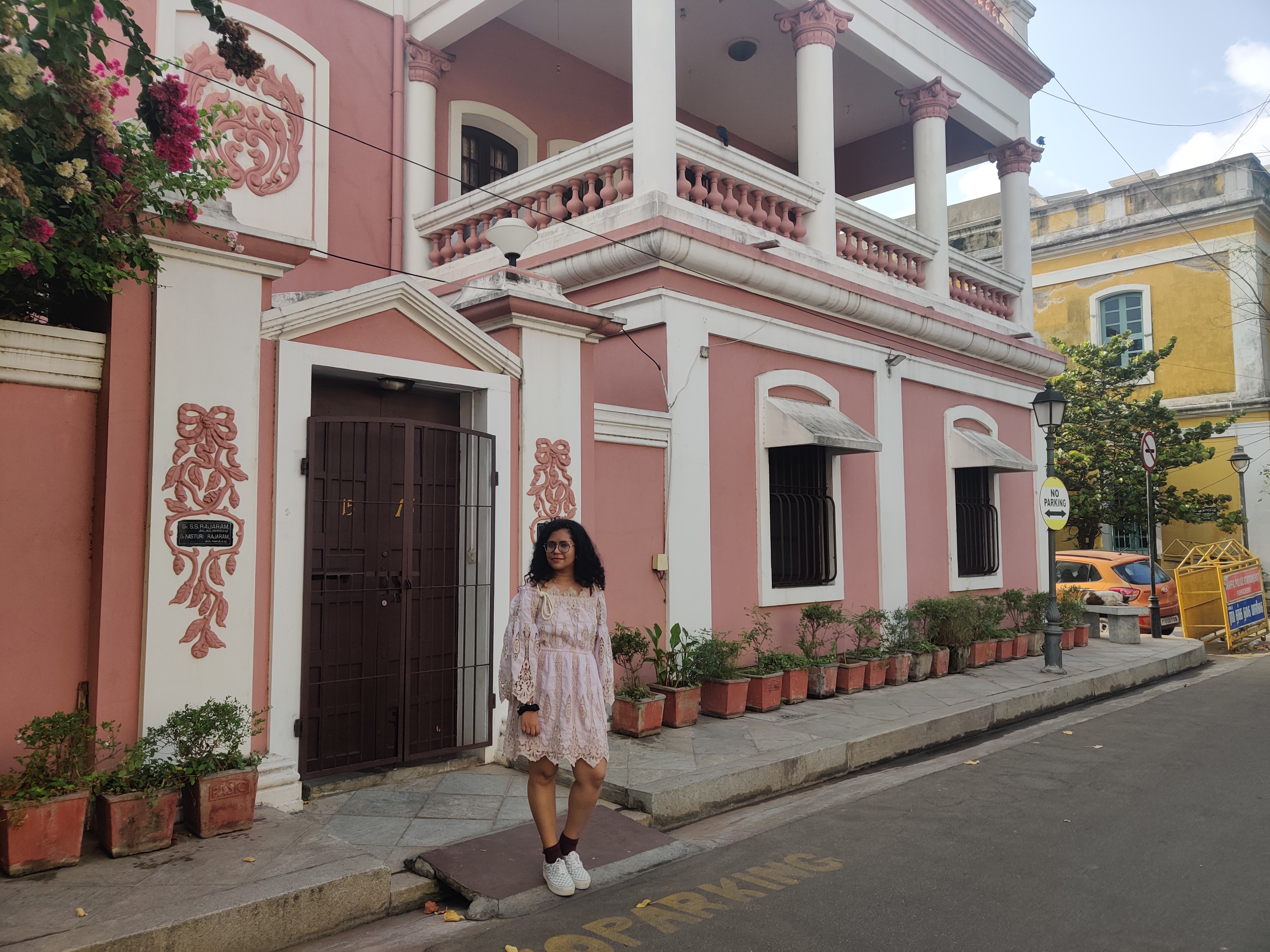
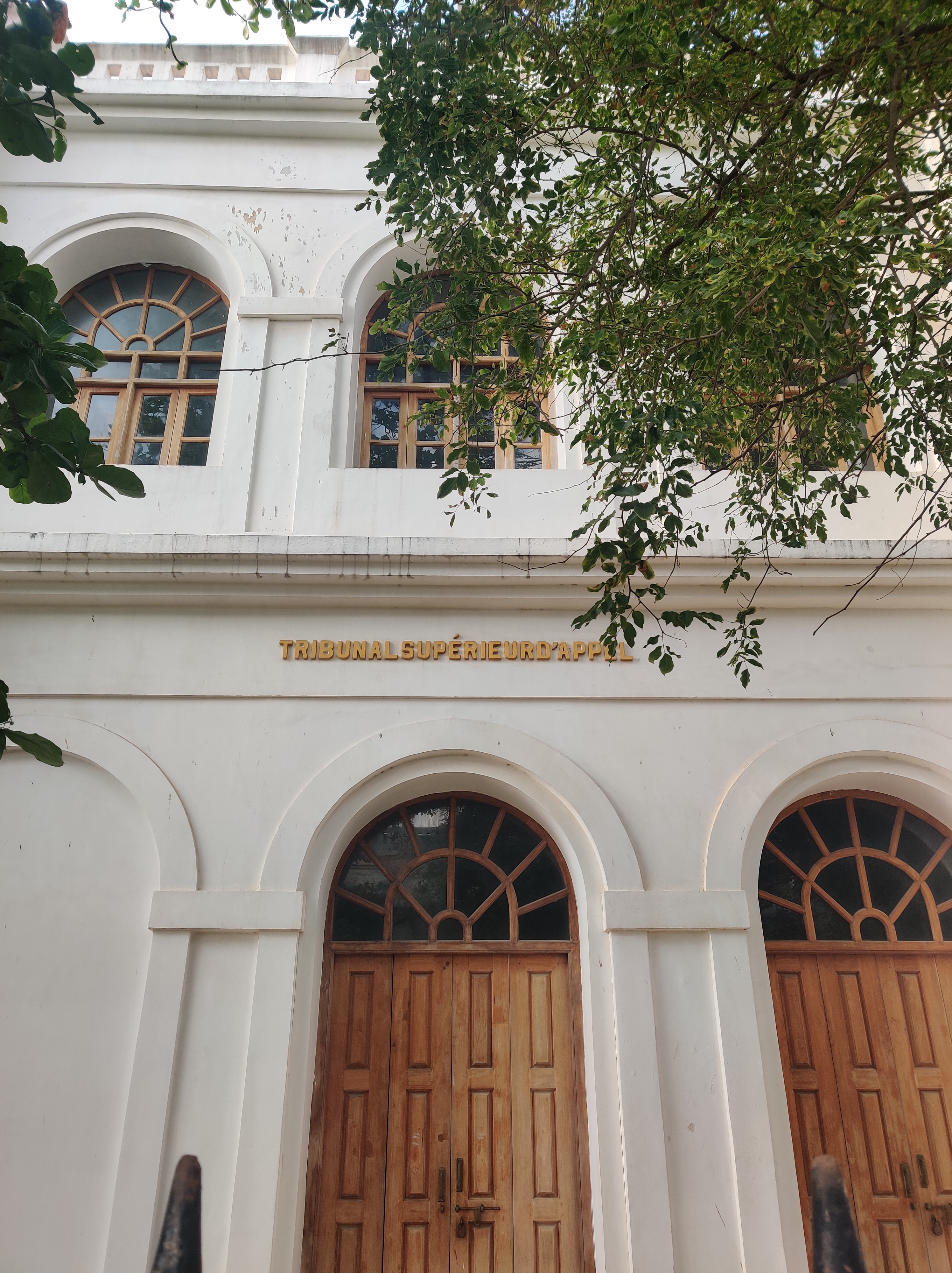
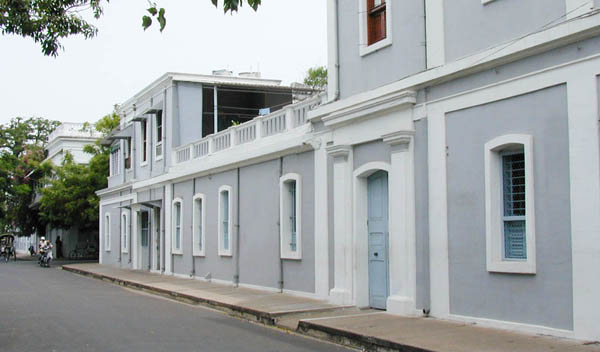
Instead of the pitched roofs of Parisian homes, flat, terraced roofs were used to adapt French architectural styles to local climatic circumstances. High garden walls, ornate entrances, and continuous wall-to-wall construction made up the street facades. These homes were primarily characterized by wooden balconies supported by iron brackets and continuous parapets with plain architectural details. The windows either had bands and louvered wooden shutters or were segmentally arched and flat.
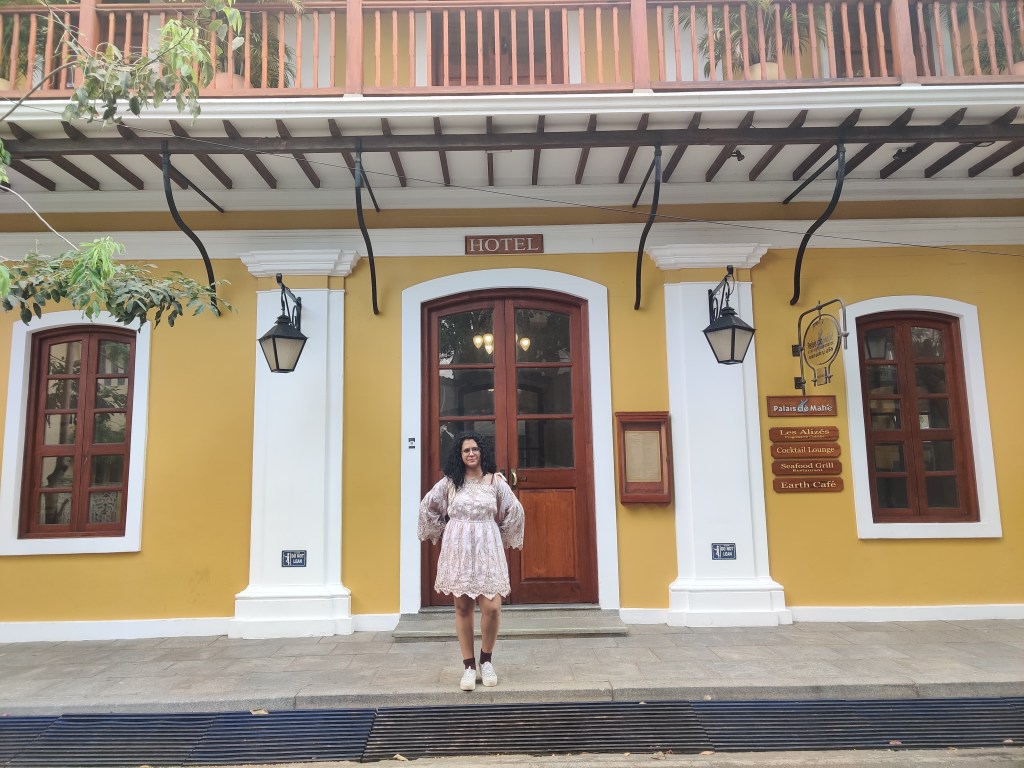
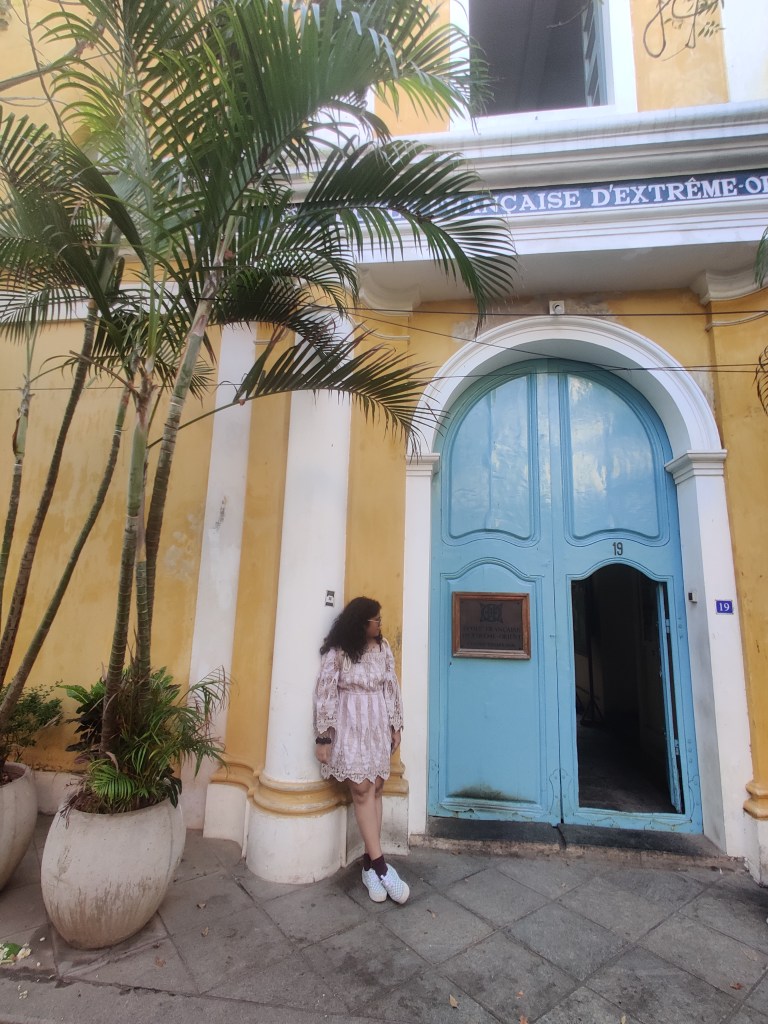
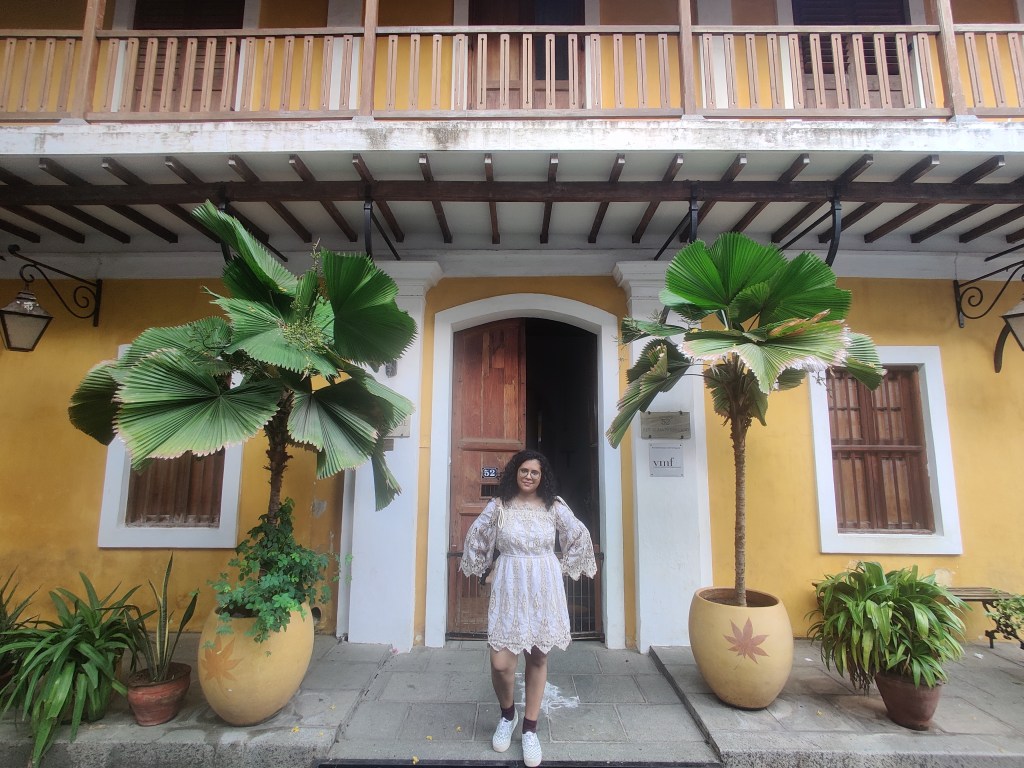
The majority of these French homes had full or partial street coverage and were constructed using identical ground designs with minor differences. To further guard against the tropical weather and its quirks, the principal façade have colonnaded porticoes. The remaining building rooms open onto the private inner courts created by the walled gardens. While Indian society has used courtyards for gatherings and drying spices, the French added a romantic charm to their designs by their ‘jardins‘ or gardens.
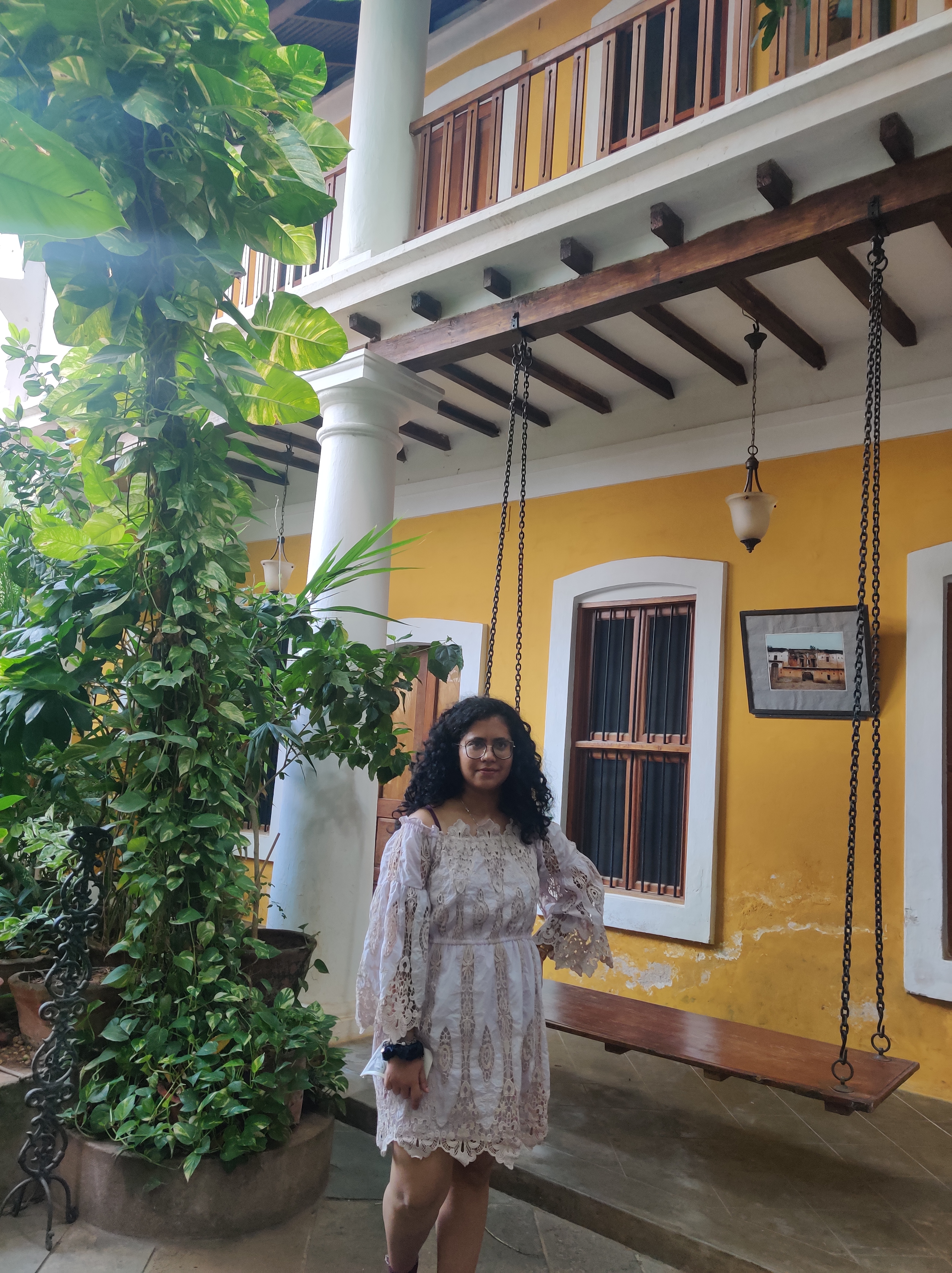
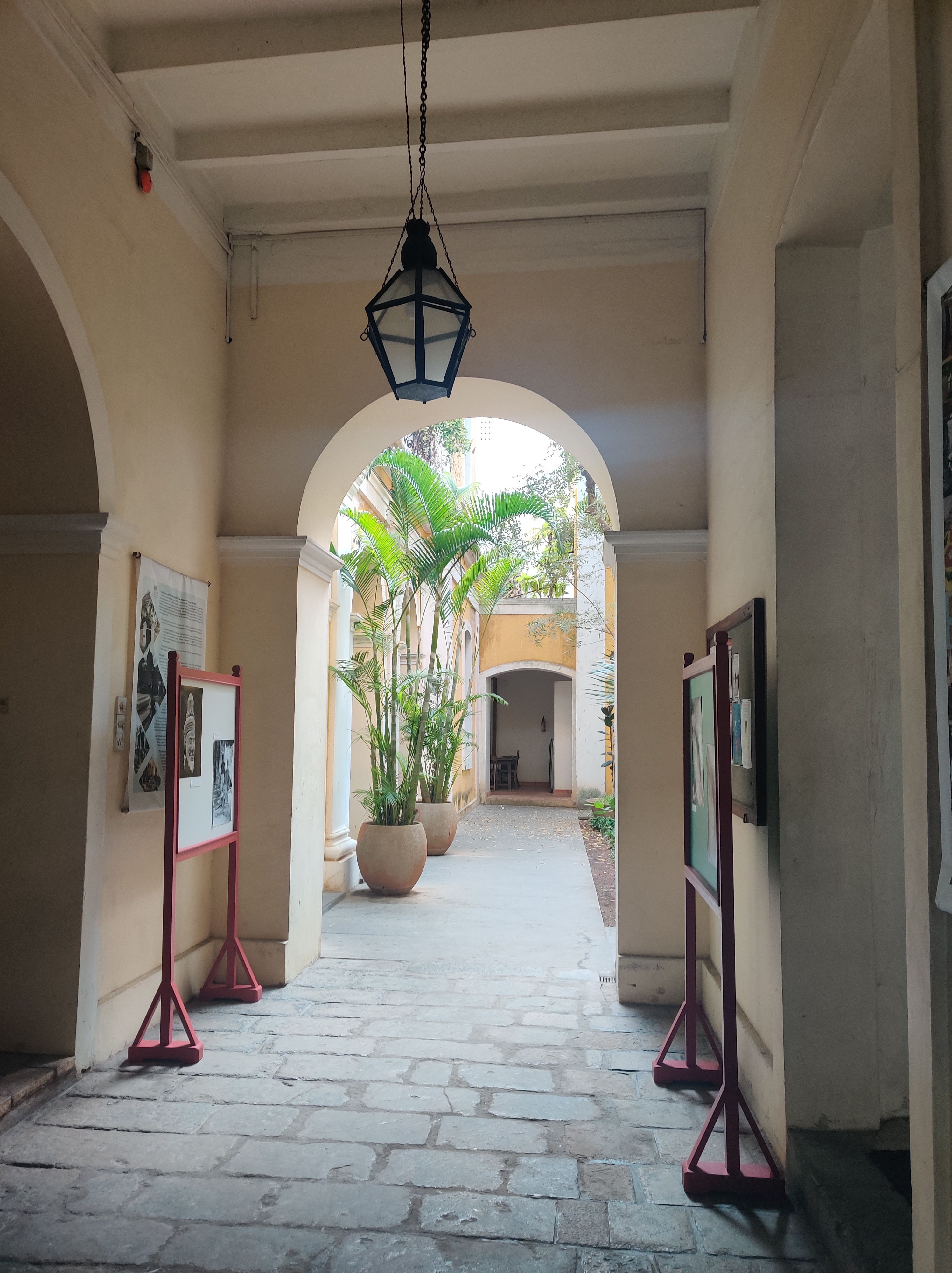
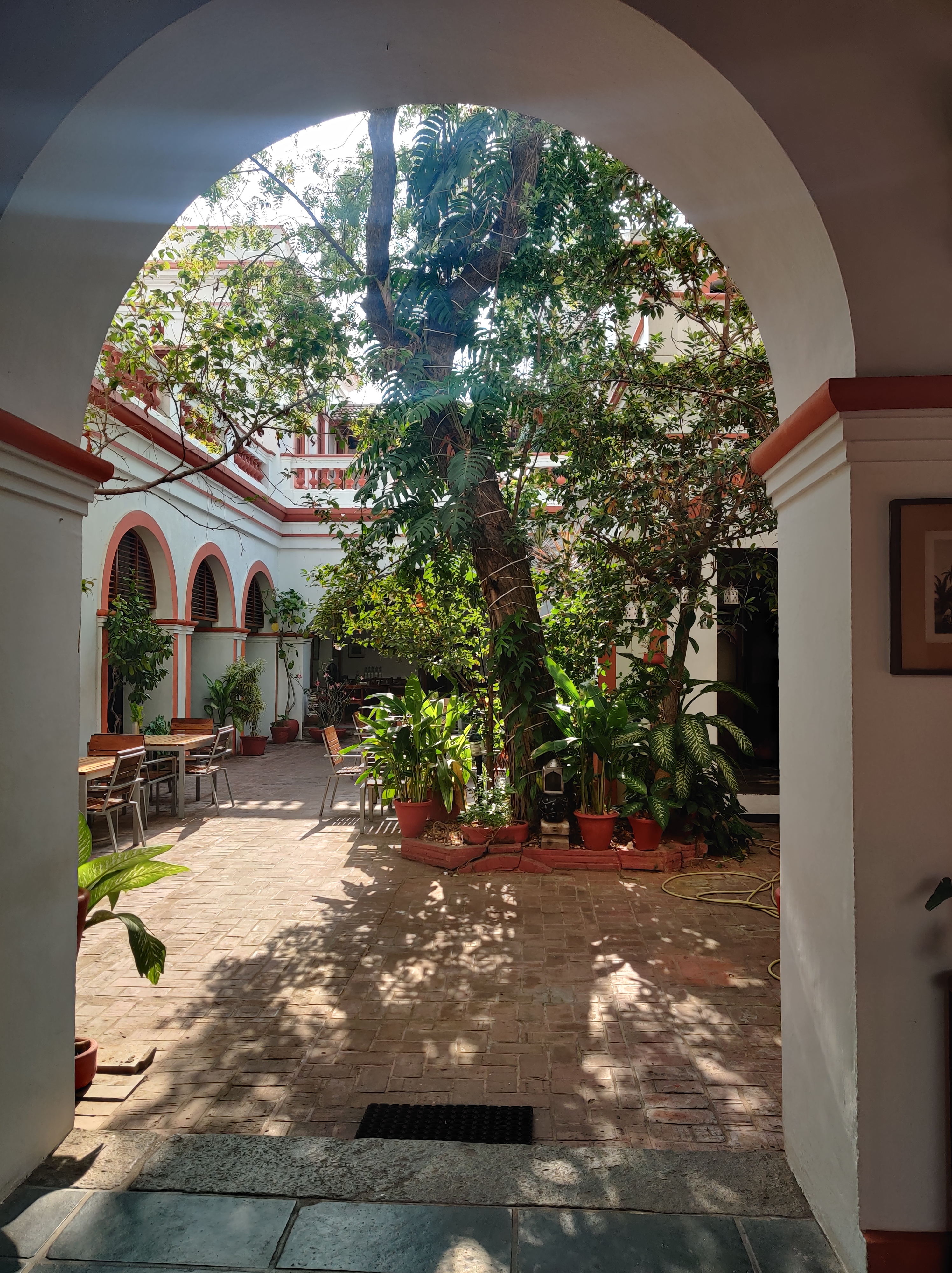
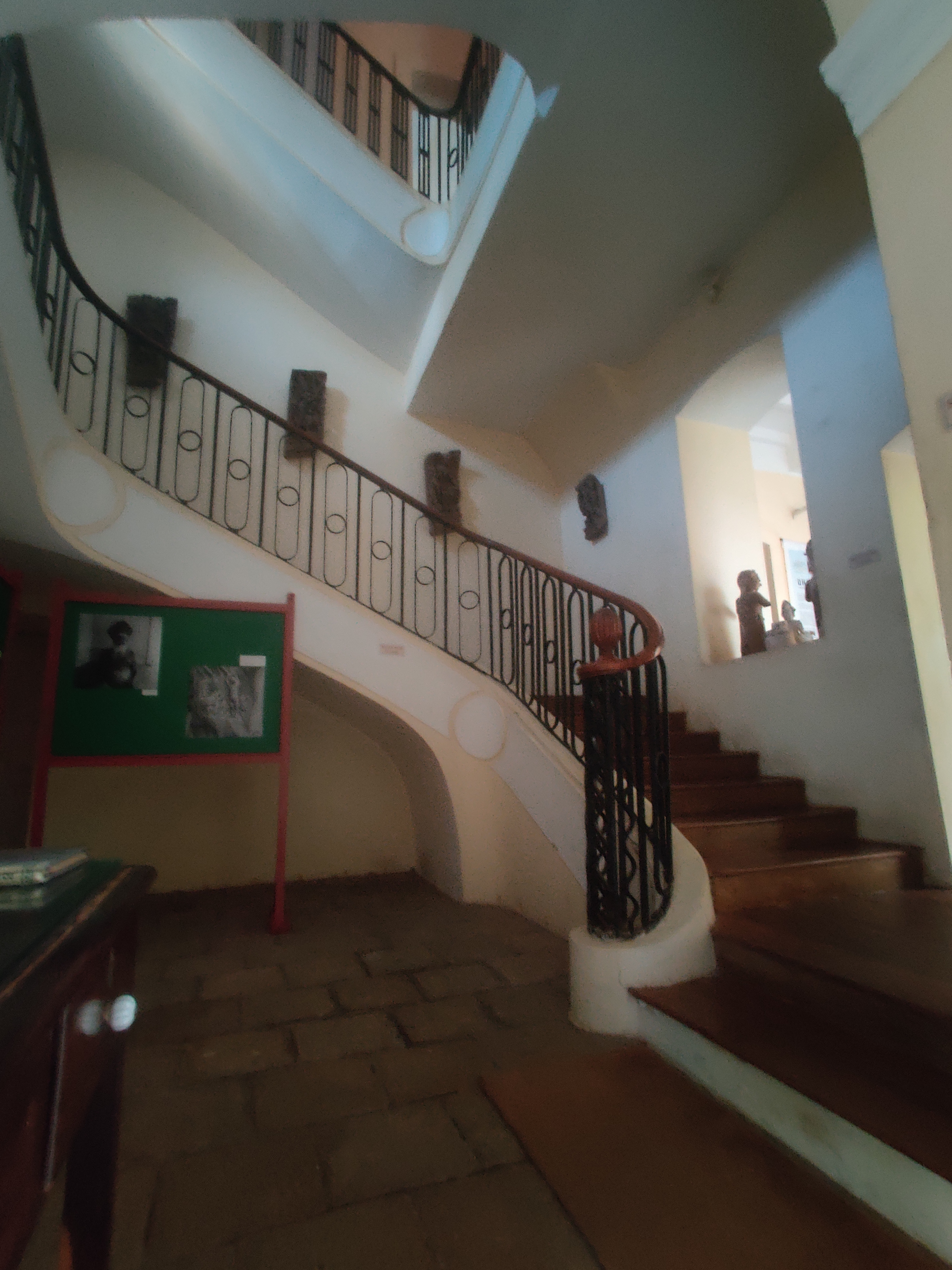
These French homes have an extremely typical French influence in that the interiors are far more elaborate than the exterior. The rooms are identified by high ceilings, tall arched doors and windows, and, in the case of two-story buildings, winding vaulted stairs.
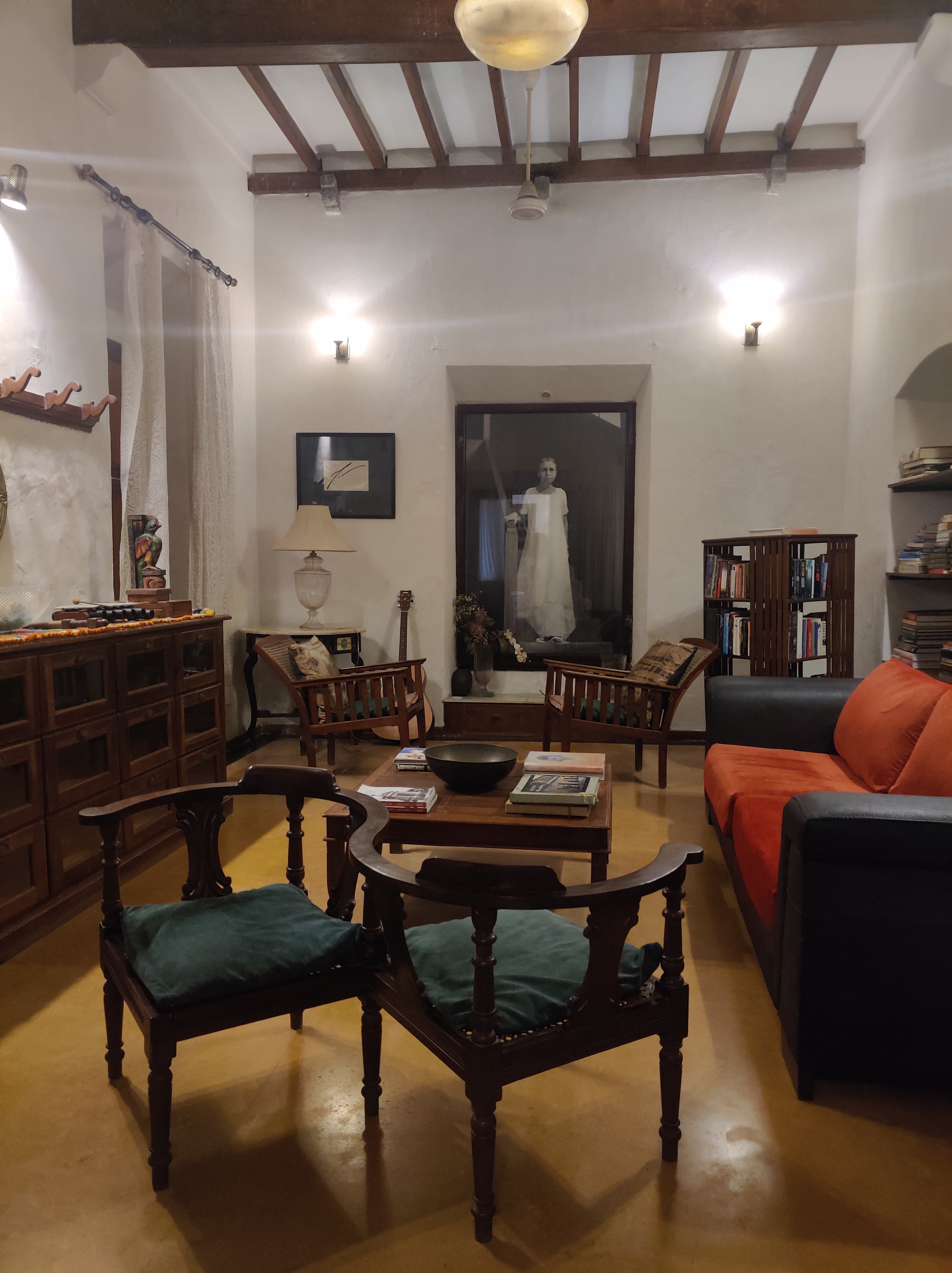
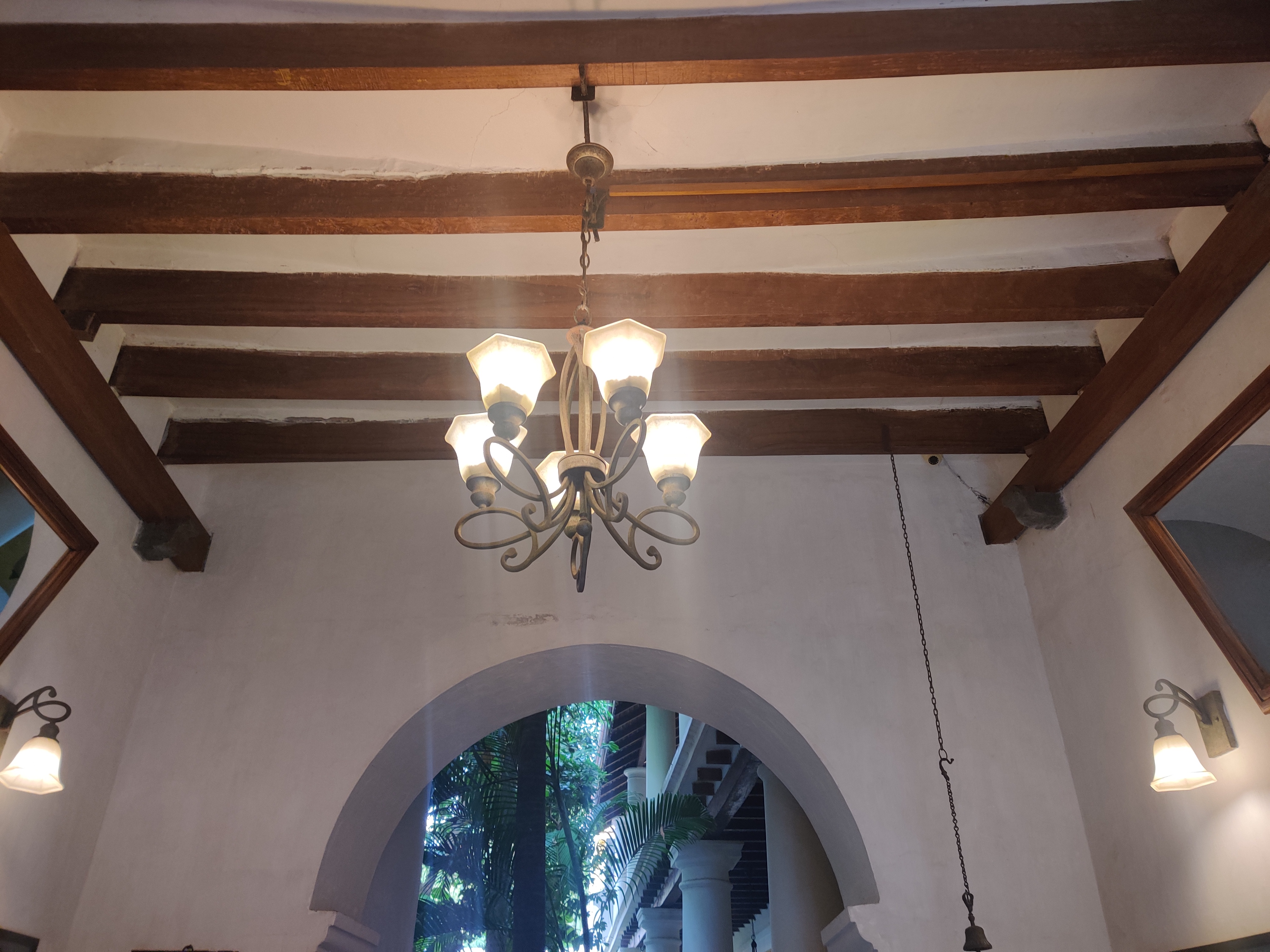

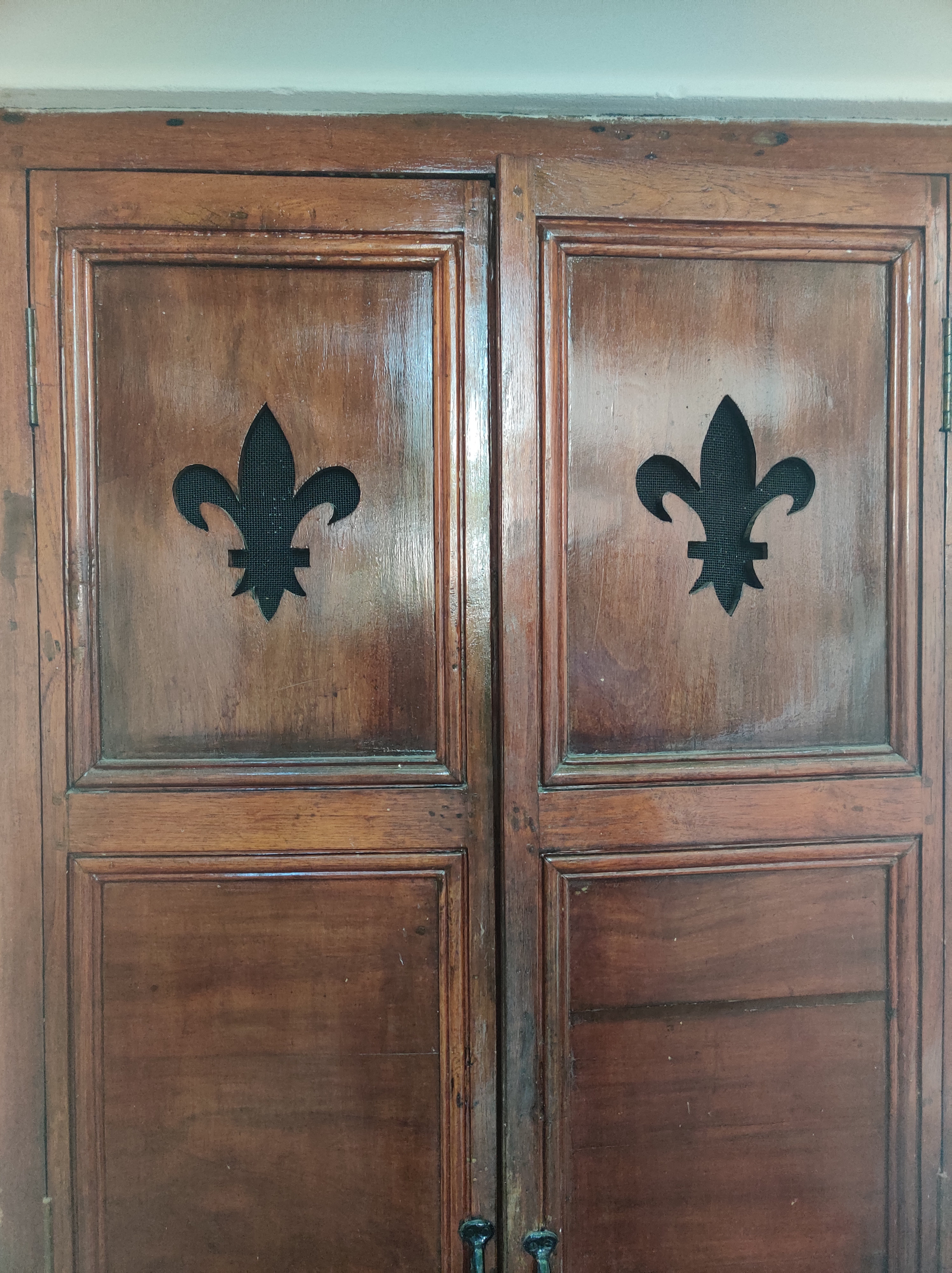
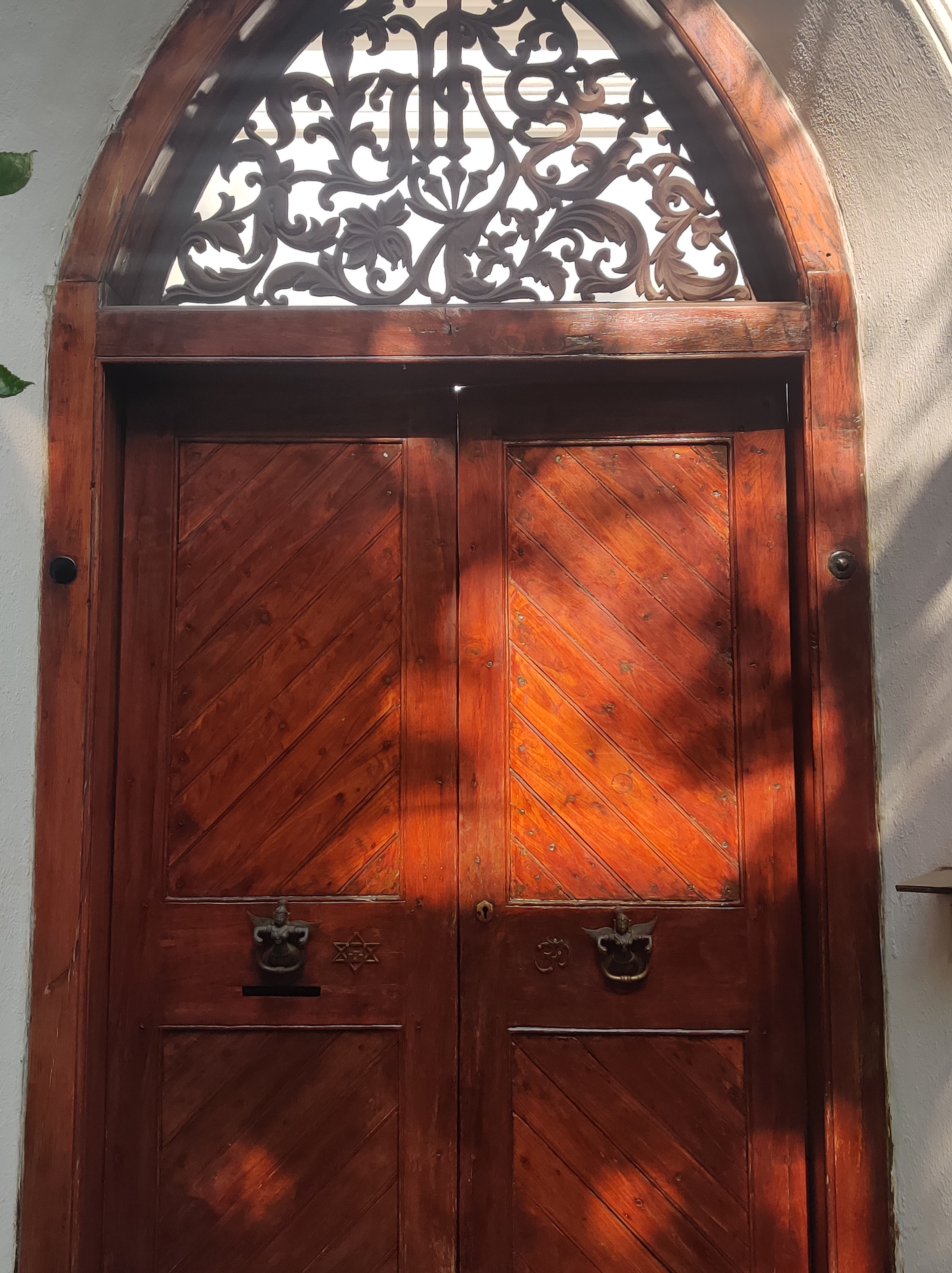
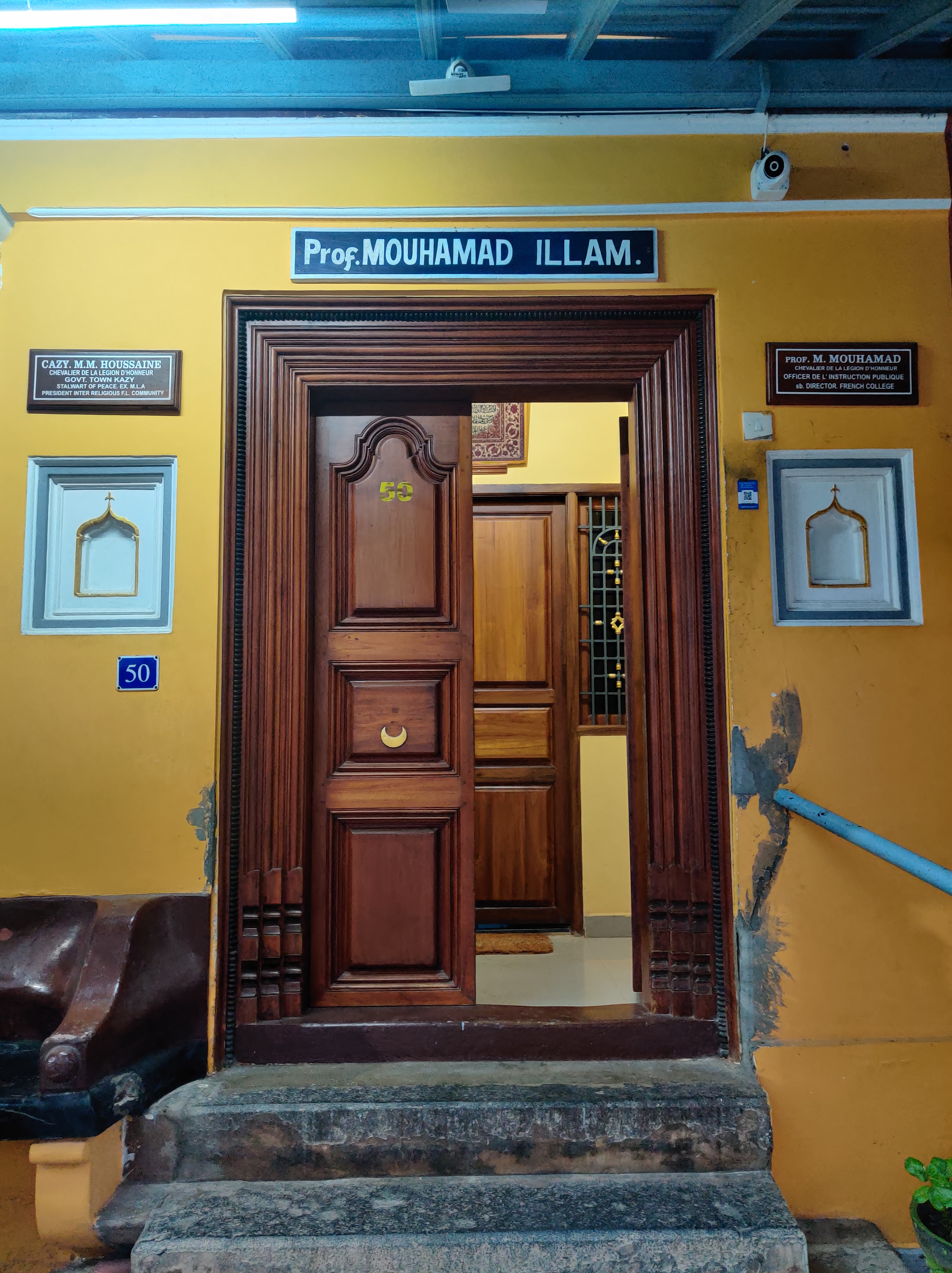
Other intriguing visual examples of the Franco-Tamilian influence are French balconades next to gateways decorated with traditional Hindu themes, or in some locations, French Fleur-de-lis door decorations.
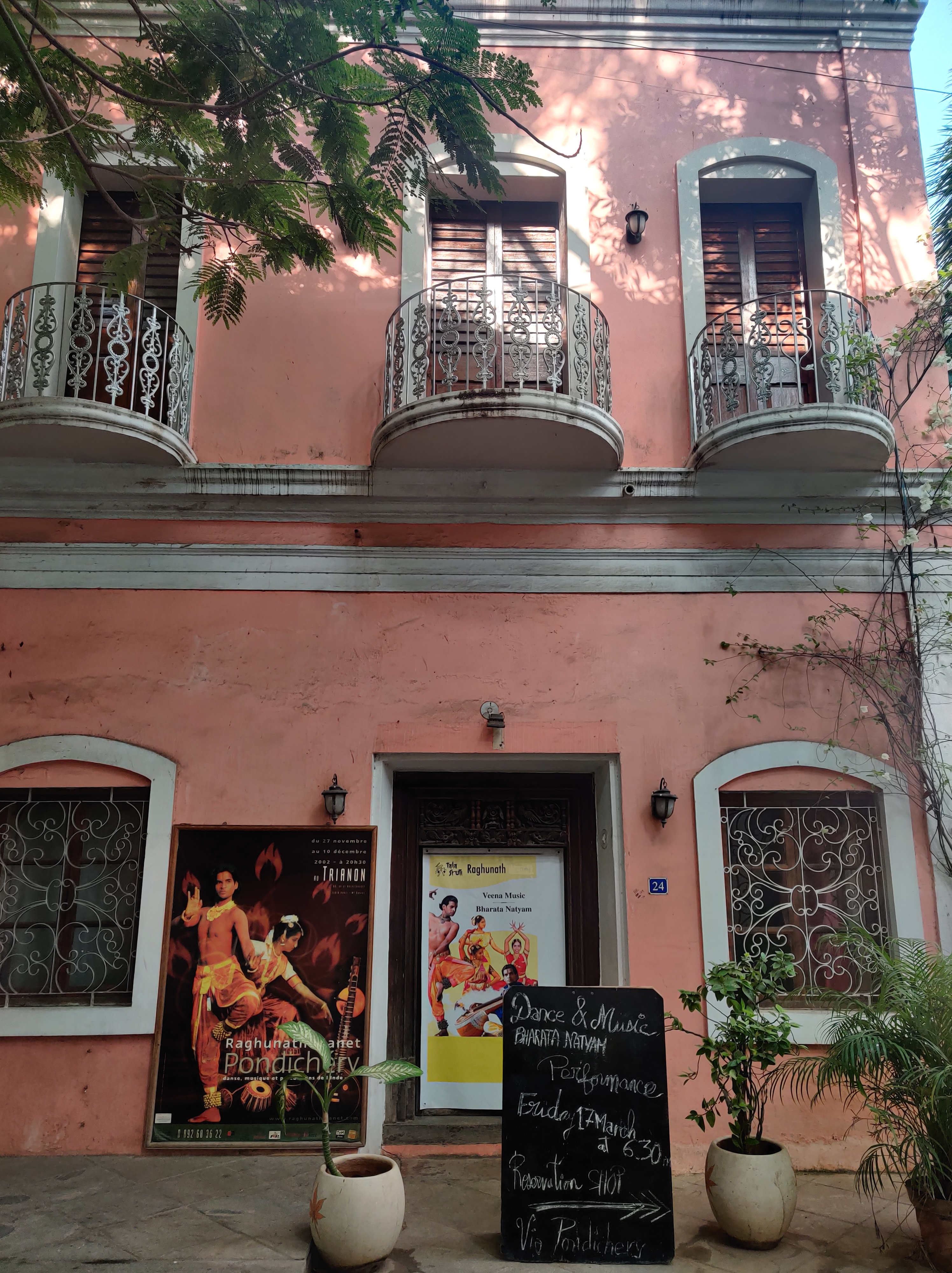
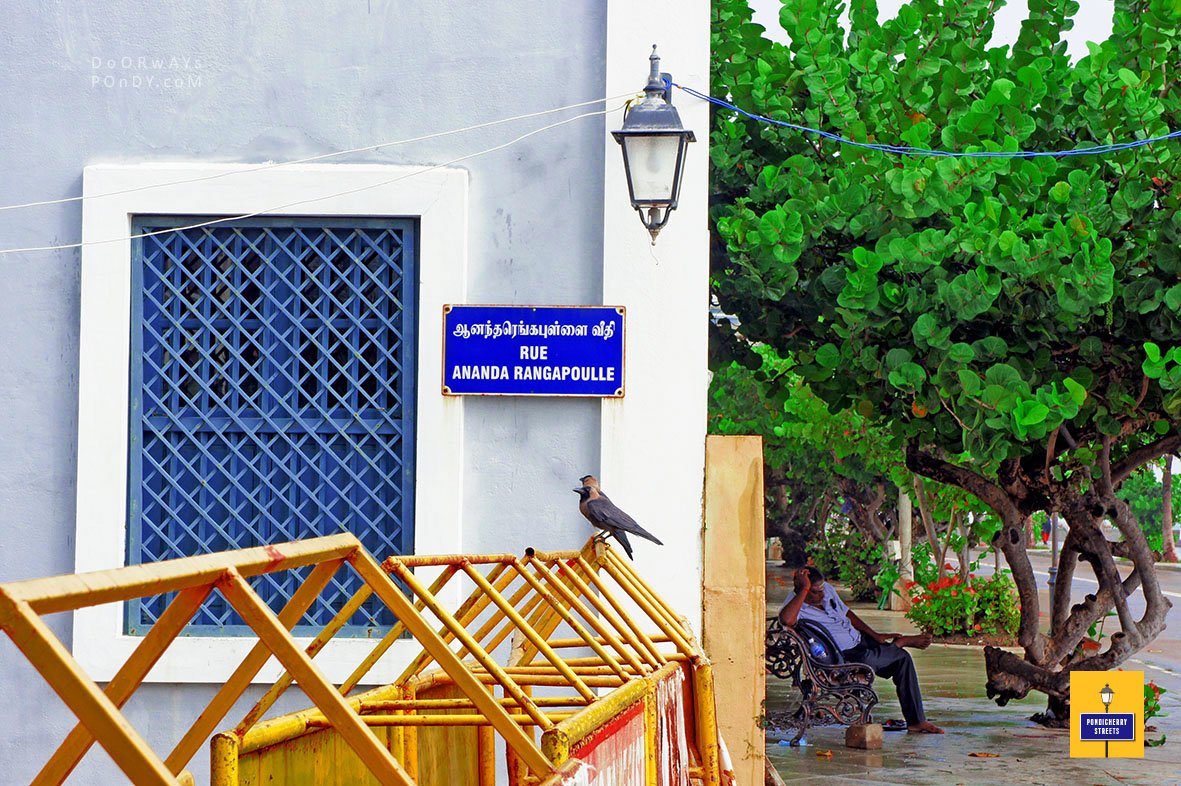
Ananda Rangapillai (1709–1761) was a successful businessman who served as a “courtier” and principal interpreter, or “dubash,” for the Compagnie des Indes. He worked for four governors general, including Dupleix. He was appointed “chief of the Indians” and designated a Diwan (councillor). In his private journal, Rangapillai painted a vivid portrait of Dupleix and Pondicherry in the 18th century. On the street that bears his name, Rangapillai’s house constructed in 1735, a remarkable example of Franco-Tamil architecture, is still standing.
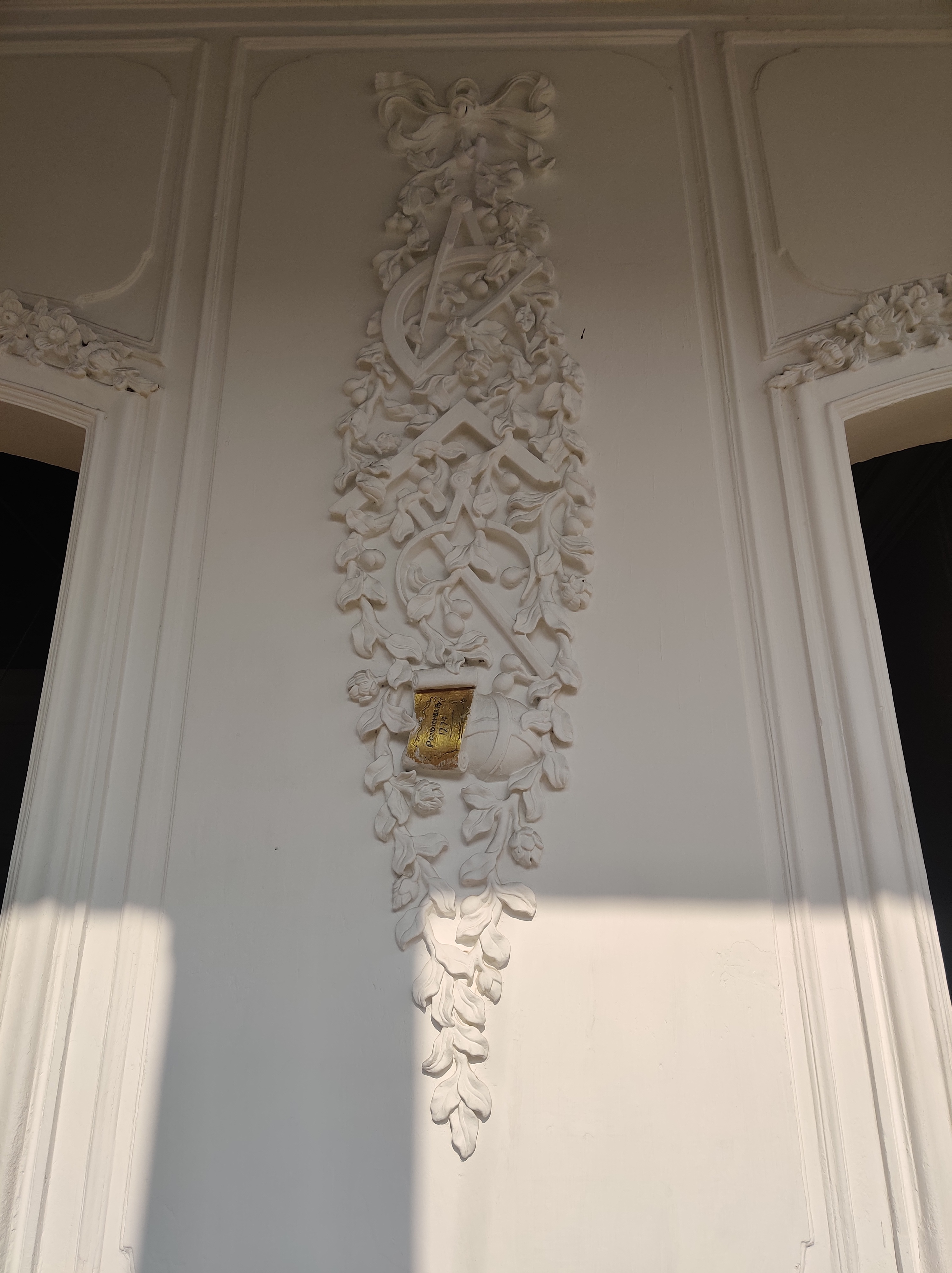
The ancient home known as the Cluny Embroidery Center, built in the 18th century, is another evidence of French influence. It is located at Rue Romain Rolland. M. Lagrenee, a lawyer for a French corporation at the time of the initial building, built it in 1774. The building, which was formerly known as the Hotel Lagrenee de Mezieres, operated as a wealthy family’s private residence. The land was afterwards owned by a church, and in 1827 it was given to the Sisters of St. Joseph. Since then, it has been utilized for charity endeavors as well as the elevation of the poor and needy. Later, the sisters transformed the church into a Center where women in need, orphaned girls, and the poor could find work.
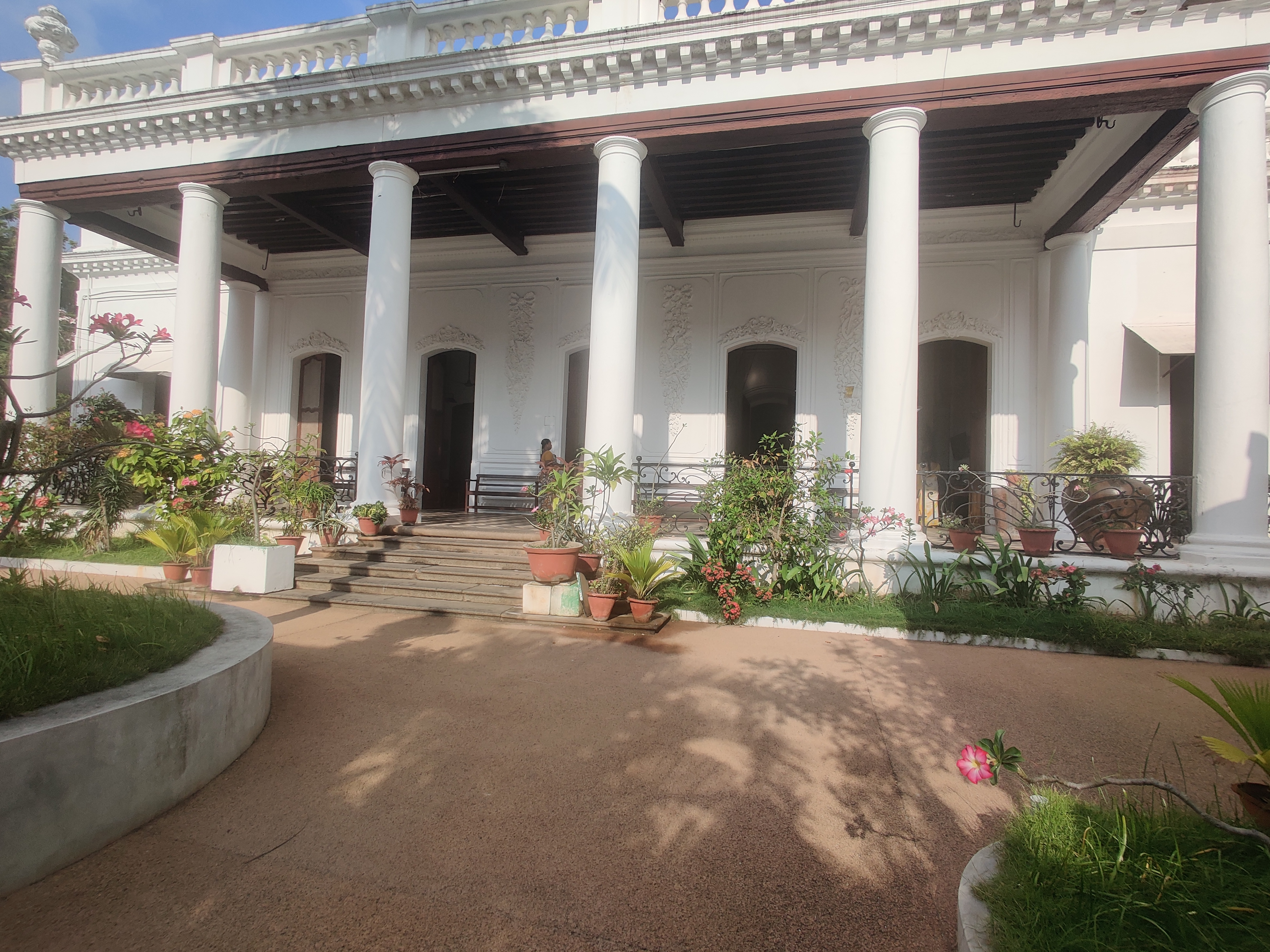
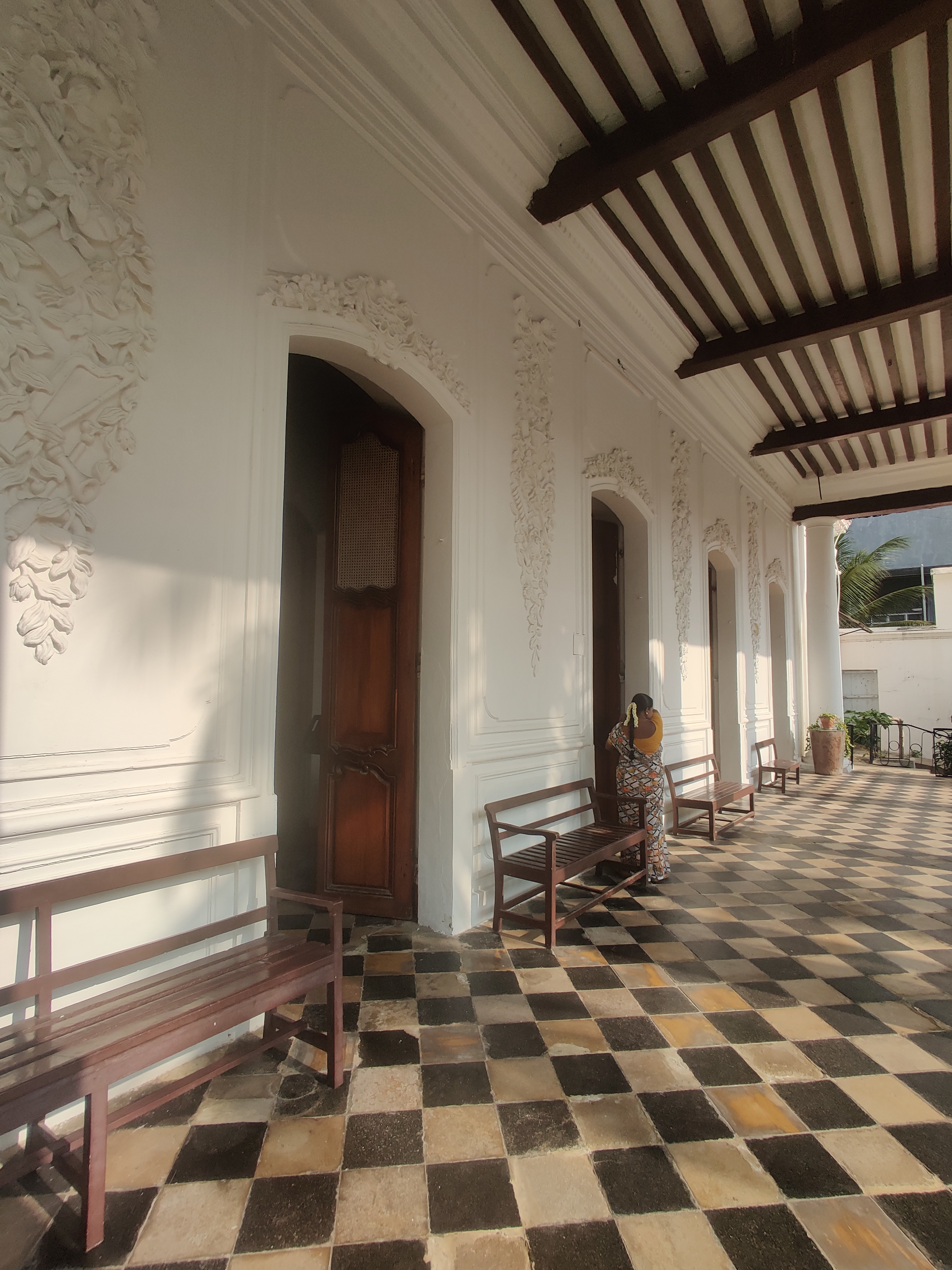
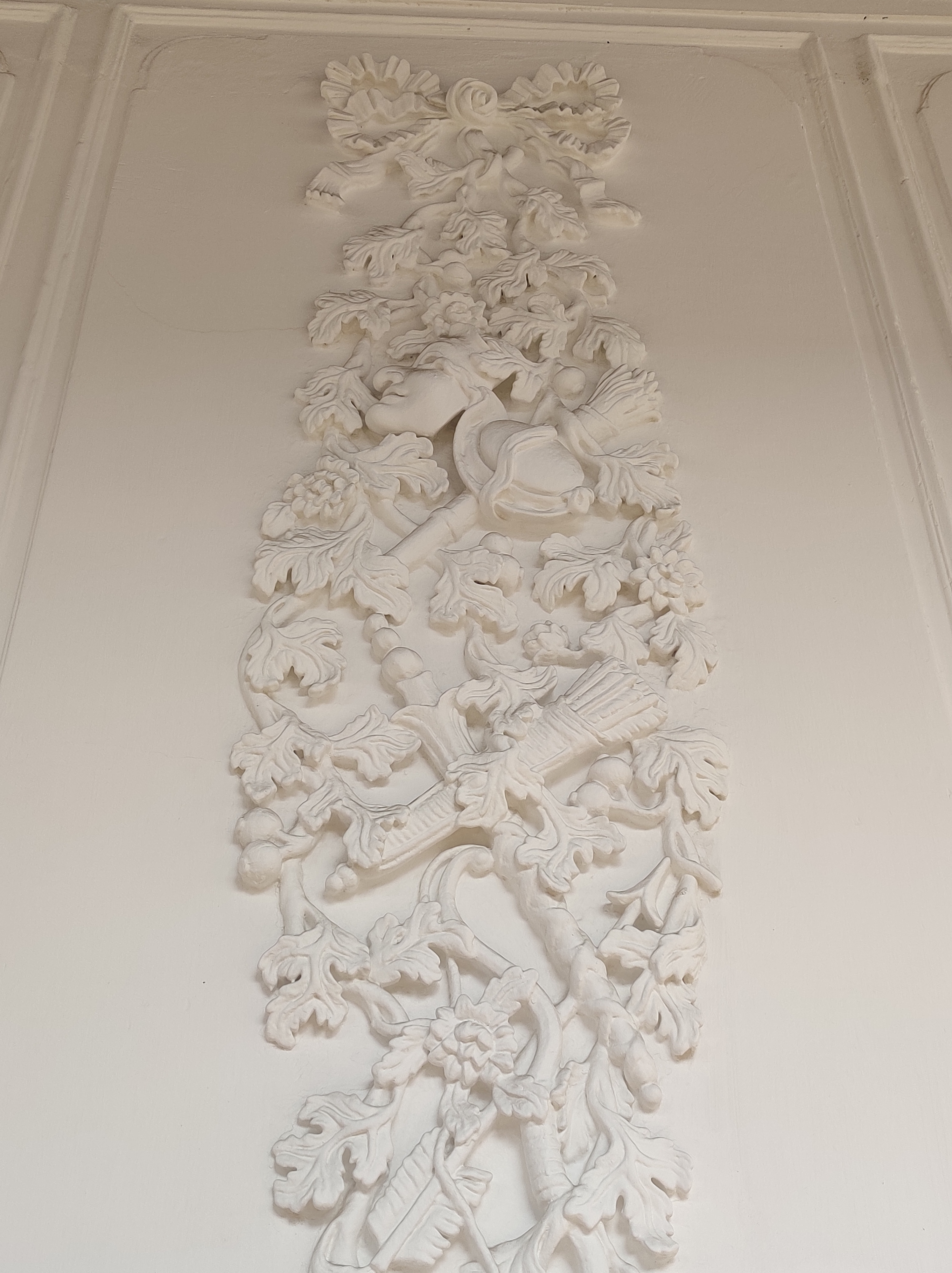
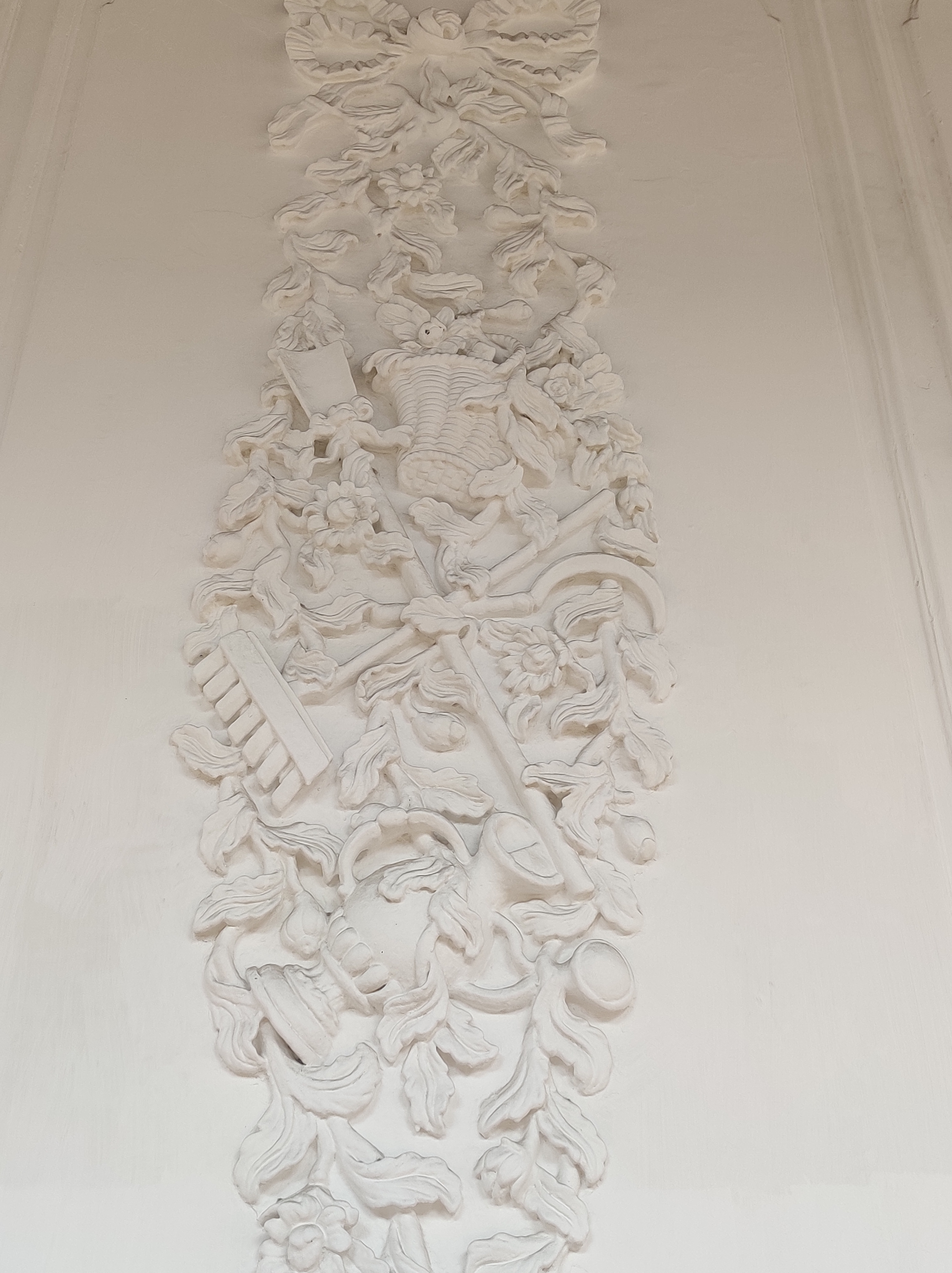
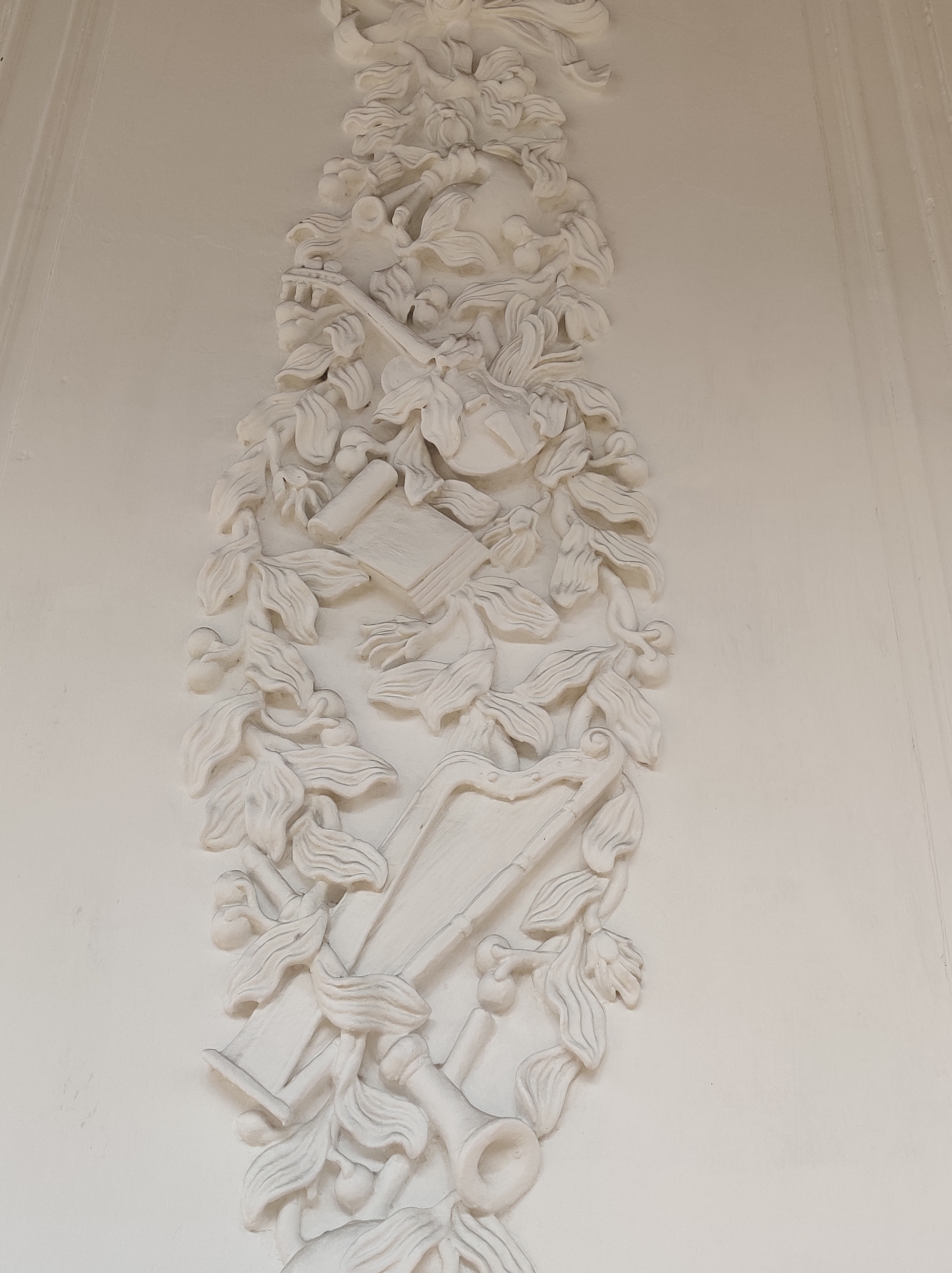
It boasts 12 foot tall arched doors, a wide portico overlooking a beautiful garden, and walls decorated with motifs, each of which symbolizes a unique contribution from the French.
The TAMIL Quarter
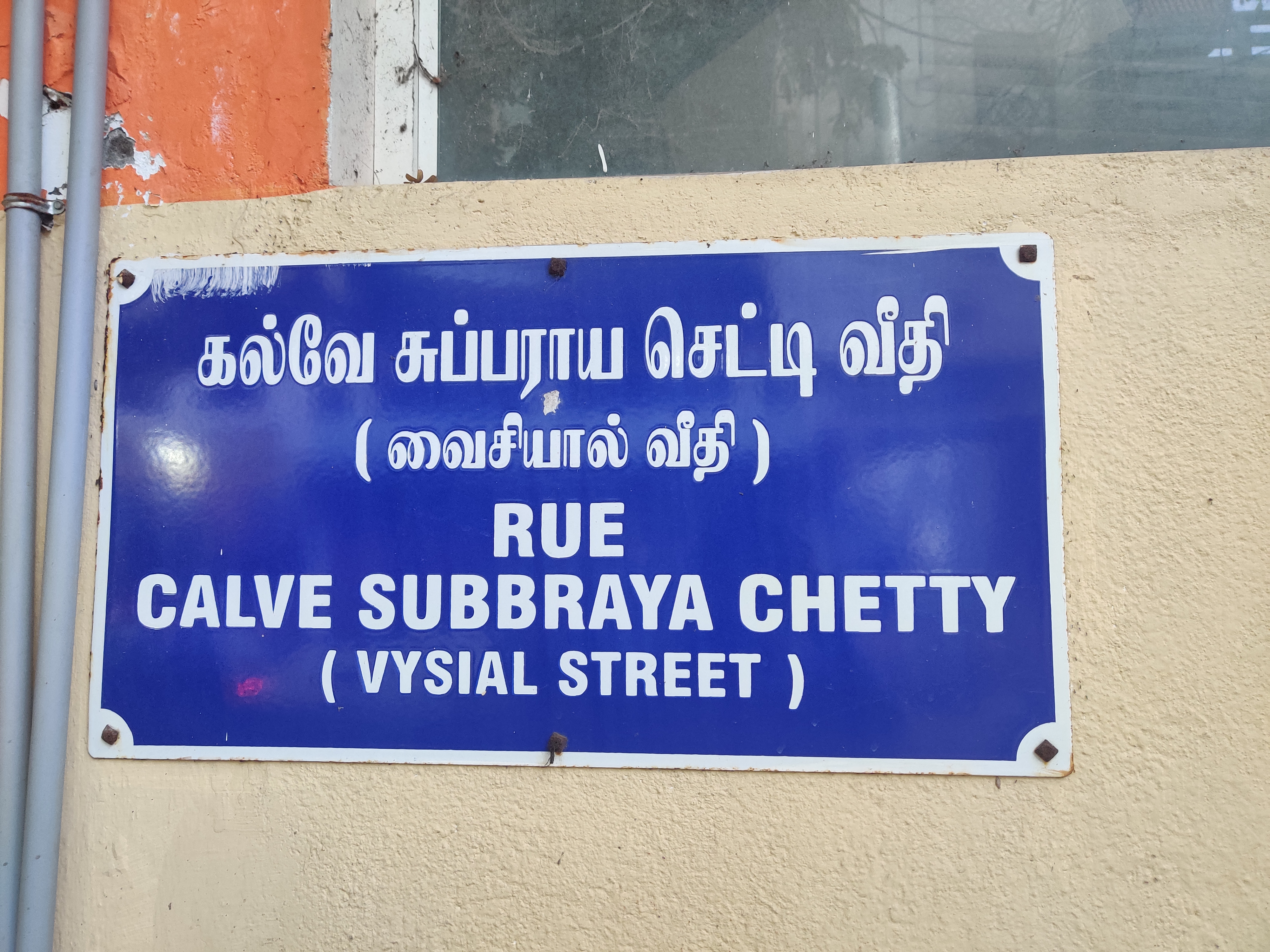
Next, is the Indian French-Indian, who are of Indian ancestry but live in Tamil Town, a region that resembles the rest of India in appearance and atmosphere. In fact, one of the rare streets with unbroken rows of traditional Tamil homes is Rue Calve Subbraya Chetty, often known as the Vysial street. It has the name of banker and philanthropist Calve Soupraya Chetty, who in 1875 also established the Calve College. It’s interesting that Koumati Chettys, a trading community that historically engaged in trade, banking, and philanthropy, live in the majority of the homes.
The street serves as the entryway to a traditional Tamil home. The house’s exterior facades include a thalvaram (street veranda), which serves as a social extension of the home, and a thinnai (semi-public veranda space), which is used by visitors and pilgrims and has concrete benches. Due to their personal scale and engaging features, these facades are known as “talking streets” and are a distinctive feature of Tamil architecture. The houses have the recognizable red Madras sloped roofs. No two houses are exactly alike, despite the fact that they all may appear to be identical. After passing through the thinnai, a beautifully carved door is used to enter the house.
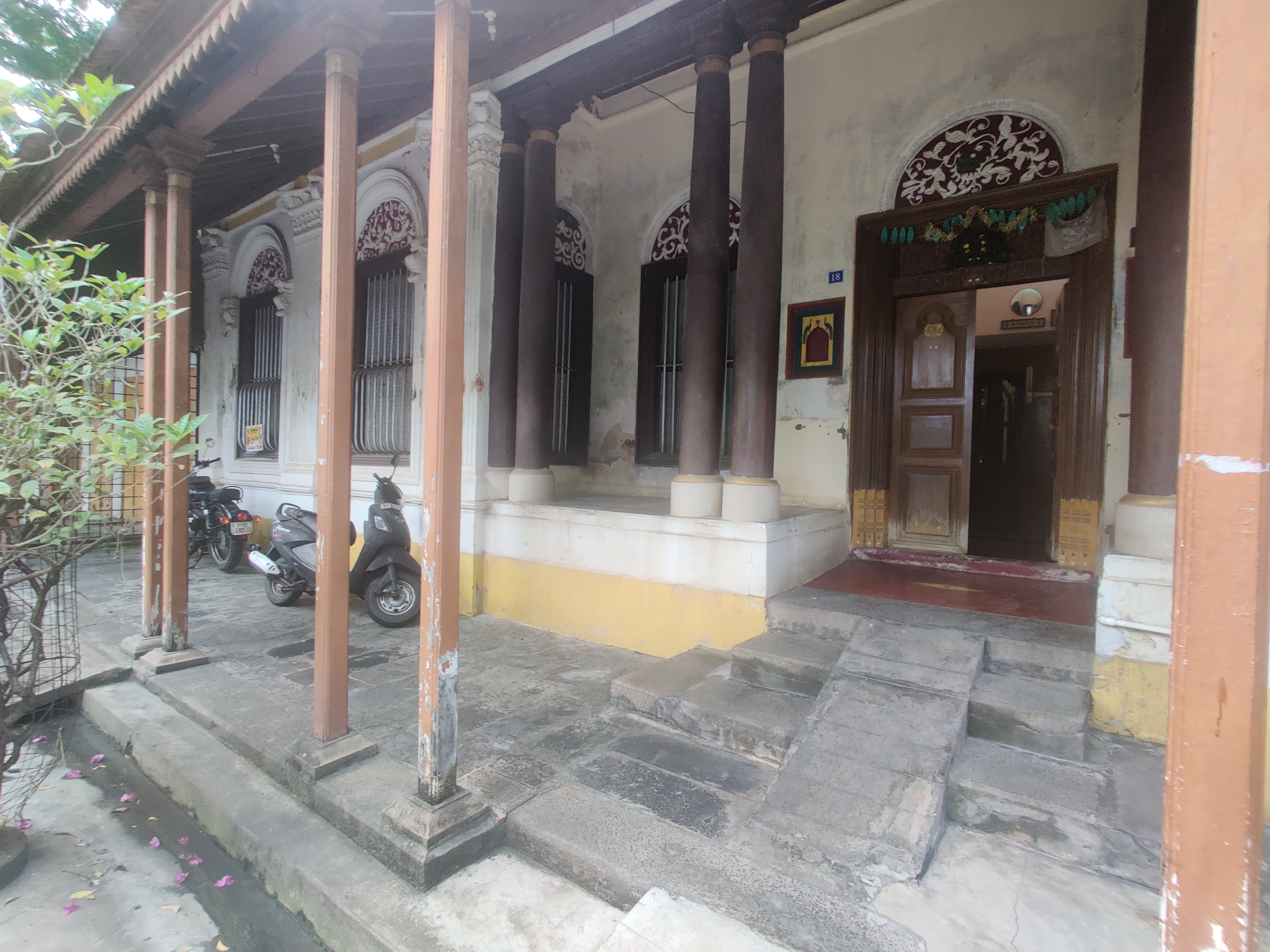
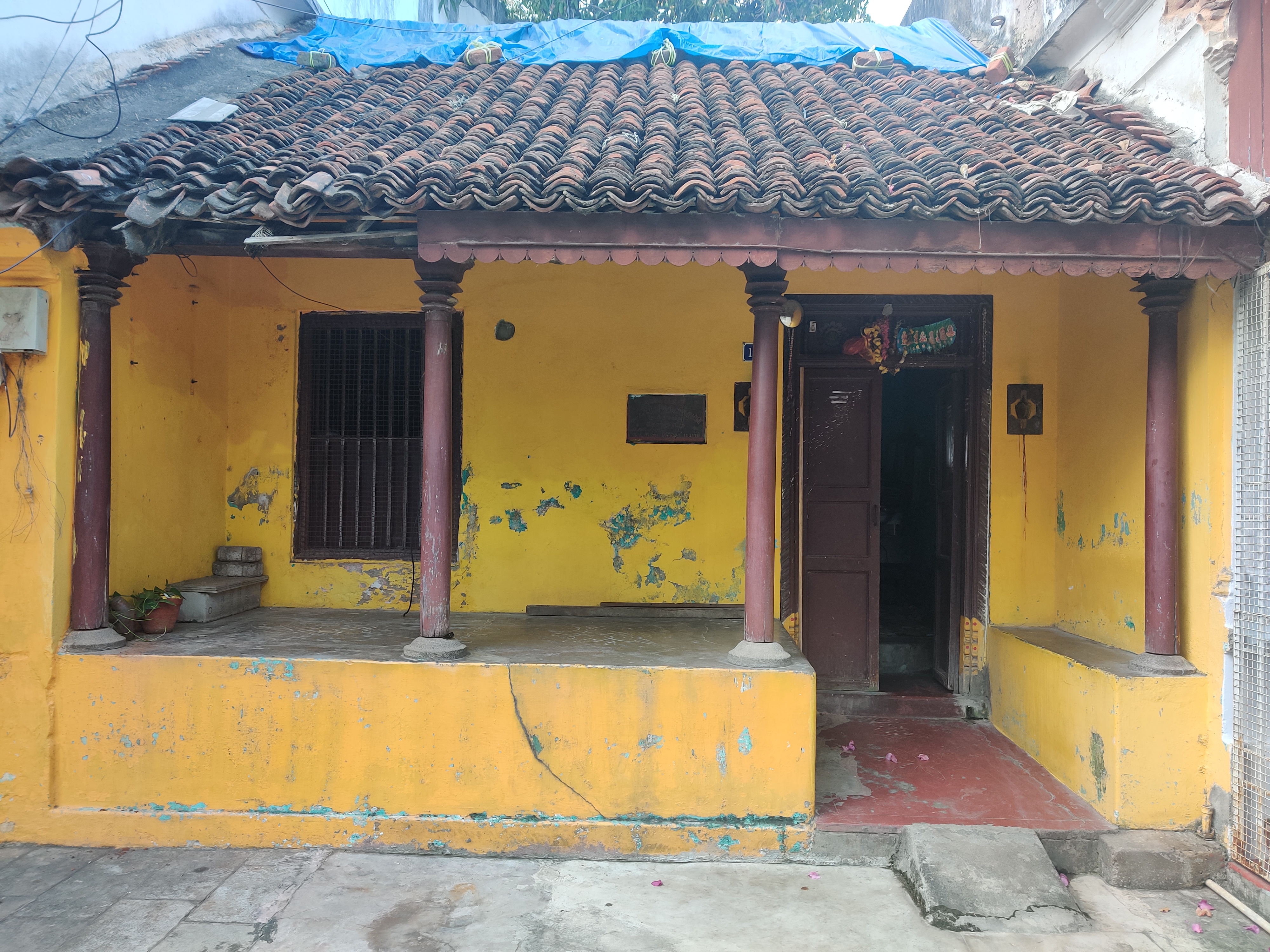
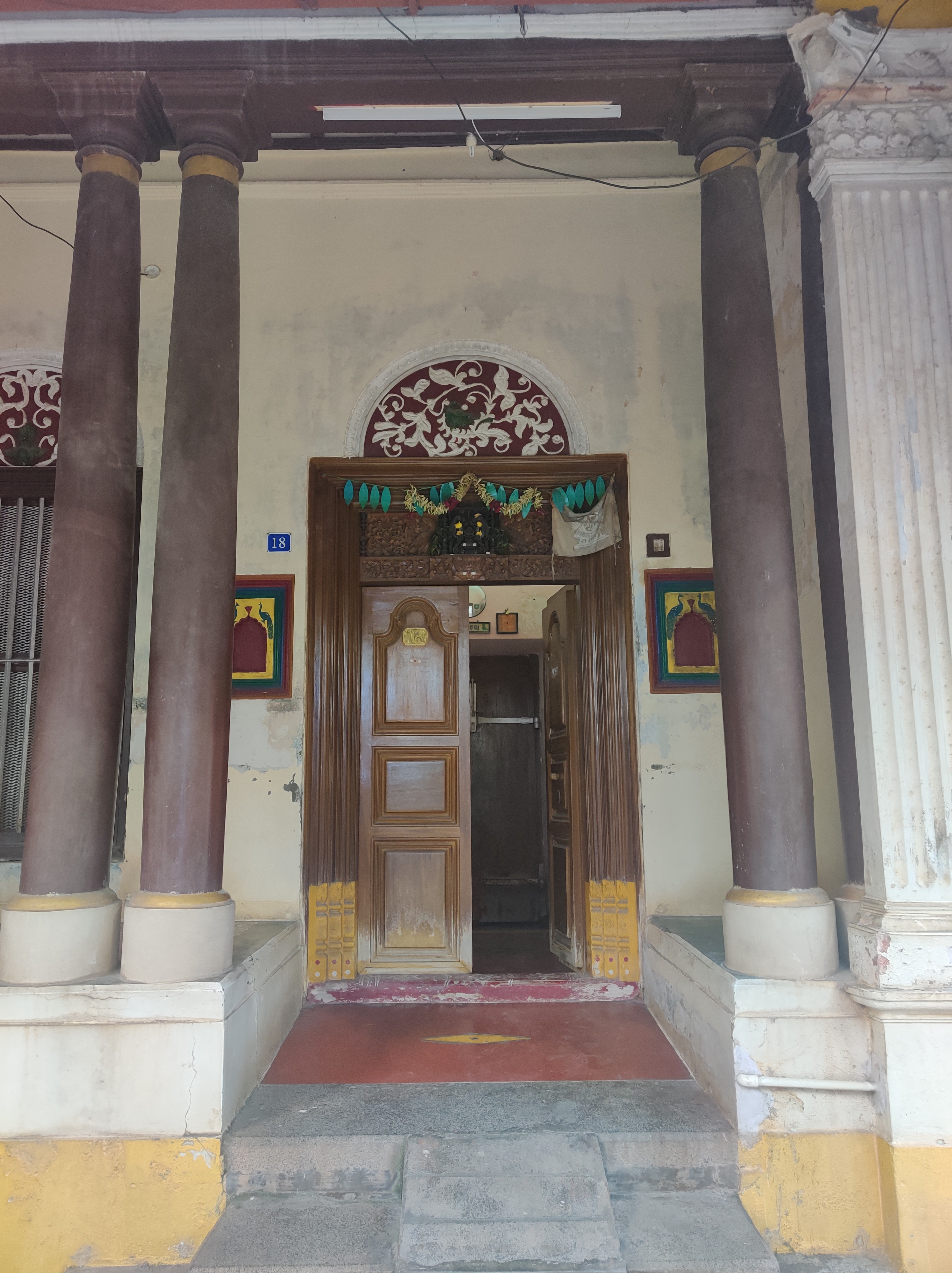
Once inside, the colonnaded courtyard, or mutram, serves as the family’s gathering place, around which various additional utilitarian spaces are positioned.
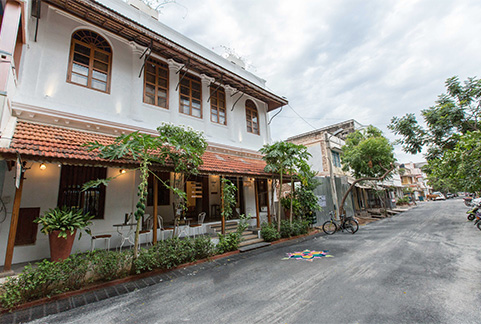
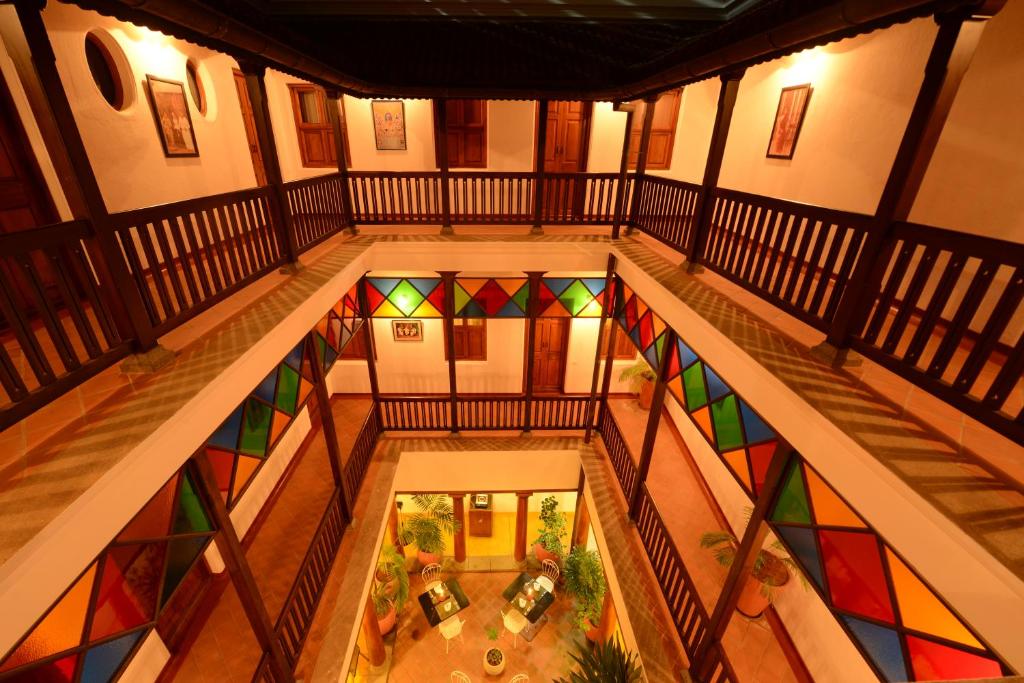
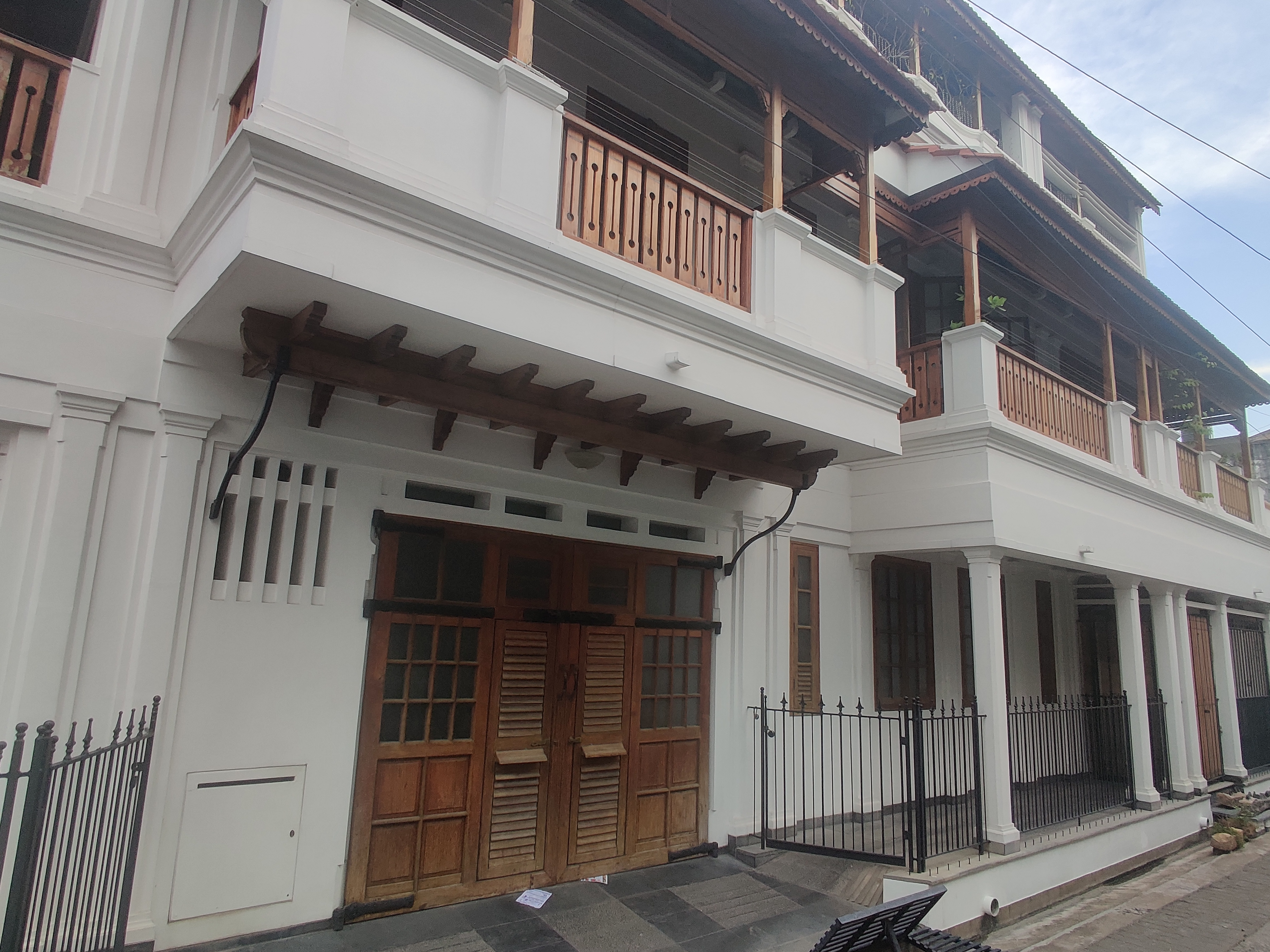
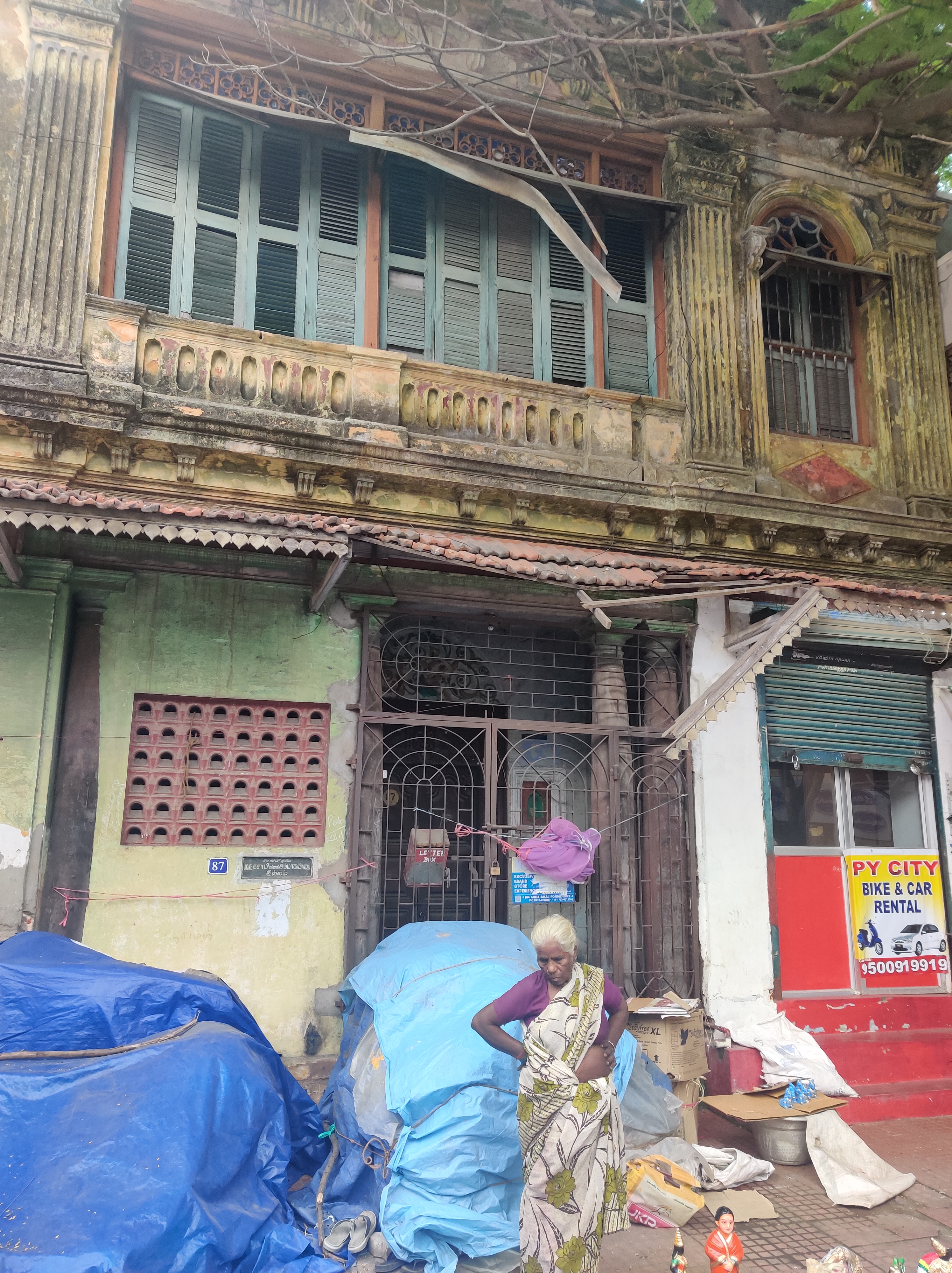
Within the intimate fabric of the Tamil Quarter, beyond the realms of colonial influence, there are places which shows interesting and elaborate Muslim influence.
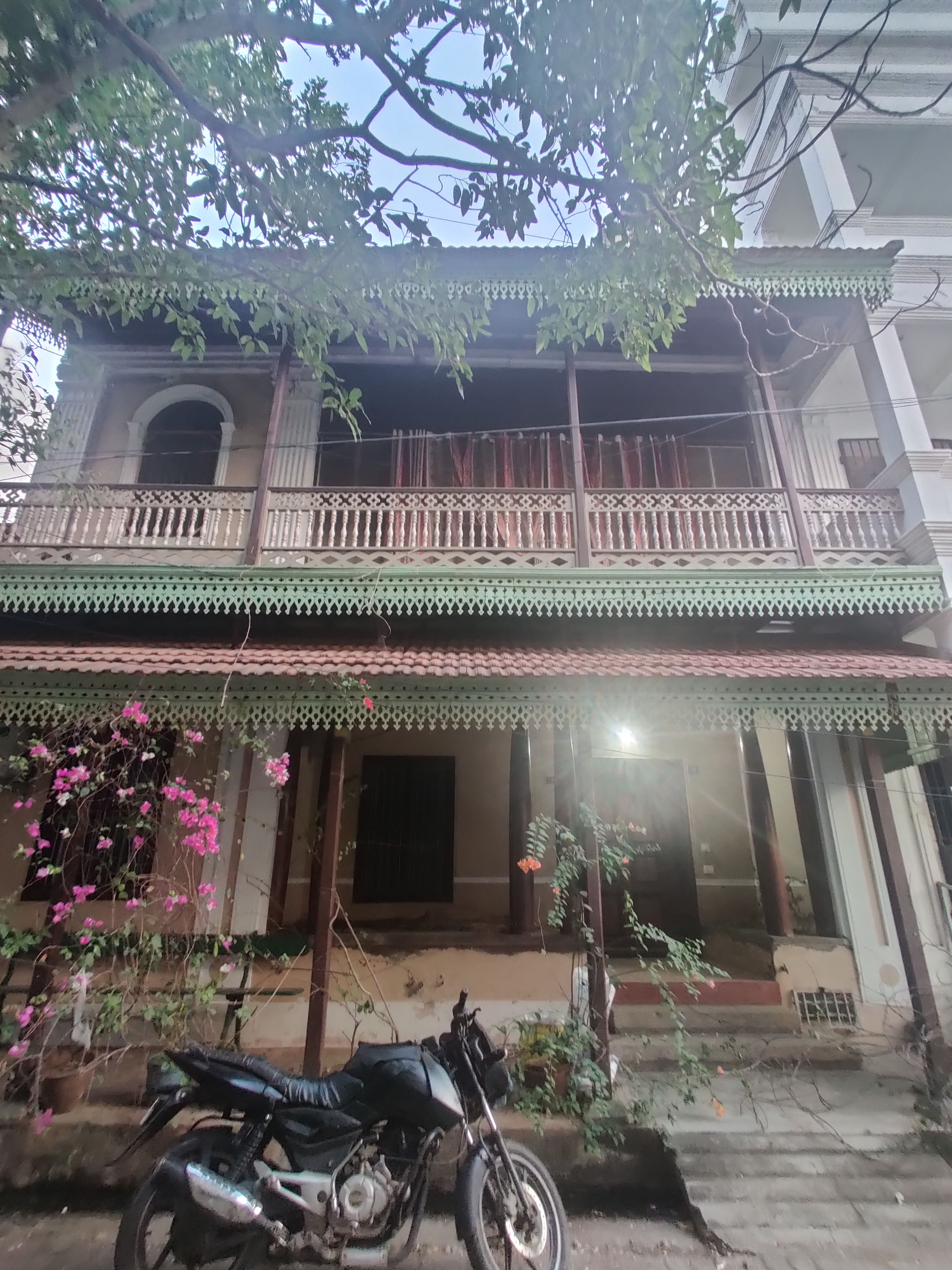
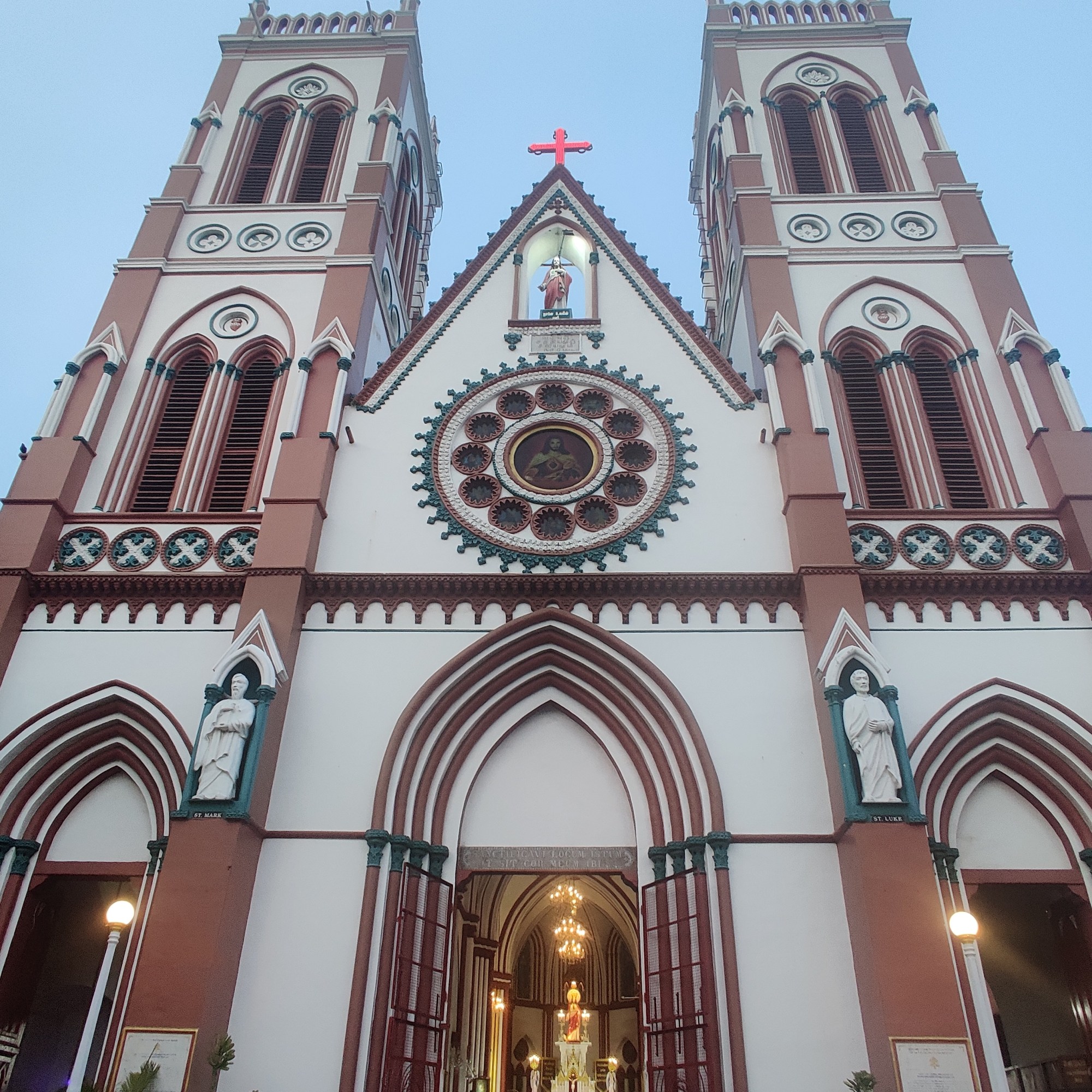
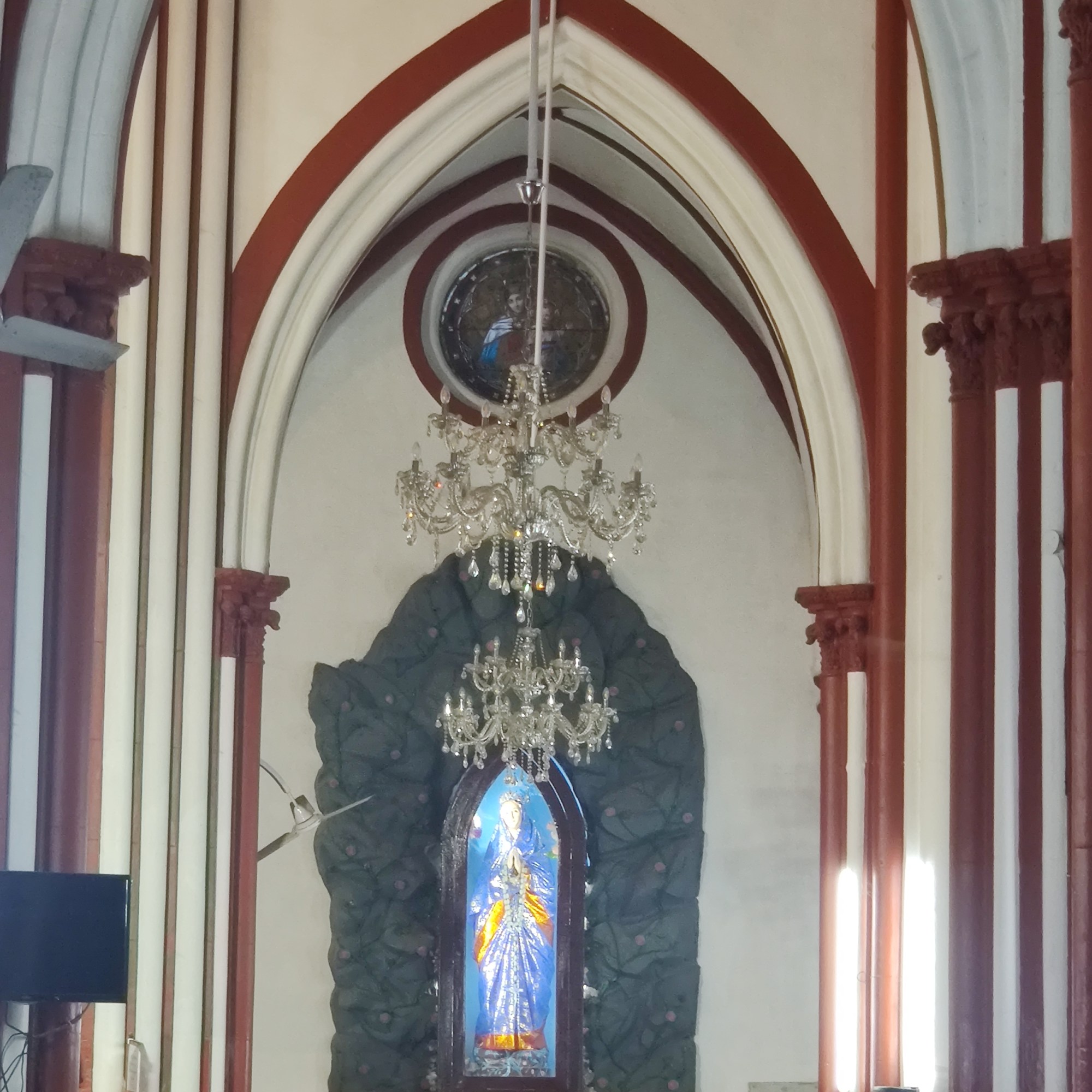
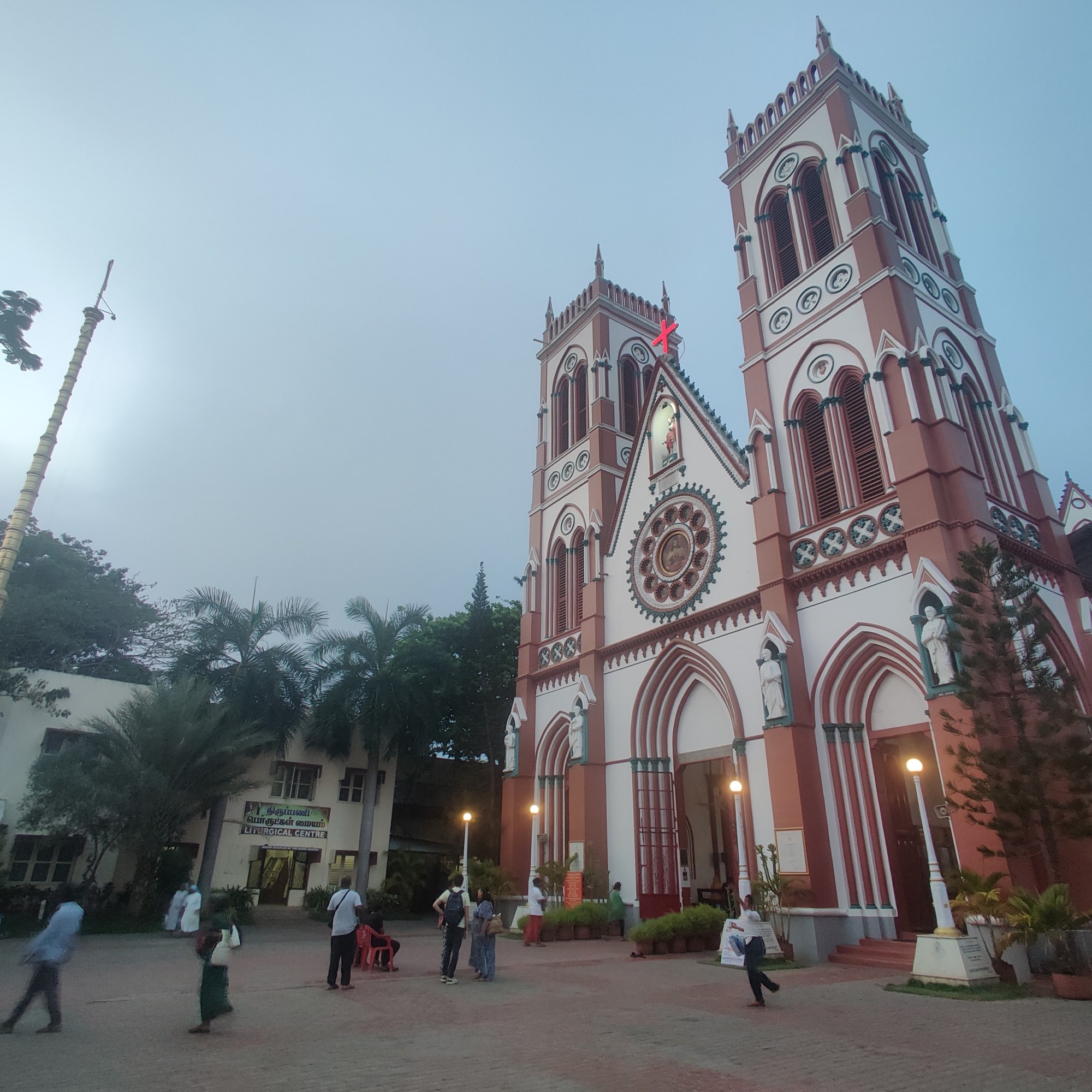
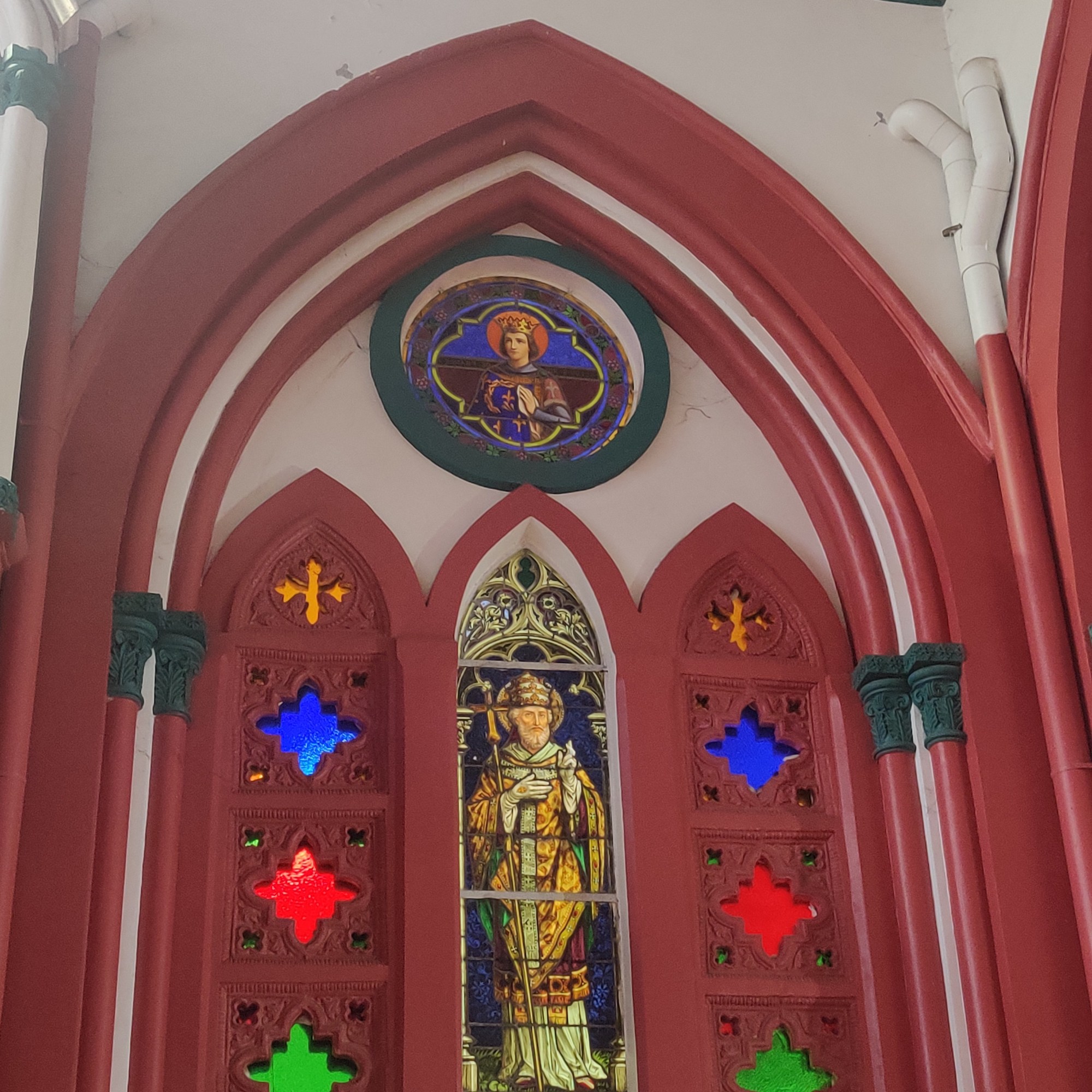
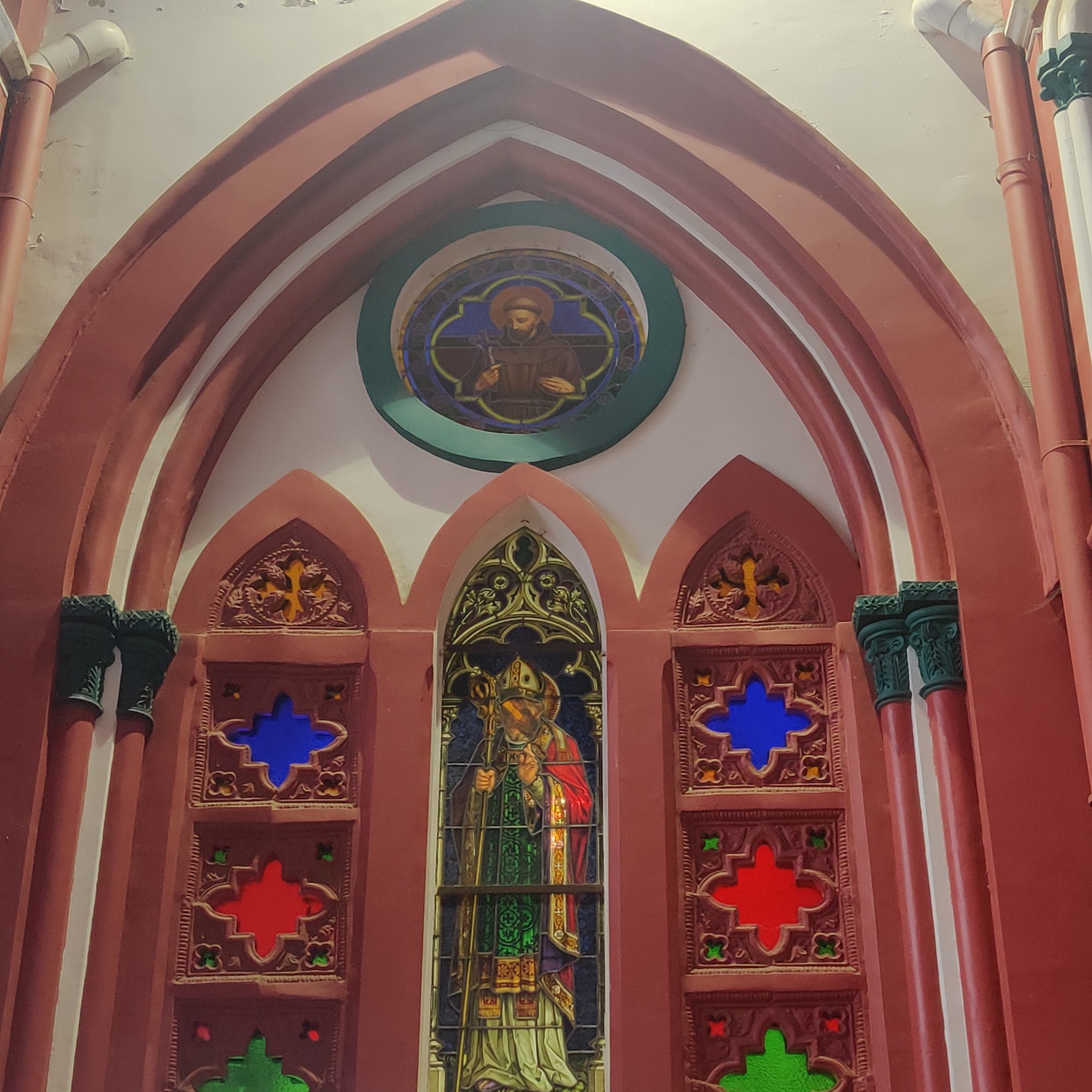
The religious structures are occasionally thrown into this potpourri mix, which is one of Pondicherry’s beautiful aspects of cultural blending. An intriguing illustration of this is the Basilica of the Sacred Heart of Jesus in Pondicherry (Basilique du Sacré-Coeur de Jésus). For instance, only in India will you see the Virgin Mary attending Mass while wearing a sari, or a dhvajastambha (or flagstaff) standing tall within the church premises. Rare stained glass panels featuring scenes from Christ’s life and Catholic saints can also be found in this Gothic Revival architectural exemplar from the East.
The City of dawn: auroville
Before we start on the next cultural space in Pondicherry, let me bring forward another nugget of history – Bengal was divided in July 1905 by Lord Curzon, who was then India’s Viceroy. This caused a public outcry against the British, which resulted in turmoil and a nationalist campaign by groups of revolutionaries, including Sri Aurobindo. He was detained in solitary confinement at Alipore Jail after being charged with organizing and supervising the Alipore bomb Case. He was ultimately exonerated after a year-long trial. His perspective on life underwent a significant transformation during this time in prison as a result of spiritual encounters and insights. As a result, his goals went well beyond helping to liberate and serve the nation. And this is how his journey redirected to Pondicherry on April 4, 1910 at the age of 38. He did not come with the intention of starting an ashram, or for making the city his home base. But city welcomed him and provided a different kind of solace.
“Then there came to him a call to proceed to Pondicherry. A boat manned by some young revolutionaries of Uttarpara took him to Calcutta; there he boarded the Dupleix and reached Pondicherry on April 4, 1910.”
Sri Aurobindo, Autobiographical notes, CWSA 36: 64
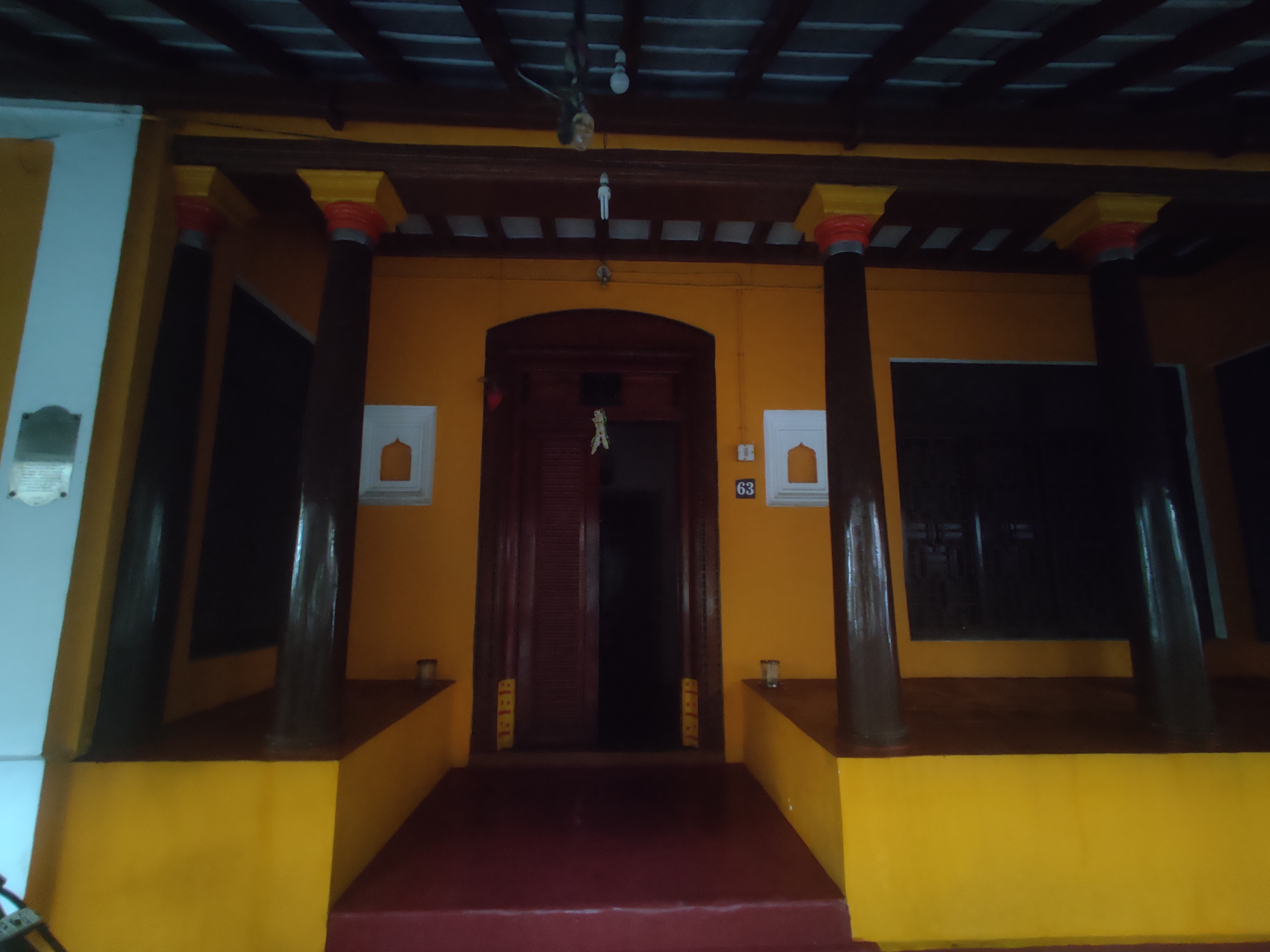
During his forty years in Pondicherry, he stayed in seven different houses. He first took up residence in a house owned by Shankar Chetty at Rue Koumati (door number 63), along with his friends from the Independence movement. Constantly under watch by spies and agents, the three refugees did not step out of the house for the first three months. Sri Aurobindo spent his time there engaged in the practice of Yoga; he sought not only to ascend into the realms of spiritual consciousness but to bring down their lights and powers into his body.
In October 1910, Sri Aurobindo and his friends moved to Sundar Chetty’s house in the southern part of town. The house was taken on rent with money pooled from friends. Sri Aurobindo continued his period of “silent Yoga”. They moved again in April 1911 and took up residence in Raghav Chetty’s house. Sri Aurobindo’s place became a focal point for many eclectic gatherings. They moved once more in October 1922 to a home on Francois Martin, which ultimately served as the Ashram Guesthouse. This location, where Sri Aurobindo spent nine years, is notable for a variety of reasons. On March 29, 1914, he first encountered the Mother here. He published the inaugural issue of Arya, a monthly philosophic journal, here in August 1913. Over the next six and a half years, all of his significant prose works were serialized in Arya. Sri Aurobindo and his adherents moved to a sizable structure on Rue de la Marine in September 1922. The Sri Aurobindo Ashram was started on November 1526. He relocated to No. 28 Rue Francois Martin for the last time on February 8th, 1927.
“The earth is certainly not ready to realise such an ideal […] That is why I call it a dream. Yet, this dream is on the way of becoming a reality.”
High aspiration of the Mother, which became the basis of the Auroville experiment.
The Mother first had the idea for Auroville in the 1930s. It was an ideal community devoted to an experiment in fostering human togetherness. The idea was devised and presented to the Indian government in the middle of the 1960s, who supported it and carried it to the UNESCO General Assembly. UNESCO gave it its full support by unanimously endorsing it in a resolution that was passed in 1966 and praising it as a project that was crucial to the future of humanity. In order to create a larger space for efforts to practically realize Sri Aurobindo’s vision of new ways of living both individually and collectively, and to pave the way for a better future for all of earth, she launched the worldwide township project of Auroville in 1968.
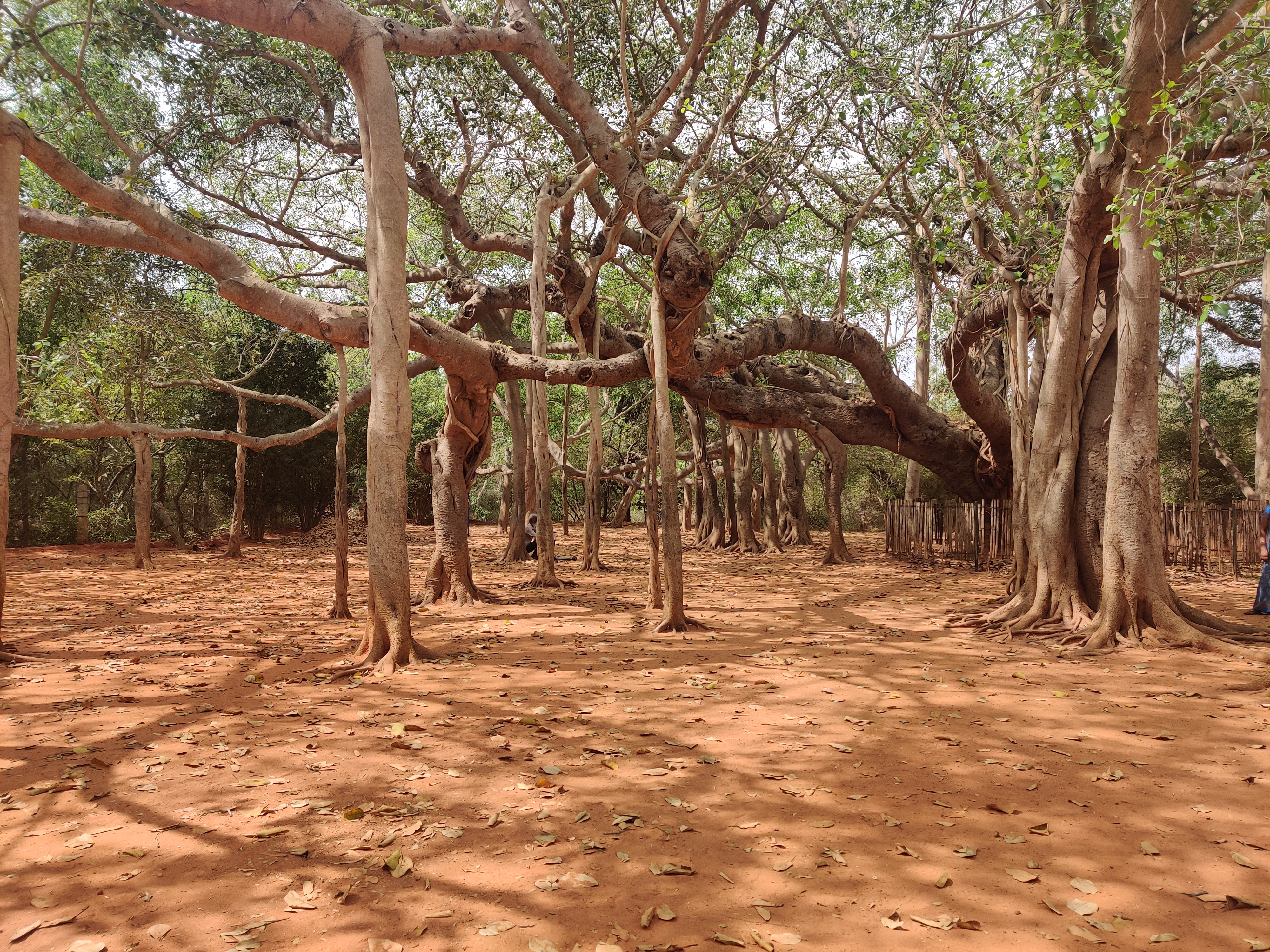
On 28th February 1968 some 5,000 people assembled near the banyan tree at the centre of the future township for an inauguration ceremony attended by representatives of 124 nations, including all the States of India. The representatives brought with them some soil from their homeland, to be mixed in a white marble- clad, lotus-shaped urn, now sited at the focal point of the Amphitheatre. At the same time the Mother gave Auroville its 4-point Charter.
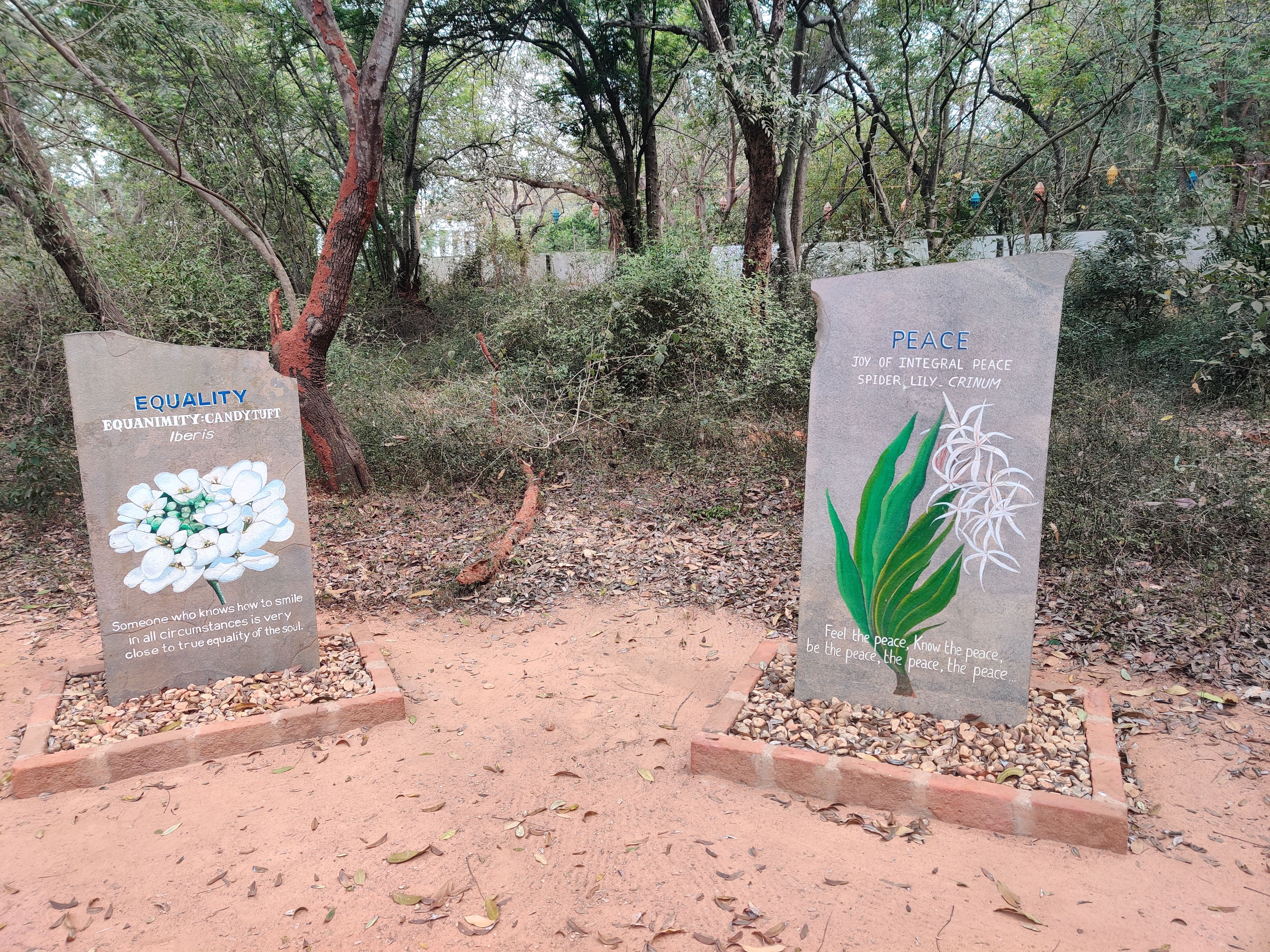
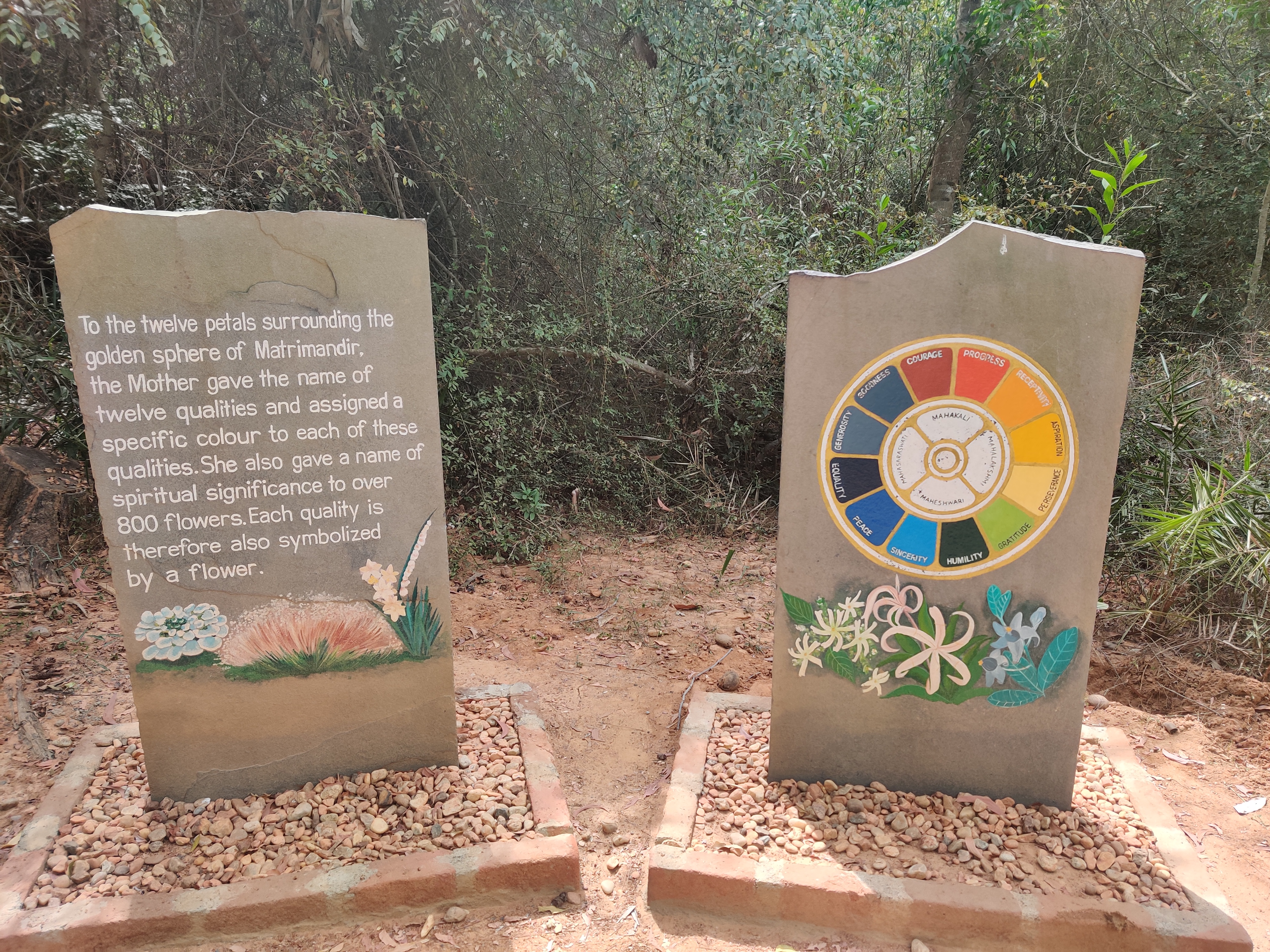
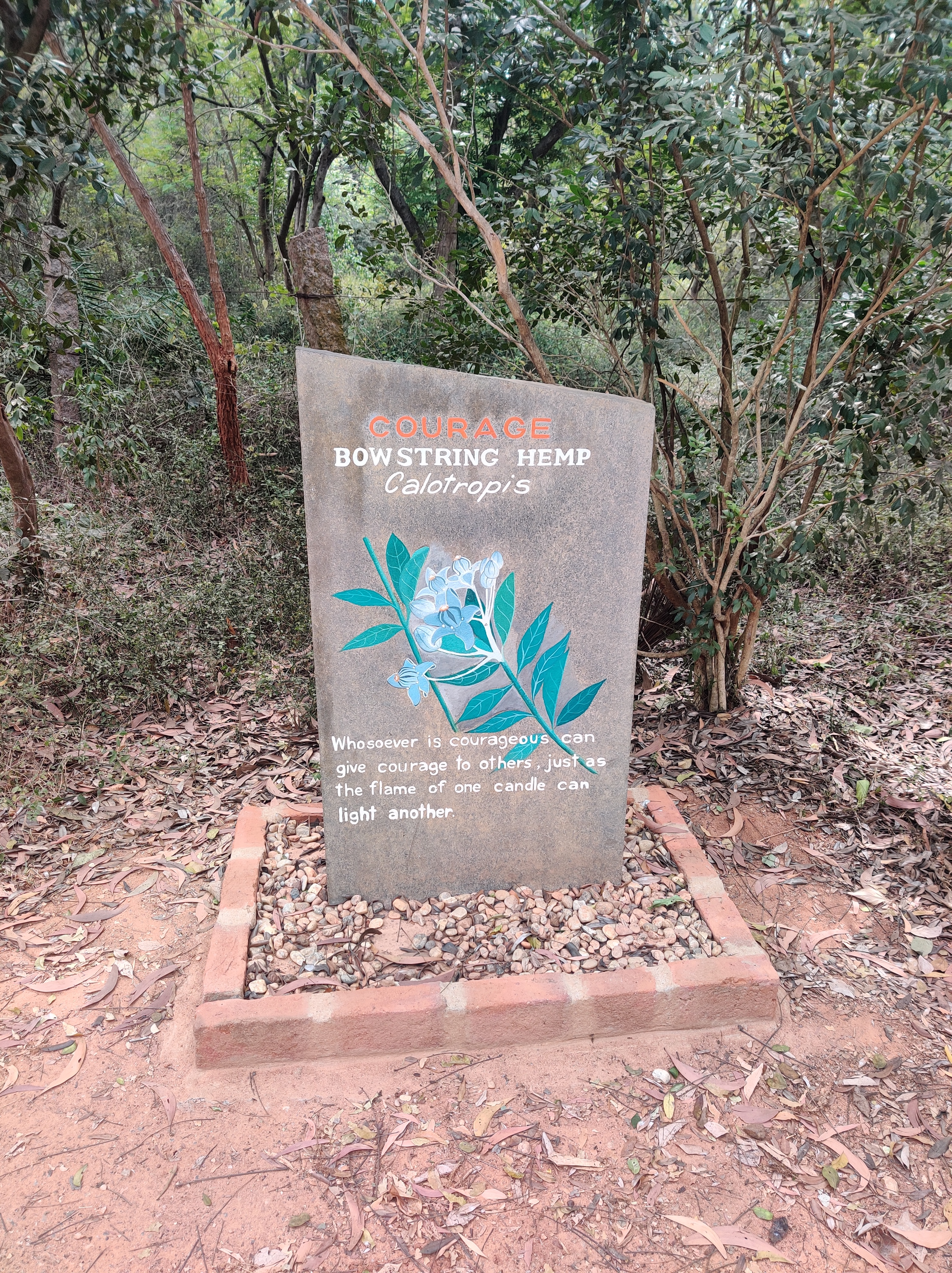
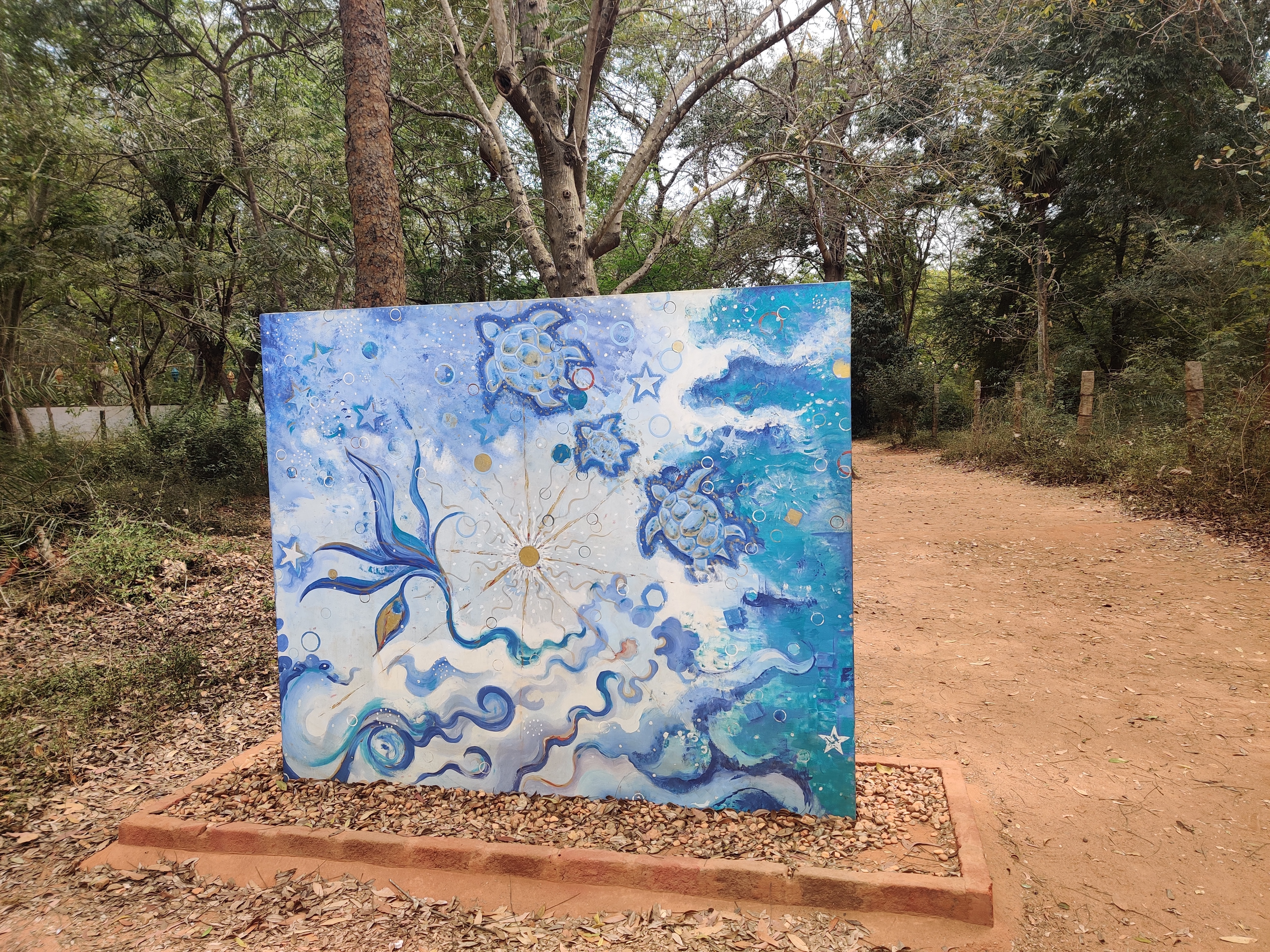
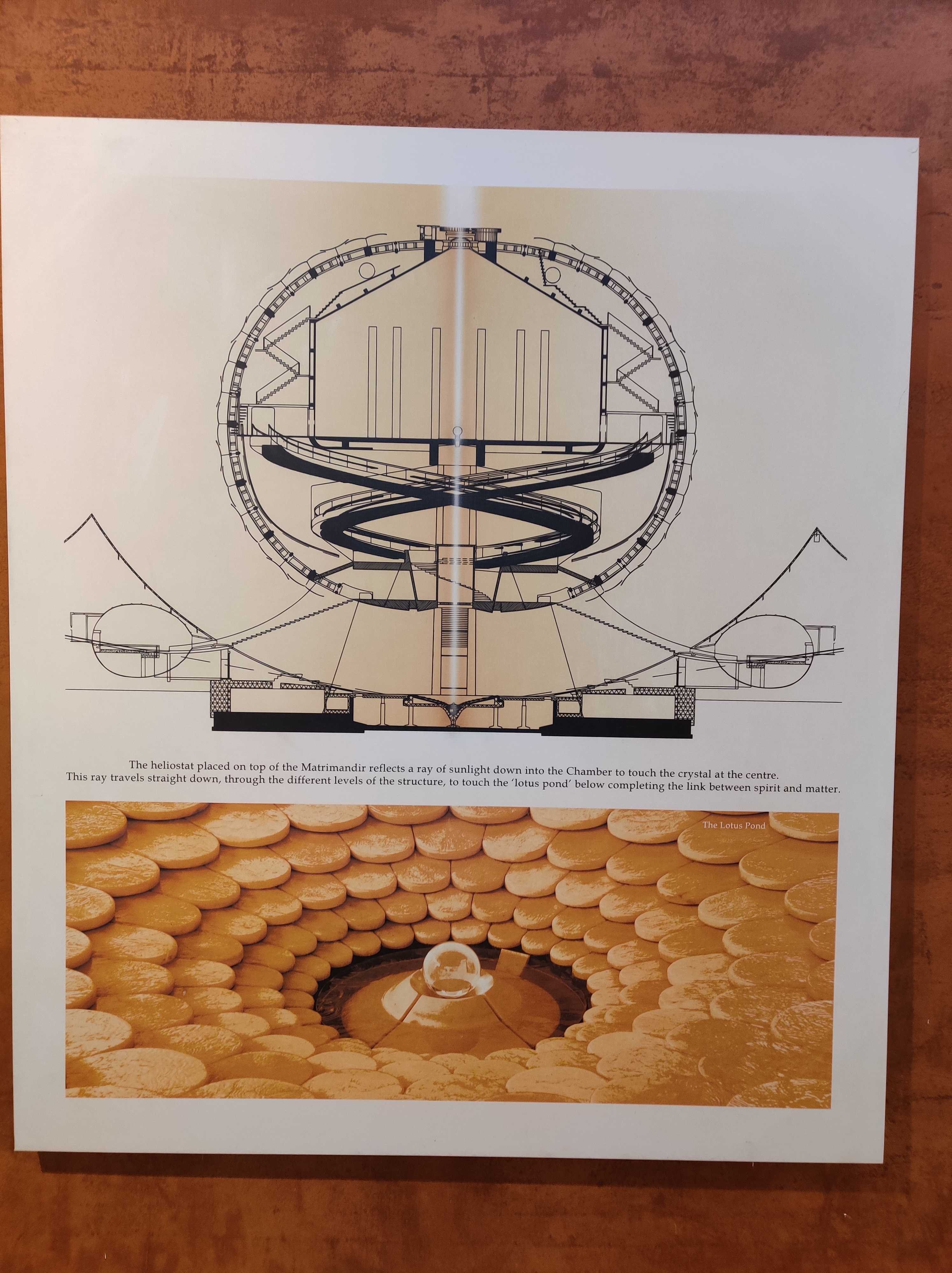
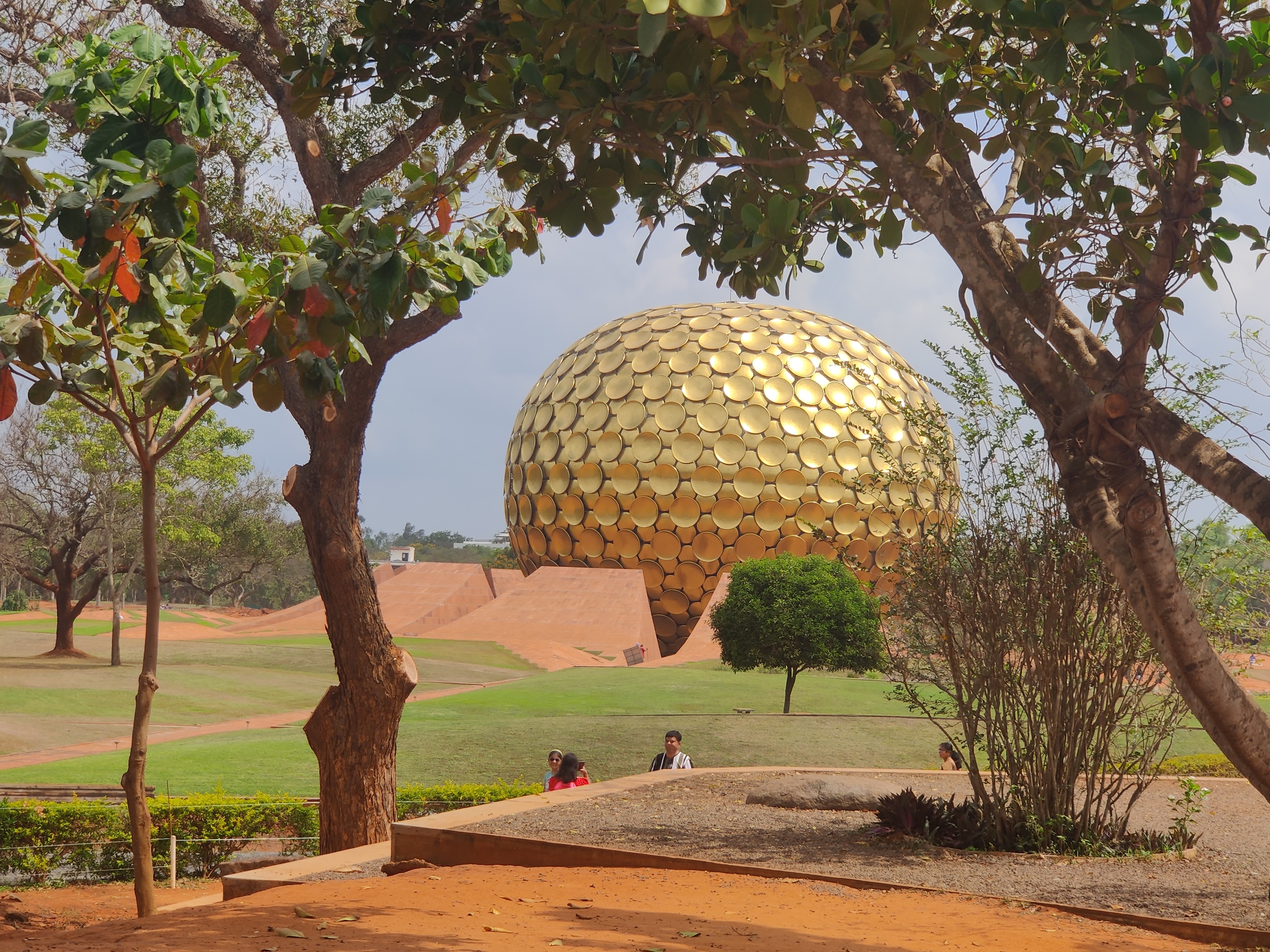
Auroville is frequently referred to as a utopia that transcends the realm of binary oppositions. Auroville is largely always connected with Pondicherry as a way of life, even though it is technically in Tamil Nadu and not the Union Territory of Pondicherry. The Mother pictured a “Park of Unity” and a pavilion called “Matrimandir,” which means “The Mother’s shrine,” in the middle of the town. The shrine’s foundation was laid on February 21st, 1971. The Matrimandir was designed by Roger Anger to resemble a lotus in full bloom with its twelve enormous petals, representing the divine awareness. I personally preferred comparing it to a giant Ferrero Rocher. As a main attraction of Auroville, the giant ferrero rocher-like building is said to be an experience on its own especially when it comes to its design to enhance meditation. Unfortunately or not, outsiders can only visit Matrimandir with a prior booking, which often gets full 2 days in advance.
One of the most notable ‘events’ in the history of Auroville has probably been the slow but steady transformation of a barren plateau into the lush forests that are now its defining feature. This transformation took place over the course of all the historical events that have been recorded, including the high ideals, the glorious start, the spiritual, physical, social, and legal conflicts. Auroville, which exemplifies slow and sustainable living, is now home to more than 2,000 individuals, including writers, artists, doctors, engineers, chefs, teachers, farmers, and students from over 40 nations and all parts of India.
Note: I spent three days at Kariappa House while touring Pondicherry and its surrounding neighborhoods, including Auroville and Mahabalipuram. For more information regarding the historic walks, contact the Pondicherry Intach Chapter. The always friendly staff at Kariappa House, pointed me in the direction of Mr. Yuvraj, who incidentally collaborates with Intach. Those interested in his contacting him directly, are free to drop in a message.
Further Readings:
Recent (and not-so recent) Posts:
 The Lost Coordinates
[…] writings and travelogues! Well, I finally started playing catch-up now that the year is winding up. So here is a new post! Hopefully, this […]
LikeLike
Very informative and wonderful photos. Thank you for sharing.
LikeLike
Thank you for taking time to go through all of it!!!
LikeLiked by 1 person
[…] my itinerary? Well, I was having a random discussion this stained glass that I saw in a church in Pondicherry and we were laughingly discussing the fact that considering how Catholicism was imported to India, […]
LikeLike